What are the Typical Applications of the SPI Interface?
The SPI (Serial Peripheral Interface) interface has been a cornerstone of embedded systems and microcontrollers for decades, facilitating communication between devices and peripherals. With its simplicity and efficiency, the SPI interface has become ubiquitous in a wide range of applications, from consumer electronics to industrial control systems. At its core, the SPI interface is a full-duplex synchronous serial interface that allows for high-speed data transfer between devices. This report delves into the typical applications of the SPI interface, exploring its use cases, advantages, and limitations.
1. Consumer Electronics
The SPI interface is widely used in consumer electronics, particularly in devices that require high-speed data transfer, such as:
| Device | SPI Interface Usage |
|---|---|
| Smartphones | SPI used for communication between processor, memory, and peripherals |
| Tablets | SPI employed for display, storage, and audio interfaces |
| TVs | SPI used for communication between processor, memory, and peripherals |
The SPI interface’s high-speed data transfer capabilities make it an ideal choice for consumer electronics, where data transfer rates of up to 50 MHz or more are common. Its simplicity and low pin count also make it an attractive option for devices with limited I/O resources.
2. Industrial Control Systems
In industrial control systems, the SPI interface is used for communication between devices, such as:
| Device | SPI Interface Usage |
|---|---|
| Motor Controllers | SPI used for communication between motor controller and motor |
| Sensors | SPI employed for communication between sensors and control units |
| PLCs (Programmable Logic Controllers) | SPI used for communication between PLC and peripherals |
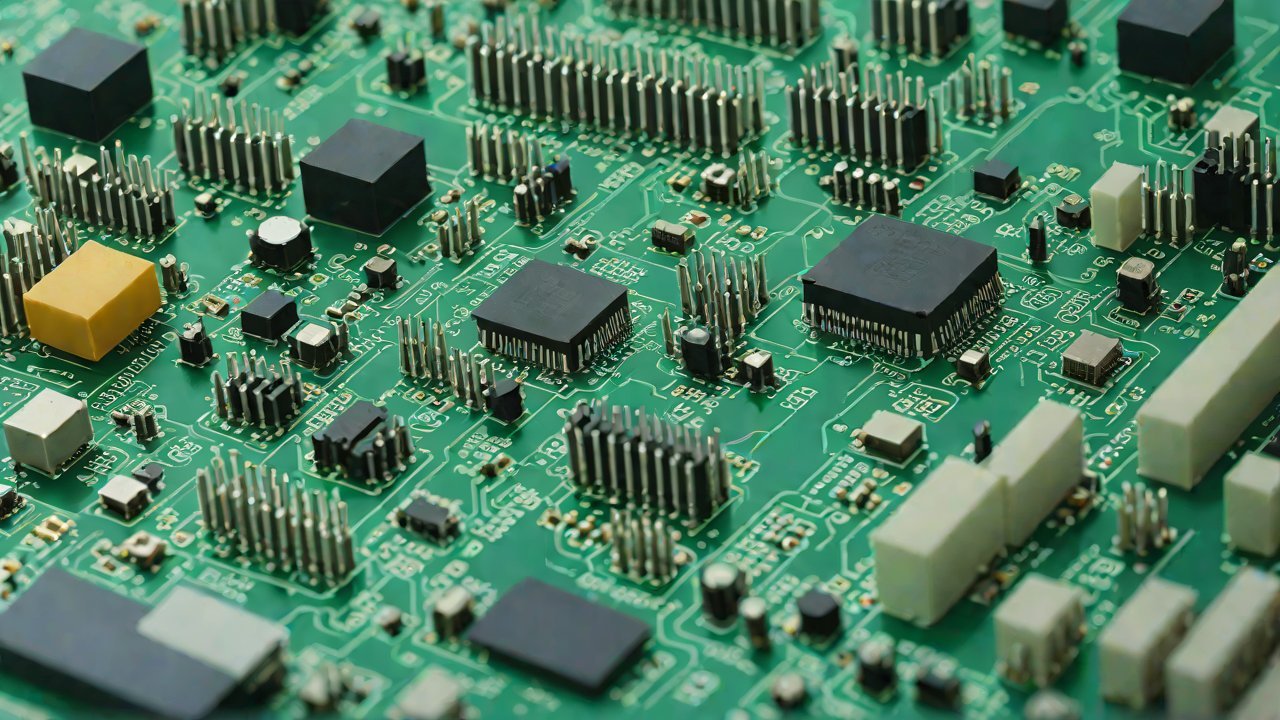
The SPI interface’s reliability and low latency make it suitable for industrial control systems, where precise timing and high-speed data transfer are critical.
3. Automotive Systems
The SPI interface is also used in automotive systems, particularly in:
| Device | SPI Interface Usage |
|---|---|
| ECUs (Electronic Control Units) | SPI used for communication between ECUs and sensors |
| ADAS (Advanced Driver-Assistance Systems) | SPI employed for communication between ADAS and vehicle systems |
| Infotainment Systems | SPI used for communication between infotainment system and vehicle network |
The SPI interface’s high-speed data transfer capabilities and low latency make it suitable for automotive systems, where data transfer rates of up to 100 MHz or more are common.
4. Medical Devices
In medical devices, the SPI interface is used for communication between devices, such as:
| Device | SPI Interface Usage |
|---|---|
| MRI Machines | SPI used for communication between MRI machine and control unit |
| Ultrasound Machines | SPI employed for communication between ultrasound machine and control unit |
| Medical Implants | SPI used for communication between medical implant and external devices |
The SPI interface’s reliability and low latency make it suitable for medical devices, where precise timing and high-speed data transfer are critical.
5. Aerospace Systems
The SPI interface is also used in aerospace systems, particularly in:
| Device | SPI Interface Usage |
|---|---|
| Flight Control Systems | SPI used for communication between flight control system and sensors |
| Navigation Systems | SPI employed for communication between navigation system and sensors |
| Communication Systems | SPI used for communication between communication system and satellite |
The SPI interface’s high-speed data transfer capabilities and low latency make it suitable for aerospace systems, where data transfer rates of up to 100 MHz or more are common.
6. Advantages and Limitations
The SPI interface offers several advantages, including:
- High-speed data transfer capabilities
- Low latency
- Reliability
- Low pin count
However, the SPI interface also has some limitations, including:
- Limited distance capability (typically up to 4 meters)
- Limited number of devices that can be connected
- Sensitive to noise and electromagnetic interference
In conclusion, the SPI interface is a widely used interface in various industries, including consumer electronics, industrial control systems, automotive systems, medical devices, and aerospace systems. Its high-speed data transfer capabilities, low latency, and reliability make it an attractive option for applications where precise timing and high-speed data transfer are critical. However, its limitations, such as limited distance capability and limited number of devices that can be connected, must be considered when designing systems that use the SPI interface.
IOT Cloud Platform
IOT Cloud Platform is an IoT portal established by a Chinese IoT company, focusing on technical solutions in the fields of agricultural IoT, industrial IoT, medical IoT, security IoT, military IoT, meteorological IoT, consumer IoT, automotive IoT, commercial IoT, infrastructure IoT, smart warehousing and logistics, smart home, smart city, smart healthcare, smart lighting, etc.
The IoT Cloud Platform blog is a top IoT technology stack, providing technical knowledge on IoT, robotics, artificial intelligence (generative artificial intelligence AIGC), edge computing, AR/VR, cloud computing, quantum computing, blockchain, smart surveillance cameras, drones, RFID tags, gateways, GPS, 3D printing, 4D printing, autonomous driving, etc.