What are the advantages of the I2C communication protocol in IoT?
The Internet of Things (IoT) has revolutionized the way we interact with devices, and the I2C (Inter-Integrated Circuit) communication protocol has played a crucial role in this revolution. As the IoT continues to grow, the demand for efficient, reliable, and scalable communication protocols has increased. I2C, with its simplicity, flexibility, and robustness, has emerged as a top choice for IoT applications. In this report, we will delve into the advantages of the I2C communication protocol in IoT, exploring its technical aspects, market trends, and real-world applications.
1. Technical Advantages of I2C
I2C is a multi-master, synchronous communication protocol that allows for bidirectional communication between devices on the same bus. It uses a single data line (SDA) and a single clock line (SCL) to transmit data between devices. The I2C protocol is designed to be simple, flexible, and robust, making it an ideal choice for IoT applications.
Key Technical Features
| Feature | Description |
|---|---|
| Multi-master capability | Allows multiple devices to act as masters, enabling simultaneous communication |
| Synchronous communication | Devices communicate in sync with the clock signal, ensuring accurate data transfer |
| Bidirectional communication | Enables devices to send and receive data simultaneously |
| 7-bit addressing | Supports up to 128 devices on the same bus |
| Arbitration | Ensures fair access to the bus, preventing data collisions |
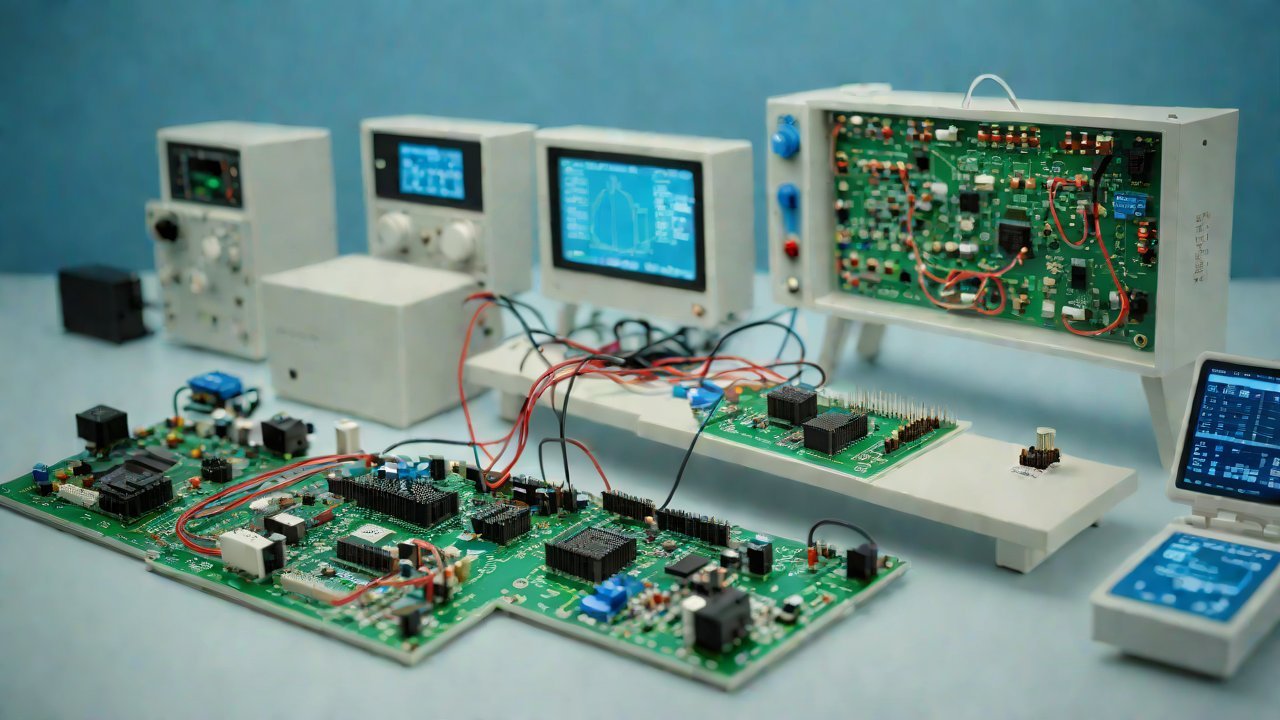
I2C’s technical advantages make it an attractive choice for IoT applications. Its simplicity and flexibility enable it to be easily integrated into various devices, while its robustness ensures reliable data transfer.
2. Market Trends and Adoption
The adoption of I2C in IoT applications has been significant, driven by its technical advantages and market demand. According to a report by MarketsandMarkets, the I2C market is expected to grow from $1.3 billion in 2020 to $3.4 billion by 2025, at a Compound Annual Growth Rate (CAGR) of 19.2%.
Market Drivers
| Driver | Description |
|---|---|
| Increasing demand for IoT devices | Growing need for connected devices in various industries |
| Advancements in microcontrollers | Improved processing power and reduced costs enable wider adoption of I2C |
| Growing focus on energy efficiency | I2C’s low power consumption makes it an attractive choice for energy-conscious applications |
The growing demand for IoT devices, advancements in microcontrollers, and increasing focus on energy efficiency are driving the adoption of I2C in IoT applications.
3. Real-World Applications
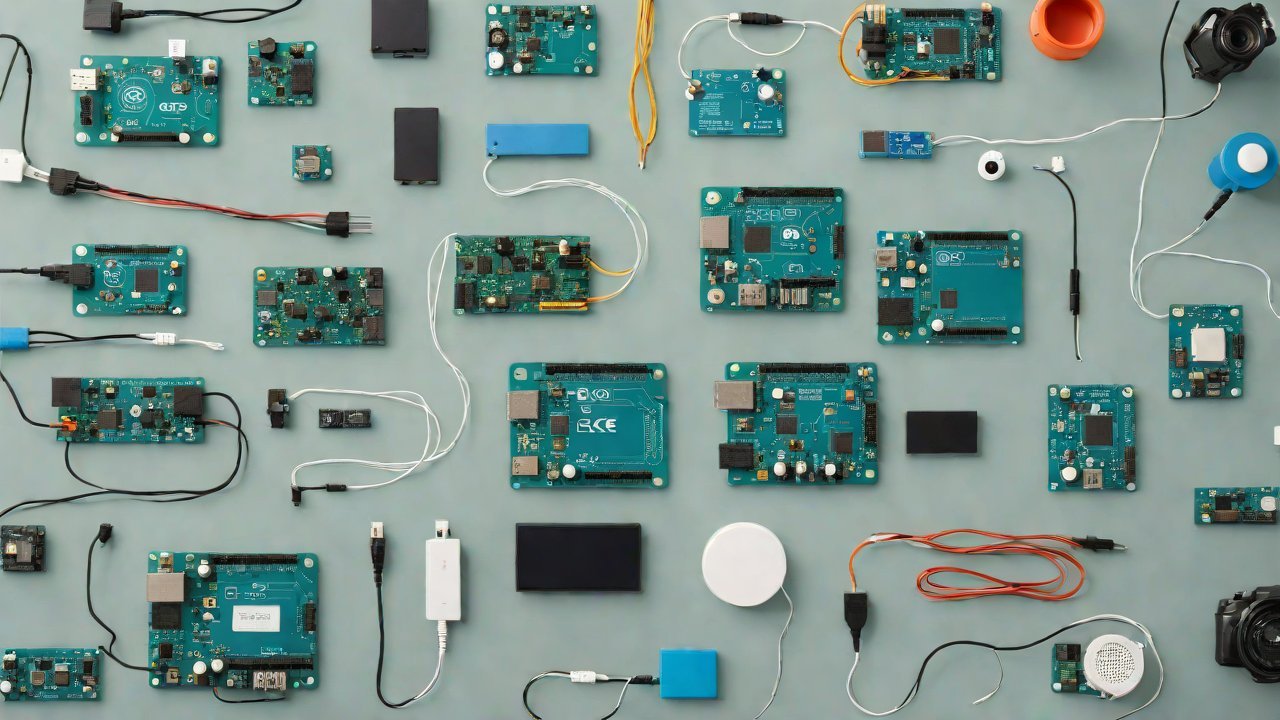
I2C is widely used in various IoT applications, including:
Smart Home Devices
| Device | Description |
|---|---|
| Thermostats | I2C enables temperature control and monitoring |
| Lighting systems | I2C controls and monitors lighting levels |
| Security cameras | I2C enables video streaming and motion detection |
Industrial Automation
| Device | Description |
|---|---|
| Sensors | I2C monitors temperature, pressure, and humidity levels |
| Actuators | I2C controls motors and valves |
| Industrial controllers | I2C enables monitoring and control of industrial processes |
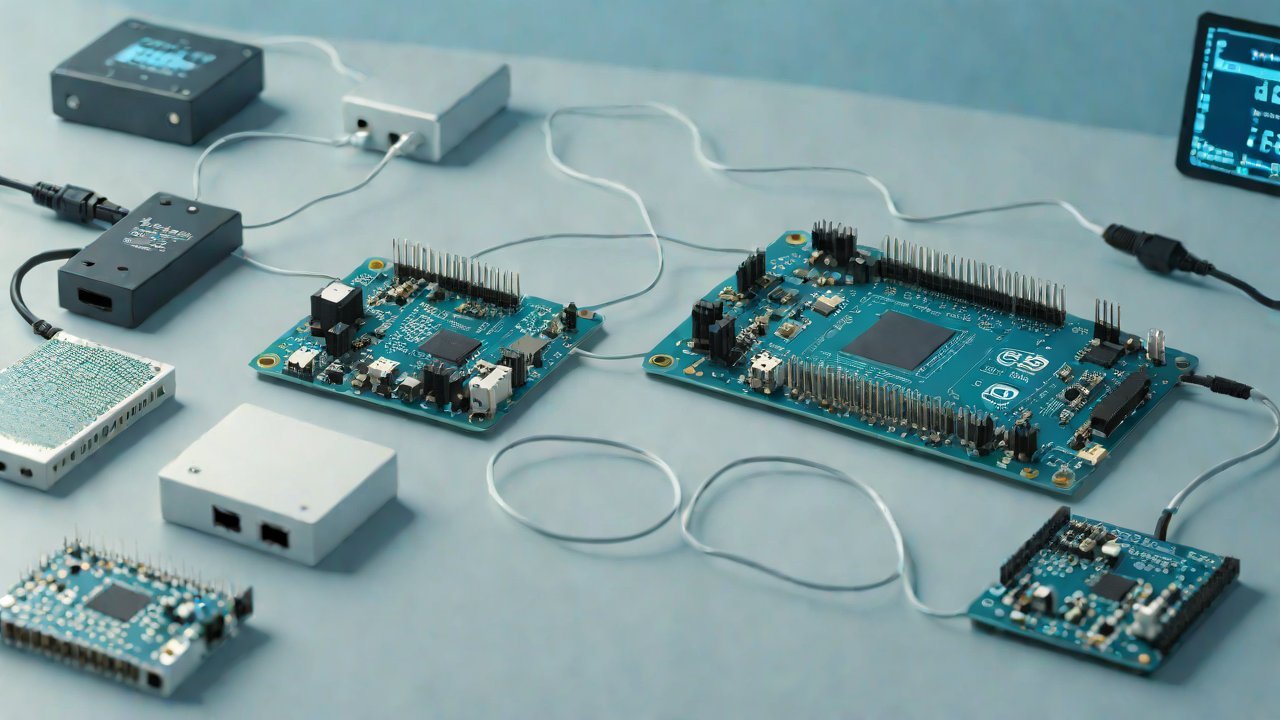
I2C’s versatility and reliability make it an ideal choice for various IoT applications, from smart home devices to industrial automation.
4. Comparison with Other Protocols
I2C is often compared with other communication protocols, such as SPI (Serial Peripheral Interface) and UART (Universal Asynchronous Receiver-Transmitter). While these protocols have their advantages, I2C remains the preferred choice for IoT applications due to its simplicity, flexibility, and robustness.
Comparison Summary
| Protocol | Description |
|---|---|
| I2C | Multi-master, synchronous, bidirectional communication |
| SPI | Master-slave, synchronous, unidirectional communication |
| UART | Asynchronous, bidirectional communication |
I2C’s unique combination of features makes it an ideal choice for IoT applications, where simplicity, flexibility, and robustness are crucial.
5. Conclusion
The I2C communication protocol has emerged as a top choice for IoT applications due to its technical advantages, market trends, and real-world applications. Its simplicity, flexibility, and robustness make it an ideal choice for various industries, from smart home devices to industrial automation. As the IoT continues to grow, the demand for efficient, reliable, and scalable communication protocols will increase, solidifying I2C’s position as a leading protocol in the IoT market.
IOT Cloud Platform
IOT Cloud Platform is an IoT portal established by a Chinese IoT company, focusing on technical solutions in the fields of agricultural IoT, industrial IoT, medical IoT, security IoT, military IoT, meteorological IoT, consumer IoT, automotive IoT, commercial IoT, infrastructure IoT, smart warehousing and logistics, smart home, smart city, smart healthcare, smart lighting, etc.
The IoT Cloud Platform blog is a top IoT technology stack, providing technical knowledge on IoT, robotics, artificial intelligence (generative artificial intelligence AIGC), edge computing, AR/VR, cloud computing, quantum computing, blockchain, smart surveillance cameras, drones, RFID tags, gateways, GPS, 3D printing, 4D printing, autonomous driving, etc.