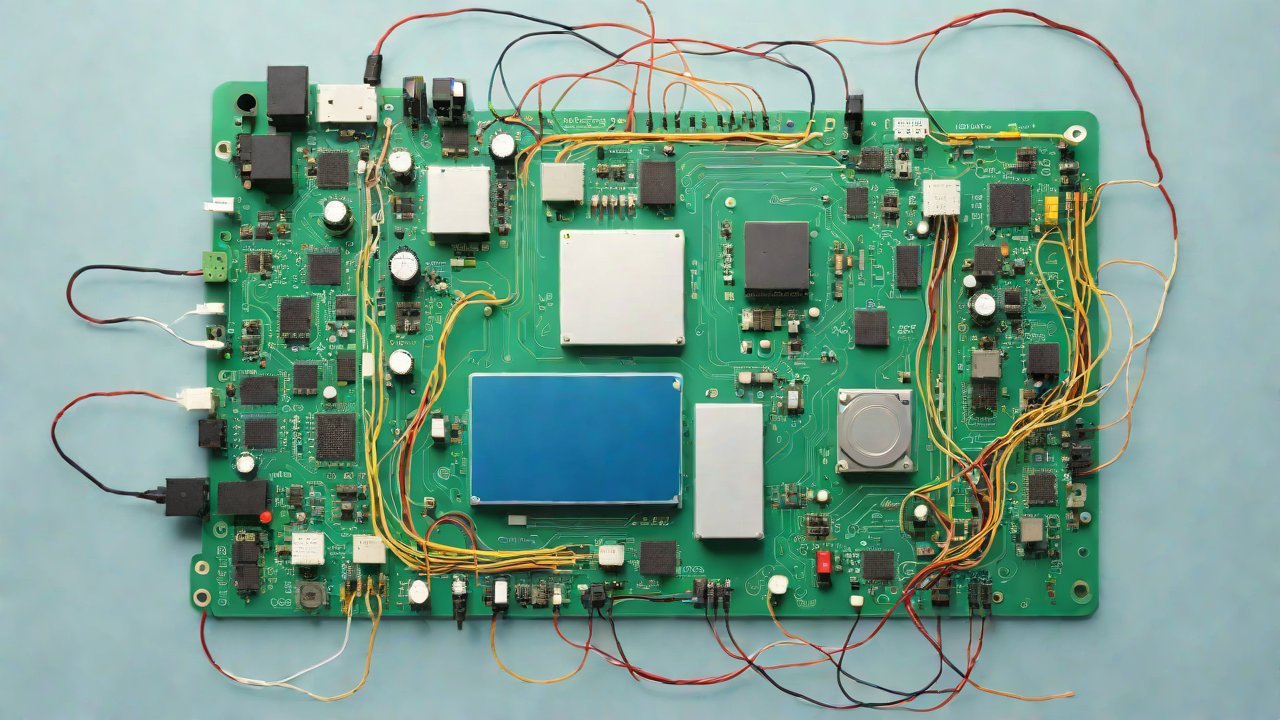
What are IoT Digital Circuits?
IoT digital circuits are the backbone of the Internet of Things (IoT) revolution, enabling the seamless integration of physical devices with the digital world. These circuits are the building blocks of modern electronics, allowing for the creation of complex systems that can collect, process, and transmit vast amounts of data. In this report, we will delve into the world of IoT digital circuits, exploring their design, functionality, and applications.
1. Fundamentals of Digital Circuits
Digital circuits are electronic circuits that operate on discrete signals, which can only take on two values: 0 and 1. These circuits are the opposite of analog circuits, which operate on continuous signals that can take on any value within a given range. Digital circuits are used to perform logical operations, arithmetic calculations, and data storage and retrieval.
IoT digital circuits are designed to interact with the physical world, collecting data from sensors, actuators, and other devices. They use a variety of digital signal processing techniques to analyze and interpret the data, making decisions based on predefined rules and algorithms.
Table 1: Digital Circuit Components
| Component | Description |
|---|---|
| Logic Gates | Perform logical operations, such as AND, OR, and NOT |
| Flip-Flops | Store digital data, allowing it to be retained between clock cycles |
| Counters | Count digital pulses, used for timing and frequency measurement |
| Multiplexers | Select one signal from multiple input signals |
2. Design and Architecture of IoT Digital Circuits
IoT digital circuits are designed to be highly efficient, reliable, and scalable. They use advanced digital signal processing techniques, such as convolutional neural networks (CNNs) and long short-term memory (LSTM) networks, to analyze and interpret the data collected from IoT devices.
The architecture of IoT digital circuits typically consists of several layers:
- Sensor Layer: Collects data from sensors, such as temperature, humidity, and motion sensors.
- Processing Layer: Analyzes and interprets the data using digital signal processing techniques.
- Communication Layer: Transmits the processed data to the cloud or other devices.
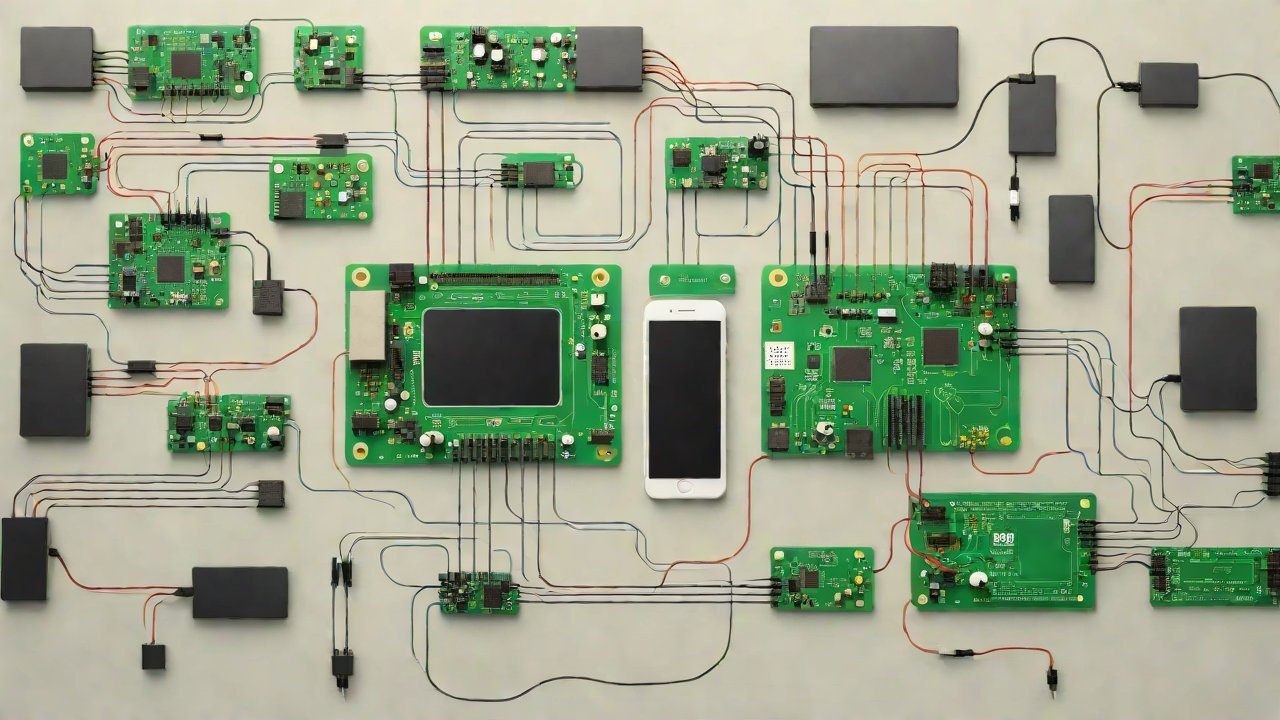
Table 2: IoT Digital Circuit Architecture
| Layer | Description |
|---|---|
| Sensor Layer | Collects data from sensors |
| Processing Layer | Analyzes and interprets data using digital signal processing techniques |
| Communication Layer | Transmits processed data to the cloud or other devices |
3. Applications of IoT Digital Circuits
IoT digital circuits have a wide range of applications across various industries, including:
- Smart Homes: Control and monitor lighting, temperature, and security systems.
- Industrial Automation: Monitor and control manufacturing processes, improving efficiency and productivity.
- Healthcare: Monitor patient vital signs, track medical history, and provide personalized treatment plans.
- Transportation: Monitor traffic patterns, optimize routes, and improve safety.
Table 3: IoT Digital Circuit Applications
| Industry | Application |
|---|---|
| Smart Homes | Control and monitor lighting, temperature, and security systems |
| Industrial Automation | Monitor and control manufacturing processes |
| Healthcare | Monitor patient vital signs, track medical history |
| Transportation | Monitor traffic patterns, optimize routes |

4. Market Trends and Forecasts
The IoT digital circuit market is expected to grow rapidly, driven by the increasing demand for connected devices and the need for efficient data processing and analysis. According to a report by MarketsandMarkets, the global IoT digital circuit market is expected to reach $12.3 billion by 2025, growing at a CAGR of 23.4%.
Table 4: IoT Digital Circuit Market Trends and Forecasts
| Year | Market Size (USD billion) | CAGR |
|---|---|---|
| 2020 | 2.5 | |
| 2025 | 12.3 | 23.4% |
5. Challenges and Opportunities
While IoT digital circuits have the potential to transform various industries, they also face several challenges, including:
- Security Risks: IoT devices are vulnerable to cyber attacks, which can compromise data security and confidentiality.
- Interoperability: IoT devices from different manufacturers may not be compatible, making it difficult to integrate them into a single system.
- Power Consumption: IoT devices often require low power consumption to extend battery life and reduce energy costs.
However, these challenges also present opportunities for innovation and growth, as companies and researchers work to develop new technologies and solutions to address these challenges.
Table 5: IoT Digital Circuit Challenges and Opportunities
| Challenge | Opportunity |
|---|---|
| Security Risks | Develop secure communication protocols and encryption methods |
| Interoperability | Develop standards and protocols for device communication |
| Power Consumption | Develop low-power consumption technologies and energy harvesting systems |
6. Conclusion
IoT digital circuits are the foundation of the IoT revolution, enabling the creation of complex systems that can collect, process, and transmit vast amounts of data. As the IoT market continues to grow, the demand for efficient and secure IoT digital circuits will increase, driving innovation and growth in the industry.
IOT Cloud Platform
IOT Cloud Platform is an IoT portal established by a Chinese IoT company, focusing on technical solutions in the fields of agricultural IoT, industrial IoT, medical IoT, security IoT, military IoT, meteorological IoT, consumer IoT, automotive IoT, commercial IoT, infrastructure IoT, smart warehousing and logistics, smart home, smart city, smart healthcare, smart lighting, etc.
The IoT Cloud Platform blog is a top IoT technology stack, providing technical knowledge on IoT, robotics, artificial intelligence (generative artificial intelligence AIGC), edge computing, AR/VR, cloud computing, quantum computing, blockchain, smart surveillance cameras, drones, RFID tags, gateways, GPS, 3D printing, 4D printing, autonomous driving, etc.