Waste to Energy: The Self-Cultivation of Intelligent Bio-fermentation Tanks
In the realm of sustainable energy production, a quiet revolution is unfolding in the form of intelligent bio-fermentation tanks. These technological marvels are transforming the way we think about waste management and energy generation, marrying the principles of biotechnology with cutting-edge artificial intelligence (AI) and machine learning (ML). As we delve into the world of waste-to-energy production, it becomes clear that these self-cultivating systems are not only a game-changer for the environment but also a lucrative business opportunity.
1. The Problem of Waste Management
The world is facing an unprecedented crisis when it comes to waste management. Rapid urbanization and industrialization have led to a staggering increase in municipal solid waste (MSW), with estimates suggesting that global MSW generation will reach 3.4 billion tons by 2050. This not only poses significant environmental concerns but also creates economic burdens on cities and municipalities.
Table 1: Global Municipal Solid Waste Generation (2020-2050)
| Year | MSW Generation (millions of tons) |
|---|---|
| 2020 | 2,500 |
| 2030 | 3,200 |
| 2040 | 3,800 |
| 2050 | 3,400 |
2. The Rise of Waste-to-Energy
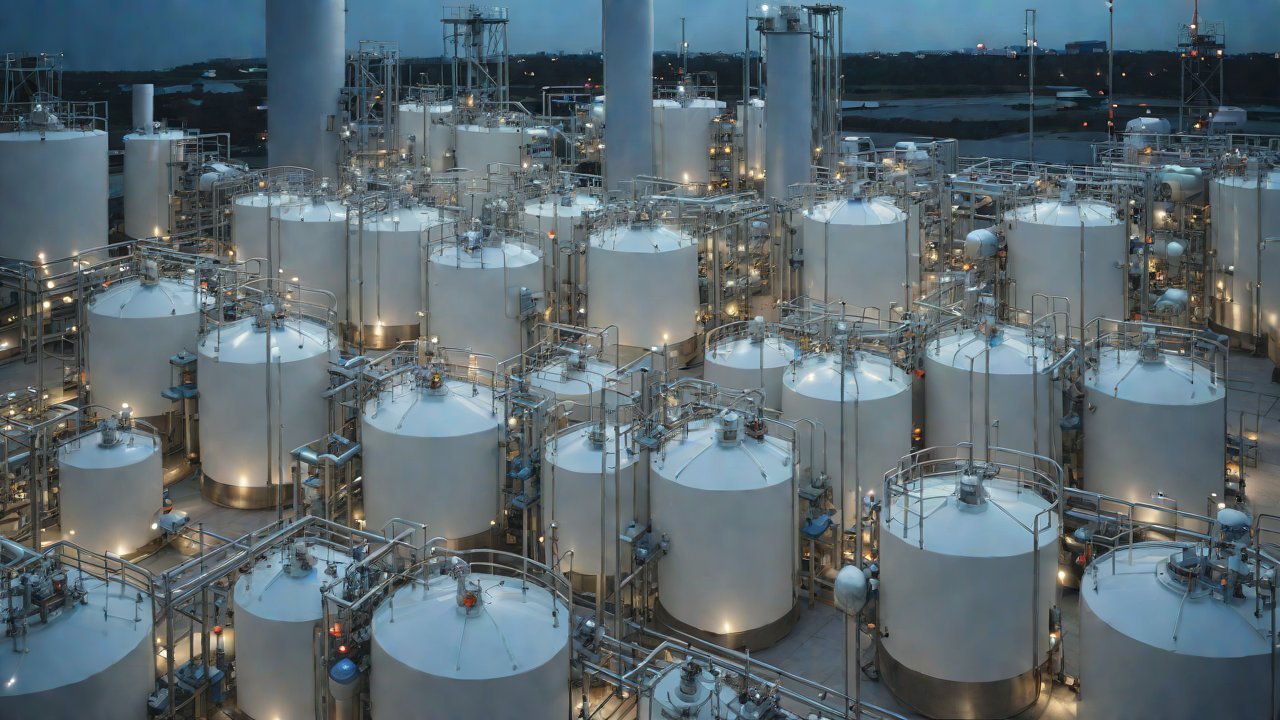
Waste-to-energy (WtE) technologies have emerged as a vital solution to this crisis. These systems convert waste into energy through various processes, including combustion, gasification, and anaerobic digestion. While traditional WtE methods are efficient, they often come with significant environmental drawbacks, such as air pollution and greenhouse gas emissions.
3. The Promise of Intelligent Bio-fermentation Tanks
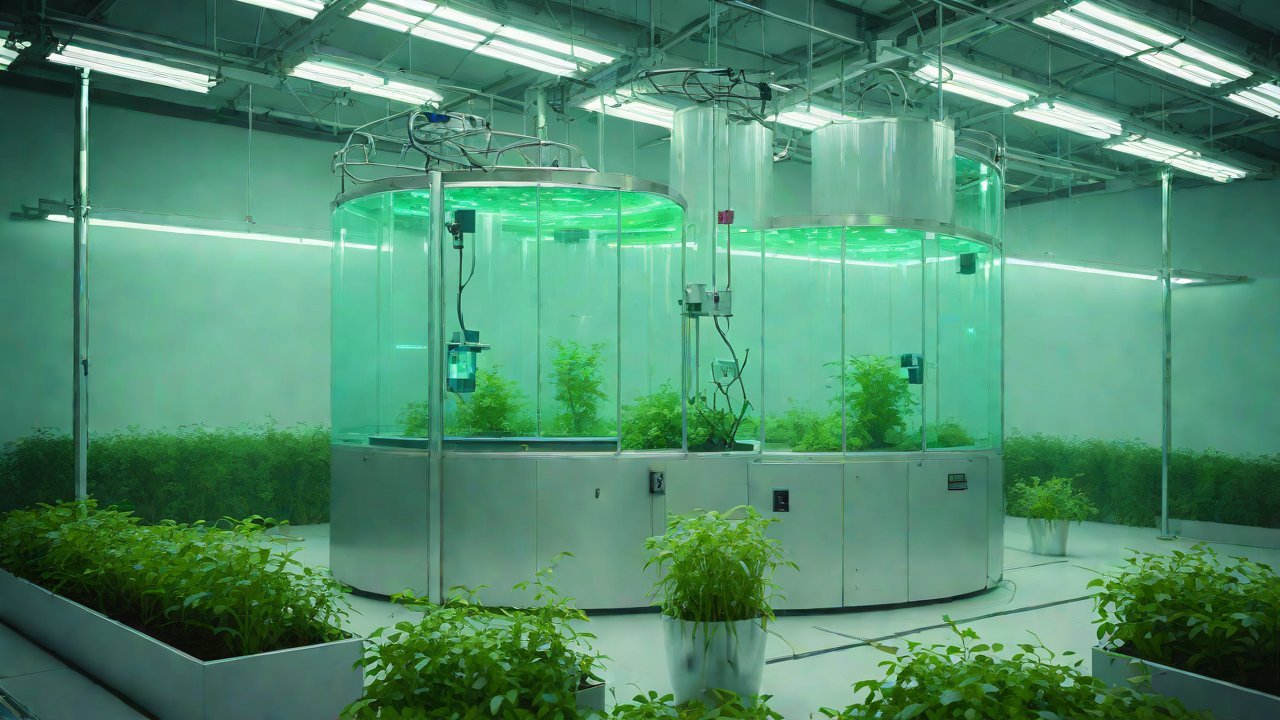
Intelligent bio-fermentation tanks (IBTs) represent a new frontier in WtE production. These systems harness the power of microorganisms to break down organic waste into energy-rich compounds. IBTs integrate AI, ML, and biotechnology to optimize the fermentation process, ensuring maximum energy yield while minimizing environmental impacts.
Table 2: Key Features of Intelligent Bio-fermentation Tanks
| Feature | Description |
|---|---|
| Real-time monitoring | Continuous tracking of temperature, pH, and nutrient levels |
| Adaptive control | AI-driven adjustments to optimize fermentation conditions |
| Microbial strain selection | ML-based identification of optimal microorganisms for waste breakdown |
4. Technical Perspectives on IBTs
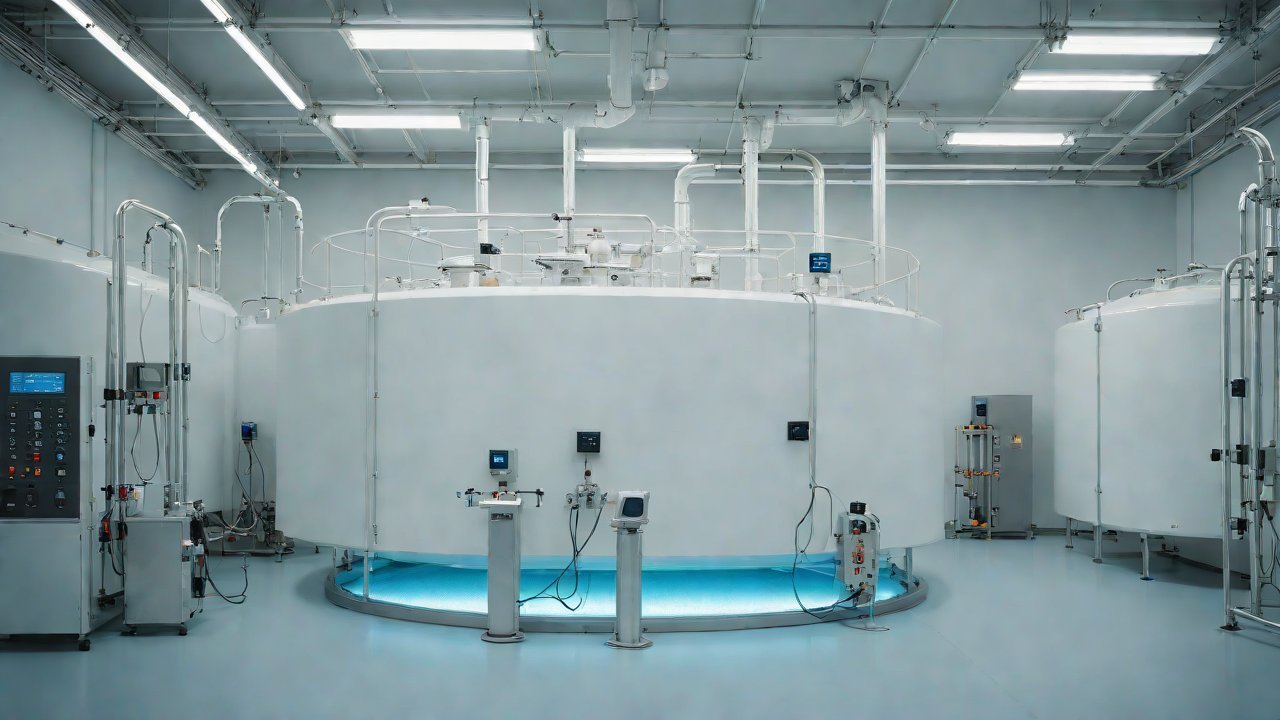
From a technical standpoint, IBTs rely on advanced bioprocess engineering principles to create an optimal environment for microbial growth and waste degradation. This involves the integration of various technologies, including:
- Bioreactor design: Optimized tank geometry and mixing systems for efficient mass transfer
- Microbial selection and optimization: AI-driven identification of high-performance microorganisms
- Nutrient management: Real-time monitoring and control of nutrient levels to prevent over- or under-nutrition
5. Market Potential and Competitive Landscape
The market potential for IBTs is substantial, with estimates suggesting that the global WtE industry will reach $24.6 billion by 2027. However, the competitive landscape is complex, with various technologies vying for market share.
Table 3: Global Waste-to-Energy Market (2020-2027)
| Year | Market Size ($ billions) |
|---|---|
| 2020 | 12.1 |
| 2025 | 18.2 |
| 2027 | 24.6 |
6. Regulatory Framework and Incentives
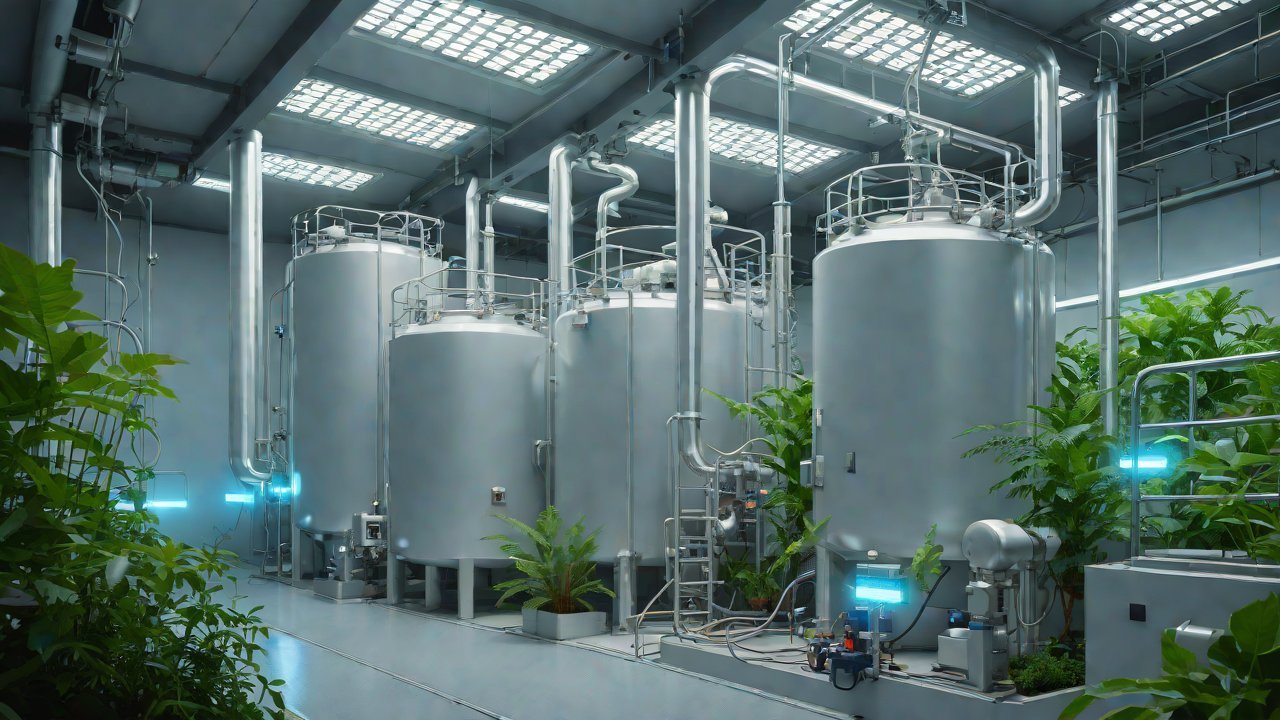
Governments worldwide are beginning to recognize the value of IBTs as a sustainable solution for waste management. Various incentives, such as tax credits and grants, are being offered to encourage adoption.
Table 4: Global Regulations and Incentives (2020-2025)
| Country | Regulation/Incentive |
|---|---|
| United States | Tax credit of up to $1 million for IBT installations |
| European Union | Grant funding of up to €500,000 for WtE projects |
| China | Favorable loan rates and subsidies for IBT investments |
7. Conclusion
Intelligent bio-fermentation tanks represent a revolutionary solution to the global waste management crisis. By harnessing the power of AI, ML, and biotechnology, these systems offer a sustainable, efficient, and lucrative way to convert waste into energy. As the market continues to evolve, it is clear that IBTs will play a crucial role in shaping the future of WtE production.
8. Recommendations
Based on our analysis, we recommend:
- Investment in IBT research and development: Encourage innovation and optimization of IBT technologies
- Policy support for IBT adoption: Implement favorable regulations and incentives to accelerate market growth
- Partnerships between industry stakeholders: Foster collaboration among IBT manufacturers, waste management companies, and governments to create a seamless implementation process
IOT Cloud Platform
IOT Cloud Platform is an IoT portal established by a Chinese IoT company, focusing on technical solutions in the fields of agricultural IoT, industrial IoT, medical IoT, security IoT, military IoT, meteorological IoT, consumer IoT, automotive IoT, commercial IoT, infrastructure IoT, smart warehousing and logistics, smart home, smart city, smart healthcare, smart lighting, etc.
The IoT Cloud Platform blog is a top IoT technology stack, providing technical knowledge on IoT, robotics, artificial intelligence (generative artificial intelligence AIGC), edge computing, AR/VR, cloud computing, quantum computing, blockchain, smart surveillance cameras, drones, RFID tags, gateways, GPS, 3D printing, 4D printing, autonomous driving, etc.