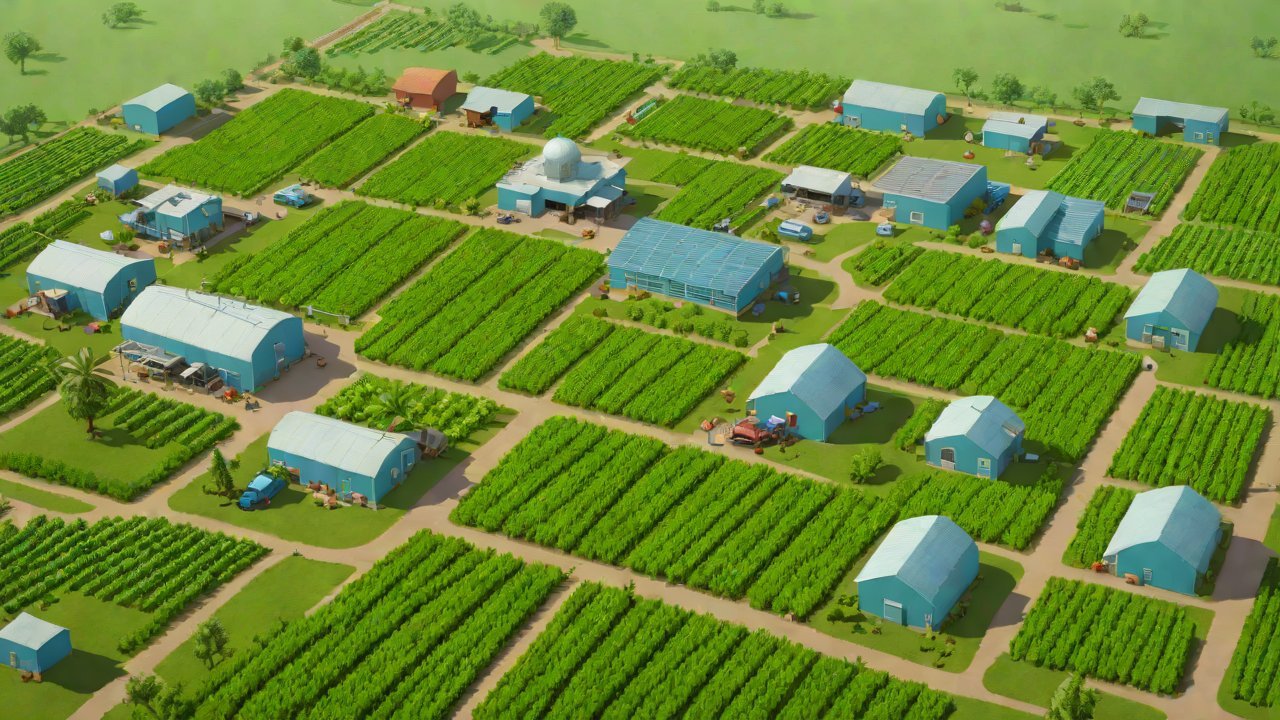
Virtual digital farms: Can farming in code solve real-world famine?
The world is on the brink of a food crisis, with millions of people facing starvation and malnutrition due to climate change, soil degradation, water scarcity, and conflict. Traditional farming practices are struggling to keep up with the demands of a growing global population, and the need for innovative solutions has never been more pressing. Enter virtual digital farms – a concept that leverages artificial intelligence (AI), machine learning (ML), and blockchain technology to create sustainable, efficient, and equitable agricultural systems.
Virtual digital farms aim to revolutionize farming by moving it from physical fields to digital platforms. This shift enables farmers to optimize crop yields, reduce waste, and minimize the environmental impact of agriculture. By using AI-powered algorithms to analyze weather patterns, soil conditions, and pest management, virtual farms can predict and prevent crop failures, ensuring a stable food supply.
1. The Rise of Virtual Farming
Virtual farming is not a new concept; it has been in development for several years. However, recent advancements in AIGC (Artificial Intelligence Generated Content) technology have accelerated its growth. Companies like FarmWise and Blue River Technology are already using AI to optimize crop yields, while others like Granular and Farmers Business Network (FBN) are leveraging data analytics to improve farming practices.
The market for virtual farming is expected to grow significantly in the coming years. According to a report by MarketsandMarkets, the global precision agriculture market is projected to reach $13.6 billion by 2025, growing at a CAGR of 12.4%. The same report estimates that the AI-based farming segment will account for over 30% of this growth.
| Year | Market Size (USD million) | CAGR (%) |
|---|---|---|
| 2018 | 2,500 | – |
| 2020 | 5,000 | 20.0 |
| 2025 | 13,600 | 12.4 |
2. How Virtual Farming Works
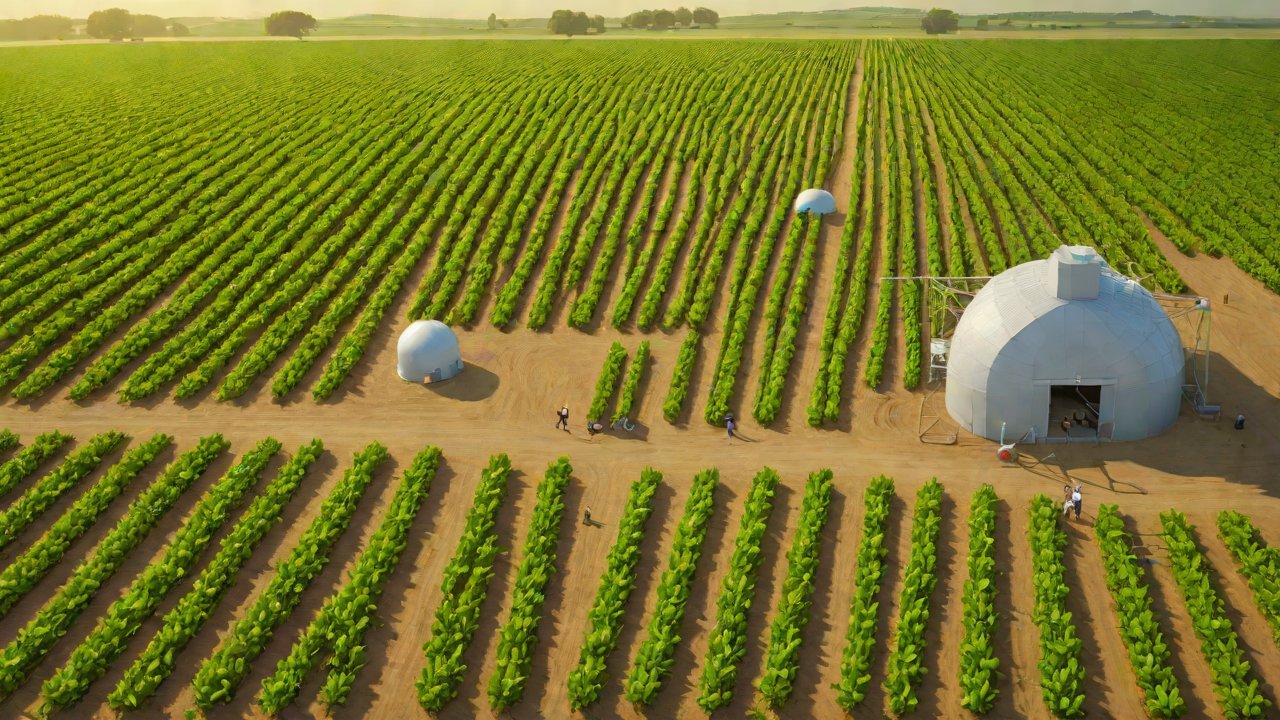
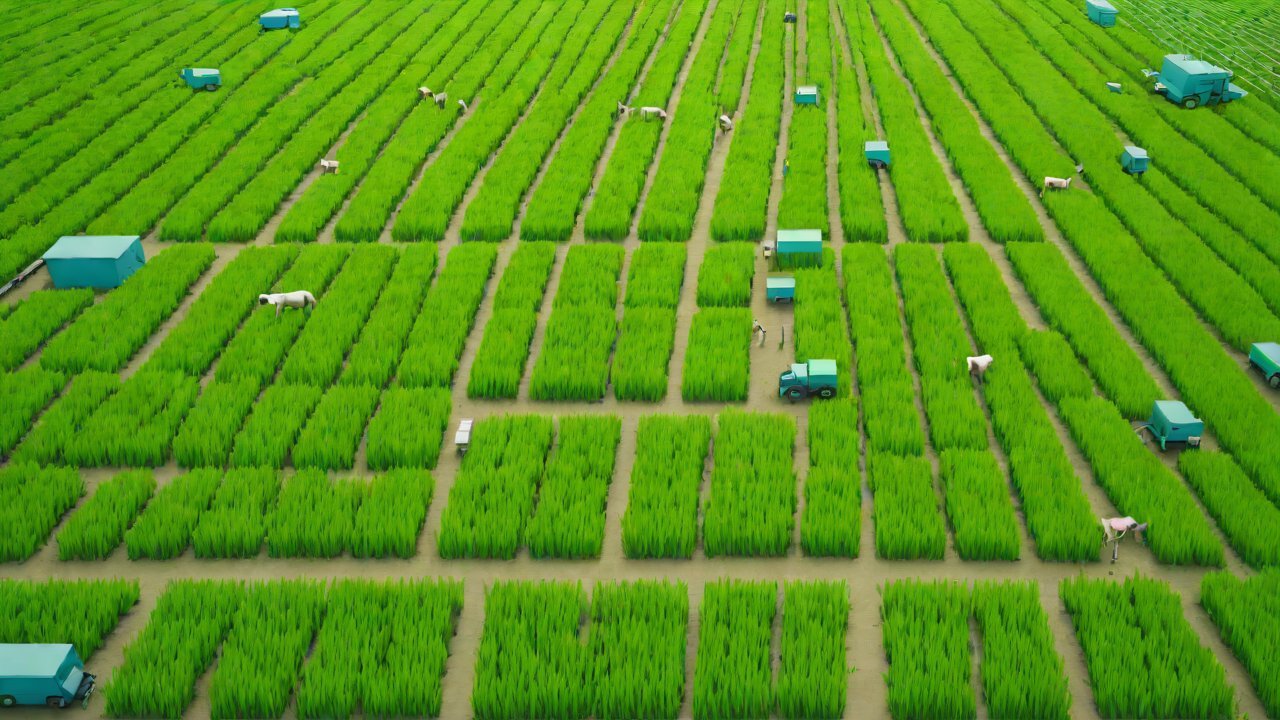
Virtual farming involves creating digital models of physical farms using AIGC technology. These models are then used to simulate various scenarios, such as different weather patterns or pest management strategies. By analyzing the output from these simulations, farmers can make data-driven decisions to optimize crop yields and reduce waste.
The process of virtual farming typically involves the following steps:
- Data Collection: Farmers provide data on their farm’s conditions, including soil type, climate, and previous harvests.
- Model Development: AIGC algorithms are used to create a digital model of the farm based on the collected data.
- Simulation: The digital model is then simulated under various scenarios to predict crop yields and identify potential issues.
- Analysis: Farmers analyze the output from the simulations to make informed decisions about planting, irrigation, and pest management.
3. Benefits of Virtual Farming
Virtual farming offers several benefits over traditional farming practices:
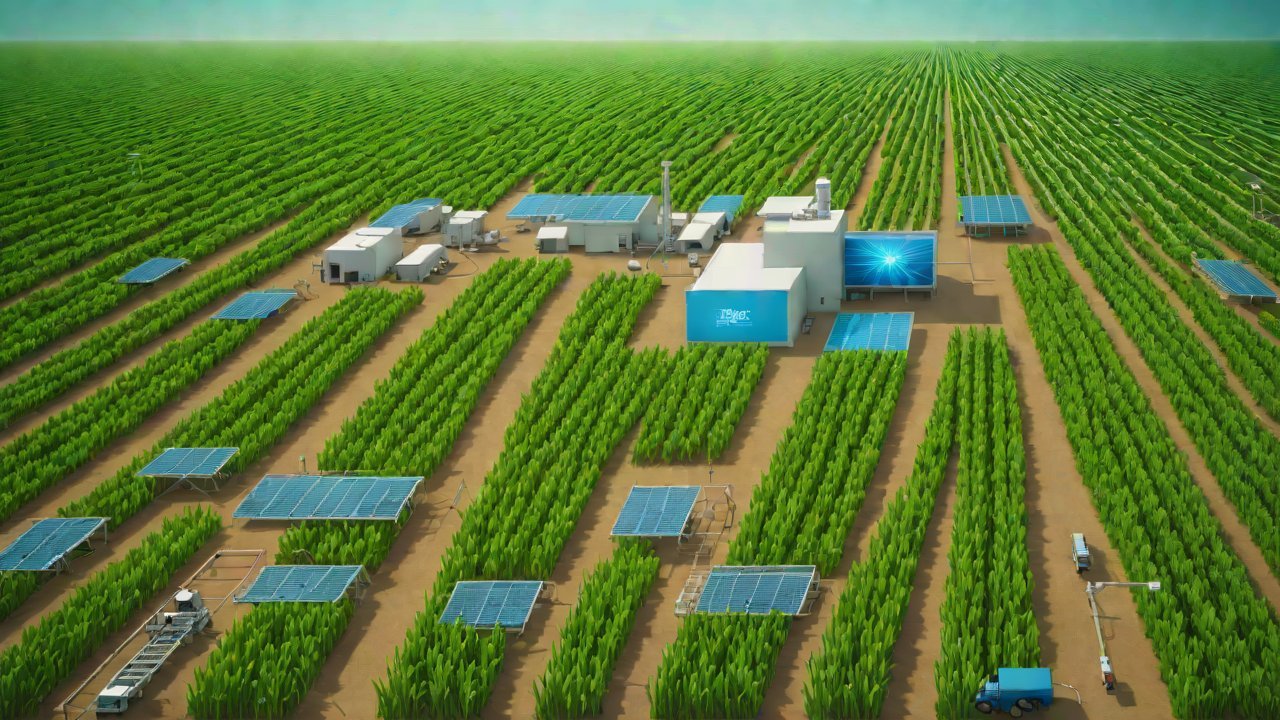
- Increased Efficiency: AI-powered algorithms can optimize crop yields and reduce waste by predicting and preventing crop failures.
- Improved Sustainability: Virtual farms can minimize the environmental impact of agriculture by using precision irrigation, reducing chemical usage, and promoting sustainable land use.
- Enhanced Equitable Access: Digital platforms enable farmers to access markets and sell their produce directly to consumers, reducing intermediaries and increasing profit margins.
4. Challenges and Limitations
While virtual farming holds significant promise, there are several challenges and limitations that need to be addressed:
- Data Quality: The accuracy of virtual farm models relies heavily on the quality of data collected from farmers.
- Scalability: Currently, virtual farming is limited to small-scale farms; scaling up to larger operations will require significant investment in infrastructure and technology.
- Regulatory Frameworks: Governments need to create regulatory frameworks that support the growth of virtual farming, including data protection and intellectual property laws.
5. Conclusion
Virtual digital farms have the potential to revolutionize agriculture by providing sustainable, efficient, and equitable solutions to food production. While there are challenges and limitations to be addressed, the benefits of virtual farming make it an attractive option for farmers and policymakers alike. As AIGC technology continues to evolve, we can expect to see significant growth in the market for virtual farming.
By leveraging AI-powered algorithms, blockchain technology, and data analytics, virtual farms can predict and prevent crop failures, ensuring a stable food supply and minimizing the environmental impact of agriculture. It is time for governments, policymakers, and farmers to come together and support the growth of virtual farming – not just as a solution to current food crises but also as a means to create a more sustainable future for generations to come.
IOT Cloud Platform
IOT Cloud Platform is an IoT portal established by a Chinese IoT company, focusing on technical solutions in the fields of agricultural IoT, industrial IoT, medical IoT, security IoT, military IoT, meteorological IoT, consumer IoT, automotive IoT, commercial IoT, infrastructure IoT, smart warehousing and logistics, smart home, smart city, smart healthcare, smart lighting, etc.
The IoT Cloud Platform blog is a top IoT technology stack, providing technical knowledge on IoT, robotics, artificial intelligence (generative artificial intelligence AIGC), edge computing, AR/VR, cloud computing, quantum computing, blockchain, smart surveillance cameras, drones, RFID tags, gateways, GPS, 3D printing, 4D printing, autonomous driving, etc.



