V2G (Electric Vehicles Discharging Power to the Grid) in 2026 IoT Two-Way Dispatch Solution
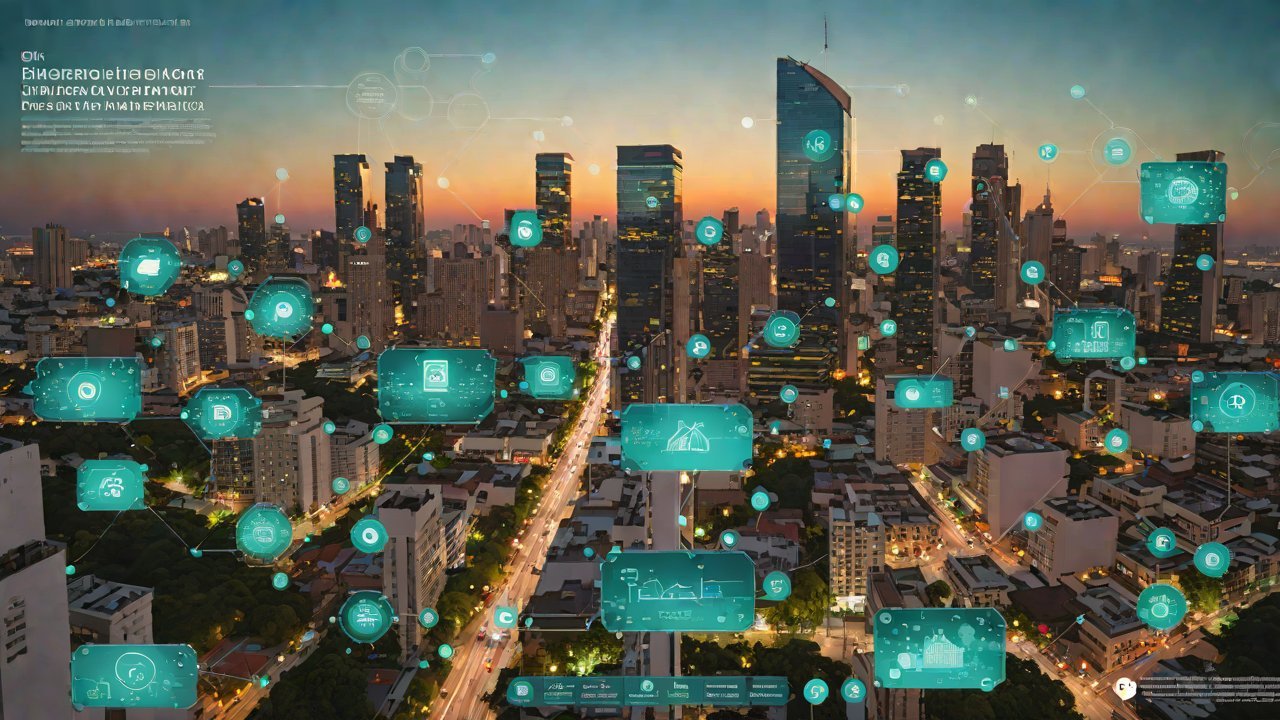
As we stand at the cusp of a new era in transportation and energy management, the convergence of Electric Vehicles (EVs), Internet of Things (IoT), and advanced grid management technologies is poised to revolutionize the way we think about power distribution and consumption. At the heart of this transformation lies Vehicle-to-Grid (V2G) technology, which enables EVs to not only draw energy from the grid but also supply power back into it when needed. By 2026, V2G will become an integral component of a sophisticated IoT two-way dispatch solution, integrating seamlessly with smart grids and renewable energy sources to create a more efficient, sustainable, and resilient energy ecosystem.
1. Market Overview
The EV market has been growing rapidly over the past decade, driven by declining battery costs, increasing government incentives, and consumer demand for eco-friendly transportation options. As of 2022, there are over 20 million EVs on the road worldwide, with this number projected to reach 50 million by 2030 (Source: International Energy Agency). However, the widespread adoption of EVs has also raised concerns about grid capacity, infrastructure, and energy storage.
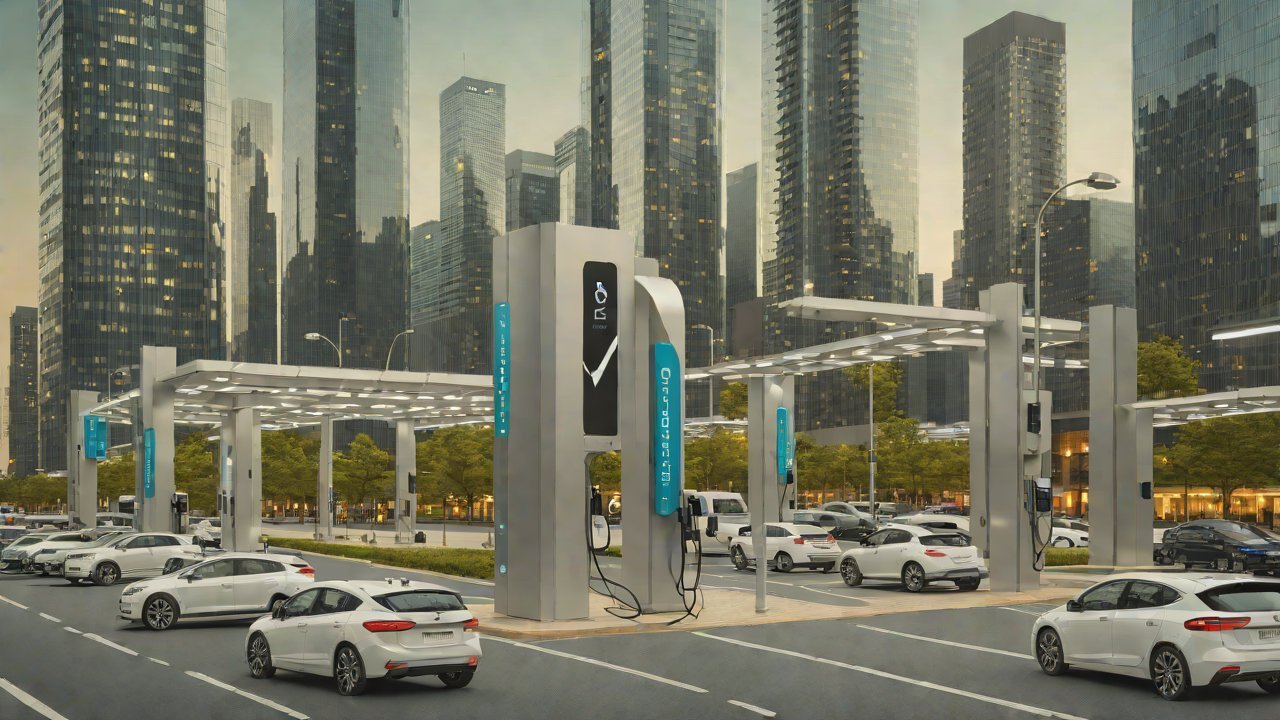
V2G technology addresses these challenges by allowing EVs to act as mobile energy storage devices, providing a buffer against peak demand, frequency regulation, and renewable energy intermittency. This bidirectional power flow enables utilities to optimize their grids, reduce strain on traditional generation sources, and promote the integration of renewable energy.
2. V2G Technology
V2G technology involves the use of bi-directional charging systems that enable EVs to supply power back into the grid when not in use. This process typically involves the following steps:
- Vehicle-to-Grid (V2G) communication protocols: These protocols allow EVs to communicate with the grid and receive commands from utilities regarding power output.
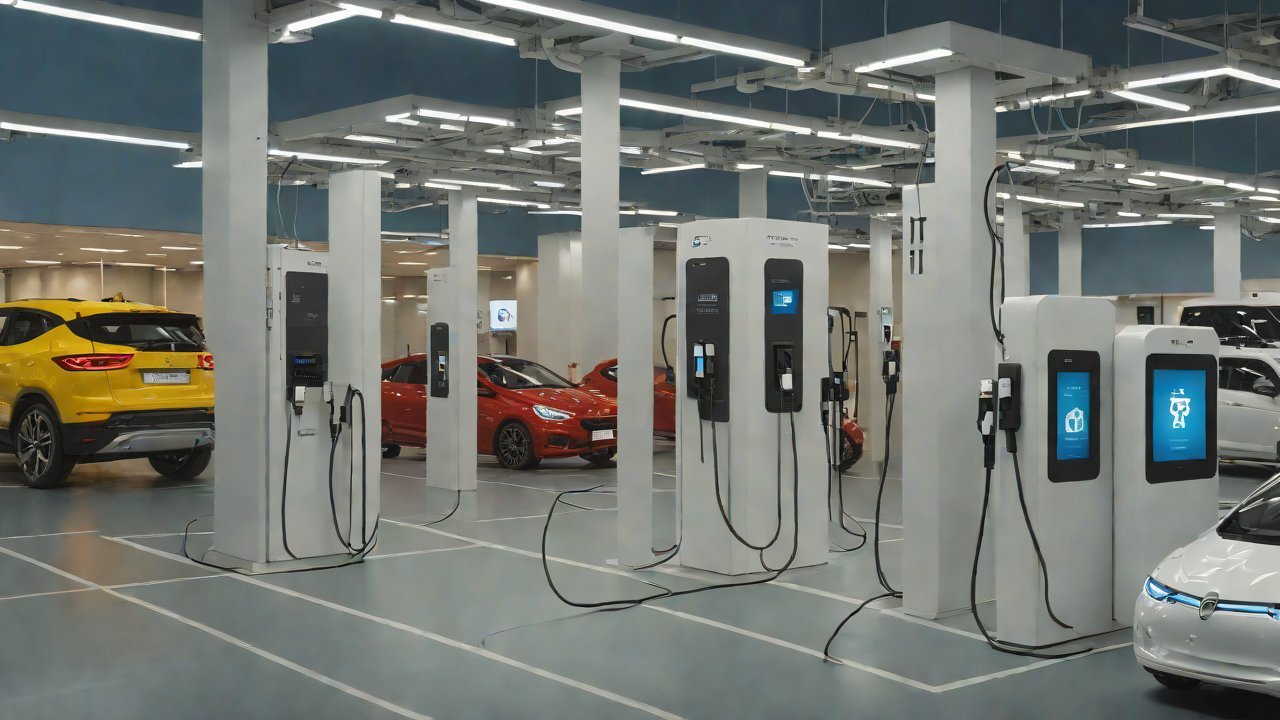
- Bi-directional charging systems: These systems enable EVs to draw energy from the grid when needed and supply power back into it when available.
- Energy management systems: These systems monitor and control the flow of energy between the EV, grid, and other sources.
3. IoT Two-Way Dispatch Solution
The IoT two-way dispatch solution is a key enabler of V2G technology, allowing for real-time communication and coordination between EVs, utilities, and renewable energy sources. This solution typically involves the following components:
- IoT sensors: These sensors monitor grid conditions, weather patterns, and other relevant factors to optimize V2G operations.
- Data analytics platforms: These platforms process and analyze data from various sources to predict energy demand, identify opportunities for V2G, and adjust dispatch accordingly.
- Cloud-based management systems: These systems integrate with the IoT infrastructure to manage V2G operations, track energy flow, and provide real-time insights.
4. Benefits of V2G in 2026
By 2026, V2G technology is expected to become a critical component of smart grids worldwide, offering numerous benefits for utilities, EV owners, and the environment. Some of these benefits include:
| Benefits | Description |
|---|---|
| Improved grid resilience | V2G helps stabilize the grid by providing a buffer against peak demand and frequency fluctuations. |
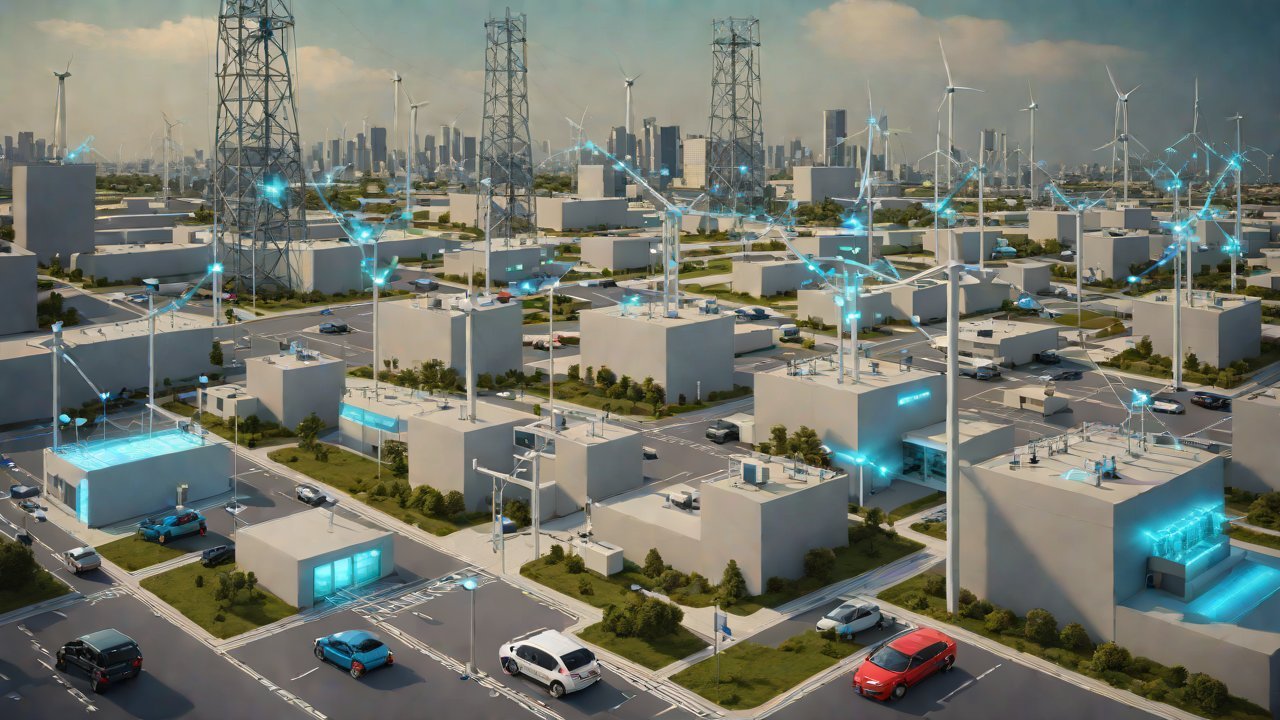
| Enhanced renewable energy integration | V2G enables utilities to optimize their grids for renewable energy sources, promoting a more sustainable energy mix. |
| Increased EV adoption | V2G technology addresses range anxiety concerns, making EVs more attractive to consumers. |
5. Challenges and Limitations
Despite its promising benefits, V2G technology still faces several challenges and limitations that must be addressed in the coming years. Some of these challenges include:
- High upfront costs: Bi-directional charging systems and IoT infrastructure can be expensive to install.
- Technical standards and regulations: Standardization of V2G communication protocols and grid interface requirements is ongoing, but progress is slow.
- Public acceptance and education: Consumers must understand the benefits and limitations of V2G technology to adopt it widely.
6. Conclusion
As we move towards a more sustainable energy future, V2G technology will play an increasingly important role in optimizing smart grids and promoting renewable energy integration. By 2026, IoT two-way dispatch solutions will have become integral components of this ecosystem, enabling utilities to manage energy distribution with greater precision and efficiency.
However, the widespread adoption of V2G technology depends on addressing the challenges and limitations outlined above. As the industry continues to evolve, it is essential that stakeholders prioritize standardization, education, and public engagement to unlock the full potential of V2G in creating a more resilient and sustainable energy ecosystem.
IOT Cloud Platform
IOT Cloud Platform is an IoT portal established by a Chinese IoT company, focusing on technical solutions in the fields of agricultural IoT, industrial IoT, medical IoT, security IoT, military IoT, meteorological IoT, consumer IoT, automotive IoT, commercial IoT, infrastructure IoT, smart warehousing and logistics, smart home, smart city, smart healthcare, smart lighting, etc.
The IoT Cloud Platform blog is a top IoT technology stack, providing technical knowledge on IoT, robotics, artificial intelligence (generative artificial intelligence AIGC), edge computing, AR/VR, cloud computing, quantum computing, blockchain, smart surveillance cameras, drones, RFID tags, gateways, GPS, 3D printing, 4D printing, autonomous driving, etc.