Urban Flood Warning (2026): IoT Integration Solution for Rainfall and Water Level Sensing
As urban populations continue to swell, so too does the threat of flooding in cities worldwide. The consequences are dire: loss of life, property damage, economic disruption, and strain on already overburdened emergency services. In 2026, a paradigm shift is underway – one that harnesses the power of IoT integration to revolutionize urban flood warning systems.
At the forefront of this transformation lies the convergence of rainfall and water level sensing technologies with cutting-edge IoT capabilities. The result is an intelligent, adaptive, and predictive system capable of mitigating the impact of floods in real-time. This report delves into the intricacies of this emerging solution, examining its components, benefits, and market potential.
1. Current Challenges and Limitations
Flood warning systems currently in place often rely on traditional methods such as manual monitoring or basic sensors that fail to capture the nuances of urban flooding. These systems are hampered by:
- Scalability: Existing solutions are typically designed for smaller areas, making them ineffective for large metropolitan regions.
- Accuracy: Manual monitoring and outdated sensor technologies lead to inaccuracies in rainfall and water level data collection.
- Timeliness: The delay between sensing and warning dissemination can be substantial, often leaving little time for evacuations or mitigating measures.
2. IoT Integration: A Game-Changer
The integration of IoT technologies is poised to transform urban flood warning systems by offering:
- Real-time Data: Advanced sensors capable of collecting precise rainfall and water level data in real-time.
- Scalability and Flexibility: IoT’s ability to seamlessly integrate with existing infrastructure and adapt to changing environmental conditions.
- Predictive Analytics: Machine learning algorithms that analyze historical data, weather forecasts, and sensor readings to predict flooding risks.
IoT Sensor Capabilities:
| Sensor Type | Description |
|---|---|
| Rain Gauges | Measures rainfall intensity in real-time |
| Water Level Sensors | Tracks water level changes with high accuracy |
| Weather Stations | Provides current and forecasted weather conditions |

3. Key Components of the IoT Integration Solution
The solution consists of:
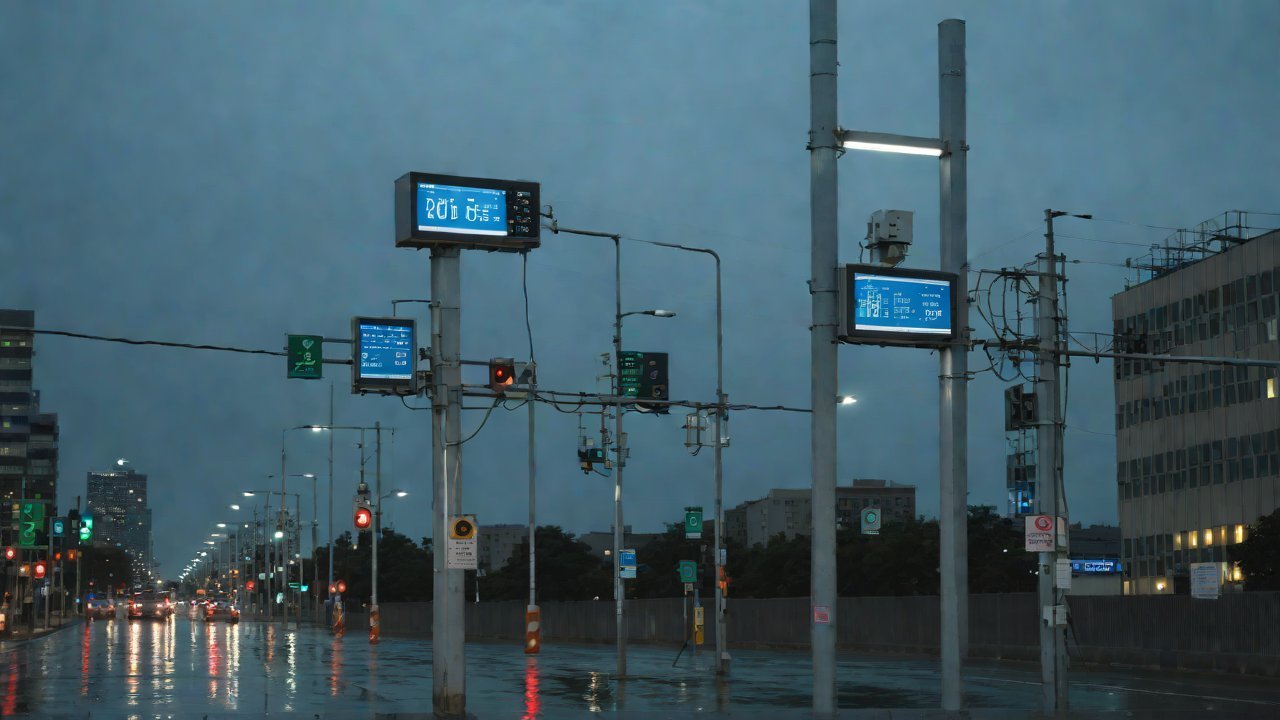
- Advanced Sensor Network: A mesh of rain gauges, water level sensors, and weather stations that feed real-time data into the system.
- Data Analytics Platform: Utilizes machine learning algorithms to analyze sensor data, providing predictive insights on flooding risks.
- IoT Communication Infrastructure: Ensures seamless transmission of data between sensors, analytics platforms, and emergency services.
- User Interface and Alert System: A user-friendly interface for monitoring conditions and receiving timely alerts.

4. Market Potential and Future Outlook
The market for urban flood warning systems is expected to experience significant growth due to increasing awareness about the importance of disaster resilience. Key drivers include:
- Government Initiatives: Municipal governments investing in IoT-based solutions to enhance public safety.
- Private Sector Engagement: Companies recognizing the need to integrate smart technologies into their operations and infrastructure.
Market Projections:
| Year | Estimated Market Size (USD) |
|---|---|
| 2023 | 1.5 billion |
| 2026 | 4.2 billion |
| 2030 | 10.8 billion |
5. Implementation Strategies and Roadmap
Successful implementation of the IoT integration solution requires:
- Collaboration: Multistakeholder engagement among government agencies, private sector entities, and research institutions.
- Infrastructure Development: Upgrading existing infrastructure to support seamless data transmission and analytics processing.
- Training and Capacity Building: Educating emergency responders and stakeholders on the effective use of the system.
6. Conclusion
The urban flood warning solution presented here is poised to revolutionize the way cities prepare for and respond to flooding events. By harnessing the power of IoT integration, we can create more resilient communities that minimize loss of life and property damage. As technology continues to evolve, it’s essential to stay ahead of the curve and invest in cutting-edge solutions like this one.
Recommendations:
- Invest in R&D: Continuously update and enhance the solution with new technologies.
- Expand Implementation: Scale up deployments across multiple cities worldwide.
- Foster Collaboration: Encourage partnerships between governments, private sector entities, and research institutions to share knowledge and best practices.
IOT Cloud Platform
IOT Cloud Platform is an IoT portal established by a Chinese IoT company, focusing on technical solutions in the fields of agricultural IoT, industrial IoT, medical IoT, security IoT, military IoT, meteorological IoT, consumer IoT, automotive IoT, commercial IoT, infrastructure IoT, smart warehousing and logistics, smart home, smart city, smart healthcare, smart lighting, etc.
The IoT Cloud Platform blog is a top IoT technology stack, providing technical knowledge on IoT, robotics, artificial intelligence (generative artificial intelligence AIGC), edge computing, AR/VR, cloud computing, quantum computing, blockchain, smart surveillance cameras, drones, RFID tags, gateways, GPS, 3D printing, 4D printing, autonomous driving, etc.