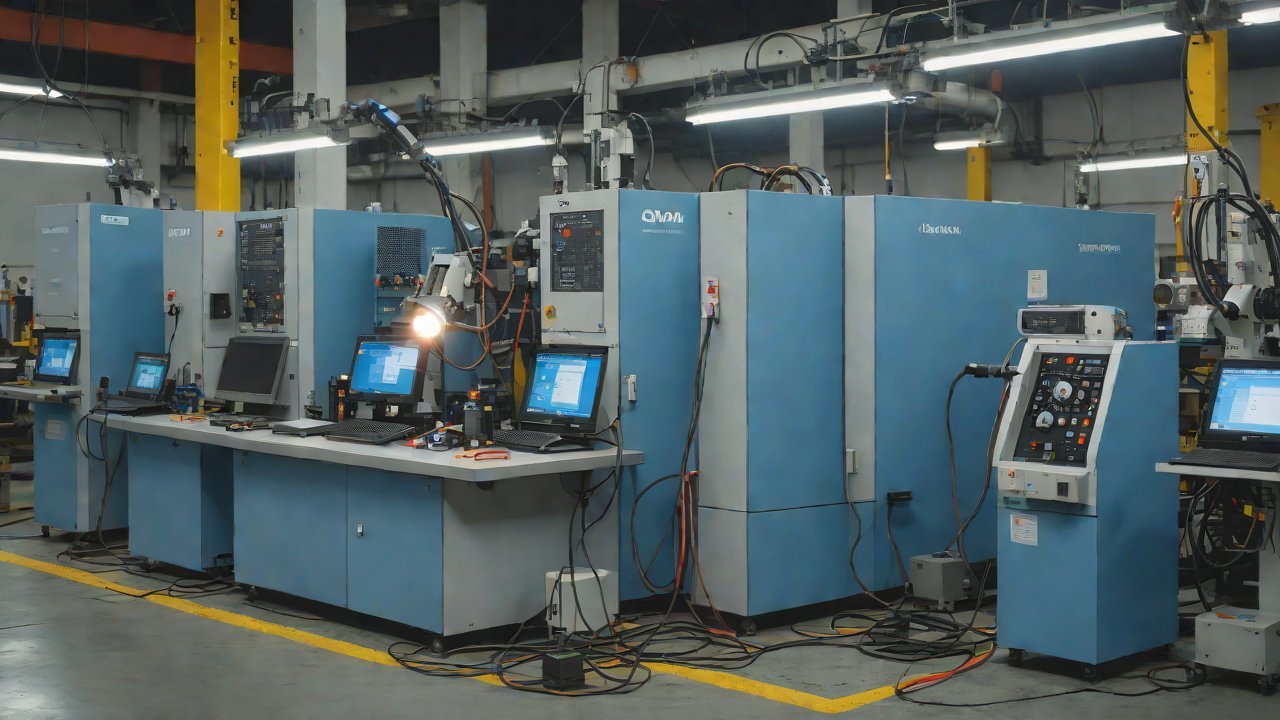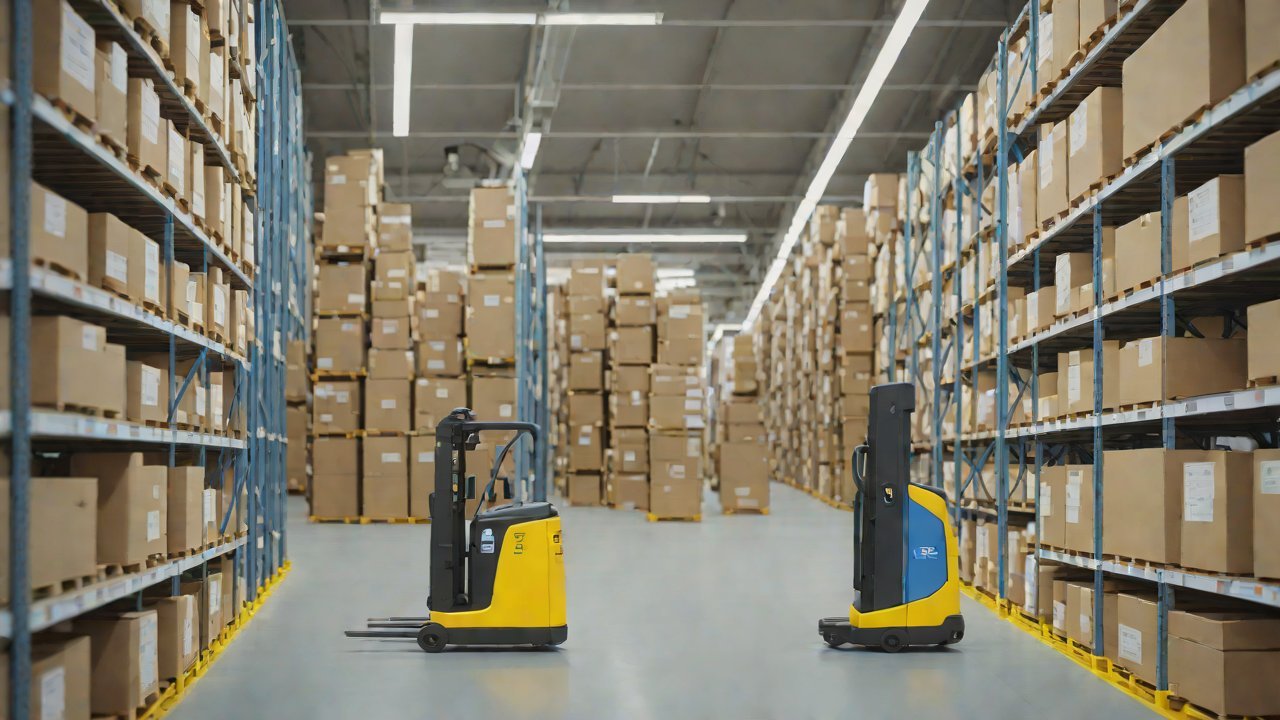
Unmanned Warehousing: Picking Solution Based on AGV and UHF RFID
As warehouses continue to navigate the complexities of e-commerce’s rapid growth, the need for efficient and cost-effective picking solutions has become increasingly pressing. Amidst this backdrop, Unmanned Warehousing – a paradigm that leverages cutting-edge technologies such as Autonomous Guided Vehicles (AGVs) and Ultra-High Frequency Radio-Frequency Identification (UHF RFID) – is emerging as a beacon of hope for warehouses worldwide.
1. The Imperative for Efficiency in Warehouse Operations
The global e-commerce market, projected to reach $6.5 trillion by 2023, has put an unprecedented strain on warehouse operations. The relentless pursuit of speed and flexibility has led to the adoption of various picking solutions, each with its own set of advantages and limitations. However, as warehouses scale up their operations, they are faced with the daunting challenge of maintaining operational efficiency while minimizing costs.
1.1 Current State of Warehouse Operations
Traditional warehouse operations rely heavily on manual labor for tasks such as order picking, packing, and shipping. While this approach offers flexibility and adaptability, it is plagued by inefficiencies in terms of time, cost, and accuracy. The rising costs of labor, coupled with the pressure to meet stringent delivery timelines, have made it imperative for warehouses to explore alternative solutions.
1.2 Limitations of Traditional Picking Solutions
The conventional picking methods employed by most warehouses are often hampered by:
- Inefficient Use of Labor: Manual labor is subject to fatigue, errors, and reduced productivity over time.
- Long Processing Times: The sequential nature of manual picking leads to extended processing times, impacting delivery schedules.
- High Error Rates: Human error can be costly, leading to increased returns and customer dissatisfaction.
2. Unmanned Warehousing: A Paradigm Shift
Unmanned Warehousing represents a fundamental shift in the way warehouses operate. By integrating AGVs and UHF RFID, this paradigm offers a futuristic approach to picking solutions that addresses the inefficiencies of traditional methods.
2.1 Autonomous Guided Vehicles (AGVs)
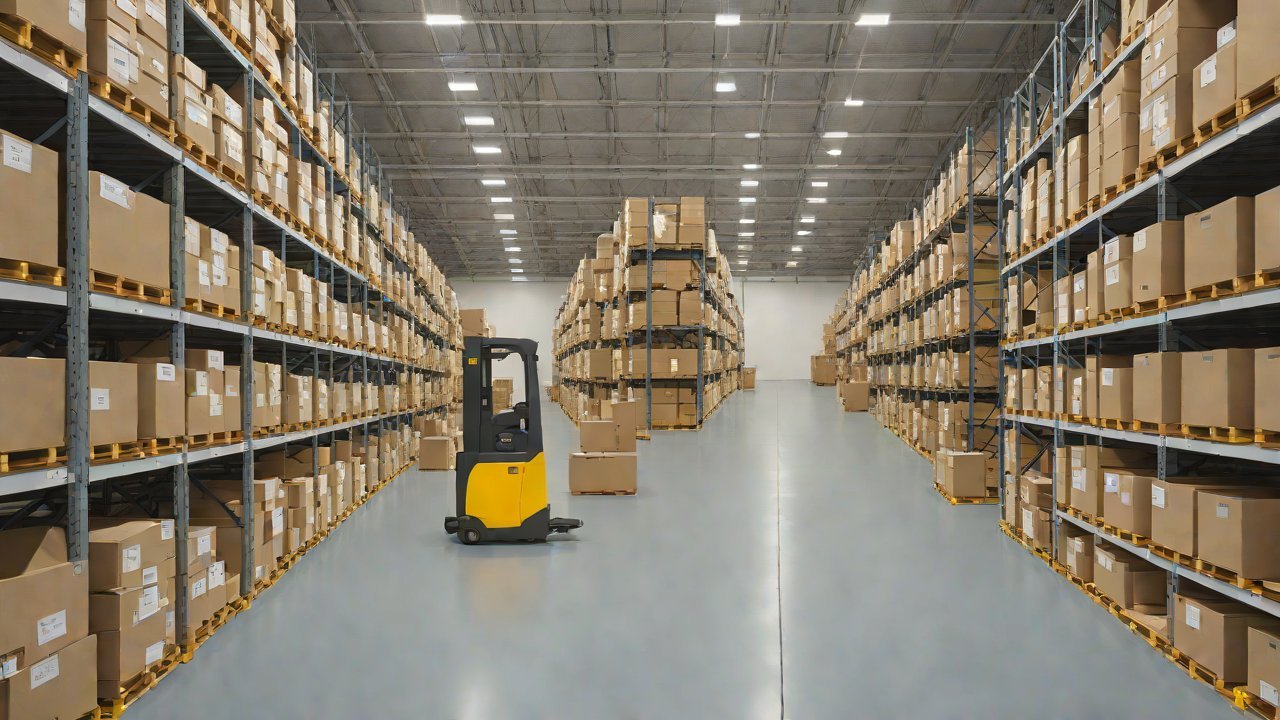
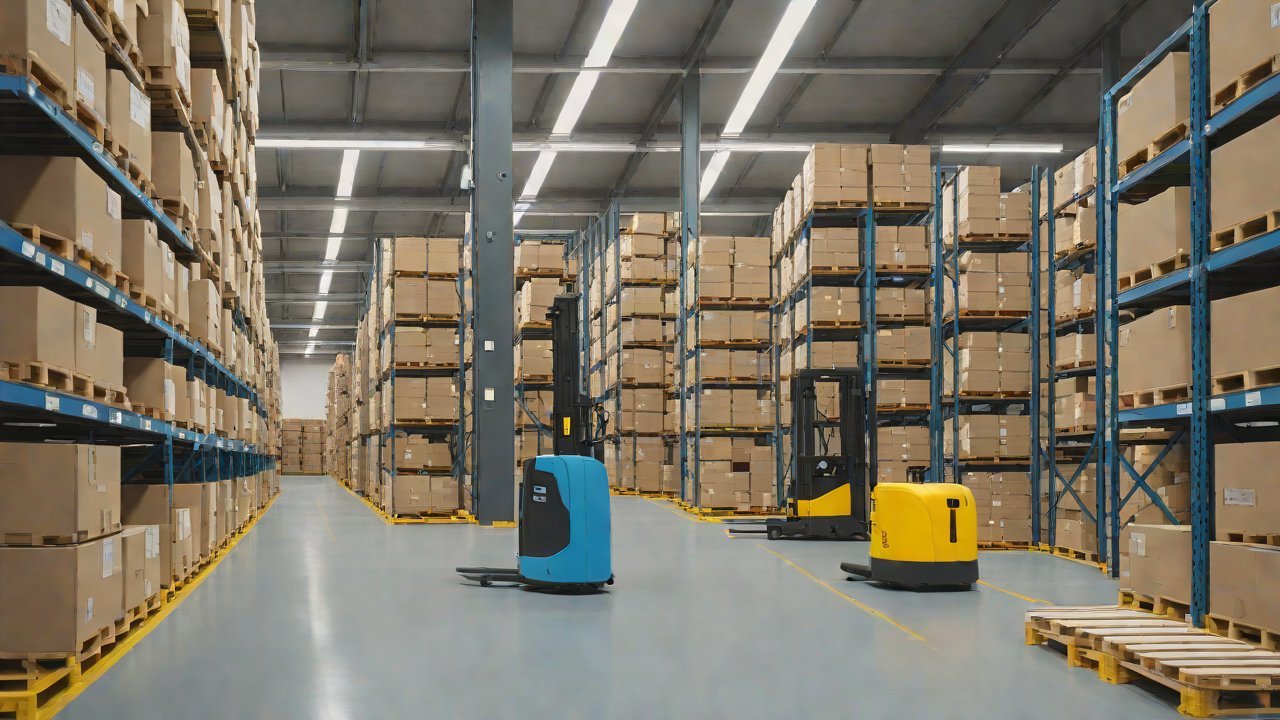
AGVs are computer-controlled vehicles that navigate through predetermined routes within a warehouse. Equipped with sensors and navigation systems, they can transport goods autonomously, eliminating the need for human intervention in transportation tasks.
Table: Key Features of AGVs
| Feature | Description |
|---|---|
| Autonomy | Ability to operate independently without human control. |
| Navigation | Utilizes sensors and GPS for precise route navigation. |
| Load Capacity | Can transport various types of goods, from pallets to boxes. |
2.2 Ultra-High Frequency Radio-Frequency Identification (UHF RFID)
UHF RFID is a technology that enables the automatic identification and tracking of items within a warehouse. By attaching RFID tags to inventory, warehouses can accurately track stock levels, location, and movement in real-time.
Table: Key Features of UHF RFID
| Feature | Description |
|---|---|
| Tagging | Enables the attachment of RFID tags to inventory for tracking. |
| Real-Time Data | Provides instantaneous updates on stock levels and movement. |
3. Benefits of Unmanned Warehousing
The integration of AGVs and UHF RFID in unmanned warehousing offers a multitude of benefits, including:
- Increased Efficiency: By automating transportation and inventory tracking, warehouses can significantly reduce processing times.
- Improved Accuracy: Minimized human error through automation reduces returns and customer dissatisfaction.
- Enhanced Safety: Eliminates the risk of accidents associated with manual labor in warehouse environments.
4. Market Adoption and Future Outlook
While unmanned warehousing is still a developing trend, its potential for growth is substantial. Early adopters are already witnessing significant improvements in operational efficiency and cost savings.
4.1 Market Growth Projections
The market for AGVs and UHF RFID technologies is expected to experience rapid growth over the next few years, driven by increasing demand from e-commerce and retail sectors.
Table: Projected Market Growth (2023-2028)
| Year | AGV Market Size (Billion USD) | UHF RFID Market Size (Billion USD) |
|---|---|---|
| 2023 | $1.5 | $2.2 |
| 2025 | $3.0 | $4.5 |
| 2028 | $6.0 | $10.0 |

4.2 Challenges and Future Developments
While the benefits of unmanned warehousing are evident, several challenges need to be addressed before widespread adoption can occur.
- High Initial Investment: The cost of implementing AGVs and UHF RFID systems can be substantial.
- Integration Complexity: Seamlessly integrating these technologies with existing warehouse infrastructure poses technical challenges.
5. Conclusion
Unmanned warehousing, powered by AGVs and UHF RFID, represents a beacon of hope for warehouses struggling to keep pace with the demands of e-commerce. By automating transportation and inventory tracking, this paradigm offers unparalleled efficiency, accuracy, and safety benefits. As the market for these technologies continues to grow, we can expect widespread adoption in the coming years, transforming the warehouse operations landscape forever.
IOT Cloud Platform
IOT Cloud Platform is an IoT portal established by a Chinese IoT company, focusing on technical solutions in the fields of agricultural IoT, industrial IoT, medical IoT, security IoT, military IoT, meteorological IoT, consumer IoT, automotive IoT, commercial IoT, infrastructure IoT, smart warehousing and logistics, smart home, smart city, smart healthcare, smart lighting, etc.
The IoT Cloud Platform blog is a top IoT technology stack, providing technical knowledge on IoT, robotics, artificial intelligence (generative artificial intelligence AIGC), edge computing, AR/VR, cloud computing, quantum computing, blockchain, smart surveillance cameras, drones, RFID tags, gateways, GPS, 3D printing, 4D printing, autonomous driving, etc.