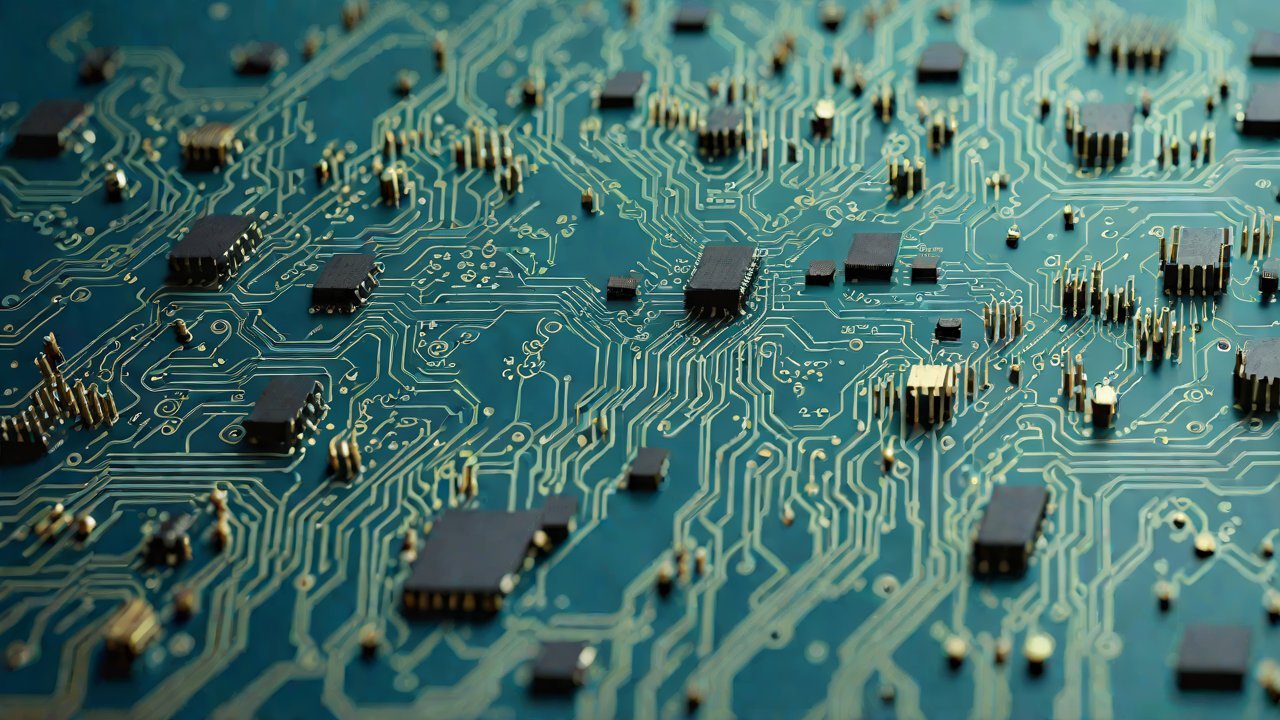
Underlying Algorithms in IoT Chip Design
The advent of the Internet of Things (IoT) has brought about a paradigm shift in the way we design and develop electronic chips. The increasing demand for low-power, high-performance, and secure devices has led to the development of sophisticated algorithms that underlie the architecture of IoT chips. These underlying algorithms play a crucial role in enabling efficient data processing, communication, and control in IoT systems.
The landscape of IoT chip design is rapidly evolving, driven by advancements in areas such as artificial intelligence (AI), machine learning (ML), and cyber-physical systems (CPS). As a result, the complexity of these chips has increased significantly, making it essential to understand the underlying algorithms that power them. In this report, we will delve into the world of IoT chip design, exploring the key algorithms that drive its functionality.
1. Digital Signal Processing (DSP) Algorithms
Digital signal processing (DSP) is a crucial aspect of IoT chip design, enabling efficient processing and analysis of sensor data. DSP algorithms are used to extract meaningful information from raw sensor readings, which is then fed into machine learning models for further processing. Some common DSP algorithms used in IoT chip design include:
| Algorithm | Description |
|---|---|
| Fast Fourier Transform (FFT) | Used for signal decomposition and frequency analysis |
| Discrete Cosine Transform (DCT) | Employed for image and audio compression |
| Finite Impulse Response (FIR) Filters | Utilized for noise reduction and filtering |
2. Machine Learning (ML) Algorithms
Machine learning algorithms are increasingly being integrated into IoT chip design to enable real-time data processing and decision-making. These algorithms are trained on large datasets, allowing them to learn patterns and relationships between variables. Some key ML algorithms used in IoT chip design include:
| Algorithm | Description |
|---|---|
| Support Vector Machines (SVM) | Employed for classification and regression tasks |
| Random Forests | Utilized for feature selection and classification |
| k-Nearest Neighbors (k-NN) | Used for predictive modeling and anomaly detection |
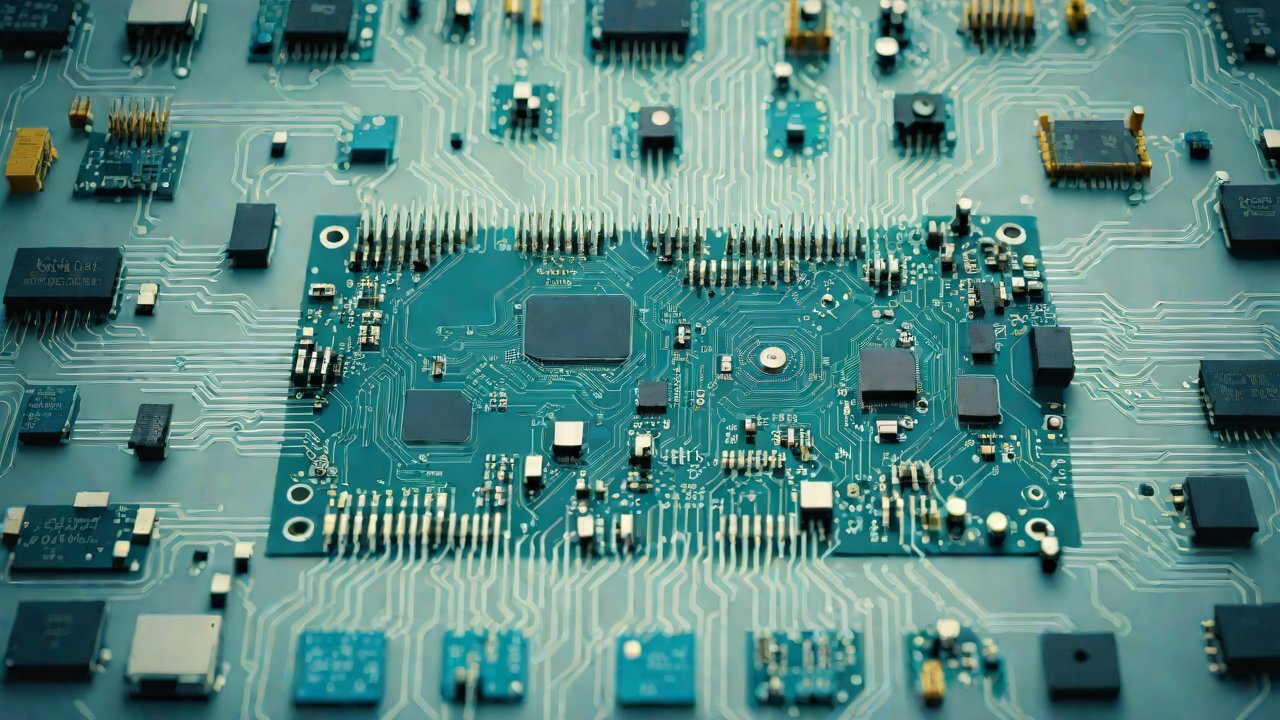
3. Cryptographic Algorithms
The increasing reliance on IoT devices has raised concerns about data security, making cryptographic algorithms an essential aspect of chip design. These algorithms ensure the confidentiality, integrity, and authenticity of data transmitted between devices. Some common cryptographic algorithms used in IoT chip design include:
| Algorithm | Description |
|---|---|
| Advanced Encryption Standard (AES) | Employed for symmetric-key encryption |
| Elliptic Curve Cryptography (ECC) | Utilized for public-key encryption |
| Message Authentication Code (MAC) | Used for data integrity and authenticity |
4. Cyber-Physical Systems (CPS)
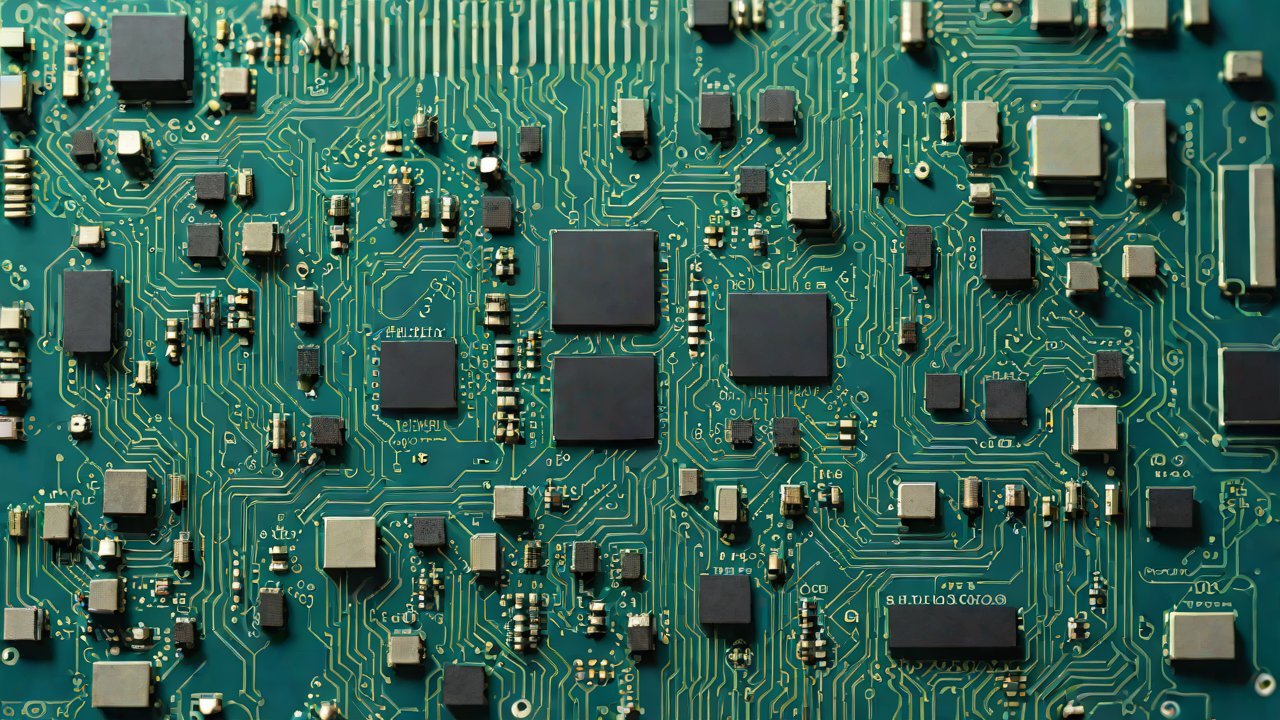
Cyber-physical systems (CPS) are a critical component of IoT chip design, enabling the integration of physical sensors with digital processing units. CPS algorithms enable real-time monitoring and control of physical processes, ensuring efficient operation and minimizing downtime.
| Algorithm | Description |
|---|---|
| Kalman Filter | Employed for state estimation and prediction |
| Linear Quadratic Regulator (LQR) | Utilized for optimal control and feedback |
| Model Predictive Control (MPC) | Used for real-time optimization and planning |
5. Power Management Algorithms
Power consumption is a significant concern in IoT chip design, as devices often operate in battery-powered environments. Power management algorithms are used to minimize power consumption while maintaining device performance.
| Algorithm | Description |
|---|---|
| Dynamic Voltage and Frequency Scaling (DVFS) | Employed for adaptive voltage regulation |
| Power-Gating | Utilized for dynamic power reduction |
| Low-Power Data Processing | Used for optimized data processing and storage |
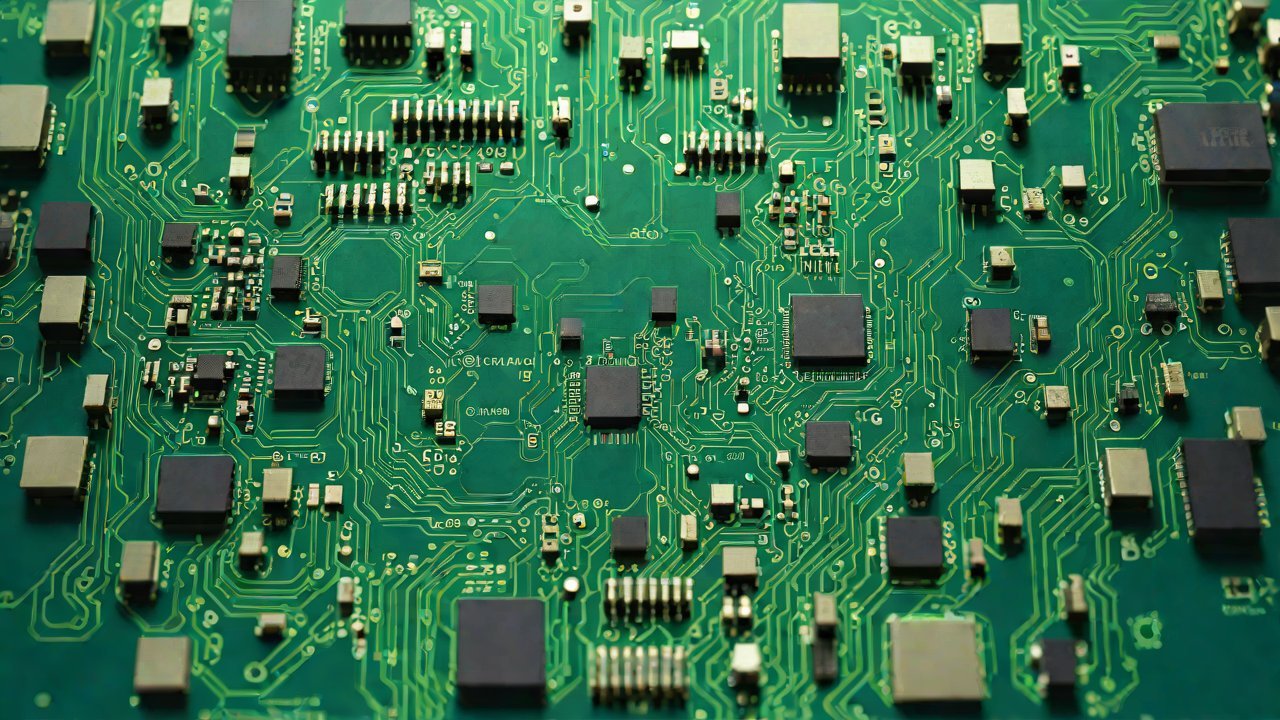
6. Real-Time Operating System (RTOS)
Real-time operating systems (RTOS) are used to manage the execution of tasks in IoT chip design, ensuring that critical functions are executed within specified time constraints.
| Algorithm | Description |
|---|---|
| Priority-Based Scheduling | Employed for task prioritization and execution |
| Rate Monotonic Scheduling (RMS) | Utilized for real-time scheduling and control |
| Earliest Deadline First (EDF) | Used for dynamic priority adjustment |
7. Emerging Trends
The landscape of IoT chip design is rapidly evolving, driven by advancements in AI, ML, and CPS. Some emerging trends that are expected to shape the future of IoT chip design include:
- Quantum Computing: The integration of quantum computing principles into IoT chip design, enabling exponential increases in processing power.
- Neuromorphic Computing: The development of neuromorphic chips that mimic human brain function, enabling efficient and adaptive data processing.
- Edge AI: The increasing adoption of edge AI, which enables real-time data processing and decision-making at the device level.
In conclusion, the underlying algorithms used in IoT chip design play a critical role in enabling efficient data processing, communication, and control. As the landscape of IoT continues to evolve, it is essential to understand these algorithms and their applications in order to develop innovative solutions that meet the demands of emerging markets and industries.
IOT Cloud Platform
IOT Cloud Platform is an IoT portal established by a Chinese IoT company, focusing on technical solutions in the fields of agricultural IoT, industrial IoT, medical IoT, security IoT, military IoT, meteorological IoT, consumer IoT, automotive IoT, commercial IoT, infrastructure IoT, smart warehousing and logistics, smart home, smart city, smart healthcare, smart lighting, etc.
The IoT Cloud Platform blog is a top IoT technology stack, providing technical knowledge on IoT, robotics, artificial intelligence (generative artificial intelligence AIGC), edge computing, AR/VR, cloud computing, quantum computing, blockchain, smart surveillance cameras, drones, RFID tags, gateways, GPS, 3D printing, 4D printing, autonomous driving, etc.