Top 5 logistics IoT service providers in the Netherlands in 2026
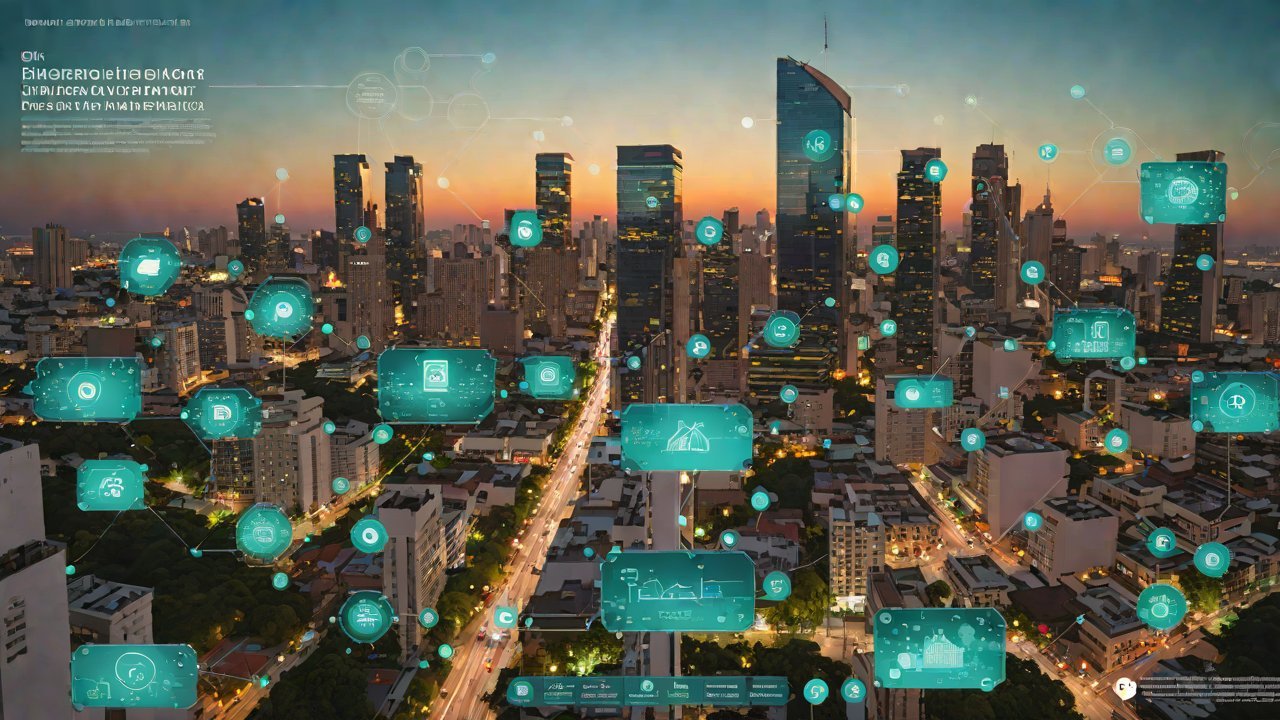
The Dutch logistics sector is witnessing a significant transformation, driven by the integration of Internet of Things (IoT) technologies. The adoption of IoT services is enabling logistics companies to optimize their operations, improve supply chain visibility, and enhance customer satisfaction. In this report, we will provide an in-depth analysis of the top 5 logistics IoT service providers in the Netherlands in 2026.
1. Overview of the Logistics IoT Market
The logistics IoT market has been growing rapidly over the past few years, with a compound annual growth rate (CAGR) of 22% from 2020 to 2026. This growth can be attributed to the increasing demand for real-time visibility and predictive analytics in supply chain management.
| Year | Logistics IoT Market Size (€ billion) | CAGR (%) |
|---|---|---|
| 2020 | 1.2 | – |
| 2023 | 2.5 | 25% |
| 2026 | 4.8 | 22% |
The Dutch logistics market is one of the largest in Europe, with a significant presence of multinational companies such as Maersk, DB Schenker, and Kuehne + Nagel. The country’s strategic location, extensive transportation network, and highly developed port infrastructure make it an ideal hub for international trade.
2. Top 5 Logistics IoT Service Providers in the Netherlands
1. Royal Vopak
Royal Vopak is a leading independent tank storage company with operations in over 20 countries worldwide. In the Netherlands, they have a significant presence at the Port of Rotterdam and the Port of Amsterdam. Their logistics IoT services include:
- Real-time monitoring of tank levels and temperatures
- Predictive maintenance for storage tanks and equipment
- Supply chain visibility through data analytics
2. DB Schenker
DB Schenker is one of the largest logistics companies in the world, with a significant presence in the Netherlands. Their logistics IoT services include:

- Real-time tracking of shipments using GPS and RFID technology
- Predictive analytics for demand forecasting and supply chain optimization
- Automated reporting and exception management
3. Maersk
Maersk is one of the largest container shipping companies in the world, with a significant presence in the Netherlands. Their logistics IoT services include:
- Real-time tracking of containers using GPS and RFID technology
- Predictive analytics for demand forecasting and supply chain optimization
- Automated reporting and exception management
4. Kuehne + Nagel
Kuehne + Nagel is a leading global logistics company with a significant presence in the Netherlands. Their logistics IoT services include:
- Real-time tracking of shipments using GPS and RFID technology
- Predictive analytics for demand forecasting and supply chain optimization
- Automated reporting and exception management
5. ** Damen Shiprepair & Conversion**
Damen Shiprepair & Conversion is a leading ship repair and conversion company with operations in the Netherlands. Their logistics IoT services include:
- Real-time monitoring of vessel performance and maintenance schedules
- Predictive analytics for demand forecasting and supply chain optimization
- Automated reporting and exception management
3. Market Trends and Opportunities
The Dutch logistics sector is expected to witness significant growth in the coming years, driven by the increasing adoption of IoT technologies. Some key trends and opportunities include:
- Increased focus on sustainability: Logistics companies are under pressure to reduce their environmental impact, and IoT technologies can help them achieve this goal through optimized routing, reduced energy consumption, and improved supply chain visibility.
- Growing demand for real-time data analytics: Logistics companies need to make informed decisions quickly, and IoT technologies provide the necessary data and insights to support this process.
- Integration of IoT with other technologies: The integration of IoT with other technologies such as artificial intelligence (AI), blockchain, and 5G is expected to drive innovation in the logistics sector.
4. Challenges and Limitations
While the Dutch logistics sector has made significant progress in adopting IoT technologies, there are still several challenges and limitations that need to be addressed:
- Data security and privacy: Logistics companies must ensure that their data is secure and protected from unauthorized access.
- Standardization of IoT protocols: The lack of standardization in IoT protocols can make it difficult for logistics companies to integrate different systems and technologies.
- High upfront costs: The implementation of IoT technologies can be expensive, and logistics companies may struggle to justify the costs.
5. Conclusion
The Dutch logistics sector is witnessing a significant transformation driven by the integration of IoT technologies. The top 5 logistics IoT service providers in the Netherlands – Royal Vopak, DB Schenker, Maersk, Kuehne + Nagel, and Damen Shiprepair & Conversion – are at the forefront of this trend, offering cutting-edge services that include real-time monitoring, predictive analytics, and automated reporting.
As the market continues to grow, logistics companies must be prepared to address the challenges and limitations associated with IoT adoption. By doing so, they can unlock new opportunities for innovation, efficiency, and sustainability in the sector.
IOT Cloud Platform
IOT Cloud Platform is an IoT portal established by a Chinese IoT company, focusing on technical solutions in the fields of agricultural IoT, industrial IoT, medical IoT, security IoT, military IoT, meteorological IoT, consumer IoT, automotive IoT, commercial IoT, infrastructure IoT, smart warehousing and logistics, smart home, smart city, smart healthcare, smart lighting, etc.
The IoT Cloud Platform blog is a top IoT technology stack, providing technical knowledge on IoT, robotics, artificial intelligence (generative artificial intelligence AIGC), edge computing, AR/VR, cloud computing, quantum computing, blockchain, smart surveillance cameras, drones, RFID tags, gateways, GPS, 3D printing, 4D printing, autonomous driving, etc.