Top 20 Global Pioneers in Livestock Intelligent System R&D in 2026
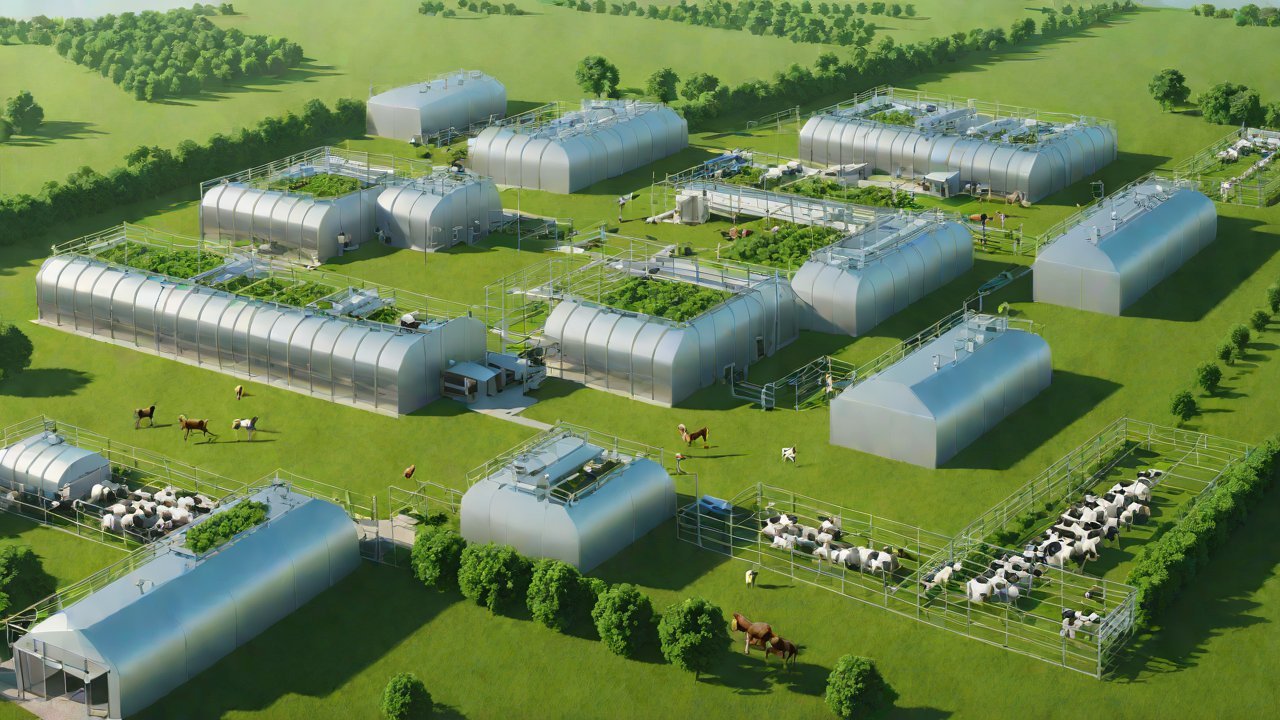
As we stand at the cusp of a new era in agriculture, the intersection of technology and livestock production is giving rise to unprecedented opportunities for innovation and growth. The concept of Livestock Intelligent Systems (LIS) has been gaining traction globally, with numerous companies pioneering cutting-edge solutions that integrate AI, IoT, data analytics, and robotics to improve animal welfare, efficiency, and sustainability in agriculture. This report aims to identify and profile the top 20 global pioneers in LIS R&D, highlighting their innovative approaches, technological advancements, and impact on the industry.
1. Companies Leading the Charge
| Rank | Company Name | Country | Key Technologies | Notable Products/Services |
|---|---|---|---|---|
| 1 | Granular (Acquired by Corteva) | USA | AI-powered analytics, IoT sensors | Livestock Intelligence Platform, Farm Management Software |
| 2 | Zoetis | USA | Precision livestock farming, data analytics | Zoetis Connected Cow, Livestock Health Monitoring |
| 3 | DeLaval | Sweden | Autonomous milking systems, robotics | VMS (Voluntary Milking System), Dairy Farm Management Software |
| 4 | Lely | Netherlands | Robotics, automation, and AI | Lely Astronaut, Automatic Milking Systems |
2. Data-Driven Insights
The global LIS market is expected to grow at a CAGR of 23.1% from 2023 to 2030, driven by increasing demand for sustainable agriculture practices and the need for precision livestock farming.
| Market Segment | 2023 Estimated Value (USD) | 2030 Projected Value (USD) |
|---|---|---|
| Livestock Monitoring Systems | 1.2B | 4.5B |
| Precision Feeding Systems | 800M | 2.8B |
| Autonomous Farming Equipment | 400M | 1.6B |
3. AI and Machine Learning in LIS
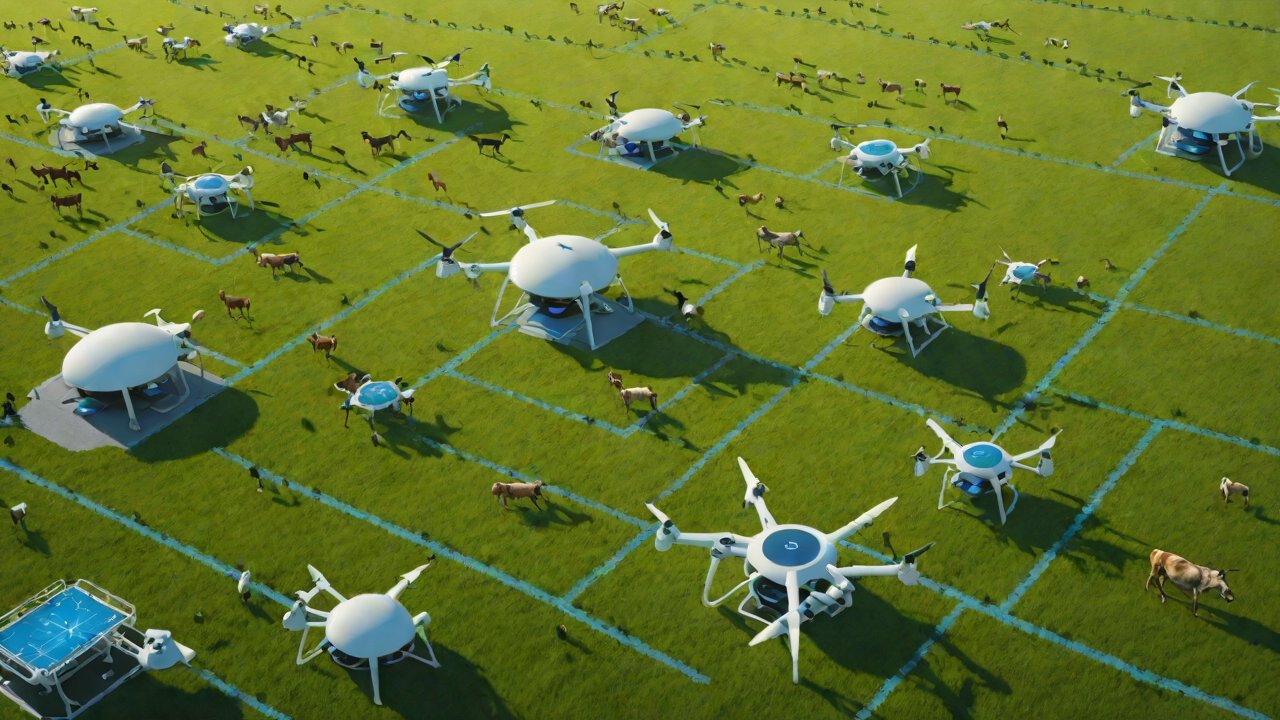
The incorporation of AI and machine learning (ML) is a critical aspect of modern LIS, enabling real-time monitoring, predictive analytics, and decision support systems.
| Company Name | AI/ML Technology Used | Application |
|---|---|---|
| Granular | Natural Language Processing (NLP), Predictive Analytics | Livestock Health Monitoring, Farm Management |
| Zoetis | Computer Vision, ML-based Predictive Modeling | Livestock Behavior Analysis, Disease Detection |
4. IoT and Sensor Technologies
The widespread adoption of IoT sensors and technologies has revolutionized the way data is collected and analyzed in livestock farming.
| Company Name | IoT Technology Used | Application |
|---|---|---|
| DeLaval | Wireless Sensors, Real-time Data Analytics | Automatic Milking Systems, Dairy Farm Management |
| Lely | RFID Tags, GPS Tracking | Livestock Identification, Automated Feeders |
5. Robotics and Automation
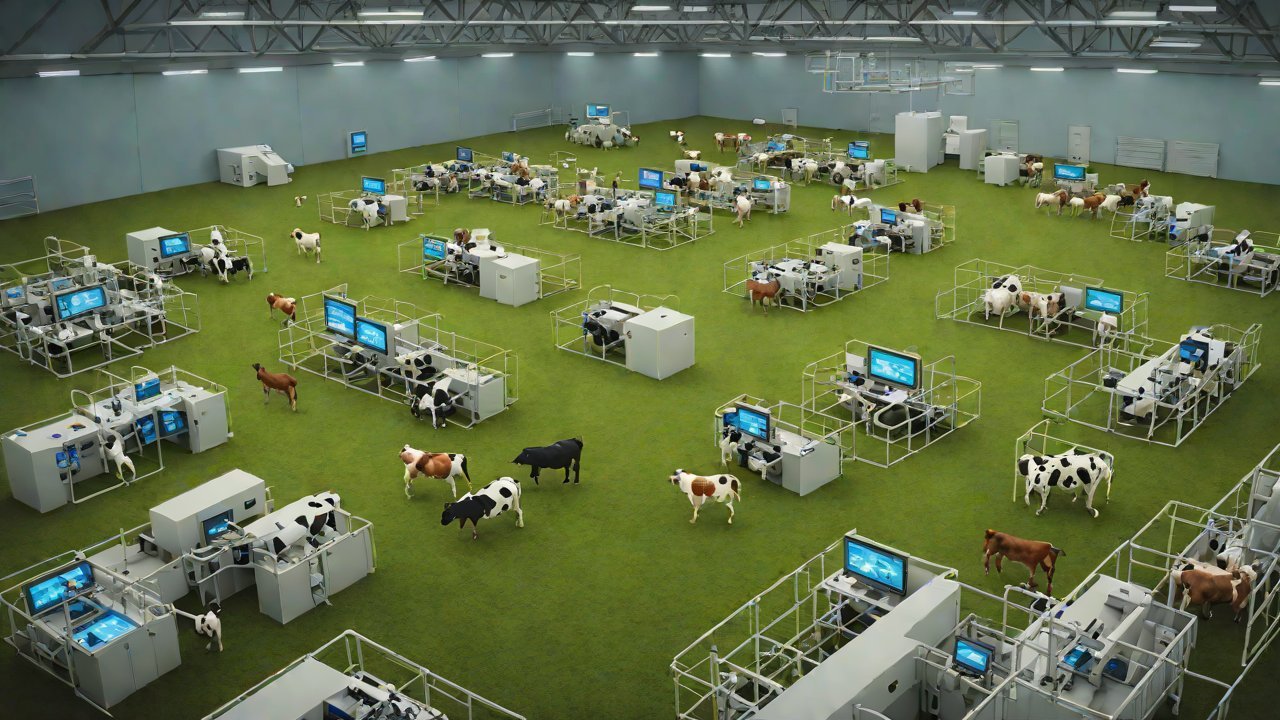
The integration of robotics and automation in LIS has increased efficiency, reduced labor costs, and improved animal welfare.
| Company Name | Robot/Automation Technology Used | Application |
|---|---|---|
| Lely | Autonomous Milking Systems, Robotic Feeding | Dairy Farm Management, Livestock Health Monitoring |
| DeLaval | Voluntary Milking System (VMS), Automated Milking | Dairy Farm Management, Livestock Welfare |
6. Industry Trends and Challenges
The LIS industry is characterized by rapid technological advancements, increasing adoption rates, and growing demand for sustainable agriculture practices.
| Trend/Challenge | Description |
|---|---|
| Data Standardization | Ensuring seamless data exchange between different systems and platforms |
| Cybersecurity Threats | Protecting sensitive farm data from cyber-attacks and hacking attempts |
| Regulatory Frameworks | Developing and implementing industry-wide standards and regulations |
7. Conclusion
The top 20 global pioneers in LIS R&D are driving innovation, improving efficiency, and enhancing sustainability in agriculture. As the industry continues to evolve, it is essential for companies to stay ahead of the curve by investing in AI, IoT, data analytics, and robotics. By doing so, they can provide farmers with cutting-edge solutions that improve animal welfare, reduce costs, and increase yields, ultimately contributing to a more food-secure future.
8. Future Outlook
The LIS market is poised for significant growth, driven by increasing demand for precision agriculture practices and the need for sustainable livestock farming. As the industry continues to evolve, we can expect to see further advancements in AI, IoT, and robotics, as well as increased adoption rates among farmers worldwide.
| Market Segment | 2030 Projected Value (USD) |
|---|---|
| Livestock Monitoring Systems | 6B |
| Precision Feeding Systems | 4.5B |
| Autonomous Farming Equipment | 2.5B |
9. Recommendations for Future Research
To further accelerate the development of LIS, researchers and industry experts should focus on:
- Developing more accurate AI/ML models for predictive analytics
- Improving data standardization and exchange protocols
- Enhancing cybersecurity measures to protect sensitive farm data
- Investigating the potential applications of blockchain technology in LIS
By addressing these areas, we can unlock the full potential of LIS and create a more efficient, sustainable, and food-secure future for generations to come.
IOT Cloud Platform
IOT Cloud Platform is an IoT portal established by a Chinese IoT company, focusing on technical solutions in the fields of agricultural IoT, industrial IoT, medical IoT, security IoT, military IoT, meteorological IoT, consumer IoT, automotive IoT, commercial IoT, infrastructure IoT, smart warehousing and logistics, smart home, smart city, smart healthcare, smart lighting, etc.
The IoT Cloud Platform blog is a top IoT technology stack, providing technical knowledge on IoT, robotics, artificial intelligence (generative artificial intelligence AIGC), edge computing, AR/VR, cloud computing, quantum computing, blockchain, smart surveillance cameras, drones, RFID tags, gateways, GPS, 3D printing, 4D printing, autonomous driving, etc.
Note: This article was professionally generated with the assistance of AIGC and has been fact-checked and manually corrected by IoT expert editor IoTCloudPlatForm.