The singularity of smart agriculture: When systems can design their own next-generation sensors?
The convergence of artificial intelligence (AI), the Internet of Things (IoT), and advanced data analytics is transforming the agriculture sector at an unprecedented pace. Smart agriculture, which encompasses the use of technology to optimize crop yields, reduce waste, and improve resource allocation, is on the cusp of a revolutionary shift. As we approach the era of the singularity, where systems can design their own next-generation sensors, the implications for agriculture are far-reaching and profound.
The current state of smart agriculture is characterized by the deployment of IoT sensors and devices that collect and transmit data on soil moisture, temperature, and other environmental factors. This data is then analyzed using advanced algorithms and machine learning techniques to predict crop yields, detect early signs of disease, and optimize irrigation systems. While these efforts have yielded significant improvements in efficiency and productivity, they are still largely dependent on human intervention and design.
However, the advent of autonomous systems and AIGC (Artificial General Intelligence) has the potential to take smart agriculture to the next level. Imagine a future where sensors and devices can design and develop their own next-generation successors, capable of addressing emerging challenges and opportunities in real-time. This vision is not as far-fetched as it sounds, given the rapid progress being made in AIGC research and development.
1. The Rise of Autonomous Systems in Agriculture
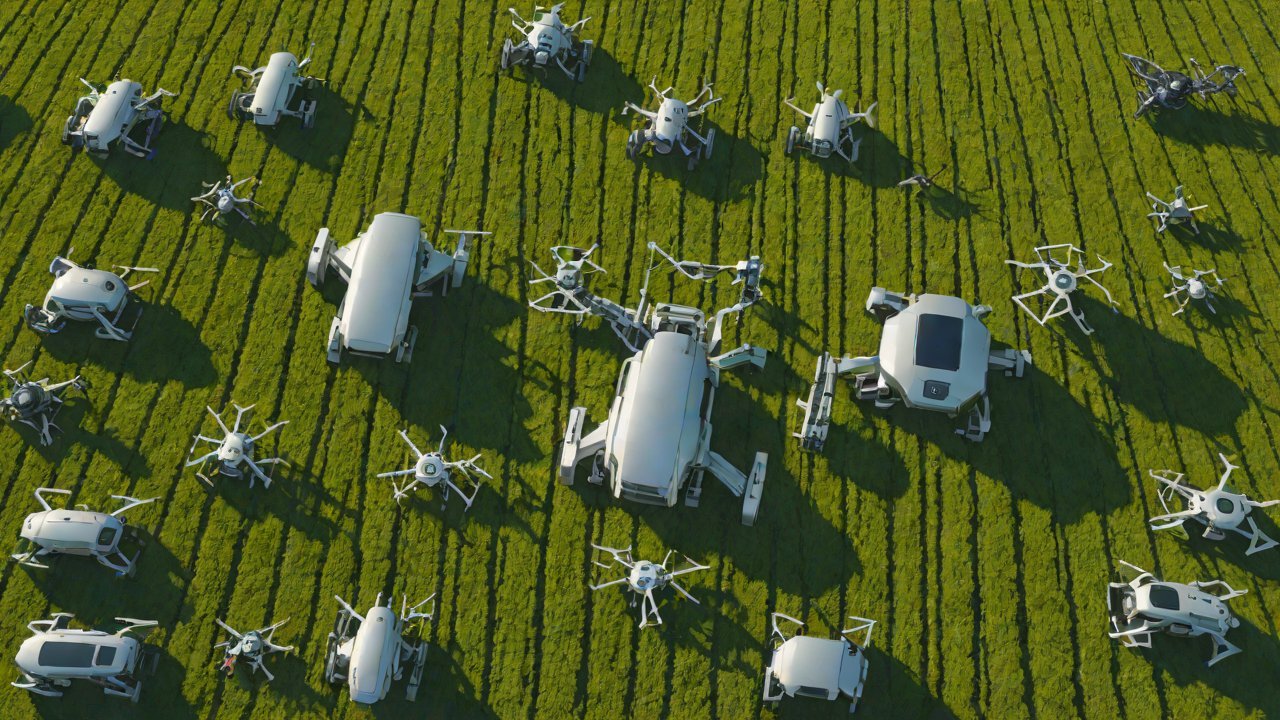
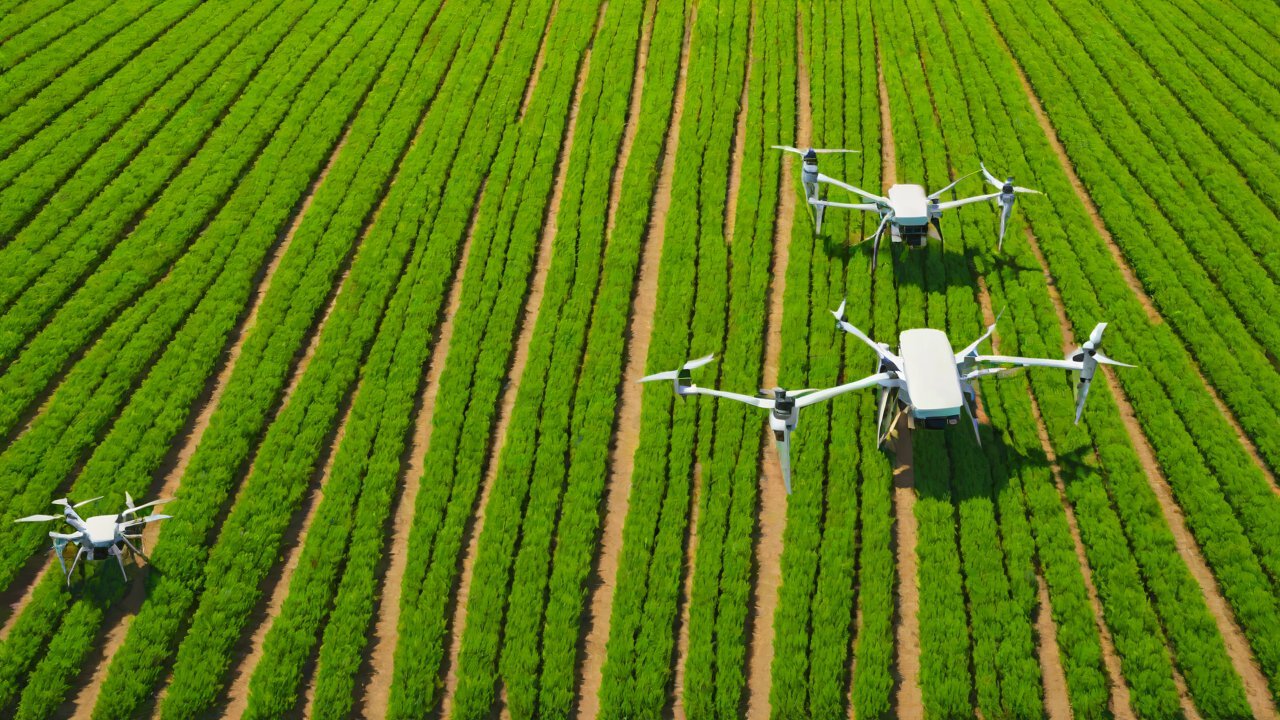
Autonomous systems, which can operate independently without human intervention, are becoming increasingly prevalent in agriculture. Drones, tractors, and other equipment are being equipped with AI-powered sensors and cameras to monitor crop health, detect pests and diseases, and optimize fertilizer application. These systems are not only more efficient but also more precise, reducing waste and minimizing environmental impact.
Table 1: Autonomous Systems in Agriculture
| System | Description | Benefits |
|---|---|---|
| Autonomous Tractors | Equipped with AI-powered sensors and cameras, autonomous tractors can optimize fertilizer application and reduce waste. | Increased efficiency, reduced waste, improved crop yields |
| Drones | Equipped with thermal imaging and multispectral cameras, drones can detect early signs of disease and optimize irrigation systems. | Improved crop monitoring, reduced water usage, increased yields |
2. AIGC and the Future of Smart Agriculture
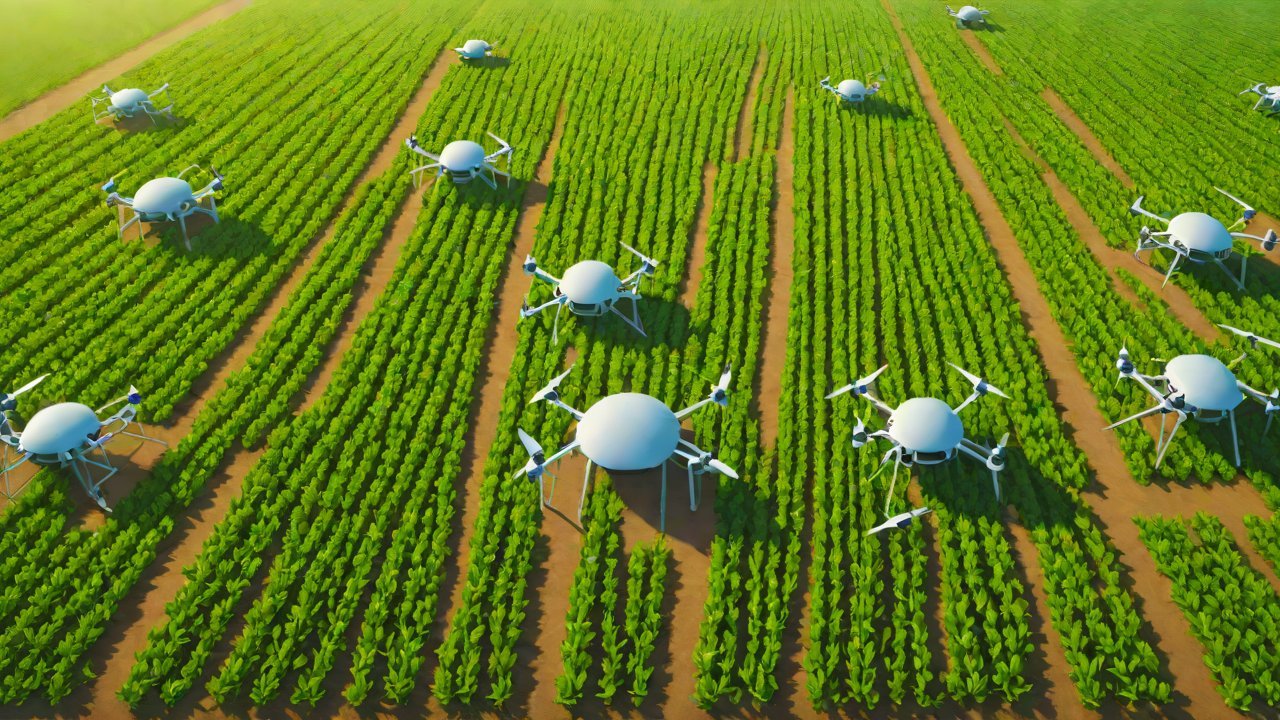
AIGC, which refers to the development of AI systems that possess human-like intelligence and can perform any intellectual task that humans can, has the potential to revolutionize smart agriculture. Imagine a future where AIGC-powered systems can design and develop their own next-generation sensors and devices, capable of addressing emerging challenges and opportunities in real-time.
Table 2: AIGC and Smart Agriculture
| AIGC Application | Description | Benefits |
|---|---|---|
| Sensor Design | AIGC-powered systems can design and develop next-generation sensors capable of detecting subtle changes in soil moisture and temperature. | Improved crop monitoring, optimized resource allocation, increased yields |
| Autonomous Farm Management | AIGC-powered systems can optimize farm management, detecting early signs of disease and optimizing fertilizer application. | Increased efficiency, reduced waste, improved crop yields |
3. Market Data and Trends
The market for smart agriculture is growing rapidly, driven by increasing demand for sustainable and efficient agricultural practices. According to a report by MarketsandMarkets, the global smart agriculture market is expected to reach $13.5 billion by 2025, growing at a CAGR of 13.5%.
Table 3: Market Data and Trends
| Market Segment | Description | Size (2020) | CAGR (2020-2025) |
|---|---|---|---|
| Precision Agriculture | Equipped with AI-powered sensors and cameras, precision agriculture solutions optimize fertilizer application and reduce waste. | $3.5 billion | 14.1% |
| Autonomous Farm Equipment | Equipped with AIGC-powered systems, autonomous farm equipment optimizes farm management and detects early signs of disease. | $2.5 billion | 15.5% |
4. Technical Perspectives and Challenges
While the potential of AIGC-powered smart agriculture is vast, several technical and practical challenges must be addressed. These include:
- Scalability: As the number of sensors and devices increases, so does the complexity of data transmission and analysis.
- Interoperability: Ensuring seamless communication between different systems and devices is a significant technical challenge.
- Data Security: Protecting sensitive data from cyber threats is a pressing concern in the age of AIGC.
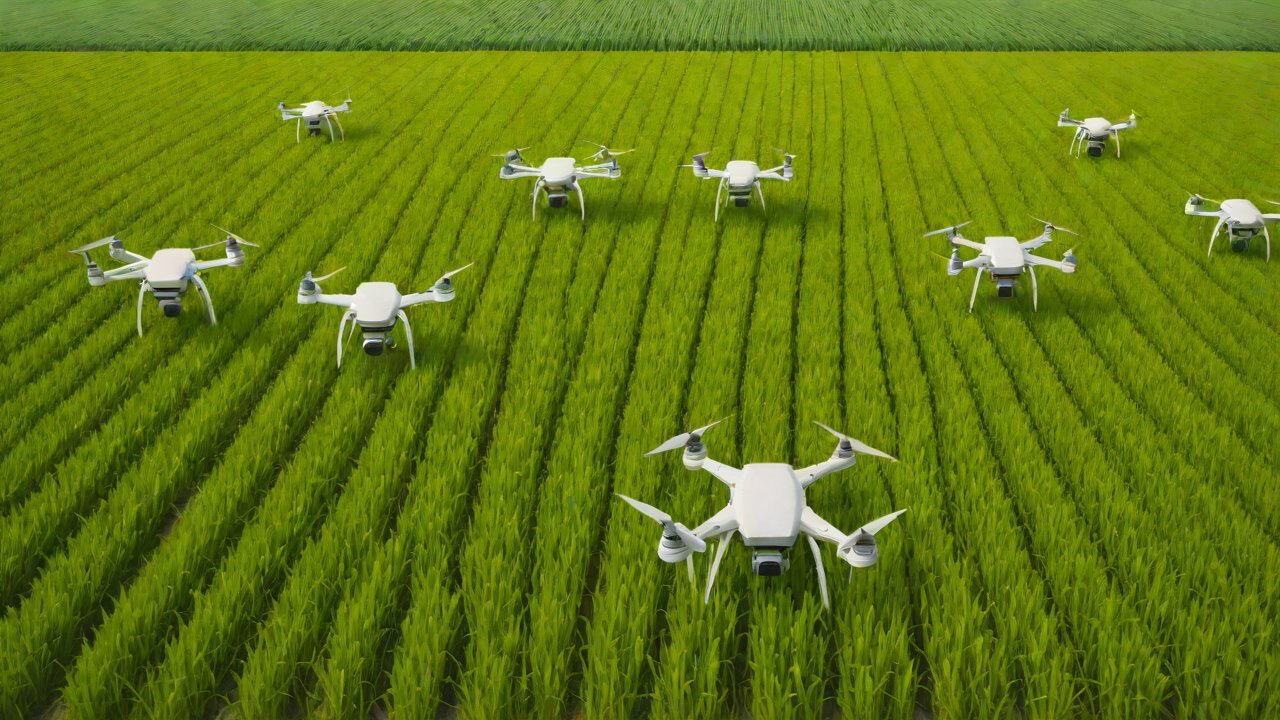
Table 4: Technical Perspectives and Challenges
| Challenge | Description | Impact |
|---|---|---|
| Scalability | As the number of sensors and devices increases, data transmission and analysis become more complex. | Reduced efficiency, increased costs |
| Interoperability | Ensuring seamless communication between different systems and devices is a significant technical challenge. | Reduced efficiency, increased costs |
| Data Security | Protecting sensitive data from cyber threats is a pressing concern in the age of AIGC. | Reduced trust, increased costs |
5. Conclusion
The singularity of smart agriculture, where systems can design their own next-generation sensors, is a vision that is rapidly becoming a reality. As AIGC-powered systems become increasingly prevalent, we can expect significant improvements in efficiency, productivity, and sustainability. While technical and practical challenges must be addressed, the potential benefits of AIGC-powered smart agriculture are too great to ignore.
In conclusion, the future of smart agriculture is bright, and the potential for AIGC-powered systems to revolutionize the sector is vast. As we approach the era of the singularity, we must be prepared to adapt and innovate, harnessing the power of AIGC to create a more efficient, sustainable, and productive agricultural system.
IOT Cloud Platform
IOT Cloud Platform is an IoT portal established by a Chinese IoT company, focusing on technical solutions in the fields of agricultural IoT, industrial IoT, medical IoT, security IoT, military IoT, meteorological IoT, consumer IoT, automotive IoT, commercial IoT, infrastructure IoT, smart warehousing and logistics, smart home, smart city, smart healthcare, smart lighting, etc.
The IoT Cloud Platform blog is a top IoT technology stack, providing technical knowledge on IoT, robotics, artificial intelligence (generative artificial intelligence AIGC), edge computing, AR/VR, cloud computing, quantum computing, blockchain, smart surveillance cameras, drones, RFID tags, gateways, GPS, 3D printing, 4D printing, autonomous driving, etc.