The Principle and Architecture of LoRa Self-Organizing Networks
LoRa self-organizing networks (SoNs) have emerged as a game-changer in the realm of low-power wide-area networking (LPWAN), revolutionizing the way devices communicate with each other and with the cloud. By harnessing the power of LoRa’s long-range, low-data-rate communication capabilities, SoN enables devices to dynamically adapt to changing network conditions, ensuring reliable connectivity even in areas with limited infrastructure.
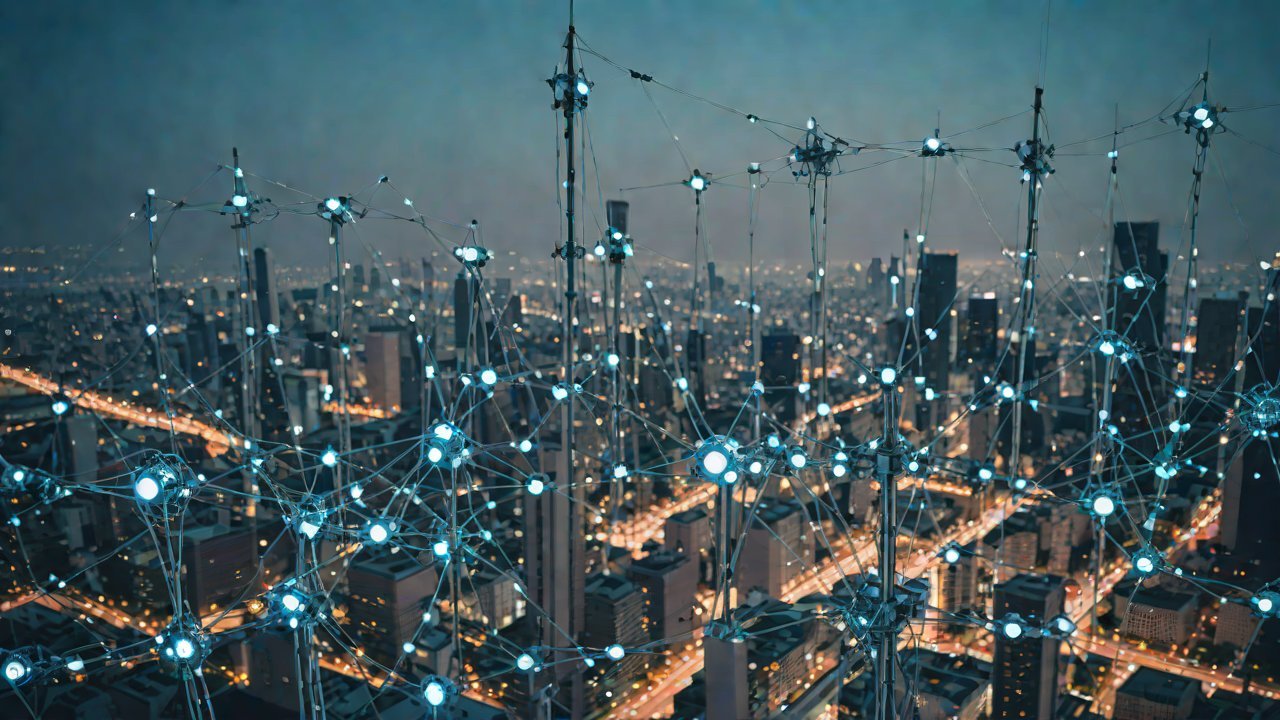
At its core, a LoRa SoN is a decentralized network architecture that relies on device-to-device (D2D) communication and self-organization protocols to manage network operations. This innovative approach allows for greater flexibility and scalability compared to traditional cellular networks, making it particularly well-suited for IoT applications in areas such as smart cities, agriculture, and industrial automation.
1. LoRa Fundamentals
Before diving into the intricacies of LoRa SoNs, it’s essential to understand the fundamental principles of LoRa technology. LoRa is a modulation technique used for LPWANs that enables devices to communicate over long distances using minimal power consumption. The key characteristics of LoRa include:
| Feature | Description |
|---|---|
| Bandwidth | 125 kHz to 500 kHz |
| Data Rate | Up to 27 kbps |
| Range | Up to 10 km (6.2 miles) |
| Power Consumption | Extremely low, suitable for battery-powered devices |
LoRa’s unique combination of long range, low power consumption, and high sensitivity makes it an attractive choice for IoT applications that require reliable connectivity in areas with limited infrastructure.
2. LoRa Self-Organizing Networks Architecture
A LoRa SoN consists of three main components: devices, gateways, and the network server.
2.1 Devices
Devices are the core components of a LoRa SoN, responsible for communicating with each other and with the network server. They can be either end-devices (e.g., sensors) or relay nodes (e.g., routers). Devices use LoRa’s D2D communication capabilities to transmit data to neighboring devices, which then forward the data to gateways.
| Device Type | Description |
|---|---|
| End-Device | Sensor or actuator that communicates with other devices and the network server. |
| Relay Node | Device that forwards data from end-devices to gateways, extending the network’s coverage area. |

2.2 Gateways
Gateways serve as the interface between the LoRa SoN and external networks (e.g., cellular, internet). They collect data from devices and forward it to the network server for processing.
| Gateway Type | Description |
|---|---|
| Centralized Gateway | Single gateway that serves a large area, typically used in urban environments. |
| Distributed Gateway | Multiple gateways deployed across a larger area, often used in rural or remote areas. |
2.3 Network Server
The network server is the central component of the LoRa SoN, responsible for managing network operations, data processing, and device management.
3. Self-Organization Protocols
LoRa SoNs rely on self-organization protocols to manage network operations, ensuring that devices adapt dynamically to changing conditions. These protocols include:
3.1 Device Discovery
Device discovery is the process by which devices detect and connect with neighboring devices, forming a network topology.
| Protocol | Description |
|---|---|
| LoRaWAN Device-Discovery | Devices broadcast their presence using a specific beacon message. |
3.2 Network Topology Formation
Network topology formation involves creating a logical structure of interconnected devices to optimize data transmission and reduce latency.
| Protocol | Description |
|---|---|
| LoRaWAN Network-Formation | Devices exchange information to establish a network graph, which is then used to determine the optimal routing path for data transmission. |

3.3 Route Optimization
Route optimization involves adjusting the routing path between devices and gateways based on changing network conditions.
| Protocol | Description |
|---|---|
| LoRaWAN Route-Optimization | Devices continuously monitor network conditions and adjust their routing paths to minimize latency and maximize throughput. |
4. Market Adoption and Trends
The adoption of LoRa SoNs is gaining momentum, driven by increasing demand for IoT applications in various industries.
4.1 Smart Cities
Smart city initiatives are driving the adoption of LoRa SoNs for applications such as smart lighting, waste management, and public safety.
| City | Description |
|---|---|
| Barcelona | Implemented a LoRa-based smart city network for IoT applications. |
4.2 Industrial Automation
Industrial automation is another key sector benefiting from LoRa SoNs, enabling real-time monitoring and control of industrial processes.
| Industry | Description |
|---|---|
| Manufacturing | Adopted LoRa SoNs for predictive maintenance and quality control. |

5. Technical Challenges and Future Directions
While LoRa SoNs offer numerous benefits, several technical challenges must be addressed to ensure widespread adoption.
5.1 Interoperability
Ensuring interoperability between devices from different manufacturers is a significant challenge in the adoption of LoRa SoNs.
| Solution | Description |
|---|---|
| Open-Source Implementations | Availability of open-source implementations, such as LoRaWAN, facilitates device interoperation. |
5.2 Security
Security remains a pressing concern for LoRa SoNs, with potential vulnerabilities in the network architecture and device communication protocols.
| Solution | Description |
|---|---|
| Encryption Techniques | Implementing robust encryption techniques, such as AES, can mitigate security risks. |
6. Conclusion
LoRa self-organizing networks have emerged as a cutting-edge technology for IoT applications, offering unparalleled flexibility, scalability, and reliability. By harnessing the power of LoRa’s long-range communication capabilities and self-organization protocols, devices can dynamically adapt to changing network conditions, ensuring seamless connectivity even in areas with limited infrastructure.
As adoption continues to grow, it is essential to address technical challenges such as interoperability and security to ensure widespread deployment. With ongoing innovation and advancements in the field, LoRa SoNs are poised to transform the IoT landscape, enabling a new wave of connected applications that will revolutionize industries and improve daily life.
IOT Cloud Platform
IOT Cloud Platform is an IoT portal established by a Chinese IoT company, focusing on technical solutions in the fields of agricultural IoT, industrial IoT, medical IoT, security IoT, military IoT, meteorological IoT, consumer IoT, automotive IoT, commercial IoT, infrastructure IoT, smart warehousing and logistics, smart home, smart city, smart healthcare, smart lighting, etc.
The IoT Cloud Platform blog is a top IoT technology stack, providing technical knowledge on IoT, robotics, artificial intelligence (generative artificial intelligence AIGC), edge computing, AR/VR, cloud computing, quantum computing, blockchain, smart surveillance cameras, drones, RFID tags, gateways, GPS, 3D printing, 4D printing, autonomous driving, etc.