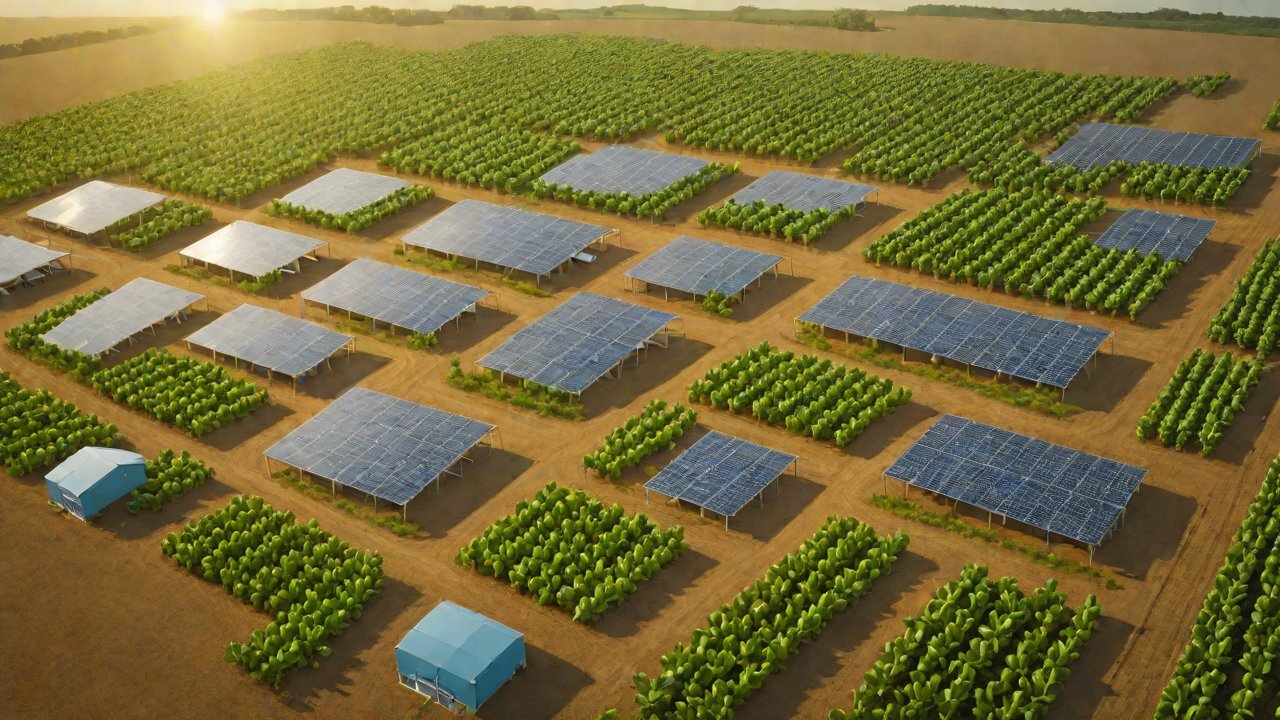
The Immortal Vision of Solar Sensors: Smart Farms Without Battery Replacements?
In the realm of modern agriculture, innovation has become a driving force behind efficiency and sustainability. The integration of solar sensors into farming practices has been a significant development in this regard. These cutting-edge devices have not only enhanced crop monitoring capabilities but also paved the way for autonomous and self-sustaining smart farms. One of the most intriguing aspects of solar sensor technology is its potential to eliminate battery replacements, thereby reducing operational costs and environmental impact.
1. Solar Sensor Technology Overview
Solar sensors are essentially photovoltaic-powered devices that harness sunlight to generate electricity. This energy is then used to power various functions within a smart farm setup, including data transmission and processing. The core advantage of solar sensors lies in their ability to operate perpetually without the need for battery replacements.
| Feature | Description |
|---|---|
| Solar Panel Efficiency | Up to 23% efficiency rates, enabling effective energy harvesting |
| Power Generation Capacity | Suitable for powering low-power devices such as sensors and microcontrollers |
2. Benefits of Immortal Vision in Smart Farms
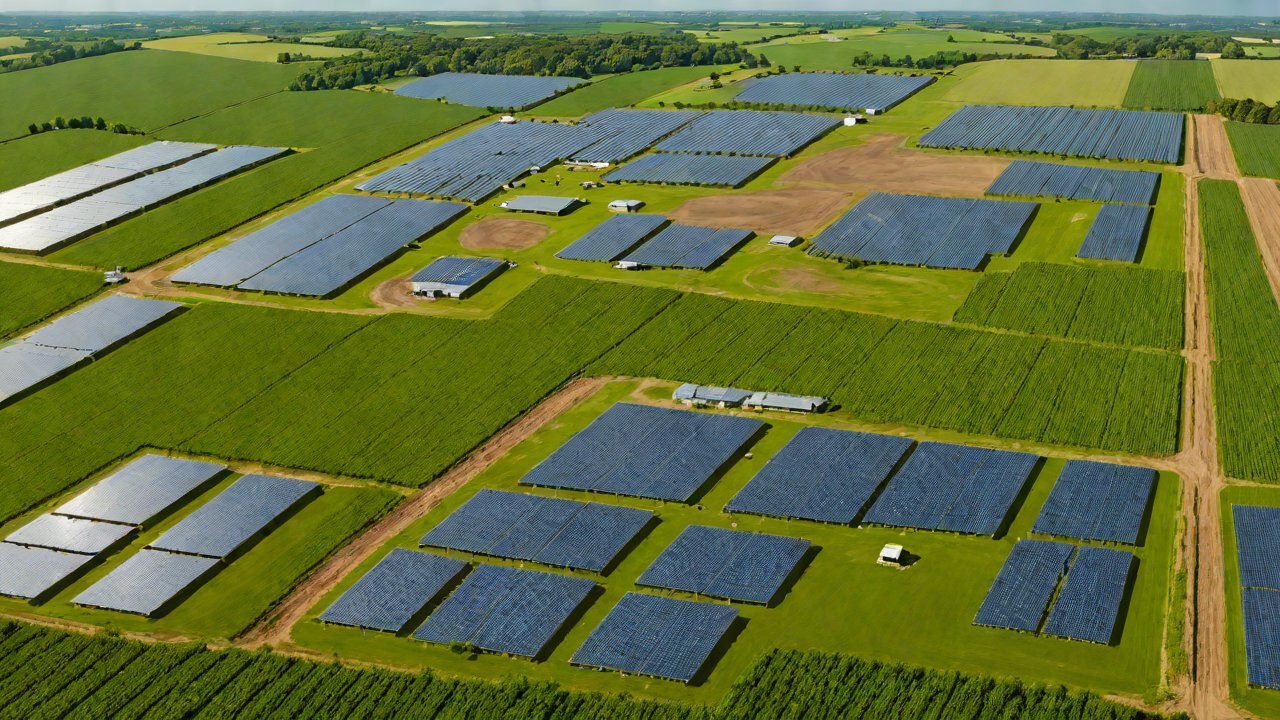
The concept of ‘immortal vision’ refers to the perpetual operation of solar sensors without the need for battery replacements or recharging. This paradigm shift offers numerous benefits, including:
- Reduced Maintenance Costs: Elimination of battery replacement leads to significant cost savings over time.
- Increased Uptime: With no downtime for battery replacements, solar sensors can continuously monitor and control farm operations.
3. Market Demand and Adoption
The market demand for smart farming solutions is on the rise, driven by factors such as increasing global food demands and environmental concerns.
| Year | Smart Farming Market Size (USD billion) |
|---|---|
| 2020 | 11.8 |
| 2025 | 23.2 |
4. Technical Perspectives
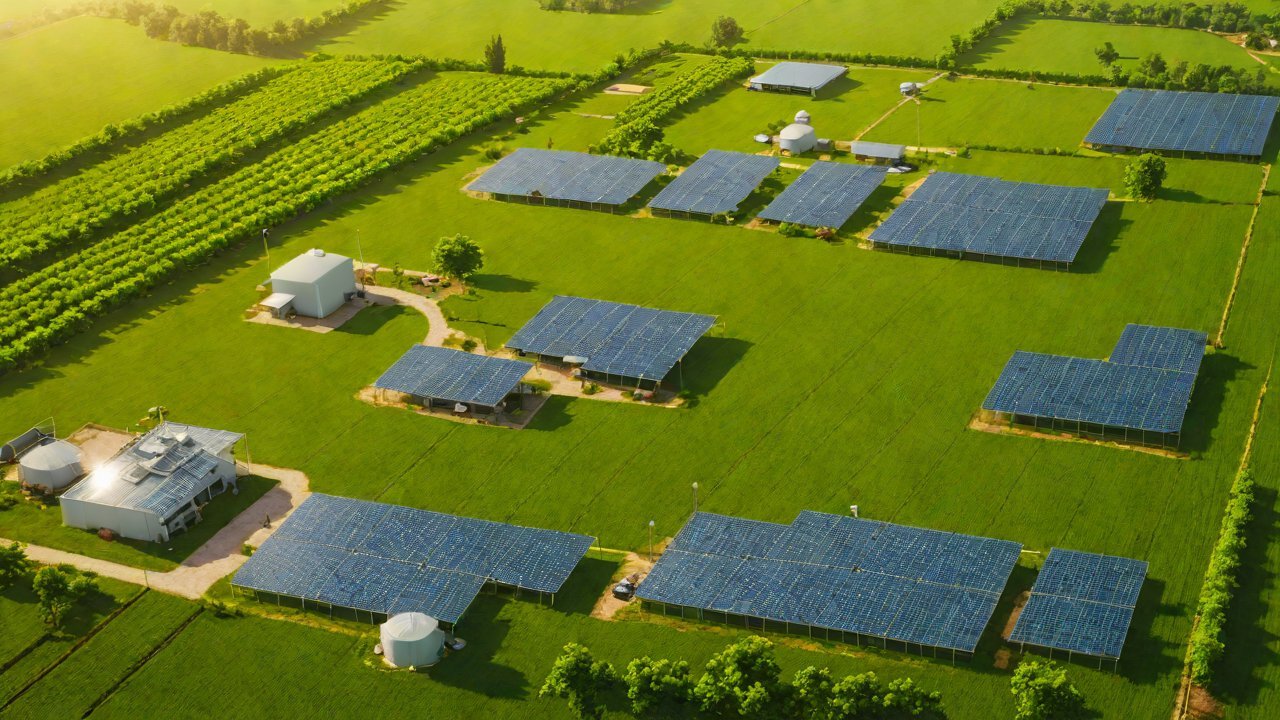
Solar sensors rely on advanced photovoltaic materials to maximize energy efficiency and minimize power consumption. These devices are designed to operate in a wide range of environmental conditions, including temperature fluctuations and varying light intensities.
| Solar Sensor Component | Description |
|---|---|
| Photovoltaic Cell | Converts sunlight into electrical energy |
| Microcontroller | Processes data from sensors and transmits it wirelessly |
5. Challenges and Limitations
While the concept of immortal vision is promising, several challenges need to be addressed:
- Energy Storage: Solar sensors require efficient energy storage solutions to ensure continuous operation during periods of low light.
- Scalability: Large-scale implementation of solar sensors poses technical and logistical challenges.
6. Future Outlook and Recommendations
The integration of solar sensors into smart farming practices is poised for significant growth, driven by increasing demand for sustainable agriculture. Key recommendations include:
- Investment in R&D: Continued research into advanced photovoltaic materials and energy storage solutions.
- Scalable Deployment Strategies: Development of scalable deployment strategies to facilitate large-scale adoption.
7. Conclusion
The immortal vision of solar sensors has the potential to revolutionize smart farming by eliminating battery replacements and reducing operational costs. As the demand for sustainable agriculture continues to grow, the integration of solar sensors into smart farm setups is likely to become increasingly prevalent.
IOT Cloud Platform
IOT Cloud Platform is an IoT portal established by a Chinese IoT company, focusing on technical solutions in the fields of agricultural IoT, industrial IoT, medical IoT, security IoT, military IoT, meteorological IoT, consumer IoT, automotive IoT, commercial IoT, infrastructure IoT, smart warehousing and logistics, smart home, smart city, smart healthcare, smart lighting, etc.
The IoT Cloud Platform blog is a top IoT technology stack, providing technical knowledge on IoT, robotics, artificial intelligence (generative artificial intelligence AIGC), edge computing, AR/VR, cloud computing, quantum computing, blockchain, smart surveillance cameras, drones, RFID tags, gateways, GPS, 3D printing, 4D printing, autonomous driving, etc.



