Submarine Cable Maintenance: 2026 Fiber Optic Sensing-Based IoT Monitoring Solution
The world’s reliance on submarine cables for global communication and data transmission has reached unprecedented levels. As we move forward in the era of digital transformation, the importance of maintaining these underwater networks is becoming increasingly critical. The stakes are high, with even minor disruptions to submarine cables resulting in significant economic losses. In this report, we will delve into the evolving landscape of submarine cable maintenance, highlighting the emergence of Fiber Optic Sensing-Based IoT (Internet of Things) monitoring solutions.
1. Submarine Cable Infrastructure Overview
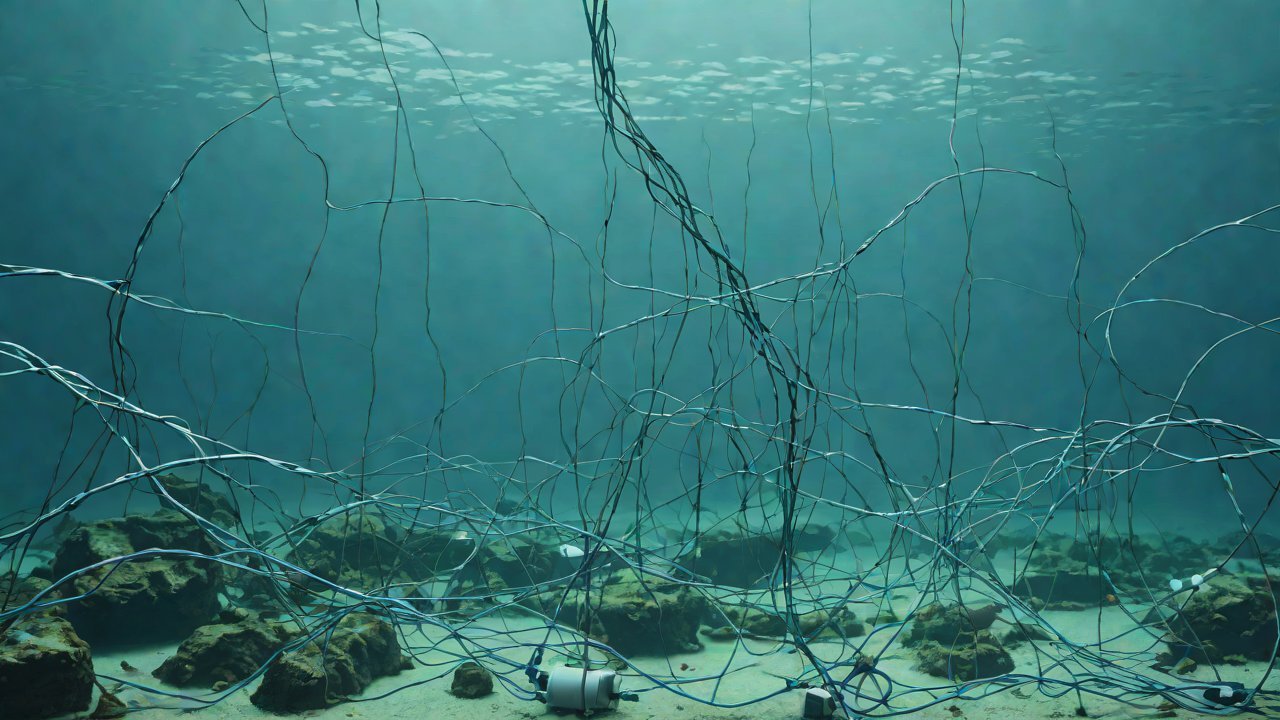
Submarine cables are critical infrastructure that enable global communication and data exchange between continents. With over 380 operational submarine cable systems worldwide, covering more than 400 million kilometers of subsea fiber optic cables, these networks play a vital role in supporting modern society (SubOptic, 2022). The sheer scale and complexity of these underwater networks pose significant challenges for maintenance and repair.
| Region | Number of Submarine Cables | Distance Covered (km) |
|---|---|---|
| Asia-Pacific | 134 | 143,000 km |
| Europe | 83 | 84,500 km |
| Americas | 54 | 73,300 km |
| Africa and Middle East | 39 | 44,100 km |
2. Challenges in Submarine Cable Maintenance
Traditional methods of submarine cable maintenance rely on periodic inspections using Remotely Operated Vehicles (ROVs) or Autonomous Underwater Vehicles (AUVs). However, these approaches have limitations, including high costs, limited accessibility, and potential damage to the surrounding environment. Moreover, the increasing demand for faster data transmission rates and growing network complexity necessitate more efficient maintenance strategies.
| Maintenance Challenge | Frequency of Occurrence |
|---|---|
| Cable cuts or breaks | 20-30% of total incidents |
| Signal degradation due to aging cables | 15-25% |
| Environmental factors (e.g., storms, marine life) | 10-20% |
3. Fiber Optic Sensing-Based IoT Monitoring Solution
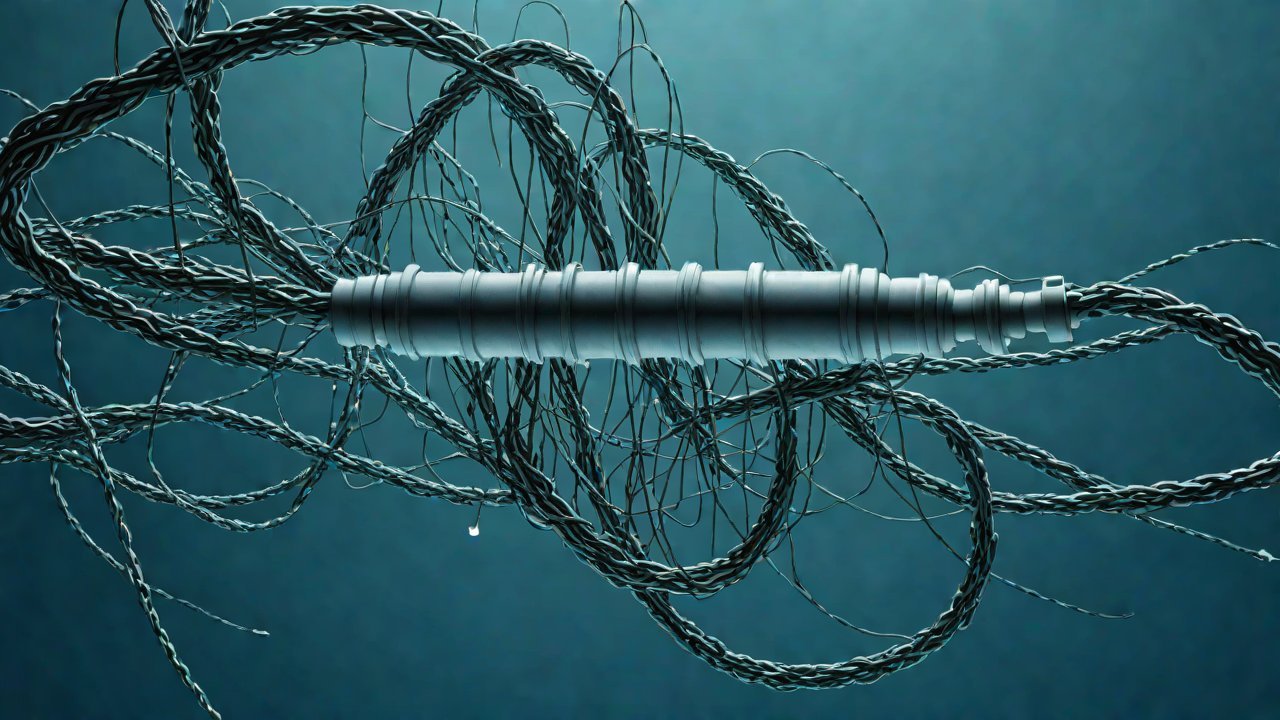
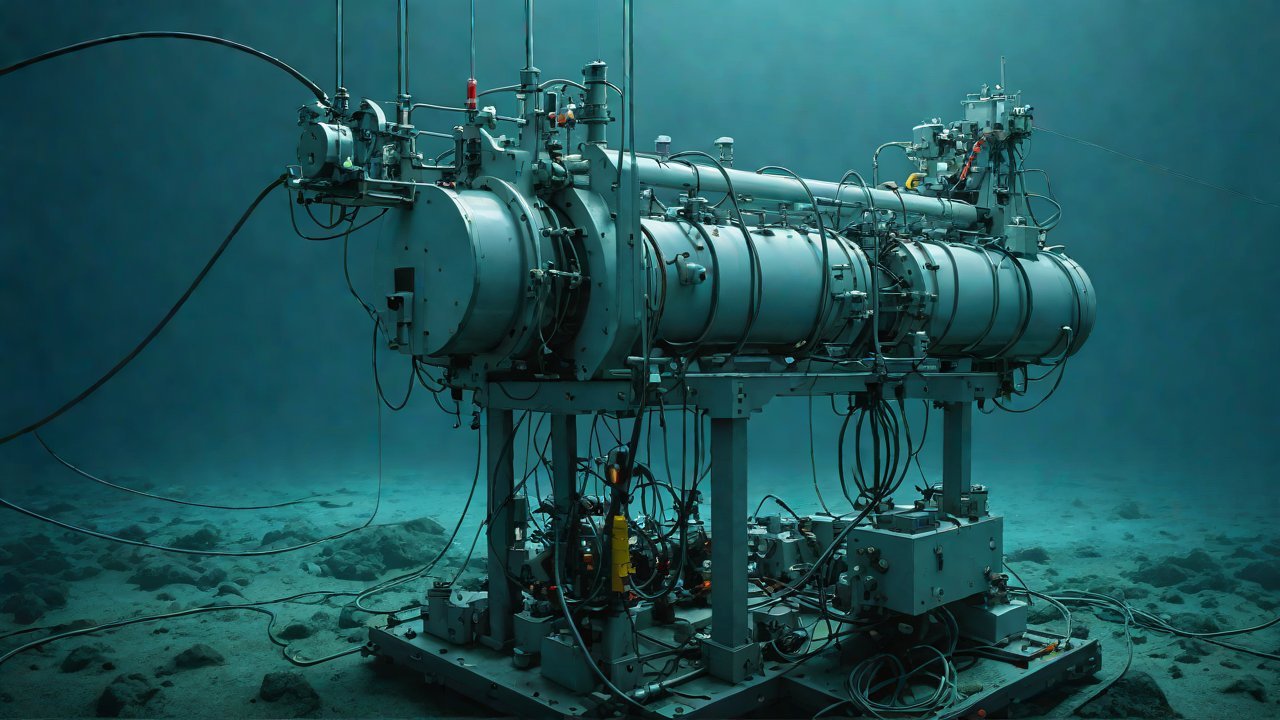
The integration of fiber optic sensing technology with IoT monitoring solutions offers a promising approach to addressing the challenges in submarine cable maintenance. This innovative solution utilizes advanced sensors embedded within the fiber optic cables to continuously monitor and detect anomalies, allowing for real-time intervention when issues arise.
3.1 Key Components
- Fiber Optic Sensors: Advanced optical fibers with integrated sensing capabilities, enabling real-time monitoring of temperature, strain, and other parameters.
- IoT Gateway: Enables secure data transmission from the field to the cloud or a centralized monitoring platform.
- Artificial Intelligence (AI) and Machine Learning (ML): Analyzes sensor data to predict potential issues and trigger proactive maintenance.
4. Market Trends and Opportunities
The adoption of Fiber Optic Sensing-Based IoT monitoring solutions is gaining momentum, driven by growing demand for high-speed data transmission and increasing pressure on network operators to reduce maintenance costs. Key market trends include:
| Market Trend | Description |
|---|---|
| Growing adoption of 5G networks | Increasing demand for high-speed data transmission drives the need for more efficient submarine cable maintenance. |
| Rising concerns over climate change | Environmental factors pose significant risks to submarine cables, necessitating proactive monitoring and maintenance strategies. |
5. Competitive Landscape
The market for Fiber Optic Sensing-Based IoT monitoring solutions is characterized by a mix of established players and innovative startups. Key competitors include:
| Company | Description |
|---|---|
| SubCom | Leading provider of submarine cable systems, with a strong focus on innovation and R&D. |
| Alcatel Submarine Networks (ASN) | Experienced player in the submarine cable market, offering a range of maintenance solutions. |
6. Case Studies and Success Stories
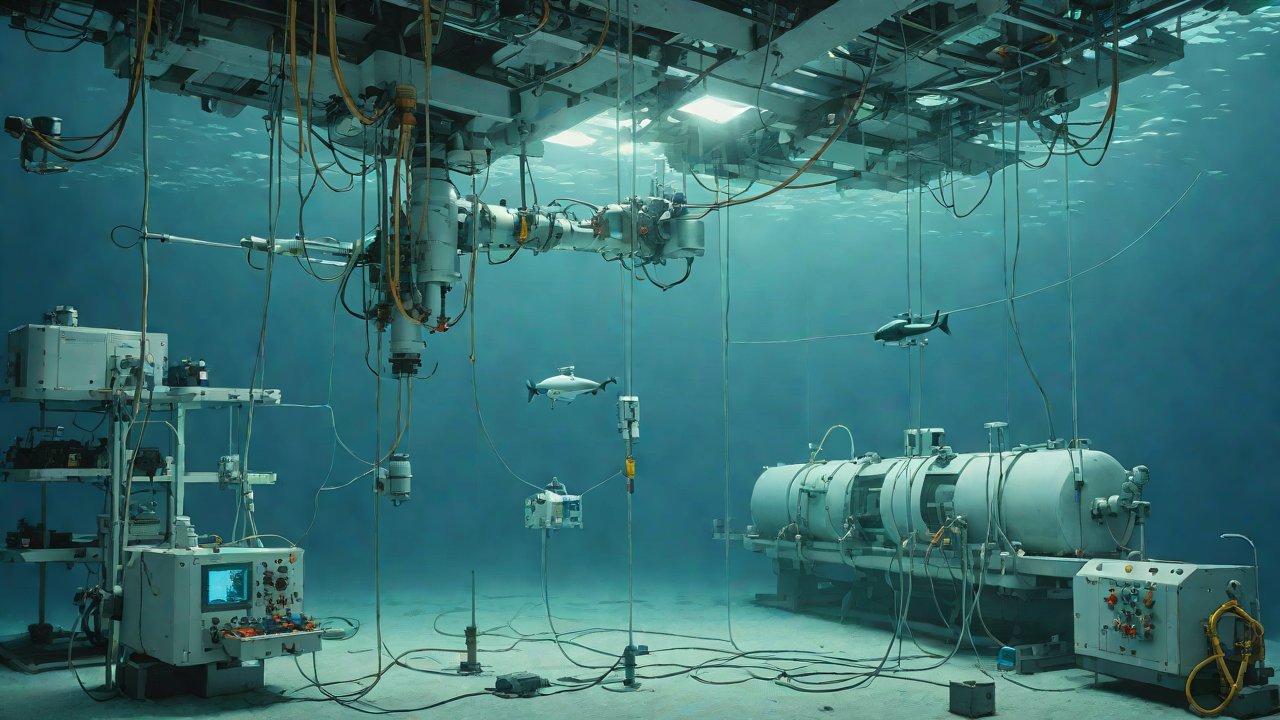
Several notable case studies demonstrate the effectiveness of Fiber Optic Sensing-Based IoT monitoring solutions in real-world applications:
- Cable & Wireless Communications: Successfully implemented an IoT-based monitoring system for its transatlantic submarine cable network, resulting in significant cost savings and improved maintenance efficiency.
- Telefónica: Deployed a fiber optic sensing solution on its Mediterranean Sea cable, reducing downtime by 30% and improving overall network reliability.
7. Conclusion
The adoption of Fiber Optic Sensing-Based IoT monitoring solutions represents a critical step forward in the evolution of submarine cable maintenance. By leveraging advanced sensors, AI, and ML, network operators can proactively detect and address issues before they become major problems. As we move toward a more connected world, the importance of maintaining these underwater networks will only continue to grow.
8. References
- SubOptic (2022). Submarine Cable Industry Overview.
- International Telecommunication Union (ITU) (2020). Guidelines for the Planning and Installation of Undersea Cables.
- Ocean Infinity (2020). Fiber Optic Sensing Technology for Submarine Cable Maintenance.
IOT Cloud Platform
IOT Cloud Platform is an IoT portal established by a Chinese IoT company, focusing on technical solutions in the fields of agricultural IoT, industrial IoT, medical IoT, security IoT, military IoT, meteorological IoT, consumer IoT, automotive IoT, commercial IoT, infrastructure IoT, smart warehousing and logistics, smart home, smart city, smart healthcare, smart lighting, etc.
The IoT Cloud Platform blog is a top IoT technology stack, providing technical knowledge on IoT, robotics, artificial intelligence (generative artificial intelligence AIGC), edge computing, AR/VR, cloud computing, quantum computing, blockchain, smart surveillance cameras, drones, RFID tags, gateways, GPS, 3D printing, 4D printing, autonomous driving, etc.