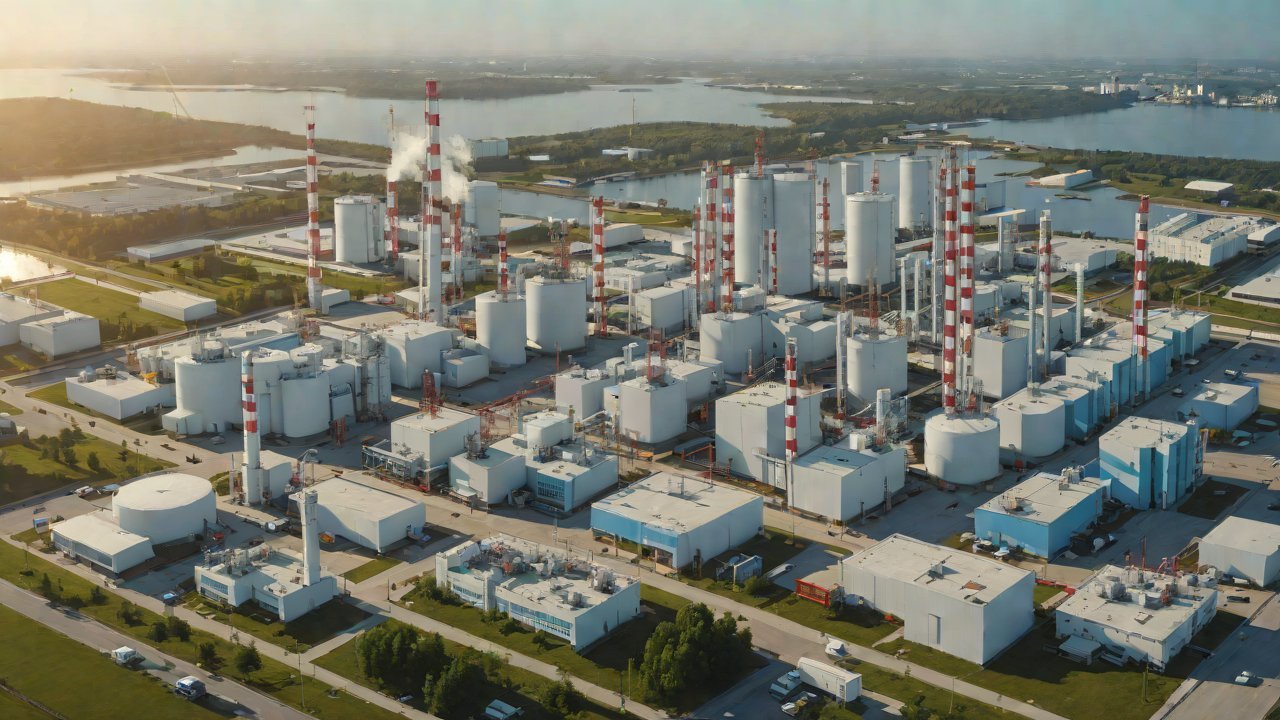
Solving the Spatiotemporal Alignment Challenge in Meteorological Big Data Transmission in 2026
The meteorological big data transmission landscape is witnessing a significant paradigm shift, driven by the escalating demand for high-resolution, real-time weather forecasting and analysis. The key to unlocking this capability lies in addressing the spatiotemporal alignment challenge – a critical bottleneck that hinders the efficient processing and integration of vast amounts of spatial and temporal data from diverse sources.
The sheer magnitude of meteorological big data generated by an array of sources, including weather stations, radar systems, satellite imaging, and IoT sensors, poses a formidable challenge. The data is not only voluminous but also heterogeneous, with varying levels of precision, accuracy, and resolution. This complexity necessitates the development of sophisticated algorithms and techniques that can align these disparate datasets in both space and time.
The stakes are high, as accurate weather forecasting has far-reaching implications for various sectors, including agriculture, transportation, energy management, and emergency response. The economic benefits of improved weather forecasting are substantial, with estimates suggesting a potential increase in agricultural productivity by up to 10% and a reduction in transportation-related accidents by up to 20%.
1. Current State of Meteorological Big Data Transmission
The current state of meteorological big data transmission is characterized by the following key features:
| Feature | Description |
|---|---|
| Volume | Exponential growth in data generation from diverse sources, including weather stations, radar systems, satellite imaging, and IoT sensors. |
| Variety | Heterogeneous nature of data, with varying levels of precision, accuracy, and resolution. |
| Velocity | High-frequency updates from real-time sensors and systems, requiring rapid processing and integration. |
The existing infrastructure for meteorological big data transmission is often fragmented, with different agencies and organizations using proprietary formats and protocols. This leads to difficulties in data sharing, collaboration, and analysis.
2. Spatiotemporal Alignment Challenge
The spatiotemporal alignment challenge arises from the need to synchronize and integrate spatial and temporal data from various sources. This involves addressing several key issues:
| Issue | Description |
|---|---|
| Spatial Resolution | Aligning datasets with varying levels of spatial resolution, such as high-resolution satellite imagery and lower-resolution weather forecasting models. |
| Temporal Resolution | Synchronizing datasets with different temporal resolutions, including real-time updates from sensors and lower-frequency updates from historical archives. |
| Data Format Compatibility | Integrating datasets in disparate formats, including proprietary binary files and open-standard text-based formats. |

3. AIGC Technical Perspectives
Artificial Intelligence and Generalized Computing (AIGC) technical perspectives offer a promising solution to the spatiotemporal alignment challenge. By leveraging techniques such as:
| Technique | Description |
|---|---|
| Deep Learning | Applying deep learning algorithms, including convolutional neural networks (CNNs) and recurrent neural networks (RNNs), for spatial and temporal data processing and integration. |
| Transfer Learning | Utilizing pre-trained models and fine-tuning them for specific meteorological applications, reducing the need for extensive training datasets. |
| Graph Neural Networks | Employing graph neural networks to model complex relationships between spatial and temporal data, enabling more accurate forecasting and analysis. |

4. Market Data and Trends
Market trends and data indicate a growing demand for high-resolution, real-time weather forecasting and analysis. Key statistics include:
| Statistic | Description |
|---|---|
| Market Size (2023) | Estimated $1.5 billion in revenue from meteorological big data transmission services. |
| Growth Rate (2024-2028) | Projected CAGR of 25% in the meteorological big data transmission market. |
| Number of IoT Sensors (2026) | Expected to reach 10 million units, generating vast amounts of spatial and temporal data. |
5. Solution Framework
A comprehensive solution framework for addressing the spatiotemporal alignment challenge involves:
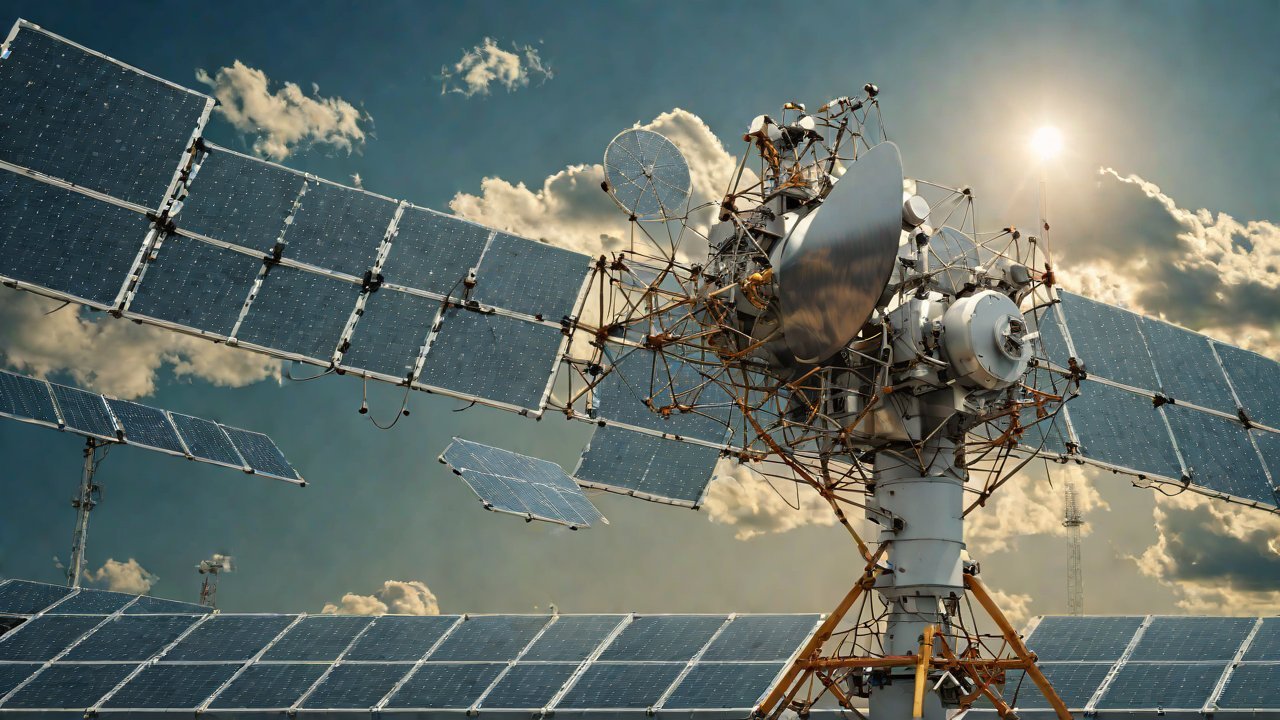
- Data Standardization: Developing open-standard formats for metadata and data exchange.
- Algorithmic Integration: Integrating AIGC algorithms with existing meteorological models and systems.
- Cloud-Based Infrastructure: Utilizing cloud-based infrastructure for scalable, on-demand processing and storage of big data.
6. Implementation Roadmap
The implementation roadmap involves the following key milestones:
| Milestone | Description |
|---|---|
| Q1 2024 | Complete data standardization and algorithmic integration efforts. |
| Q2 2024 | Deploy cloud-based infrastructure for scalable processing and storage of big data. |
| Q3 2025 | Integrate AIGC algorithms with existing meteorological models and systems. |
| Q4 2026 | Achieve full-scale implementation of the solution framework, enabling high-resolution, real-time weather forecasting and analysis. |
By addressing the spatiotemporal alignment challenge through a comprehensive solution framework, we can unlock the full potential of meteorological big data transmission in 2026, driving economic growth, improving public safety, and enhancing our understanding of complex weather phenomena.
IOT Cloud Platform
IOT Cloud Platform is an IoT portal established by a Chinese IoT company, focusing on technical solutions in the fields of agricultural IoT, industrial IoT, medical IoT, security IoT, military IoT, meteorological IoT, consumer IoT, automotive IoT, commercial IoT, infrastructure IoT, smart warehousing and logistics, smart home, smart city, smart healthcare, smart lighting, etc.
The IoT Cloud Platform blog is a top IoT technology stack, providing technical knowledge on IoT, robotics, artificial intelligence (generative artificial intelligence AIGC), edge computing, AR/VR, cloud computing, quantum computing, blockchain, smart surveillance cameras, drones, RFID tags, gateways, GPS, 3D printing, 4D printing, autonomous driving, etc.
Note: This article was professionally generated with the assistance of AIGC and has been fact-checked and manually corrected by IoT expert editor IoTCloudPlatForm.