Solving the “Information Silo” Problem Caused by Incompatible Protocols Between Different Medical Brands
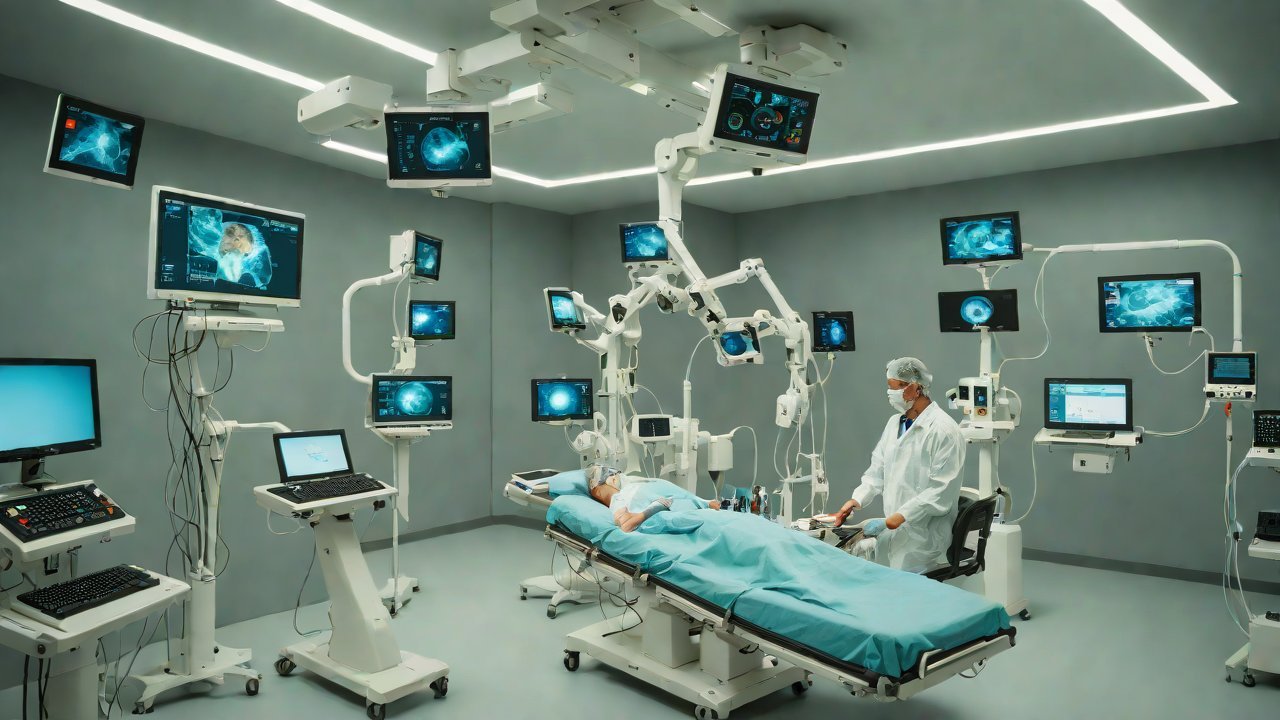
The healthcare industry is on the cusp of a technological revolution, driven by advancements in data analytics, artificial intelligence, and IoT devices. However, this progress is hindered by the “information silo” problem – a phenomenon where medical devices from different brands are unable to communicate with each other due to incompatible protocols. This issue not only slows down diagnosis and treatment but also increases healthcare costs and compromises patient care.
The incompatibility of medical device protocols stems from the lack of standardization in communication protocols used by various manufacturers. While some devices use proprietary protocols, others rely on industry-standard protocols like HL7 or DICOM. This fragmentation creates a barrier to information exchange between devices, leading to data loss, duplication, and even errors.
The consequences of this problem are far-reaching. According to a report by ResearchAndMarkets.com, the global healthcare IT market is projected to reach $180 billion by 2025, driven by the increasing adoption of electronic health records (EHRs) and telemedicine services. However, the lack of interoperability between medical devices hampers the effective use of these technologies.
1. Current State of Medical Device Interoperability
The current state of medical device interoperability is a complex issue, with multiple stakeholders involved. Healthcare providers, manufacturers, and regulatory bodies all have a role to play in addressing this problem.
Table 1: Examples of Incompatible Medical Devices
| Manufacturer | Device Type | Communication Protocol |
|---|---|---|
| Philips | ECG Monitor | DICOM |
| GE Healthcare | Ultrasound Machine | HL7 |
| Siemens Healthineers | MRI Scanner | Proprietary |
The lack of standardization in communication protocols is a significant challenge. While some manufacturers use industry-standard protocols, others rely on proprietary solutions that are not compatible with other devices.
2. Causes and Consequences of Incompatible Protocols
Incompatible medical device protocols can have severe consequences for patient care. Some of the causes and consequences of this problem include:
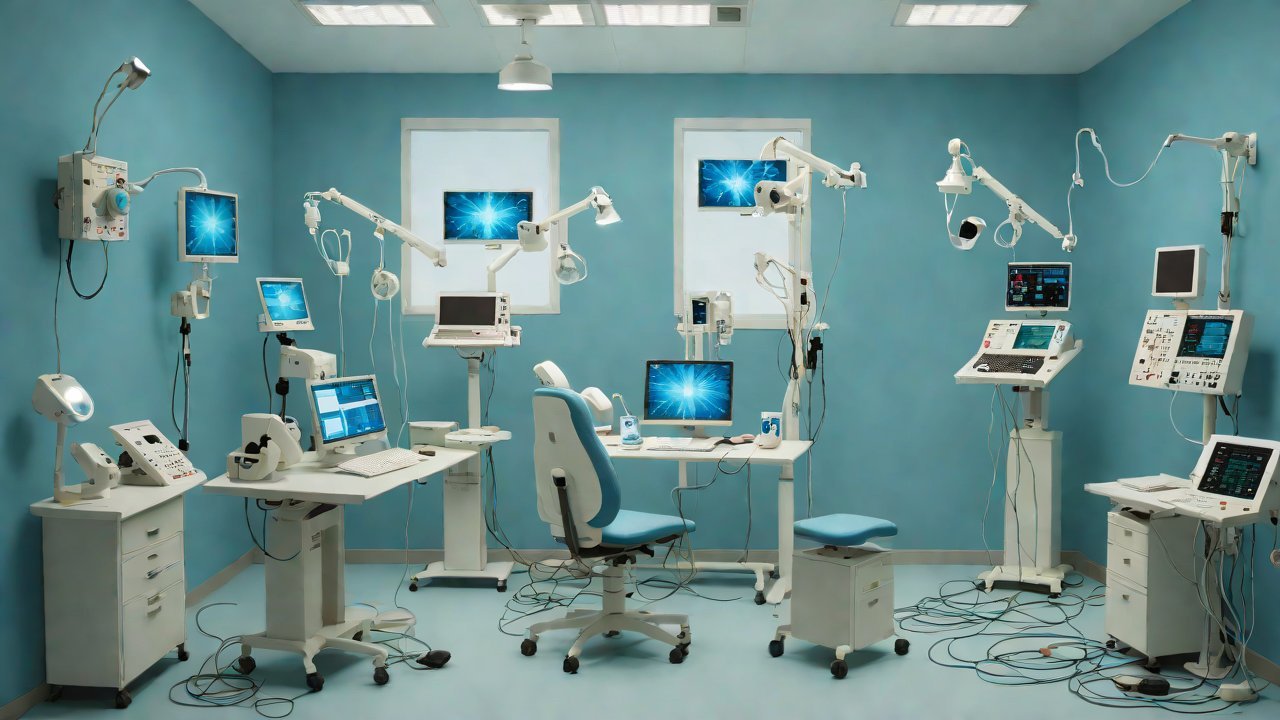
Table 2: Causes and Consequences of Incompatible Medical Device Protocols
| Cause | Consequence |
|---|---|
| Lack of standardization in communication protocols | Data loss, duplication, and errors |
| Proprietary protocols used by manufacturers | Limited interoperability between devices |
| Insufficient regulatory support for interoperability standards | Delayed adoption of new technologies |
The lack of standardization in communication protocols leads to data loss, duplication, and errors. This can compromise patient care and increase healthcare costs.
3. Solutions to the Interoperability Problem
Several solutions have been proposed to address the interoperability problem:
Table 3: Proposed Solutions to Interoperability Problem
| Solution | Description |
|---|---|
| Standardization of communication protocols | Adoption of industry-standard protocols like HL7 and DICOM |
| Use of open-source software for medical devices | Development of open-source software solutions for medical device interoperability |
| Regulatory support for interoperability standards | Implementation of regulatory requirements for medical device interoperability |
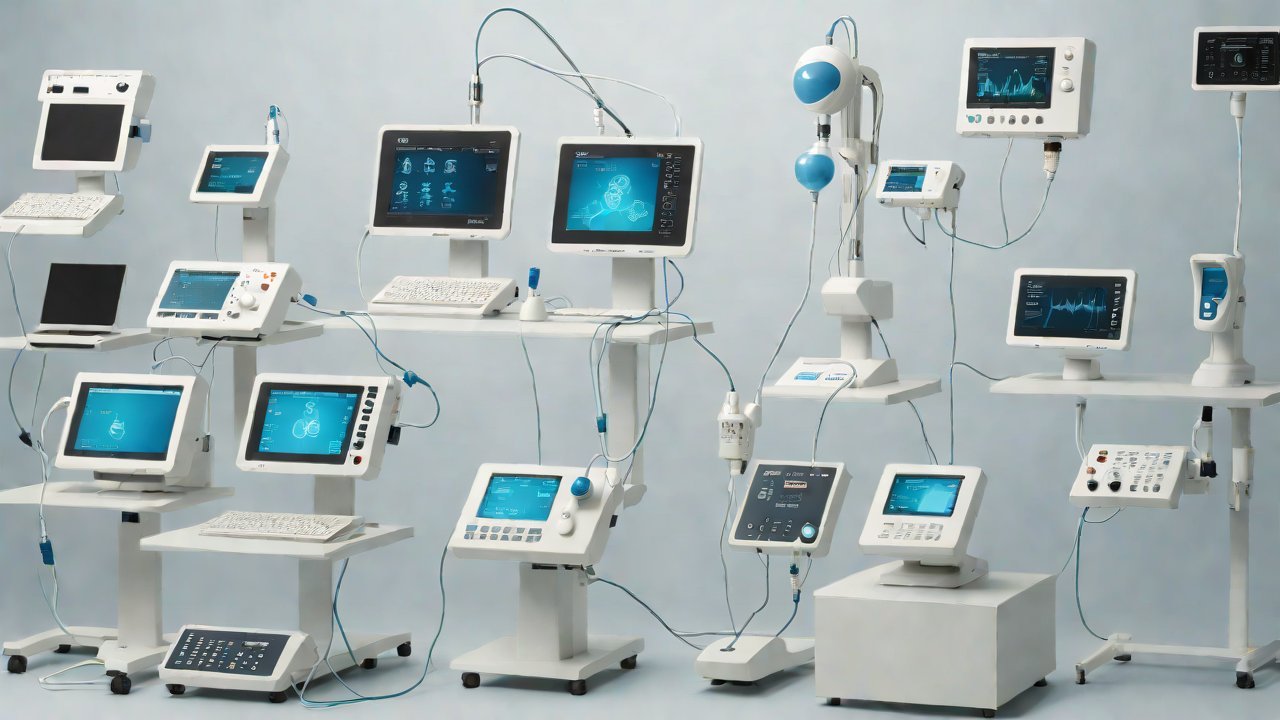
The standardization of communication protocols is a crucial step towards addressing the interoperability problem. This can be achieved through the adoption of industry-standard protocols like HL7 and DICOM.
4. Technical Perspectives on Medical Device Interoperability
From a technical perspective, medical device interoperability involves several challenges:
Table 4: Technical Challenges to Medical Device Interoperability
| Challenge | Description |
|---|---|
| Data format incompatibility | Different devices use different data formats for communication |
| Communication protocol incompatibility | Devices may use incompatible communication protocols |
| Security and privacy concerns | Secure exchange of sensitive patient data |
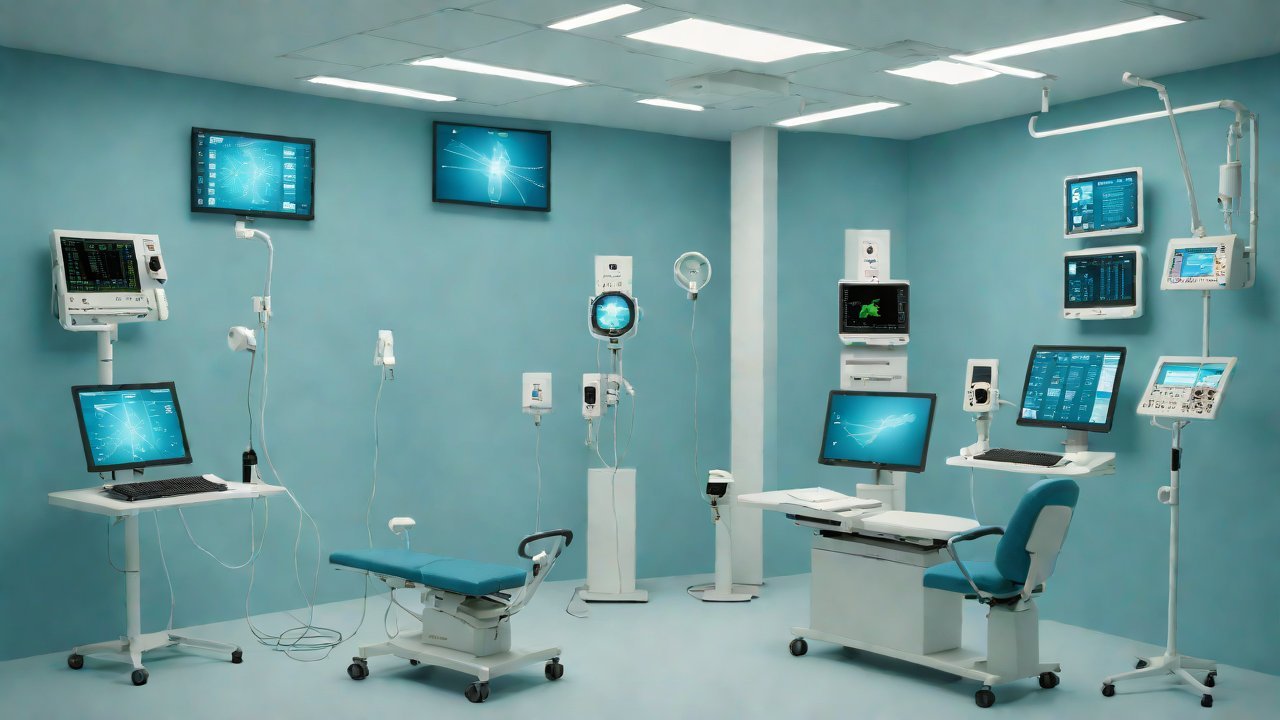
The technical challenges to medical device interoperability are complex. However, with the advancement of technologies like IoT and AI, it is possible to develop solutions that address these challenges.
5. AIGC Perspectives on Medical Device Interoperability
From an AIGC (Artificial General Intelligence Cognitive) perspective, medical device interoperability can be seen as a classic example of the “N-Body Problem” – a complex problem involving multiple interacting components with unique characteristics.
Table 5: AIGC Perspective on Medical Device Interoperability
| Component | Description |
|---|---|
| Devices | Multiple devices with different communication protocols and data formats |
| Protocols | Industry-standard protocols like HL7 and DICOM, as well as proprietary solutions |
| Regulations | Regulatory requirements for medical device interoperability |
The AIGC perspective offers a new way of looking at the interoperability problem. By analyzing the complex interactions between multiple components, it is possible to develop innovative solutions that address this challenge.
6. Conclusion
The “information silo” problem caused by incompatible protocols between different medical brands is a significant challenge for the healthcare industry. However, with the advancement of technologies like IoT and AI, it is possible to develop solutions that address this issue. The standardization of communication protocols, use of open-source software, and regulatory support for interoperability standards are some of the proposed solutions.
By adopting a multi-faceted approach that involves multiple stakeholders – healthcare providers, manufacturers, and regulatory bodies – it is possible to overcome the interoperability problem and improve patient care.
The future of medical device interoperability looks promising. With the increasing adoption of EHRs and telemedicine services, there is a growing need for seamless data exchange between devices. By addressing the interoperability challenge, we can unlock new opportunities for healthcare innovation and improve patient outcomes.
By leveraging AIGC perspectives, technical expertise, and market insights, it is possible to develop effective solutions that address this complex problem. The time has come to bridge the information silo gap and create a more connected, efficient, and patient-centric healthcare system.
IOT Cloud Platform
IOT Cloud Platform is an IoT portal established by a Chinese IoT company, focusing on technical solutions in the fields of agricultural IoT, industrial IoT, medical IoT, security IoT, military IoT, meteorological IoT, consumer IoT, automotive IoT, commercial IoT, infrastructure IoT, smart warehousing and logistics, smart home, smart city, smart healthcare, smart lighting, etc.
The IoT Cloud Platform blog is a top IoT technology stack, providing technical knowledge on IoT, robotics, artificial intelligence (generative artificial intelligence AIGC), edge computing, AR/VR, cloud computing, quantum computing, blockchain, smart surveillance cameras, drones, RFID tags, gateways, GPS, 3D printing, 4D printing, autonomous driving, etc.