Solving Signal Fluctuation Issues for IoT Monitoring Equipment in Factory Areas with High Electromagnetic Interference
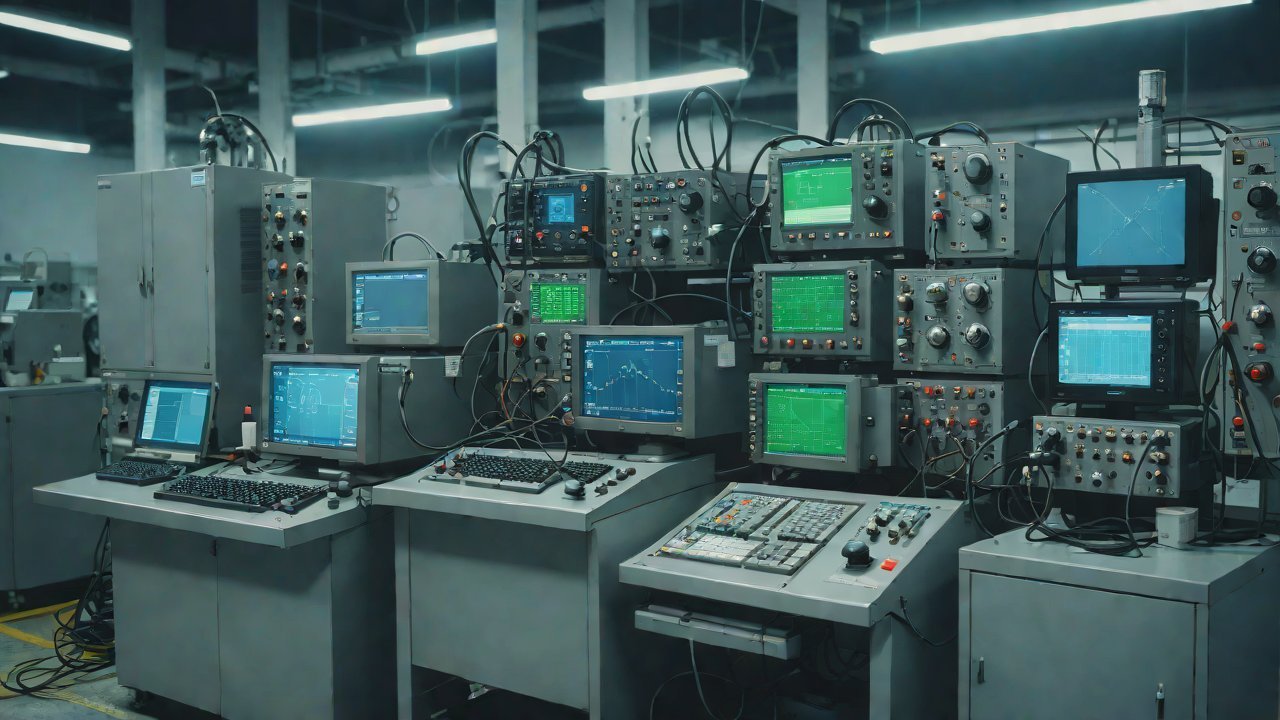
The factory floor is a hotbed of electromagnetic activity, where machinery hums, motors whine, and electrical devices buzz. This cacophony of electromagnetic noise can have a devastating effect on IoT monitoring equipment, causing signal fluctuations that compromise data accuracy and reliability. In this environment, maintaining a stable and consistent signal is crucial for ensuring the smooth operation of industrial processes, predicting equipment failures, and optimizing resource allocation.
1. Understanding Signal Fluctuation in IoT Monitoring Equipment
Signal fluctuation refers to the random variations in the amplitude or frequency of a signal, which can occur due to various factors such as electromagnetic interference (EMI), thermal noise, or electrical noise. In factory areas with high EMI, these fluctuations can be particularly pronounced, leading to inaccurate readings and disrupted communication between devices.
Factors Contributing to Signal Fluctuation
| Factor | Description |
|---|---|
| Electromagnetic Interference (EMI) | Radiation from nearby devices, machinery, or electrical wiring that can cause signal distortion. |
| Thermal Noise | Random fluctuations in electronic components due to temperature changes. |
| Electrical Noise | Disruptions caused by voltage spikes, current surges, or other electrical anomalies. |
2. Impact of Signal Fluctuation on IoT Monitoring Equipment
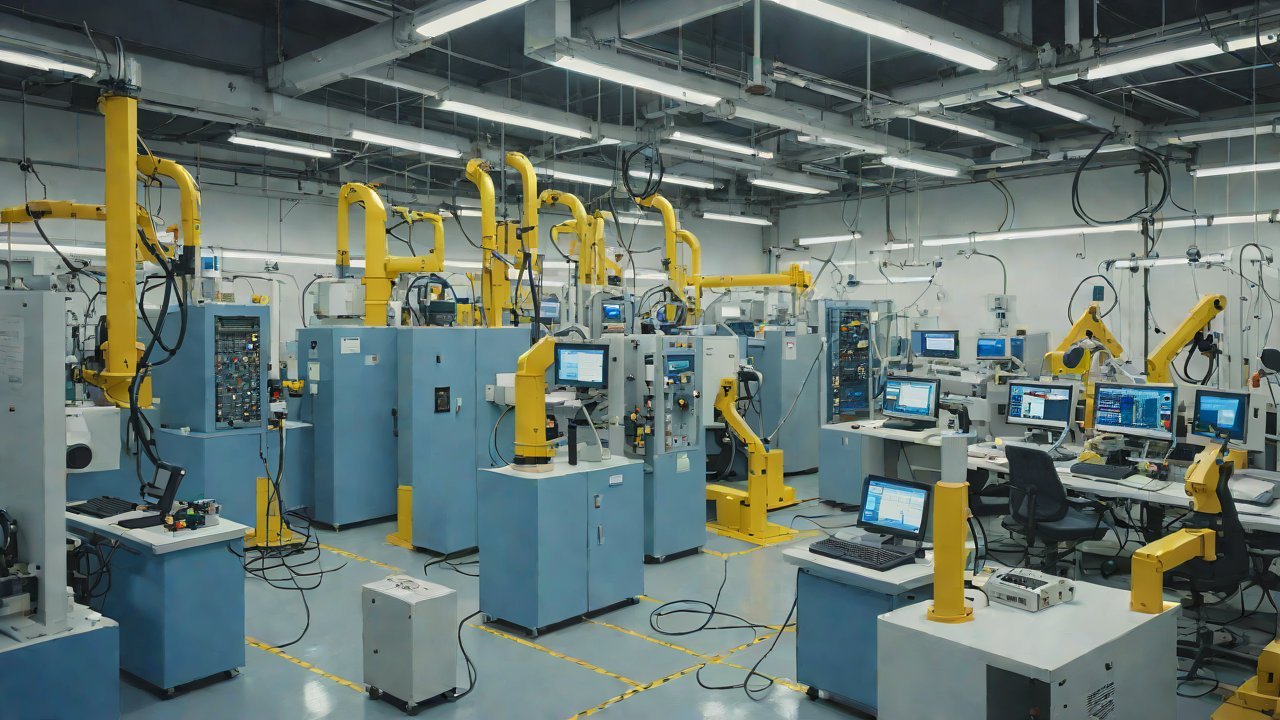
Signal fluctuation can have far-reaching consequences for IoT monitoring equipment and the industrial processes they support:
Data Inaccuracy
- Inaccurate readings can lead to incorrect decisions regarding production schedules, inventory management, and resource allocation.
- Repeated errors can erode trust in data-driven decision-making.
Communication Disruption
- Signal fluctuations can cause devices to lose connectivity or experience delayed communication, leading to operational inefficiencies and downtime.
- In extreme cases, equipment may shut down unexpectedly, resulting in costly repairs or replacements.
Equipment Failure Prediction
- IoT monitoring equipment relies on accurate signal transmission to detect early warning signs of equipment failure.
- Signal fluctuations can mask these warning signs, making it challenging to predict and prevent failures.
3. Mitigation Strategies for Signal Fluctuation Issues
To address the challenges posed by signal fluctuation in factory areas with high EMI, consider implementing the following mitigation strategies:
Shielding and Filtering
- Implement shielding techniques, such as using Faraday cages or electromagnetic interference (EMI) shields, to block external radiation.
- Employ filters, like low-pass or band-pass filters, to reduce unwanted frequencies.
Redundancy and Diversification
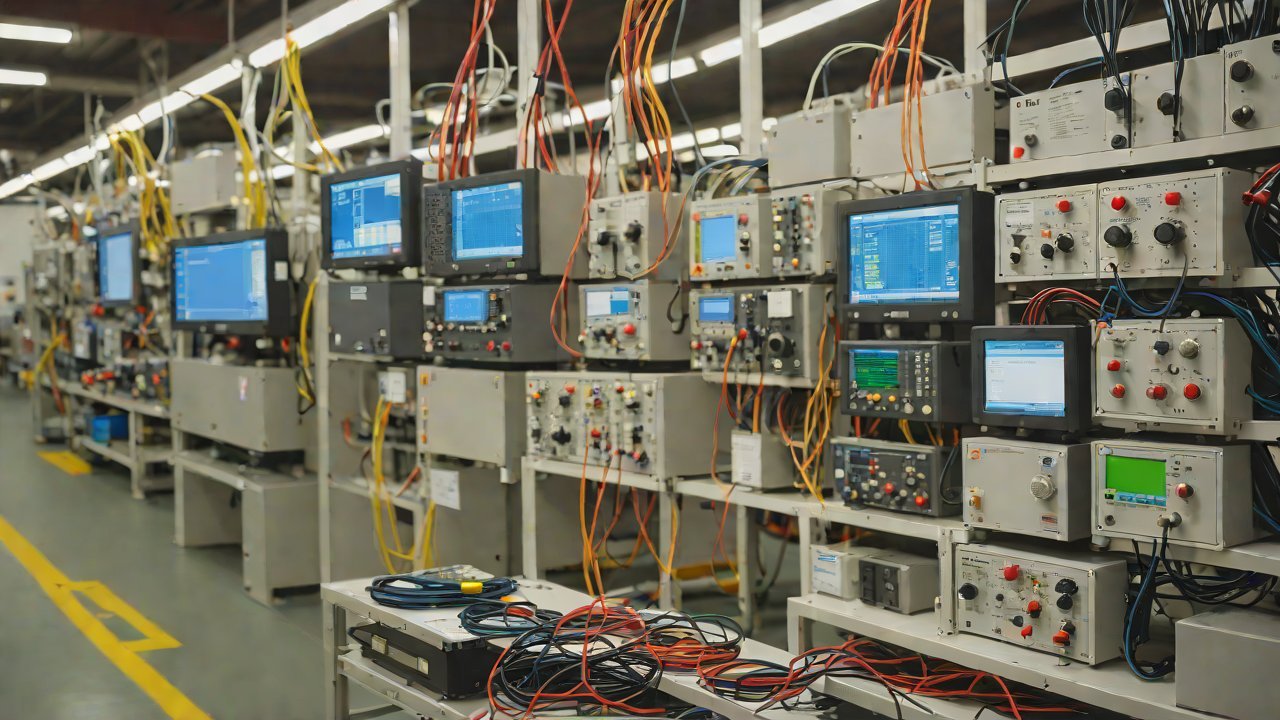
- Implement redundant systems or backup devices to ensure continuity in case of signal loss or equipment failure.
- Use diverse communication protocols or data transmission methods to minimize reliance on a single technology.
4. Signal Processing Techniques for IoT Monitoring Equipment
Signal processing techniques can help mitigate the effects of signal fluctuation and improve data accuracy:
Filtering Algorithms
- Implement adaptive filtering algorithms, such as least mean squares (LMS) or recursive least squares (RLS), to adapt to changing signal conditions.
- Employ wavelet denoising techniques to remove high-frequency noise.
Signal Conditioning
- Use amplifiers or attenuators to adjust signal strength and reduce the impact of external interference.
- Implement impedance matching techniques to minimize signal reflections and losses.
5. Emerging Technologies for IoT Monitoring Equipment
Emerging technologies can provide innovative solutions to address signal fluctuation issues:
Edge Computing
- Implement edge computing architectures that enable real-time processing and analysis of data closer to the source, reducing reliance on cloud-based services.
- Leverage edge AI capabilities to detect anomalies and predict equipment failures.

6. Market Trends and Future Outlook
The market for IoT monitoring equipment is expected to continue growing, driven by increasing adoption in industries like manufacturing, logistics, and energy management:
Key Players
| Company | Solution Offered |
|---|---|
| Siemens | Industrial Edge Computing Platform |
| GE Digital | Predix Industrial Internet of Things (IIoT) Platform |
7. Conclusion
Signal fluctuation is a critical issue for IoT monitoring equipment in factory areas with high EMI, but it can be mitigated through a combination of shielding and filtering, redundancy and diversification, signal processing techniques, emerging technologies, and market-driven solutions. By understanding the factors contributing to signal fluctuation and implementing effective mitigation strategies, manufacturers can ensure the reliability and accuracy of IoT monitoring equipment, supporting data-driven decision-making and optimized resource allocation.
IOT Cloud Platform
IOT Cloud Platform is an IoT portal established by a Chinese IoT company, focusing on technical solutions in the fields of agricultural IoT, industrial IoT, medical IoT, security IoT, military IoT, meteorological IoT, consumer IoT, automotive IoT, commercial IoT, infrastructure IoT, smart warehousing and logistics, smart home, smart city, smart healthcare, smart lighting, etc.
The IoT Cloud Platform blog is a top IoT technology stack, providing technical knowledge on IoT, robotics, artificial intelligence (generative artificial intelligence AIGC), edge computing, AR/VR, cloud computing, quantum computing, blockchain, smart surveillance cameras, drones, RFID tags, gateways, GPS, 3D printing, 4D printing, autonomous driving, etc.
Note: This article was professionally generated with the assistance of AIGC and has been fact-checked and manually corrected by IoT expert editor IoTCloudPlatForm.