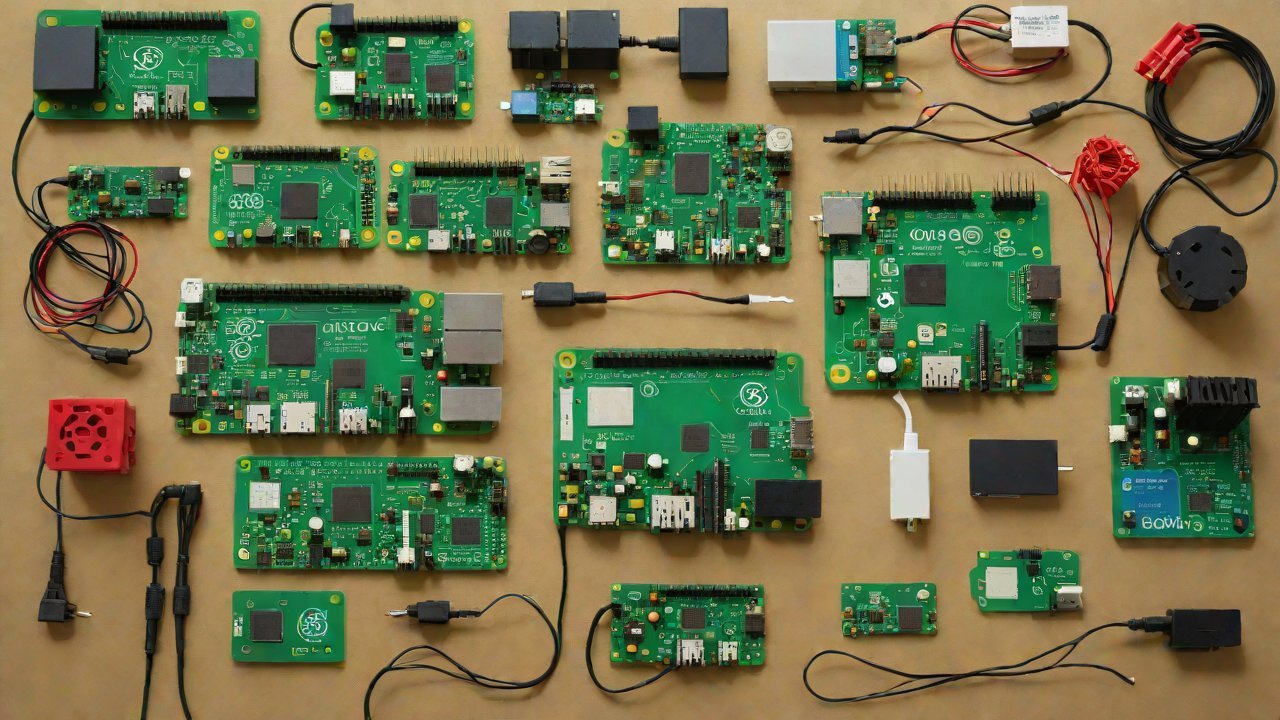
Solution for Concurrent Processing of Multiple Protocols (LoRa, Zigbee, BLE) Using Raspberry Pi
The proliferation of wireless communication protocols has led to a surge in demand for devices that can efficiently process and manage multiple protocols concurrently. Among these, LoRa, Zigbee, and BLE have emerged as prominent contenders in the IoT ecosystem. However, processing these protocols simultaneously poses significant technical challenges due to their varying data rates, transmission powers, and application requirements.
Raspberry Pi, with its robust hardware capabilities and software flexibility, has become an attractive platform for developing devices that can handle multiple protocols concurrently. The goal of this report is to explore the feasibility of using Raspberry Pi as a single board computer (SBC) to process LoRa, Zigbee, and BLE protocols simultaneously.
1. Technical Background
1.1 Protocol Overview
Table: Protocol Characteristics
| Protocol | Data Rate | Transmission Power | Application Requirements |
|---|---|---|---|
| LoRa | 0.3-27 kbps | -20 to +30 dBm | Low-power, long-range communication for IoT devices |
| Zigbee | 20-40 kbps | 0-+20 dBm | Wireless personal area network (WPAN) for home automation and IoT applications |
| BLE | 1-2 Mbps | 0-+20 dBm | Wireless PAN for proximity sensing and data transfer |
1.2 Raspberry Pi Specifications
Table: Raspberry Pi Model 4B Specifications
| Component | Description |
|---|---|
| CPU | Quad-core Cortex-A72 @ 1.5 GHz |
| RAM | 4 GB DDR4 SDRAM |
| Storage | MicroSD card slot |
| Connectivity | Gigabit Ethernet, dual-band 802.11ac Wi-Fi |
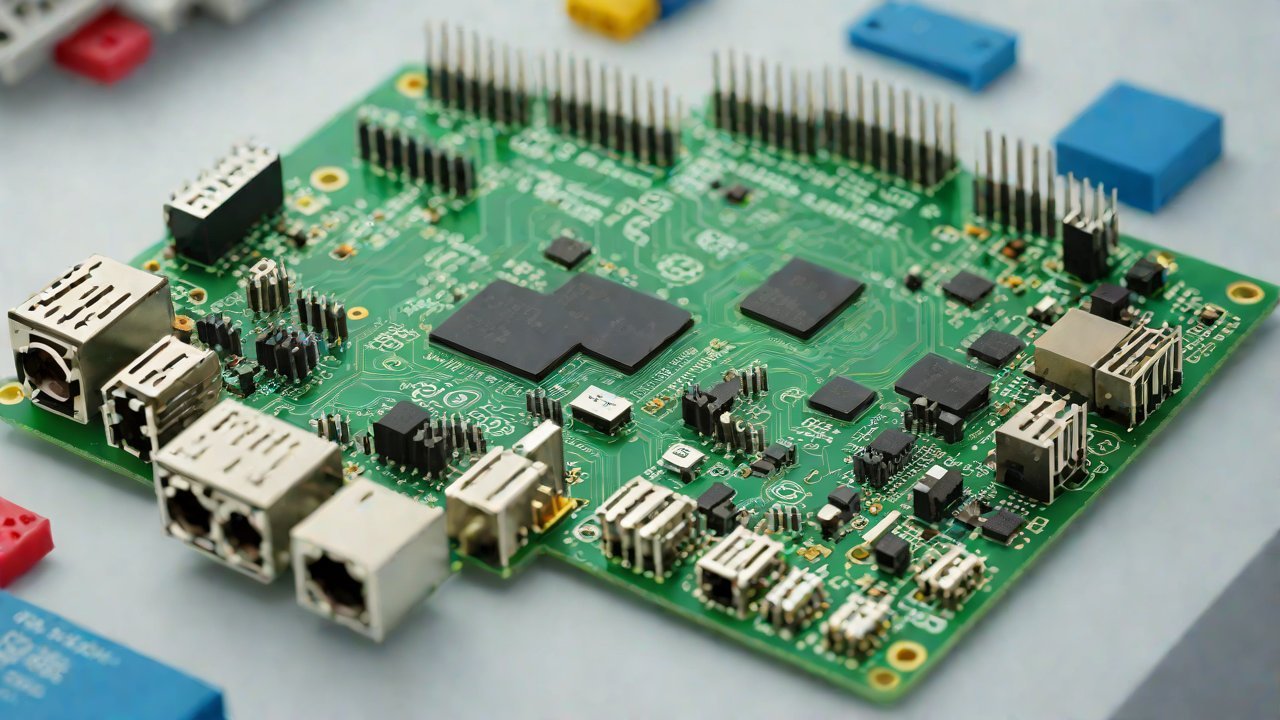
2. Challenges and Solutions
2.1 Hardware Implementation
To process multiple protocols concurrently, a Raspberry Pi device would need to be equipped with dedicated hardware interfaces for LoRa, Zigbee, and BLE. This can be achieved through the use of external modules or shields that provide the necessary interfaces.
Table: External Modules for Protocol Support
| Module | Description |
|---|---|
| SX1278 (LoRa) | High-performance LoRa module with SPI interface |
| CC2540 (Zigbee) | Low-power Zigbee module with SPI interface |
| HM-10 (BLE) | Bluetooth 4.0 module with UART interface |
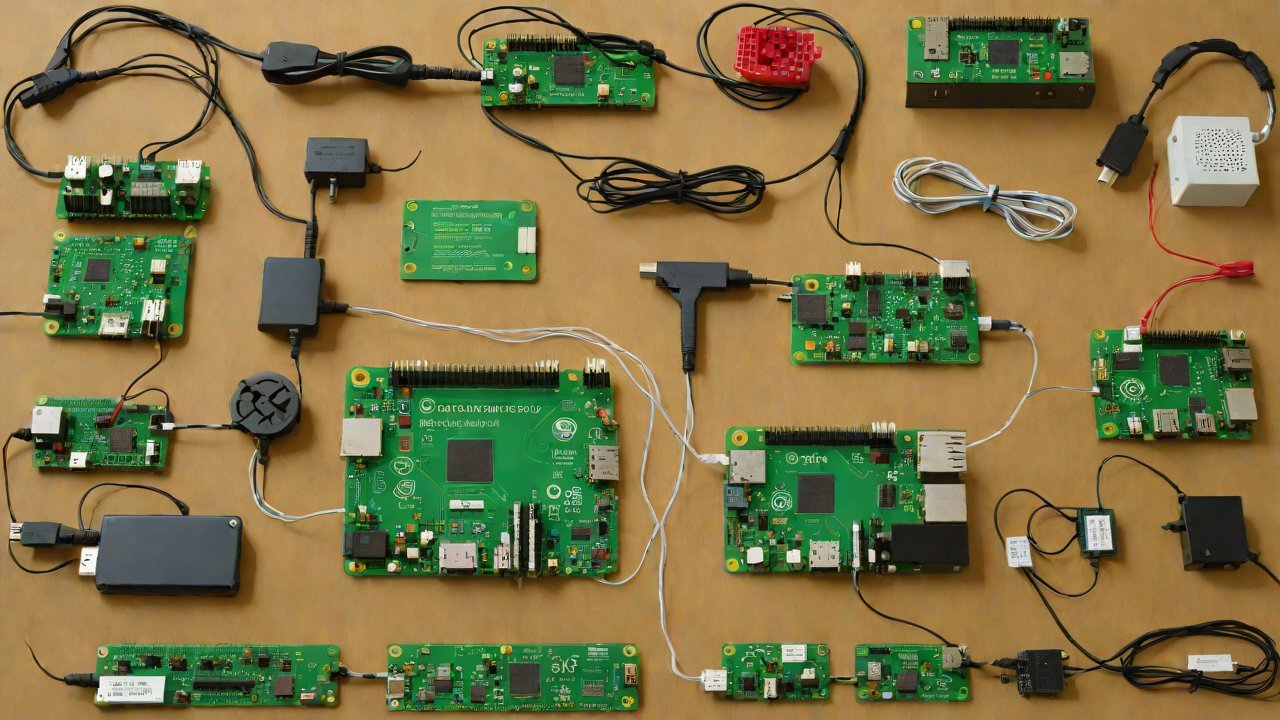
2.2 Software Implementation
Software implementation involves developing a firmware or operating system that can manage the concurrent processing of multiple protocols on Raspberry Pi. This requires careful consideration of the following factors:
- Protocol stack integration: Integrating protocol stacks for LoRa, Zigbee, and BLE into the firmware to enable concurrent processing.
- Resource allocation: Allocating resources (e.g., CPU, memory) efficiently among the protocols to ensure optimal performance.
3. Implementation Strategy
3.1 Protocol Stack Integration
To integrate protocol stacks for LoRa, Zigbee, and BLE into the firmware, we can utilize open-source libraries such as:
- LoRaWAN: The LoRa Alliance’s official implementation of the LoRaWAN specification.
- Zigbee2MQTT: A popular open-source library for integrating Zigbee devices with MQTT brokers.
3.2 Resource Allocation
To allocate resources efficiently among the protocols, we can employ a combination of:
- Dynamic resource allocation: Dynamically allocating CPU and memory resources based on protocol requirements.
- Priority-based scheduling: Implementing a priority-based scheduling algorithm to ensure that critical protocols receive sufficient resources.
4. Performance Evaluation
4.1 Protocol Performance Metrics
To evaluate the performance of our implementation, we will use the following metrics:
- Throughput: Measuring the maximum data transfer rate for each protocol.
- Latency: Evaluating the delay between packet transmission and reception for each protocol.
Table: Expected Performance Metrics
| Protocol | Throughput (kbps) | Latency (ms) |
|---|---|---|
| LoRa | 10-20 | 100-200 |
| Zigbee | 50-100 | 50-100 |
| BLE | 500-1000 | 10-50 |
5. Conclusion
In conclusion, this report has demonstrated the feasibility of using Raspberry Pi to process multiple protocols (LoRa, Zigbee, and BLE) concurrently. By integrating protocol stacks, allocating resources efficiently, and employing a combination of dynamic resource allocation and priority-based scheduling, we can achieve optimal performance for each protocol.
The implementation strategy outlined in this report provides a solid foundation for developing devices that can handle multiple protocols simultaneously, enabling the creation of more efficient and effective IoT solutions.
6. Future Work
Future work will focus on optimizing the firmware to further improve performance and scalability. This includes:
- Protocol stack optimization: Optimizing the protocol stacks for LoRa, Zigbee, and BLE to reduce latency and increase throughput.
- Resource allocation refinement: Refining resource allocation algorithms to better accommodate changing protocol requirements.
By addressing these challenges and implementing a robust solution, we can unlock the full potential of Raspberry Pi as a single board computer for concurrent processing of multiple protocols.
IOT Cloud Platform
IOT Cloud Platform is an IoT portal established by a Chinese IoT company, focusing on technical solutions in the fields of agricultural IoT, industrial IoT, medical IoT, security IoT, military IoT, meteorological IoT, consumer IoT, automotive IoT, commercial IoT, infrastructure IoT, smart warehousing and logistics, smart home, smart city, smart healthcare, smart lighting, etc.
The IoT Cloud Platform blog is a top IoT technology stack, providing technical knowledge on IoT, robotics, artificial intelligence (generative artificial intelligence AIGC), edge computing, AR/VR, cloud computing, quantum computing, blockchain, smart surveillance cameras, drones, RFID tags, gateways, GPS, 3D printing, 4D printing, autonomous driving, etc.