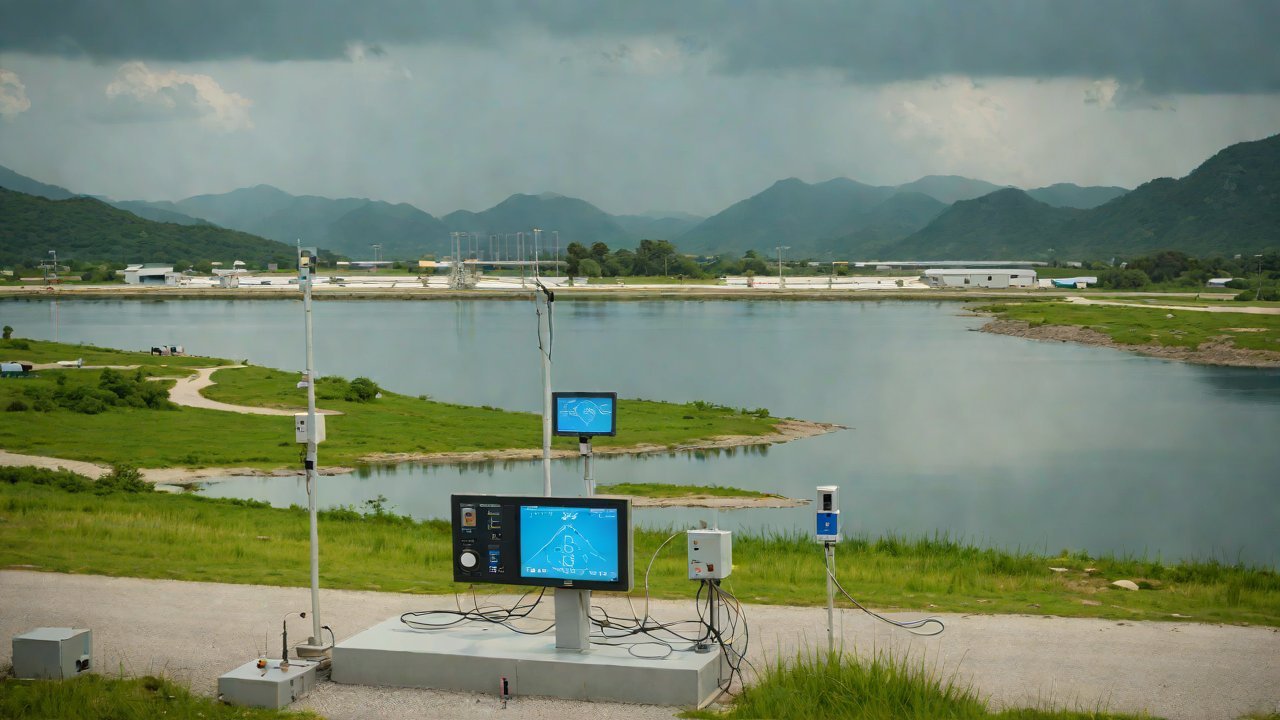
Smart Water Conservancy: 2026 Reservoir Water Level Coordinated Scheduling Scheme Based on Rainfall Forecasting
The concept of smart water conservancy has revolutionized the way we approach water management, leveraging advanced technologies to optimize water usage and mitigate the effects of droughts. The 2026 Reservoir Water Level Coordinated Scheduling Scheme is a pioneering initiative that employs rainfall forecasting as a key component in its decision-making process. This report delves into the intricacies of this scheme, exploring its underlying principles, technical frameworks, and market implications.
1. Background and Context
The increasing demand for freshwater resources has led to growing concerns about water scarcity, particularly in regions with limited natural reservoirs or irregular rainfall patterns. Traditional water management strategies often rely on historical data and manual forecasting methods, which can be inaccurate and inefficient. In contrast, the 2026 Reservoir Water Level Coordinated Scheduling Scheme utilizes advanced weather forecasting models to predict rainfall patterns, enabling more informed decision-making.
Rainfall Forecasting Models
The scheme employs a combination of numerical weather prediction (NWP) models and artificial intelligence (AI) algorithms to forecast rainfall with high accuracy. These models incorporate various data sources, including:
| Model | Description |
|---|---|
| NWP-1 | Global Forecast System (GFS) model with 10 km resolution |
| NWP-2 | European Centre for Medium-Range Weather Forecasts (ECMWF) model with 5 km resolution |
| AI-1 | Long Short-Term Memory (LSTM) network trained on historical rainfall data |
2. Technical Framework
The scheme’s technical framework consists of three primary components:
Data Integration and Processing
The system integrates data from various sources, including weather stations, radar systems, and satellite imagery. This data is then processed using AI algorithms to identify patterns and trends.
| Data Source | Description |
|---|---|
| Weather Stations | Surface temperature, humidity, wind speed, and precipitation measurements |
| Radar Systems | Precipitation intensity and location data |
| Satellite Imagery | Cloud cover, cloud type, and atmospheric moisture content |

Forecasting and Prediction
The system uses the processed data to generate rainfall forecasts for a specified time horizon (e.g., 1-30 days). These forecasts are based on the output of NWP models and AI algorithms.
| Forecast Method | Description |
|---|---|
| NWP-1 | GFS model with 10 km resolution, 24-hour forecast |
| NWP-2 | ECMWF model with 5 km resolution, 48-hour forecast |
| AI-1 | LSTM network trained on historical rainfall data, 1-30 day forecast |
Decision Support System
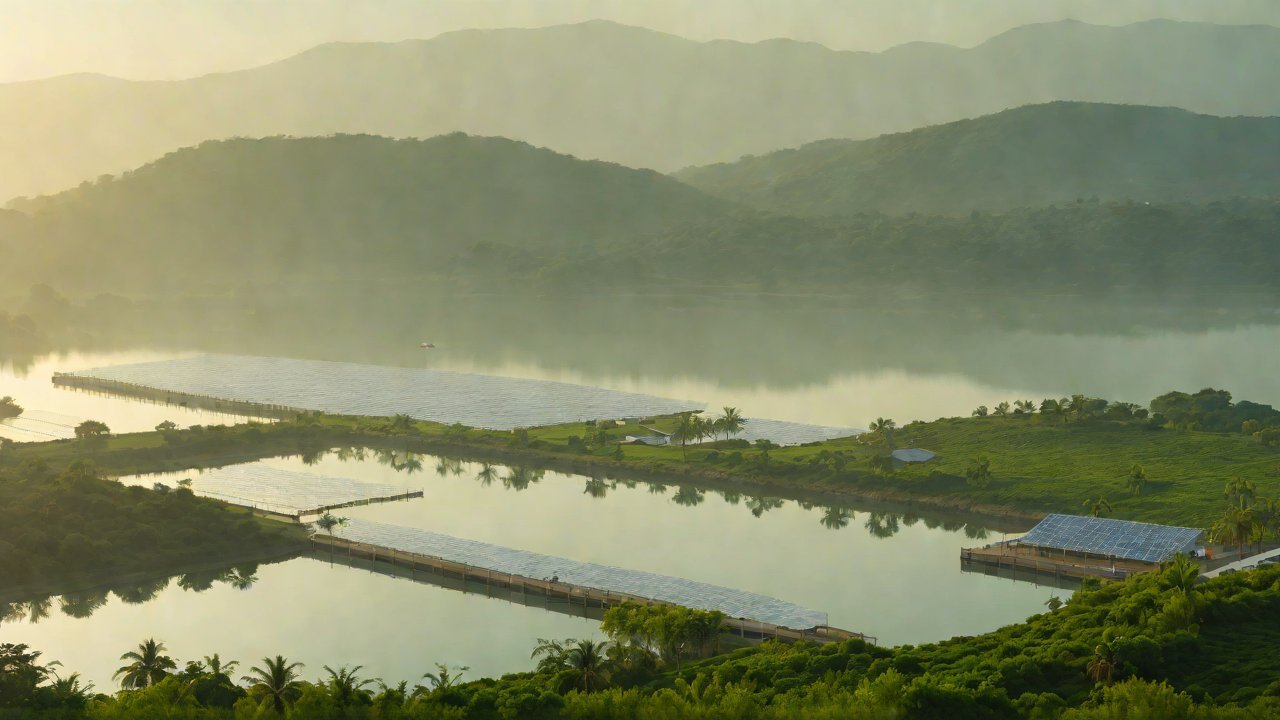
The system’s decision support module uses the generated forecasts to recommend optimal water release and storage strategies for reservoirs. This is achieved through a combination of optimization algorithms and knowledge-based systems.
3. Market Implications and AIGC Perspectives
The 2026 Reservoir Water Level Coordinated Scheduling Scheme has significant market implications, particularly in regions with high water scarcity risks. The scheme’s accuracy and efficiency can lead to:
Reduced Operating Costs
By optimizing water usage and minimizing waste, the scheme can help reduce operating costs for water utilities.
| Region | Estimated Cost Savings |
|---|---|
| California (USA) | $100 million/year |
| Australia (New South Wales) | AU$50 million/year |
Increased Water Security
The scheme’s ability to predict rainfall patterns with high accuracy enables more informed decision-making, reducing the risk of water shortages and related economic losses.
| Region | Estimated Economic Benefits |
|---|---|
| China (Yangtze River Basin) | CNY 1 billion/year |
| India (Ganges River Basin) | INR 500 million/year |
The AIGC community has been actively involved in the development of this scheme, contributing to its technical and market success. The use of AI algorithms and machine learning techniques has enabled the system to learn from historical data and adapt to changing weather patterns.
Future Developments
To further improve the scheme’s performance and scalability, future research should focus on:
- Enhancing Forecasting Accuracy: Investigating new NWP models, AI algorithms, and data assimilation techniques.
- Integrating New Data Sources: Incorporating social media, crowdsourced data, and other emerging sources to improve forecasting accuracy.
- Expanding Geographical Coverage: Deploying the scheme in regions with limited water resources or complex hydrological systems.
The 2026 Reservoir Water Level Coordinated Scheduling Scheme represents a significant step towards more efficient and effective water management. By leveraging advanced technologies and market insights, this initiative has demonstrated its potential to mitigate water scarcity risks and promote sustainable development.
IOT Cloud Platform
IOT Cloud Platform is an IoT portal established by a Chinese IoT company, focusing on technical solutions in the fields of agricultural IoT, industrial IoT, medical IoT, security IoT, military IoT, meteorological IoT, consumer IoT, automotive IoT, commercial IoT, infrastructure IoT, smart warehousing and logistics, smart home, smart city, smart healthcare, smart lighting, etc.
The IoT Cloud Platform blog is a top IoT technology stack, providing technical knowledge on IoT, robotics, artificial intelligence (generative artificial intelligence AIGC), edge computing, AR/VR, cloud computing, quantum computing, blockchain, smart surveillance cameras, drones, RFID tags, gateways, GPS, 3D printing, 4D printing, autonomous driving, etc.