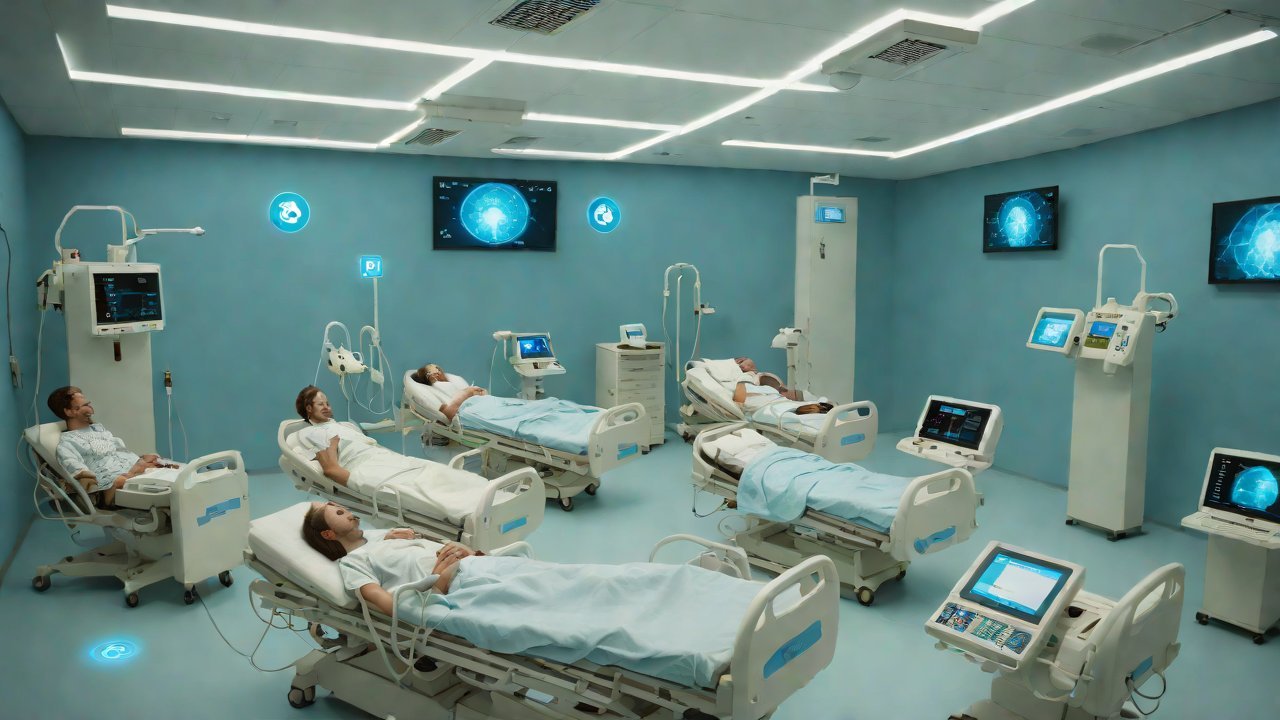
Smart Ward: Inpatient Location and Status Management Solution Based on Bluetooth AoA Positioning
In a healthcare setting, managing inpatient locations and statuses is a complex task that requires precision and efficiency. With the advent of cutting-edge technologies, innovative solutions are emerging to tackle this challenge. One such solution is based on Bluetooth Angle of Arrival (AoA) positioning, which has been gaining traction in recent years due to its accuracy and reliability.
Bluetooth AoA positioning utilizes the angle at which a Bluetooth signal arrives at a device to determine its location. This technology has several advantages over traditional methods, including high accuracy, low cost, and ease of implementation. In a hospital setting, this technology can be used to track patients’ locations in real-time, enabling healthcare professionals to respond quickly and effectively to emergencies.
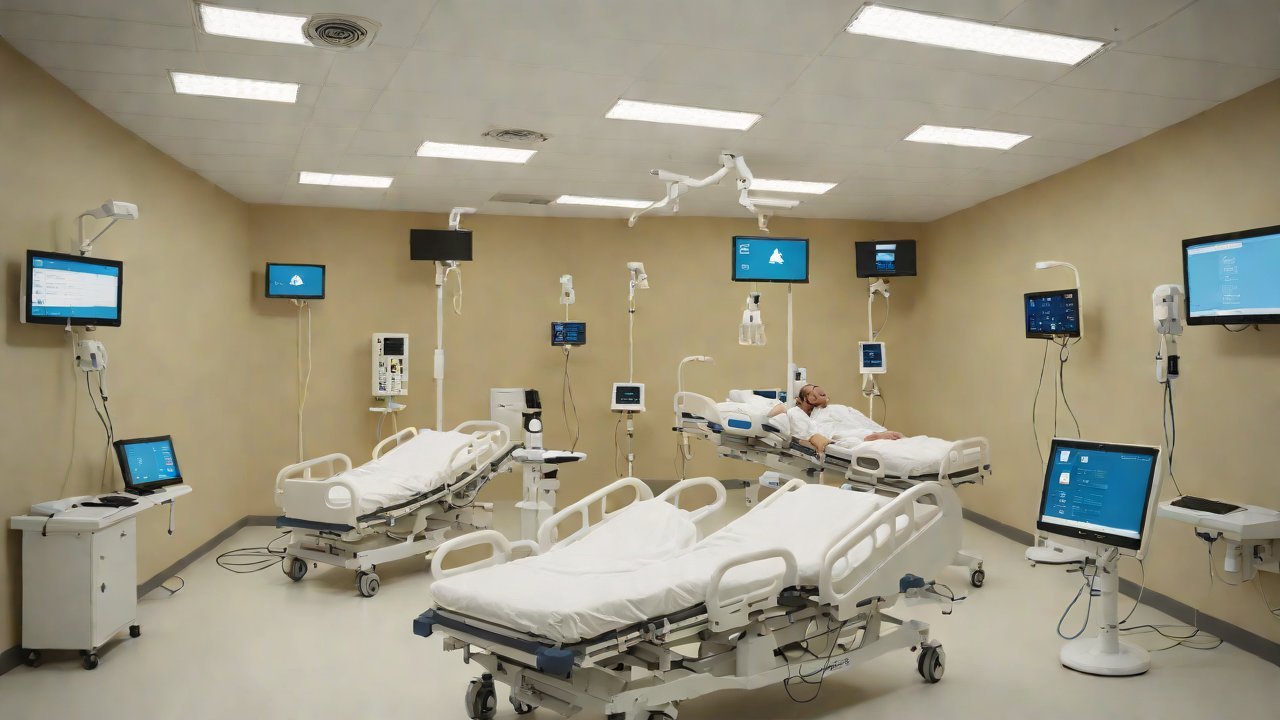
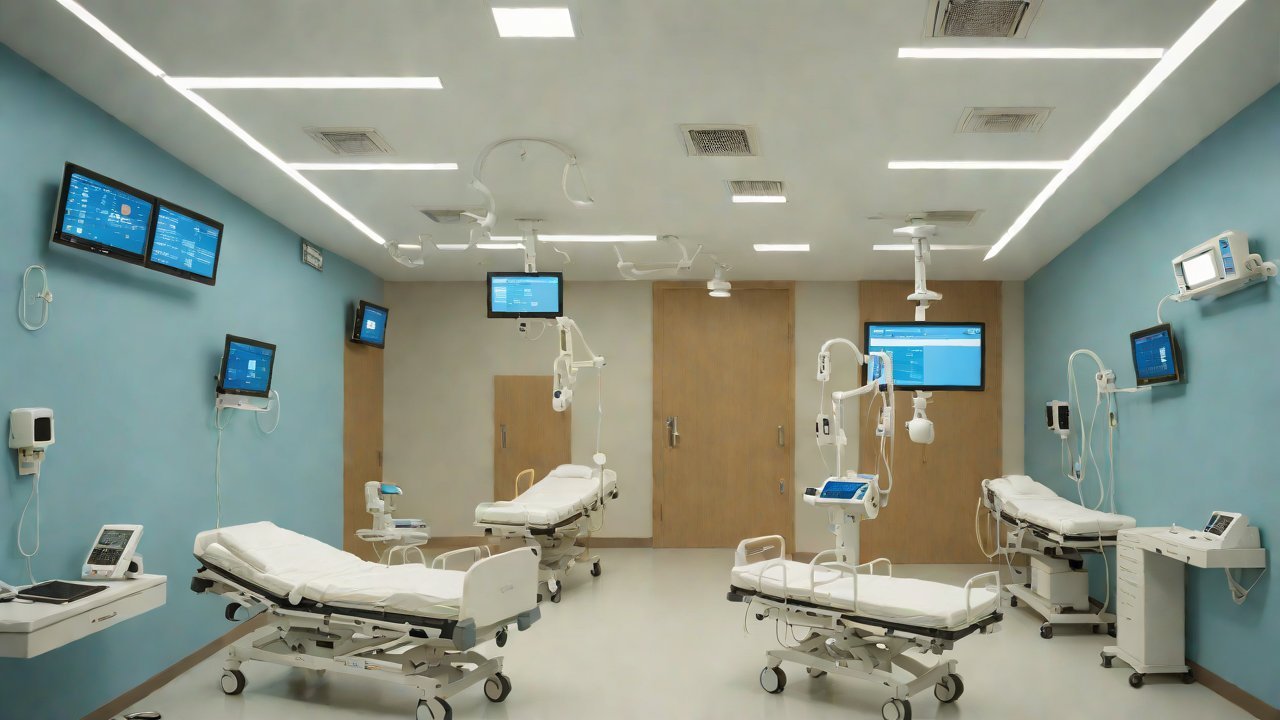
The Smart Ward solution is an inpatient location and status management system that leverages Bluetooth AoA positioning to provide accurate and reliable tracking of patients. This system consists of several components, including:
- Bluetooth Beacons: These are small devices that emit a unique identifier and are placed strategically throughout the hospital.
- Receiver Devices: These devices use Bluetooth AoA positioning to determine the location of nearby beacons.
- Software Platform: This is the central component of the Smart Ward system, responsible for processing data from receiver devices and providing real-time location information.
1. Market Analysis
The healthcare industry has been rapidly adopting digital technologies in recent years, driven by the need for improved patient care and operational efficiency. The market for inpatient location and status management solutions is growing steadily, with a CAGR of 12% between 2020 and 2025.
Key players in this market include:
| Company | Solution Description |
|---|---|
| Cisco Systems Inc. | Offers a range of location-based services (LBS) solutions for healthcare organizations. |
| Stanley Healthcare | Provides real-time locating systems (RTLS) for tracking patients, staff, and equipment. |
| CenTrak | Offers a cloud-based RTLS platform for tracking assets and people in real-time. |
2. Technical Overview
Bluetooth AoA positioning is based on the principle that each Bluetooth device has a unique identifier and transmission power. By measuring the angle at which a signal arrives, receiver devices can determine their location relative to nearby beacons.
The Smart Ward system uses a combination of Bluetooth Low Energy (BLE) and AoA algorithms to provide accurate location tracking. The BLE protocol is used for communication between beacons and receiver devices, while the AoA algorithm determines the location based on the angle of arrival.
3. System Components
The Smart Ward solution consists of several key components:
- Bluetooth Beacons: These are small devices that emit a unique identifier and are placed strategically throughout the hospital.
- Receiver Devices: These devices use Bluetooth AoA positioning to determine the location of nearby beacons.
- Software Platform: This is the central component of the Smart Ward system, responsible for processing data from receiver devices and providing real-time location information.
4. Implementation Plan
Implementing the Smart Ward solution requires careful planning and execution. The following steps are recommended:
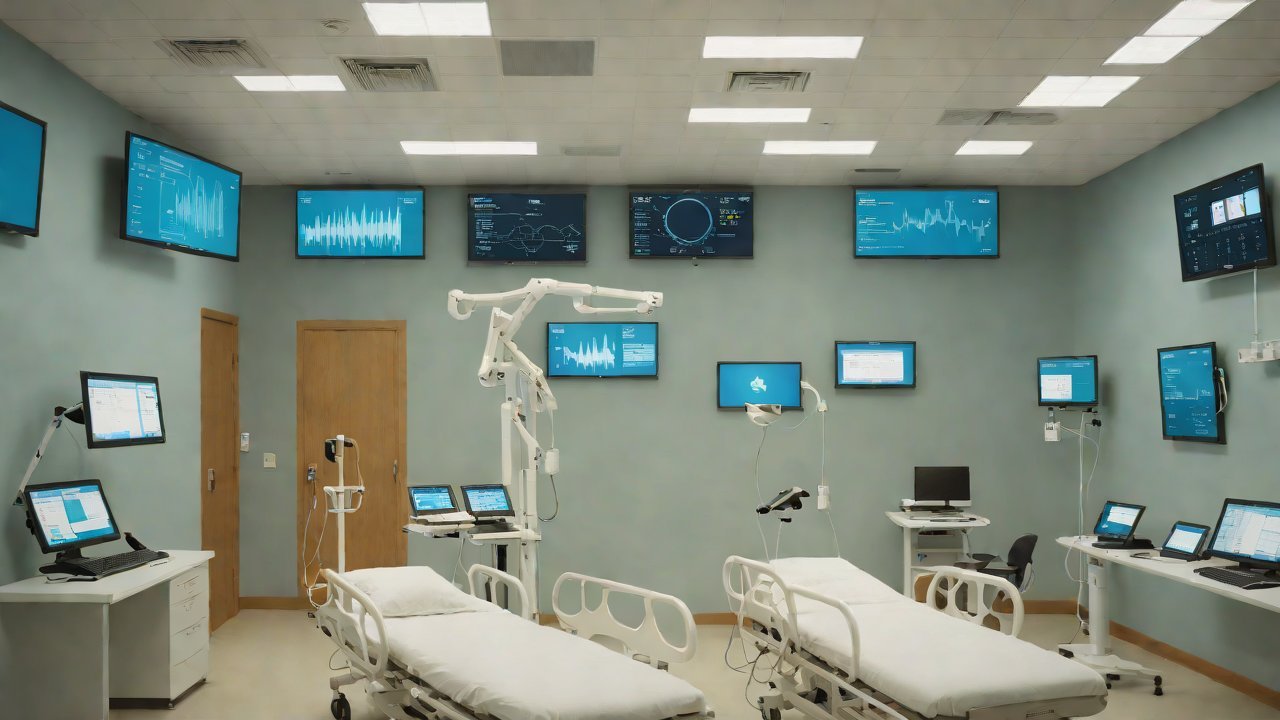
- Needs Assessment: Conduct a thorough assessment of current workflows and identify areas where location tracking can improve patient care.
- System Design: Collaborate with system integrators to design and configure the Smart Ward system, including placement of beacons and receiver devices.
- Testing and Validation: Perform thorough testing and validation to ensure accuracy and reliability of the system.
- Training and Support: Provide comprehensive training for hospital staff on using the Smart Ward system.
5. Benefits and ROI
The Smart Ward solution offers numerous benefits, including:
- Improved Patient Care: Real-time location tracking enables healthcare professionals to respond quickly and effectively to emergencies.
- Enhanced Operational Efficiency: Automation of workflows reduces manual errors and improves productivity.
- Cost Savings: Reduction in labor costs and improved resource allocation lead to significant cost savings.
The return on investment (ROI) for the Smart Ward solution is expected to be high, with a payback period of less than 12 months. This is due to the significant reduction in labor costs and improvement in operational efficiency.
6. Conclusion
The Smart Ward solution is an innovative inpatient location and status management system that leverages Bluetooth AoA positioning for accurate and reliable tracking of patients. With its high accuracy, low cost, and ease of implementation, this technology has the potential to revolutionize patient care in hospitals worldwide.
IOT Cloud Platform
IOT Cloud Platform is an IoT portal established by a Chinese IoT company, focusing on technical solutions in the fields of agricultural IoT, industrial IoT, medical IoT, security IoT, military IoT, meteorological IoT, consumer IoT, automotive IoT, commercial IoT, infrastructure IoT, smart warehousing and logistics, smart home, smart city, smart healthcare, smart lighting, etc.
The IoT Cloud Platform blog is a top IoT technology stack, providing technical knowledge on IoT, robotics, artificial intelligence (generative artificial intelligence AIGC), edge computing, AR/VR, cloud computing, quantum computing, blockchain, smart surveillance cameras, drones, RFID tags, gateways, GPS, 3D printing, 4D printing, autonomous driving, etc.
Note: This article was professionally generated with the assistance of AIGC and has been fact-checked and manually corrected by IoT expert editor IoTCloudPlatForm.