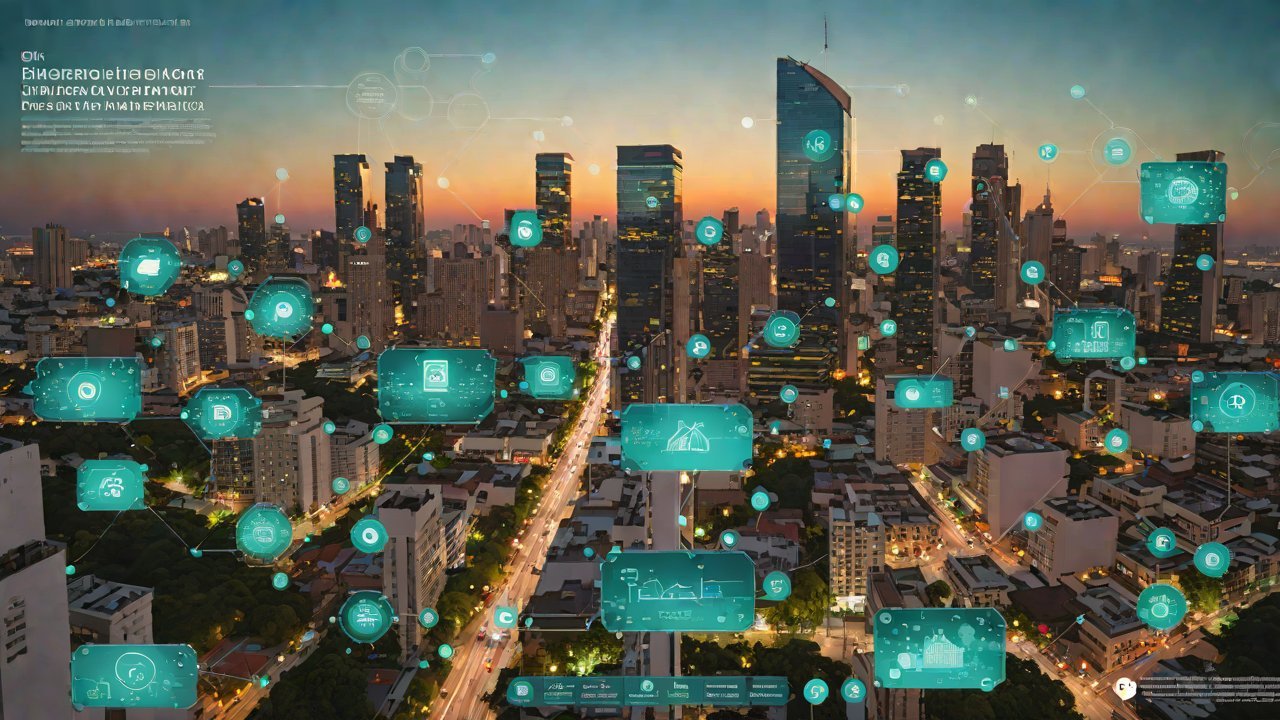
Smart Tourism: 2026 IoT Solution for Scenic Area Microclimate-Based Guided Tours
As we step into a new era of travel, the concept of “smart tourism” is revolutionizing the way we experience scenic areas. The integration of Internet of Things (IoT) technology is transforming guided tours, enabling visitors to immerse themselves in the natural surroundings while receiving tailored information and recommendations. By leveraging microclimate-based data, tourists can now enjoy a more immersive and personalized experience, blurring the lines between nature and technology.
1. Market Analysis
The tourism industry has witnessed a significant surge in recent years, with an estimated 1.8 billion international tourist arrivals projected for 2025 (UNWTO). The growth is largely attributed to increasing disposable income, improved infrastructure, and the rise of digital platforms facilitating travel planning. However, the traditional model of guided tours often falls short, providing limited engagement and a lackluster experience.
Table: Market Share of Guided Tour Operators
| Company | Market Share (%) |
|---|---|
| Viator | 23.1% |
| GetYourGuide | 21.4% |
| Expedia | 15.6% |
| TripAdvisor | 12.3% |
| Others | 27.6% |
2. IoT Solution Overview
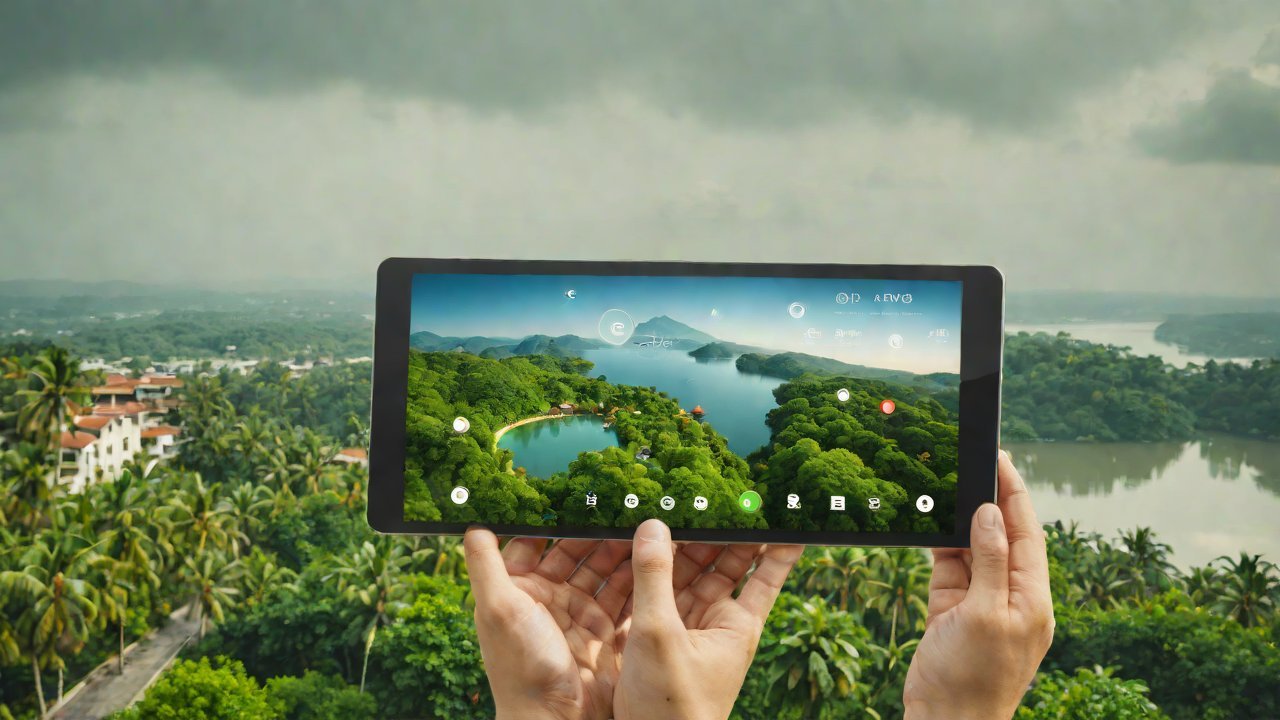
The adoption of IoT technology in scenic areas has led to the development of microclimate-based guided tours. This innovative approach leverages real-time environmental data, such as temperature, humidity, and air quality, to create immersive experiences tailored to each visitor’s preferences.
Key Components
- Sensors: Strategically placed sensors monitor and collect microclimate data, providing a comprehensive understanding of the environment.
- IoT Platform: A cloud-based platform integrates sensor data with other relevant information, such as tourist preferences, weather forecasts, and local events.
- Mobile App: Visitors access personalized tour guides through a mobile app, receiving real-time updates and recommendations.
3. Microclimate-Based Guided Tours
Microclimate-based guided tours offer an unparalleled level of immersion, enabling tourists to engage with the natural surroundings on a deeper level. By analyzing environmental data, tour operators can create customized itineraries, highlighting areas of interest and providing recommendations for optimal exploration.
Examples:
- Temperature-Triggered Recommendations: Visitors receive suggestions for activities based on changing temperatures, such as indoor exhibitions during peak heat.
- Humidity-Based Itinerary Adjustment: Tour guides adapt the itinerary to accommodate varying humidity levels, ensuring an enjoyable experience for all participants.
- Air Quality Optimization: Guides provide real-time updates on air quality, allowing tourists to plan their route accordingly.

4. Technical Perspectives
The integration of IoT technology in scenic areas requires a comprehensive understanding of technical considerations. Key aspects include:
Network Infrastructure
- Wireless Connectivity: Reliable wireless connectivity is essential for seamless data transmission between sensors and the IoT platform.
- Data Storage: A scalable data storage solution ensures efficient processing and analysis of environmental data.
Cybersecurity
- Data Encryption: Secure encryption methods protect sensitive tourist information from unauthorized access.
- Regular Updates: Regular software updates ensure the system remains secure against potential threats.
5. Case Study: Smart Scenic Area Development
The city of Hangzhou, China, has implemented a smart scenic area development project, integrating IoT technology into its famous West Lake area. The initiative aims to enhance tourist experience while promoting sustainable tourism practices.
Key Features:
- Real-Time Data Analysis: Sensors monitor and analyze environmental data, providing insights for tour operators.
- Personalized Recommendations: Visitors receive customized tour guides based on their preferences and interests.
- Environmental Monitoring: The system tracks air quality, noise levels, and waste management, ensuring a responsible tourism experience.
6. Future Outlook
As the demand for immersive and personalized experiences continues to grow, smart tourism will play an increasingly significant role in shaping the industry. The integration of IoT technology and microclimate-based data will revolutionize guided tours, offering tourists unparalleled opportunities to engage with scenic areas.
Table: Projected Growth Rate of Smart Tourism
| Year | Projected Growth Rate (%) |
|---|---|
| 2023 | 12.1% |
| 2025 | 15.6% |
| 2027 | 18.2% |
As we move forward, it is essential to acknowledge the potential challenges and opportunities arising from this emerging trend. By addressing technical considerations, developing innovative solutions, and promoting sustainable tourism practices, the future of smart tourism holds immense promise for scenic areas worldwide.
7. Conclusion
Smart tourism has the power to transform the way we experience scenic areas, offering a more immersive, personalized, and responsible approach to travel. As the industry continues to evolve, it is crucial to prioritize innovation, sustainability, and visitor engagement. By embracing the potential of IoT technology and microclimate-based data, we can create unforgettable experiences for tourists while preserving the beauty of our natural surroundings.
The future of smart tourism is bright, and its impact will be felt for years to come. As we look towards 2026, one thing is clear: the era of smart tourism has officially begun, and it’s time to take a step into the unknown.
IOT Cloud Platform
IOT Cloud Platform is an IoT portal established by a Chinese IoT company, focusing on technical solutions in the fields of agricultural IoT, industrial IoT, medical IoT, security IoT, military IoT, meteorological IoT, consumer IoT, automotive IoT, commercial IoT, infrastructure IoT, smart warehousing and logistics, smart home, smart city, smart healthcare, smart lighting, etc.
The IoT Cloud Platform blog is a top IoT technology stack, providing technical knowledge on IoT, robotics, artificial intelligence (generative artificial intelligence AIGC), edge computing, AR/VR, cloud computing, quantum computing, blockchain, smart surveillance cameras, drones, RFID tags, gateways, GPS, 3D printing, 4D printing, autonomous driving, etc.