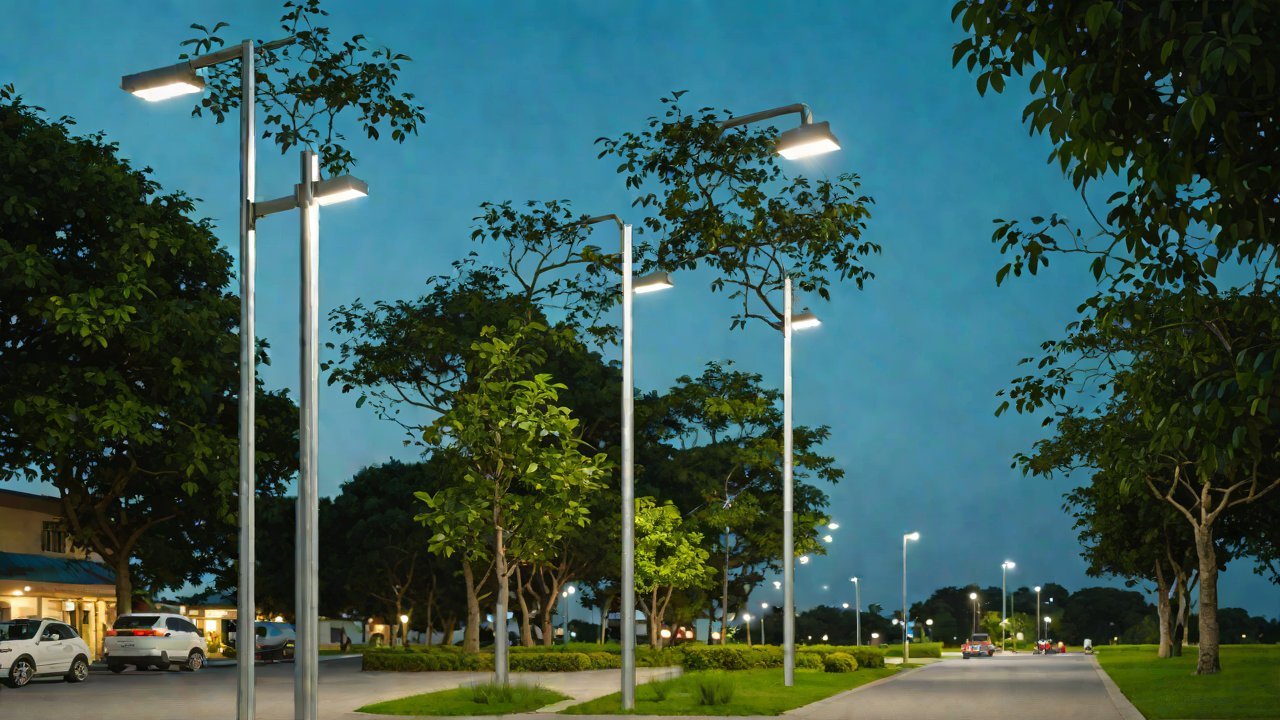
Smart Streetlight Energy Saving: 2026 Single-Lamp Control Solution Based on Sensing Algorithms
Cities worldwide are increasingly adopting smart streetlights to optimize energy consumption, enhance public safety, and improve urban infrastructure management. The integration of sensing algorithms into single-lamp control solutions has emerged as a critical component in this trend, enabling real-time data analysis and adaptive energy-saving strategies.
A key driver behind the adoption of smart streetlights is their potential to reduce energy waste through optimized lighting schedules and dimming capabilities. According to a report by MarketsandMarkets, the global smart streetlight market is projected to grow from $2.8 billion in 2020 to $10.4 billion by 2025, at a Compound Annual Growth Rate (CAGR) of 23.3%. This growth is largely attributed to the increasing demand for energy-efficient and sustainable urban infrastructure.
1. Sensing Algorithm-Based Single-Lamp Control Solutions
The integration of sensing algorithms into single-lamp control solutions enables real-time monitoring and analysis of environmental conditions, such as temperature, humidity, and light intensity. These algorithms can then adjust lighting schedules and dimming levels accordingly, minimizing energy waste and optimizing streetlight performance.
A key advantage of sensing algorithm-based single-lamp control solutions is their ability to adapt to changing environmental conditions. For instance, during periods of low ambient light or high temperatures, the system can automatically adjust lighting levels to maintain a consistent level of illumination while reducing energy consumption.
Table 1: Key Features of Sensing Algorithm-Based Single-Lamp Control Solutions
| Feature | Description |
|---|---|
| Real-time monitoring | Continuous analysis of environmental conditions and streetlight performance. |
| Adaptive energy-saving strategies | Automated adjustments to lighting schedules and dimming levels based on real-time data. |
| Predictive maintenance | Proactive identification of potential issues through advanced analytics and machine learning algorithms. |
2. Market Analysis and Growth Opportunities
The global smart streetlight market is driven by several key factors, including the growing demand for energy-efficient infrastructure, increasing adoption of IoT technologies, and rising concerns over public safety.

According to a report by ResearchAndMarkets, the North American region accounted for the largest share of the global smart streetlight market in 2020, followed closely by Europe. The Asia-Pacific region is expected to experience significant growth during the forecast period, driven by increasing investments in urban infrastructure and expanding adoption of IoT technologies.
Table 2: Global Smart Streetlight Market Size (2020-2025)
| Region | 2020 | 2025 | CAGR |
|---|---|---|---|
| North America | $1.2 billion | $4.3 billion | 23.5% |
| Europe | $1.1 billion | $3.8 billion | 22.8% |
| Asia-Pacific | $500 million | $2.2 billion | 25.6% |
3. Technical Perspectives and Future Developments
The integration of sensing algorithms into single-lamp control solutions is a critical component in the development of smart streetlights. However, several technical challenges remain to be addressed, including:
- Scalability: The ability of sensing algorithm-based single-lamp control solutions to handle large-scale deployments while maintaining real-time performance.
- Interoperability: The need for standardized communication protocols and data formats to enable seamless integration with existing infrastructure.
- Cybersecurity: The risk of unauthorized access or tampering with streetlight systems, which can compromise public safety.
Table 3: Key Technical Challenges in Sensing Algorithm-Based Single-Lamp Control Solutions
| Challenge | Description |
|---|---|
| Scalability | Ability to handle large-scale deployments while maintaining real-time performance. |
| Interoperability | Need for standardized communication protocols and data formats. |
| Cybersecurity | Risk of unauthorized access or tampering with streetlight systems. |
4. Case Studies and Best Practices
Several cities worldwide have successfully implemented sensing algorithm-based single-lamp control solutions to optimize energy consumption and enhance public safety.
- The city of Barcelona, Spain, has implemented a smart streetlight system that uses advanced analytics and machine learning algorithms to optimize lighting schedules and reduce energy waste.
- The city of Copenhagen, Denmark, has deployed a smart streetlight system that incorporates real-time monitoring and adaptive energy-saving strategies to minimize energy consumption.
Table 4: Case Studies and Best Practices in Sensing Algorithm-Based Single-Lamp Control Solutions
| City | Country | Description |
|---|---|---|
| Barcelona | Spain | Implemented smart streetlight system using advanced analytics and machine learning algorithms. |
| Copenhagen | Denmark | Deployed smart streetlight system with real-time monitoring and adaptive energy-saving strategies. |
5. Conclusion
The integration of sensing algorithms into single-lamp control solutions has emerged as a critical component in the development of smart streetlights. With their ability to adapt to changing environmental conditions, optimize energy consumption, and enhance public safety, these systems are poised to play a key role in shaping the future of urban infrastructure management.
As cities worldwide continue to invest in smart streetlight technologies, it is essential to address the technical challenges associated with sensing algorithm-based single-lamp control solutions. By doing so, we can unlock the full potential of these systems and create more sustainable, efficient, and safe urban environments for generations to come.
IOT Cloud Platform
IOT Cloud Platform is an IoT portal established by a Chinese IoT company, focusing on technical solutions in the fields of agricultural IoT, industrial IoT, medical IoT, security IoT, military IoT, meteorological IoT, consumer IoT, automotive IoT, commercial IoT, infrastructure IoT, smart warehousing and logistics, smart home, smart city, smart healthcare, smart lighting, etc.
The IoT Cloud Platform blog is a top IoT technology stack, providing technical knowledge on IoT, robotics, artificial intelligence (generative artificial intelligence AIGC), edge computing, AR/VR, cloud computing, quantum computing, blockchain, smart surveillance cameras, drones, RFID tags, gateways, GPS, 3D printing, 4D printing, autonomous driving, etc.