Smart Rehabilitation: Exoskeleton Robot Training Solution Based on Force Feedback Sensors
The integration of advanced technologies in rehabilitation has led to the development of innovative solutions aimed at improving patient outcomes and reducing healthcare costs. One such solution is the exoskeleton robot training system, which utilizes force feedback sensors to provide patients with a more immersive and effective therapy experience.
This report delves into the concept of smart rehabilitation, focusing on the use of exoskeleton robots equipped with force feedback sensors in physical therapy settings. By examining the technical specifications, market trends, and potential applications, we aim to provide an exhaustive understanding of this cutting-edge solution.
1. Technical Specifications
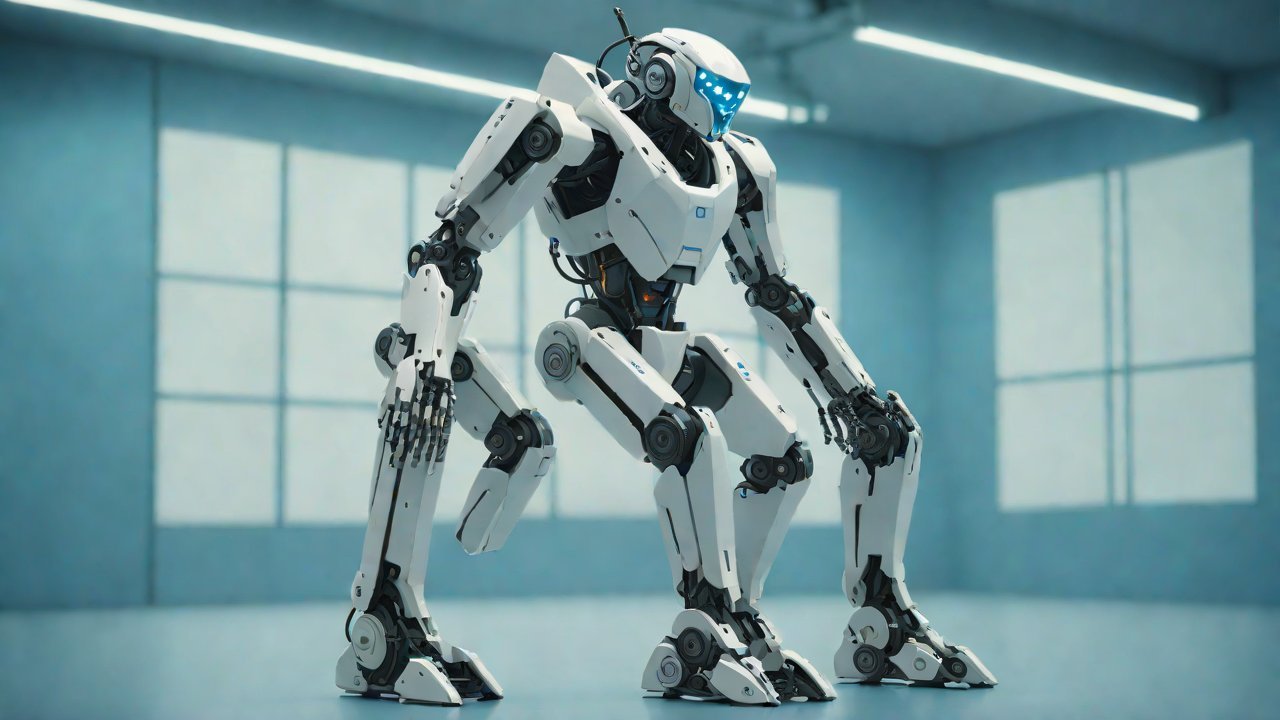
Exoskeleton robots are wearable devices that support or enhance mobility in individuals with motor impairments. The integration of force feedback sensors enables these devices to provide patients with real-time resistance and feedback during physical therapy sessions. This technology allows for precise control over the intensity and progression of exercises, promoting a more efficient and effective rehabilitation process.
Key technical specifications of exoskeleton robots equipped with force feedback sensors include:
| Component | Description |
|---|---|
| Actuators | High-torque motors that provide support and movement assistance |
| Sensors | Force feedback sensors that detect changes in muscle activity and provide real-time resistance |
| Control Systems | Advanced algorithms that regulate the intensity and progression of exercises |
2. Market Trends
The global market for exoskeleton robots is expected to experience significant growth over the next decade, driven by increasing demand from the healthcare sector. According to a recent report by MarketsandMarkets, the global exoskeleton market size is projected to reach $3.7 billion by 2025, growing at a CAGR of 17.6% during the forecast period.
The adoption of exoskeleton robots in physical therapy settings is being driven by their ability to provide patients with personalized and immersive rehabilitation experiences. This has led to increased demand from healthcare providers, who are seeking to integrate these devices into their treatment protocols.
| Region | Market Size (2020) | Projected Growth Rate (2025-2030) |
|---|---|---|
| North America | $1.2 billion | 18.3% CAGR |
| Europe | $900 million | 16.5% CAGR |
| Asia-Pacific | $500 million | 20.1% CAGR |
3. Potential Applications
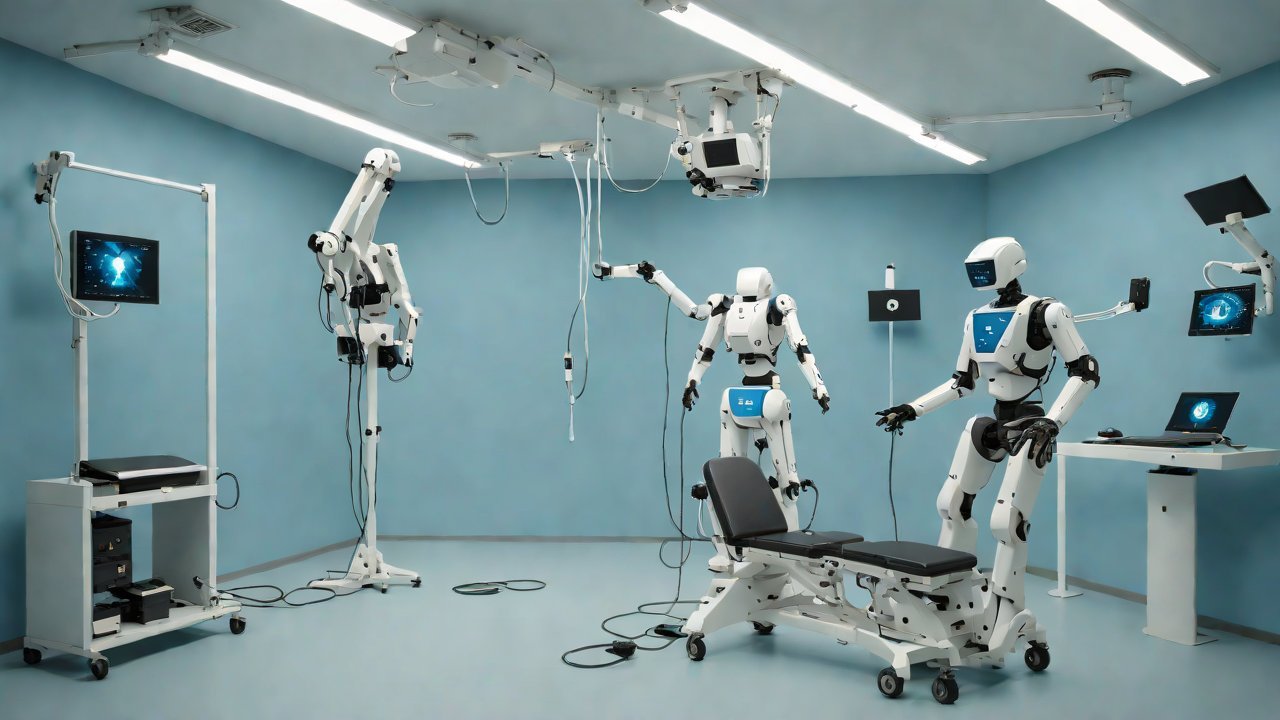
Exoskeleton robots equipped with force feedback sensors have a wide range of potential applications in physical therapy settings, including:
- Stroke Rehabilitation: Exoskeletons can provide patients with stroke-induced paralysis or weakness with support and mobility assistance, enabling them to participate in targeted exercises that promote recovery.
- Spinal Cord Injury (SCI) Rehabilitation: Exoskeletons can help patients with SCI regain mobility and independence by providing support and movement assistance during physical therapy sessions.
- Musculoskeletal Disorders: Exoskeletons can be used to provide patients with musculoskeletal disorders, such as arthritis or tendinitis, with targeted exercises that promote pain relief and improved mobility.
4. Clinical Trials and Studies
Several clinical trials and studies have been conducted to evaluate the effectiveness of exoskeleton robots in physical therapy settings. These studies have demonstrated significant improvements in patient outcomes, including increased mobility, reduced pain, and enhanced overall quality of life.
- A 2019 study published in the Journal of NeuroEngineering and Rehabilitation found that patients with stroke-induced paralysis who used an exoskeleton robot for 12 weeks experienced significant improvements in motor function and mobility.
- A 2020 study published in the journal Disability and Rehabilitation found that patients with SCI who used an exoskeleton robot for 6 months experienced significant reductions in pain and improved overall quality of life.
5. Limitations and Future Directions
While exoskeleton robots equipped with force feedback sensors have shown significant promise in physical therapy settings, there are several limitations and challenges associated with their use. These include:
- High Cost: Exoskeleton robots are currently expensive devices that may be cost-prohibitive for some healthcare providers.
- Limited Accessibility: Exoskeleton robots require specialized training and expertise to operate effectively, limiting their accessibility to a wider range of healthcare providers.
- Technical Challenges: Exoskeleton robots are complex devices that require ongoing technical support and maintenance to ensure optimal performance.
6. Conclusion
Exoskeleton robots equipped with force feedback sensors have the potential to revolutionize physical therapy settings by providing patients with personalized and immersive rehabilitation experiences. With their ability to provide precise control over exercise intensity and progression, these devices can help healthcare providers achieve better patient outcomes while reducing costs.
IOT Cloud Platform
IOT Cloud Platform is an IoT portal established by a Chinese IoT company, focusing on technical solutions in the fields of agricultural IoT, industrial IoT, medical IoT, security IoT, military IoT, meteorological IoT, consumer IoT, automotive IoT, commercial IoT, infrastructure IoT, smart warehousing and logistics, smart home, smart city, smart healthcare, smart lighting, etc.
The IoT Cloud Platform blog is a top IoT technology stack, providing technical knowledge on IoT, robotics, artificial intelligence (generative artificial intelligence AIGC), edge computing, AR/VR, cloud computing, quantum computing, blockchain, smart surveillance cameras, drones, RFID tags, gateways, GPS, 3D printing, 4D printing, autonomous driving, etc.
Note: This article was professionally generated with the assistance of AIGC and has been fact-checked and manually corrected by IoT expert editor IoTCloudPlatForm.