Smart Pharmacy: Automated Drug Expiration Date and Inventory Solution Based on RFID
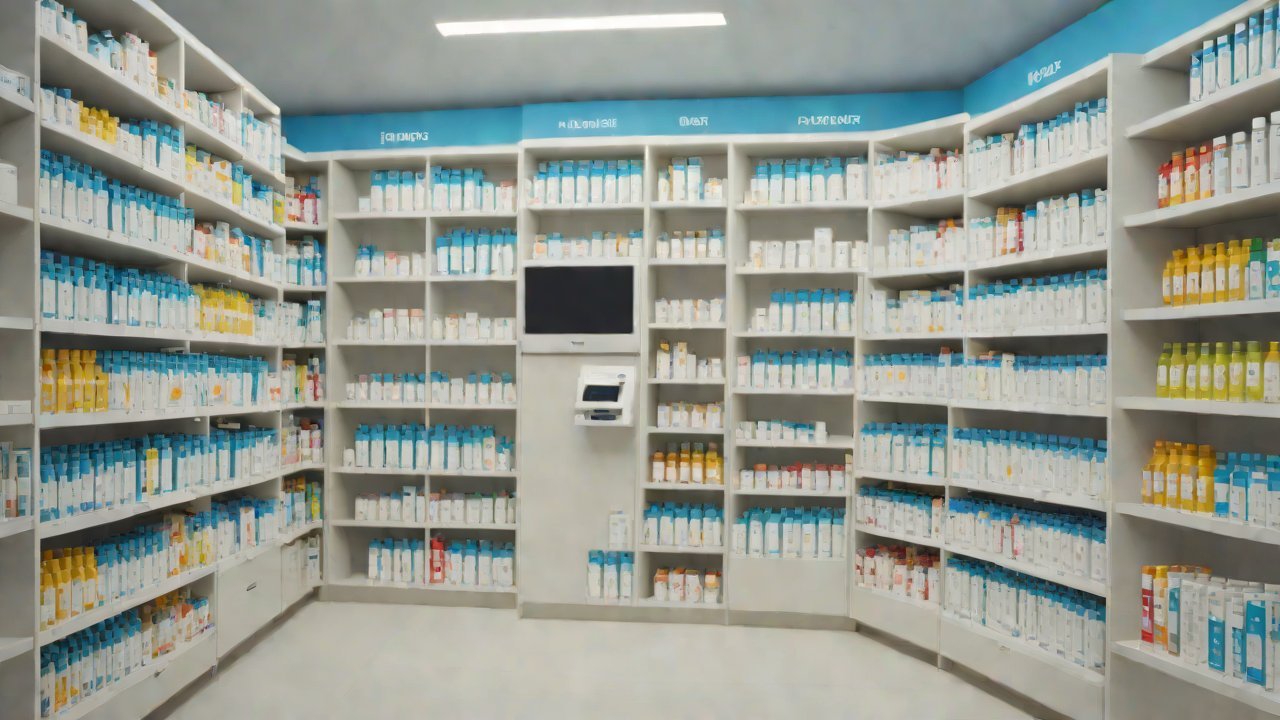
The advent of digital technologies has revolutionized various sectors, including healthcare, by introducing innovative solutions that enhance efficiency, accuracy, and patient safety. One such innovation is the integration of Radio-Frequency Identification (RFID) technology in pharmacies to manage drug expiration dates and inventory effectively. This report delves into the concept of a “smart pharmacy” enabled by RFID technology, its benefits, implementation challenges, market potential, and future outlook.
1. Background and Context
Pharmacies face significant challenges in managing their inventory, particularly when it comes to tracking expiration dates of drugs. Manual methods often lead to inaccuracies, resulting in expired or near-expired medications being dispensed to patients. This not only affects patient safety but also impacts the pharmacy’s reputation and bottom line. The use of RFID technology offers a promising solution by enabling real-time tracking of inventory levels and expiration dates.
2. How RFID Technology Works
RFID technology uses radio waves to communicate between tags attached to items (in this case, drugs) and readers installed at strategic locations within the pharmacy. Each tag contains a unique identifier that can be read by the reader, allowing for the automatic tracking of inventory movement and status updates.
| RFID Component | Description |
|---|---|
| RFID Tag | Attached to each drug item, containing a unique ID |
| RFID Reader | Scans tags at regular intervals to update inventory levels |

3. Benefits of Smart Pharmacy Solution
The integration of RFID technology in pharmacies offers numerous benefits:
- Real-time Inventory Tracking: Accurate and up-to-date information on stock levels.
- Expiration Date Management: Automatic tracking of expiration dates, ensuring that expired or near-expired medications are identified and removed from inventory.
- Reduced Stockouts and Overstocking: Minimizes the likelihood of running out of stock or holding excess inventory.
- Improved Patient Safety: Ensures that patients receive medications that are within their expiration dates.
- Enhanced Operational Efficiency: Automates tasks, freeing up staff to focus on patient care.
4. Market Analysis
The global pharmacy automation market is expected to grow significantly over the next few years, driven by the need for efficiency and accuracy in inventory management. The use of RFID technology in pharmacies is a growing trend, with several companies already offering such solutions.
| Market Segment | Projected Growth Rate (2023-2028) |
|---|---|
| Global Pharmacy Automation Market | 12.5% CAGR |
| RFID-based Inventory Management Solutions | 15.6% CAGR |

5. Implementation and Integration Challenges
While the benefits of a smart pharmacy solution are clear, implementation can be complex:

- Initial Investment: High upfront costs for hardware and software.
- Training Staff: Ensuring that staff understand how to use the system effectively.
- Integration with Existing Systems: Compatibility issues with existing inventory management systems.
6. Future Outlook
The adoption of RFID technology in pharmacies is expected to continue growing as more healthcare providers recognize its benefits. Advancements in technology will likely lead to further improvements, including:
- Increased Accuracy: Improved accuracy rates for inventory tracking and expiration date management.
- Expanded Applications: Integration with electronic health records (EHRs) to enhance patient care.
7. Conclusion
The integration of RFID technology in pharmacies offers a promising solution to the challenges of managing drug expiration dates and inventory levels. With its potential for real-time tracking, improved accuracy, and enhanced operational efficiency, this technology is poised to make a significant impact on the healthcare sector. As the market continues to evolve, we can expect further advancements that will only increase the benefits of a smart pharmacy solution enabled by RFID technology.
8. Recommendations
Based on the analysis presented in this report, several recommendations are made for healthcare providers and industry stakeholders:
- Invest in RFID-based Inventory Management Solutions: To enhance operational efficiency and patient safety.
- Develop Standardized Implementation Guidelines: To facilitate smoother integration of RFID technology into existing systems.
- Monitor Advancements in Technology: To stay ahead of the curve and capitalize on future innovations.
IOT Cloud Platform
IOT Cloud Platform is an IoT portal established by a Chinese IoT company, focusing on technical solutions in the fields of agricultural IoT, industrial IoT, medical IoT, security IoT, military IoT, meteorological IoT, consumer IoT, automotive IoT, commercial IoT, infrastructure IoT, smart warehousing and logistics, smart home, smart city, smart healthcare, smart lighting, etc.
The IoT Cloud Platform blog is a top IoT technology stack, providing technical knowledge on IoT, robotics, artificial intelligence (generative artificial intelligence AIGC), edge computing, AR/VR, cloud computing, quantum computing, blockchain, smart surveillance cameras, drones, RFID tags, gateways, GPS, 3D printing, 4D printing, autonomous driving, etc.