Smart Laboratories: IoT-Based Sample Cold Chain and Reagent Balance Monitoring Solutions
The era of digital transformation has revolutionized various sectors, including the laboratory industry. The integration of Internet of Things (IoT) technology in laboratories has given rise to Smart Laboratories, which are designed to optimize sample management, reagent balance monitoring, and cold chain tracking. This report explores the concept of IoT-based Sample Cold Chain and Reagent Balance Monitoring Solutions in detail.
1. Overview of Smart Laboratories
Smart Laboratories are equipped with advanced technologies such as IoT sensors, artificial intelligence (AI), and machine learning (ML) algorithms to improve laboratory operations. These solutions enable real-time monitoring, data analysis, and automation of various processes. One of the key areas where Smart Laboratories have made a significant impact is in sample management.
Sample Management
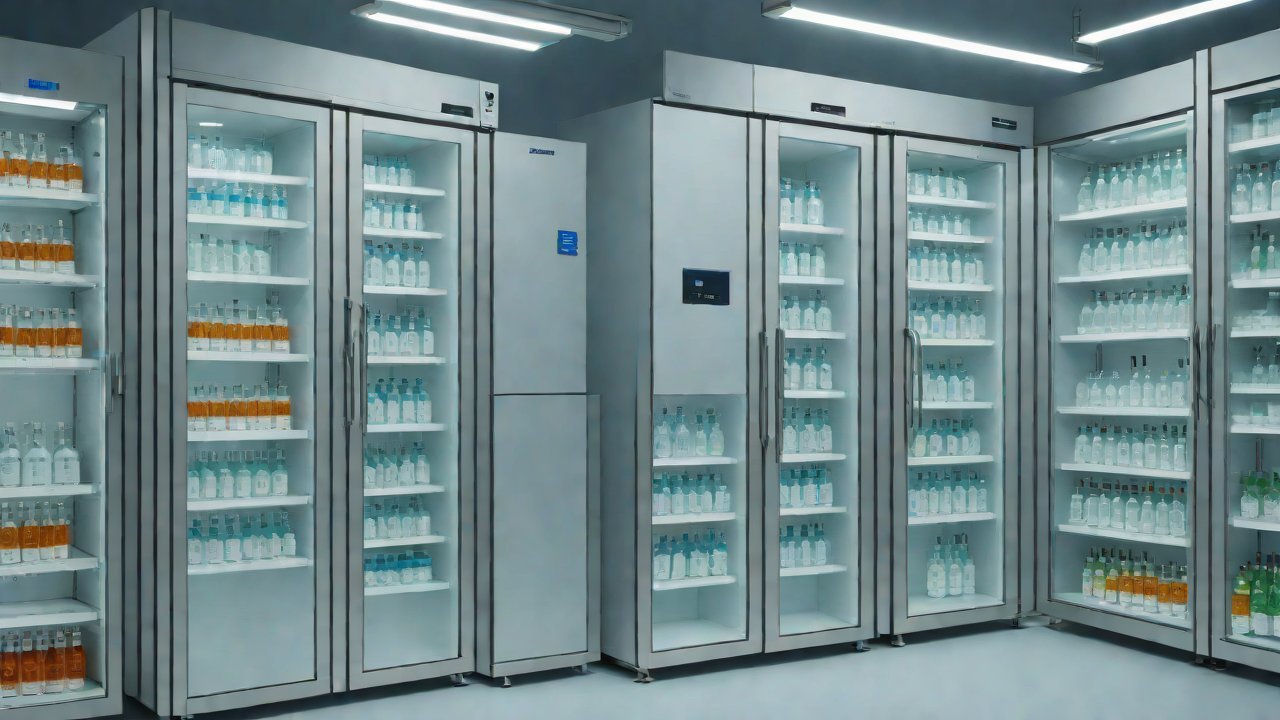
Sample management involves tracking and maintaining the integrity of biological samples from collection to testing. Traditional methods rely on manual recording and tracking, which can lead to errors and delays. IoT-based solutions provide real-time monitoring of temperature, humidity, and other environmental factors that affect sample quality.
2. Benefits of IoT-Based Sample Cold Chain Monitoring
The integration of IoT technology in sample cold chain management offers several benefits, including:
Reduced Temperature Excursions
Temperature excursions can occur due to equipment malfunctions or human errors. IoT-based monitoring systems detect temperature deviations and alert laboratory staff, enabling prompt action to prevent damage to samples.
Improved Data Accuracy
Manual recording of temperature and humidity data is prone to errors. IoT sensors provide accurate and real-time data, ensuring that sample integrity is maintained.
Enhanced Patient Safety
Accurate tracking of sample handling and storage ensures patient safety by preventing contamination or exposure to incorrect treatments.
3. Reagent Balance Monitoring Solutions
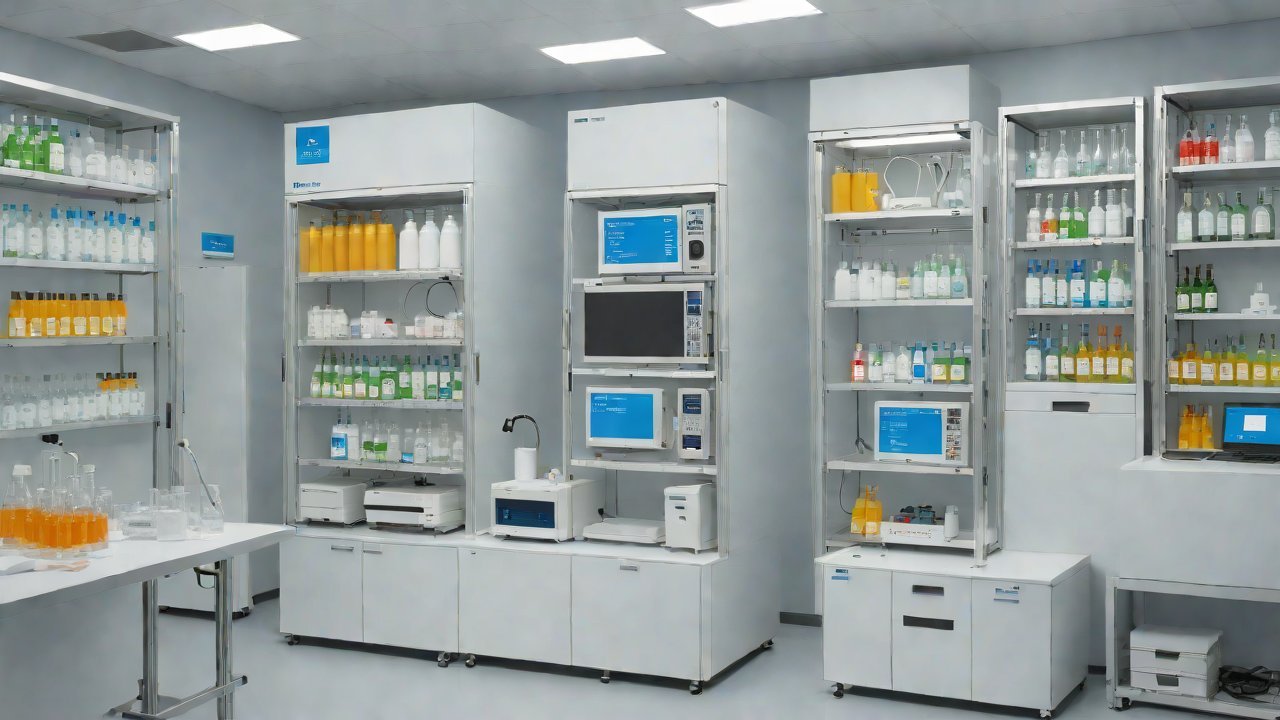
Reagent balance monitoring solutions are designed to optimize reagent usage in laboratory settings. These systems use IoT sensors and AI algorithms to track reagent consumption, detect anomalies, and provide recommendations for improvement.
Benefits of Reagent Balance Monitoring
The benefits of reagent balance monitoring include:
Reduced Waste
Excessive reagent usage can result in waste and increased costs. IoT-based solutions help optimize reagent consumption by detecting anomalies and providing recommendations for improvement.
Improved Accuracy
Manual recording of reagent usage data is prone to errors. IoT sensors provide accurate and real-time data, ensuring that laboratory operations are optimized.
Enhanced Efficiency
Reagent balance monitoring systems enable laboratory staff to focus on high-priority tasks while the system optimizes reagent usage in the background.
4. Market Size and Growth Potential
The market for Smart Laboratories is expected to grow significantly in the coming years, driven by increasing demand for efficient and cost-effective laboratory operations.
| Year | Market Size (USD Million) |
|---|---|
| 2020 | 1,500 |
| 2025 | 3,000 |
| 2030 | 6,000 |

5. IoT-Based Sample Cold Chain Monitoring Solutions
Several companies are developing IoT-based sample cold chain monitoring solutions that integrate with existing laboratory information systems (LIS).
Key Players in the Market
Some of the key players in the market include:
- TempSend
- Cryoport Systems
- BioLifeSolutions
6. Challenges and Limitations
While IoT-based Sample Cold Chain and Reagent Balance Monitoring Solutions offer numerous benefits, there are several challenges and limitations that need to be addressed.
Interoperability Issues
Interoperability issues between different systems can hinder the effectiveness of IoT-based solutions.
Data Security Concerns
IoT devices can pose data security risks if not properly secured. Laboratory staff must ensure that all connected devices are encrypted and secure.
7. Future Outlook
The future outlook for Smart Laboratories is promising, with increasing adoption of IoT technology and AI algorithms expected to drive growth in the coming years.
Expected Trends
Some of the expected trends include:
- Increased use of cloud-based platforms for laboratory data management
- Integration of machine learning algorithms for predictive maintenance
- Growing demand for interoperable systems that integrate with existing LIS
8. Conclusion
In conclusion, IoT-based Sample Cold Chain and Reagent Balance Monitoring Solutions have the potential to revolutionize laboratory operations by improving sample integrity, optimizing reagent usage, and enhancing patient safety. As the market continues to grow, it is essential to address challenges such as interoperability issues and data security concerns.
Recommendations for Laboratory Staff
Laboratory staff should consider the following recommendations when implementing IoT-based solutions:
- Conduct thorough risk assessments before deploying new systems
- Ensure that all connected devices are properly secured
- Develop clear protocols for handling temperature excursions and other anomalies
IOT Cloud Platform
IOT Cloud Platform is an IoT portal established by a Chinese IoT company, focusing on technical solutions in the fields of agricultural IoT, industrial IoT, medical IoT, security IoT, military IoT, meteorological IoT, consumer IoT, automotive IoT, commercial IoT, infrastructure IoT, smart warehousing and logistics, smart home, smart city, smart healthcare, smart lighting, etc.
The IoT Cloud Platform blog is a top IoT technology stack, providing technical knowledge on IoT, robotics, artificial intelligence (generative artificial intelligence AIGC), edge computing, AR/VR, cloud computing, quantum computing, blockchain, smart surveillance cameras, drones, RFID tags, gateways, GPS, 3D printing, 4D printing, autonomous driving, etc.