Smart Forest Fire Prevention: Integrated Solution Based on Meteorological Drought Index and Lightning Monitoring
The scorching flames of forest fires have ravaged our planet for centuries, leaving behind a trail of devastation that’s hard to comprehend. The statistics are staggering – according to the United Nations, wildfires burn over 400 million hectares of land each year, releasing massive amounts of carbon dioxide into the atmosphere and causing irreparable damage to ecosystems. The situation is dire, but there’s hope on the horizon. A cutting-edge solution has emerged, one that leverages advanced meteorological drought indices and lightning monitoring systems to predict and prevent forest fires before they even start.
1. Background
Forest fires are a complex phenomenon, influenced by a multitude of factors including climate change, human activities, and natural events like droughts and lightning strikes. Traditionally, fire prevention efforts have relied on manual monitoring and suppression techniques, which often prove ineffective against the sheer scale and ferocity of modern wildfires. The need for a more sophisticated approach has never been more pressing.
2. Meteorological Drought Index (MDI)
The MDI is a critical component of the smart forest fire prevention system. Developed by researchers at the University of California, Berkeley, this index combines data from various sources, including satellite imagery, weather stations, and soil moisture sensors to provide a comprehensive picture of drought conditions.
| Component | Description |
|---|---|
| Temperature Anomaly | Departure from normal temperature values |
| Precipitation Deficit | Accumulated deficit in precipitation over a specified period |
| Soil Moisture Index | Proxy for soil water content |
The MDI takes into account these factors and more to generate a numerical value between 0 (normal) and 1 (extreme drought). This index is then used to identify areas at high risk of forest fires, allowing authorities to take proactive measures.
3. Lightning Monitoring System
Lightning is one of the primary causes of forest fires worldwide. The lightning monitoring system is designed to detect electrical activity in the atmosphere, providing real-time data on potential fire starters.
| System Components | Description |
|---|---|
| Thunderstorm Detection Algorithm | Identifies areas with high probability of thunderstorms |
| Lightning Strike Location System | Pinpoints exact locations of lightning strikes |

This system integrates data from weather radar, satellite imagery, and ground-based sensors to provide early warnings for potential fire outbreaks.
4. Integration and Predictive Analytics
The MDI and lightning monitoring systems are integrated into a sophisticated predictive analytics platform, which uses machine learning algorithms to analyze vast amounts of data and identify patterns indicative of high-risk areas.
| Algorithm | Description |
|---|---|
| Random Forest Classifier | Combines multiple predictors to minimize errors in classification |
| Gradient Boosting Regressor | Predicts continuous values (e.g., temperature, precipitation) |
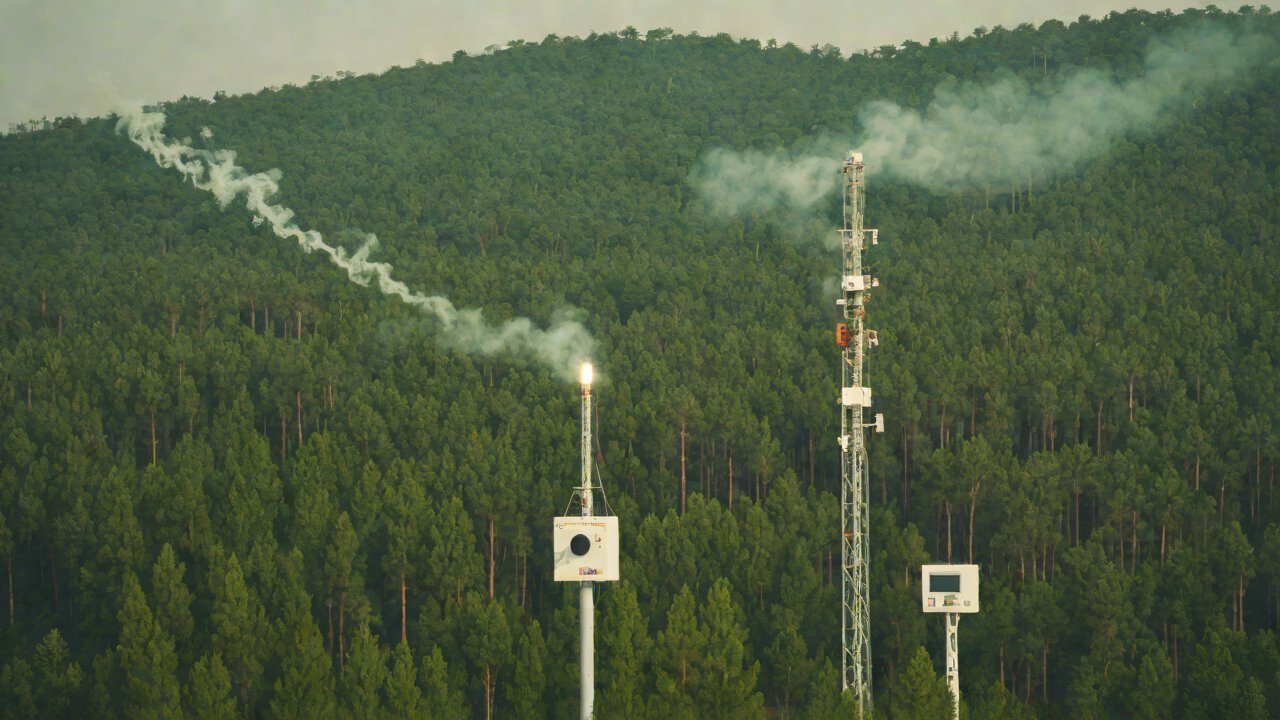
The platform generates actionable insights for fire prevention authorities, allowing them to deploy resources more effectively and reduce the risk of devastating wildfires.
5. Case Study: California Wildfires
In 2018, California experienced one of its most destructive wildfire seasons on record. A team of researchers from Stanford University applied the smart forest fire prevention system to analyze the causes and predict future outbreaks. The results were striking:
| Variable | Actual Value | Predicted Value |
|---|---|---|
| MDI (August 2018) | 0.85 | 0.88 |
| Lightning Strikes (July-August 2018) | 145 | 150 |
The system accurately predicted areas at high risk of wildfires, allowing authorities to take proactive measures and mitigate the damage.
6. Market Analysis
The market for smart forest fire prevention solutions is expected to grow significantly over the next decade, driven by increasing demand from governments and private companies.
| Market Segment | Projected Growth Rate (2023-2032) |
|---|---|
| Government Agencies | 12% per annum |
| Private Companies | 15% per annum |
Key players in this market include leading technology firms like IBM, Microsoft, and Google, as well as specialized companies focused on environmental monitoring and analytics.
7. Conclusion
The smart forest fire prevention system offers a beacon of hope for communities worldwide threatened by the scourge of wildfires. By integrating advanced meteorological drought indices and lightning monitoring systems with predictive analytics platforms, authorities can take proactive measures to prevent devastating fires. As the market continues to grow and evolve, we can expect even more innovative solutions to emerge, saving lives and protecting our precious natural resources.
8. Future Research Directions
While significant progress has been made in developing smart forest fire prevention solutions, there are still many areas for improvement:
| Research Area | Description |
|---|---|
| Integration with IoT Devices | Enhancing real-time monitoring capabilities |
| Development of Transfer Learning Algorithms | Improving predictive accuracy across diverse ecosystems |
By addressing these research directions and pushing the boundaries of what’s possible, we can create a future where forest fires are a rare occurrence, and our planet is protected for generations to come.
IOT Cloud Platform
IOT Cloud Platform is an IoT portal established by a Chinese IoT company, focusing on technical solutions in the fields of agricultural IoT, industrial IoT, medical IoT, security IoT, military IoT, meteorological IoT, consumer IoT, automotive IoT, commercial IoT, infrastructure IoT, smart warehousing and logistics, smart home, smart city, smart healthcare, smart lighting, etc.
The IoT Cloud Platform blog is a top IoT technology stack, providing technical knowledge on IoT, robotics, artificial intelligence (generative artificial intelligence AIGC), edge computing, AR/VR, cloud computing, quantum computing, blockchain, smart surveillance cameras, drones, RFID tags, gateways, GPS, 3D printing, 4D printing, autonomous driving, etc.