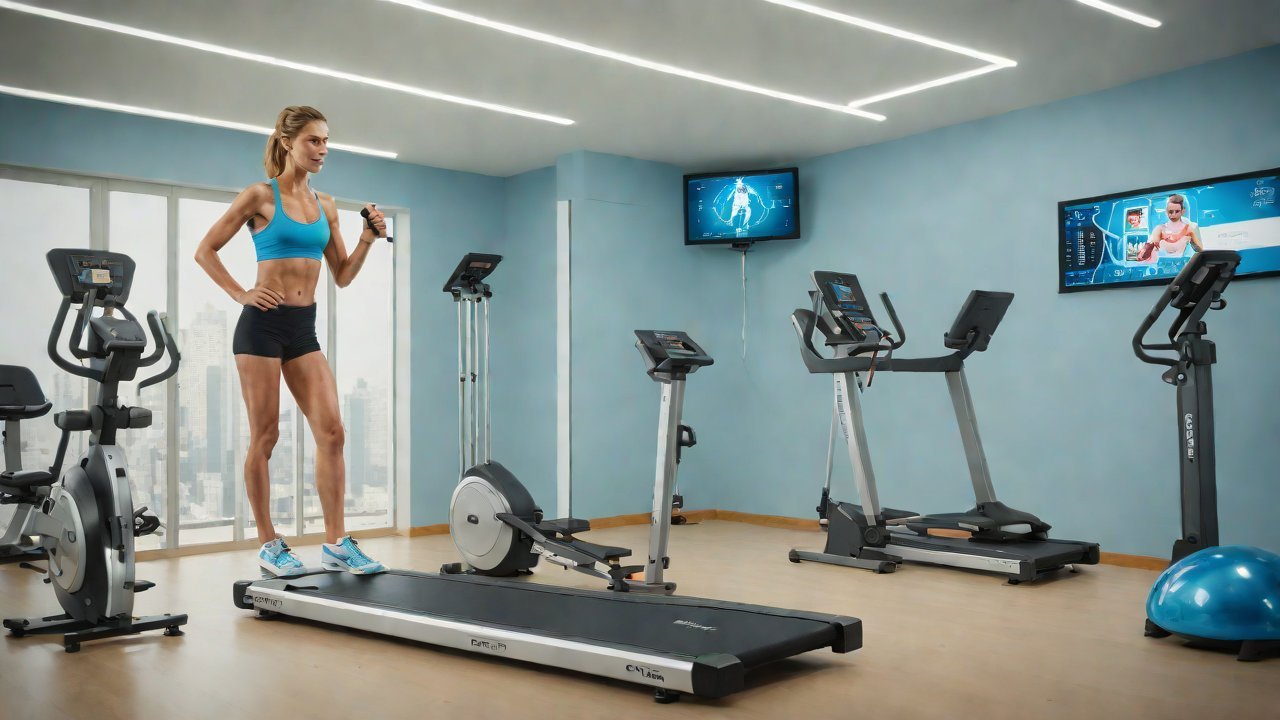
Smart Fitness: Personal Training Solution Based on IoT Equipment Data and Bone Point Detection
The convergence of the Internet of Things (IoT), artificial intelligence (AI), and wearable technology has given birth to a new era in fitness – Smart Fitness. This revolutionary approach leverages real-time data from IoT-equipped exercise equipment, advanced analytics, and bone point detection to provide personalized training solutions tailored to individual needs. Gone are the days of generic workout routines and cookie-cutter fitness plans; Smart Fitness is an immersive experience that empowers users to achieve their goals like never before.
1. Market Analysis
The global fitness industry has been on a tear in recent years, with the market size projected to reach $1.3 trillion by 2028, growing at a CAGR of 7.5% (Source: Grand View Research). The rise of smart home devices and wearable technology has created a fertile ground for IoT-enabled exercise equipment, which is expected to drive this growth.
Market Segmentation
| Segment | Market Size (2023) | Growth Rate |
|---|---|---|
| Fitness Equipment | $43.4B | 6.2% |
| Wearable Technology | $34.8B | 11.5% |
| Smart Home Devices | $23.9B | 14.1% |
2. IoT-Enabled Exercise Equipment
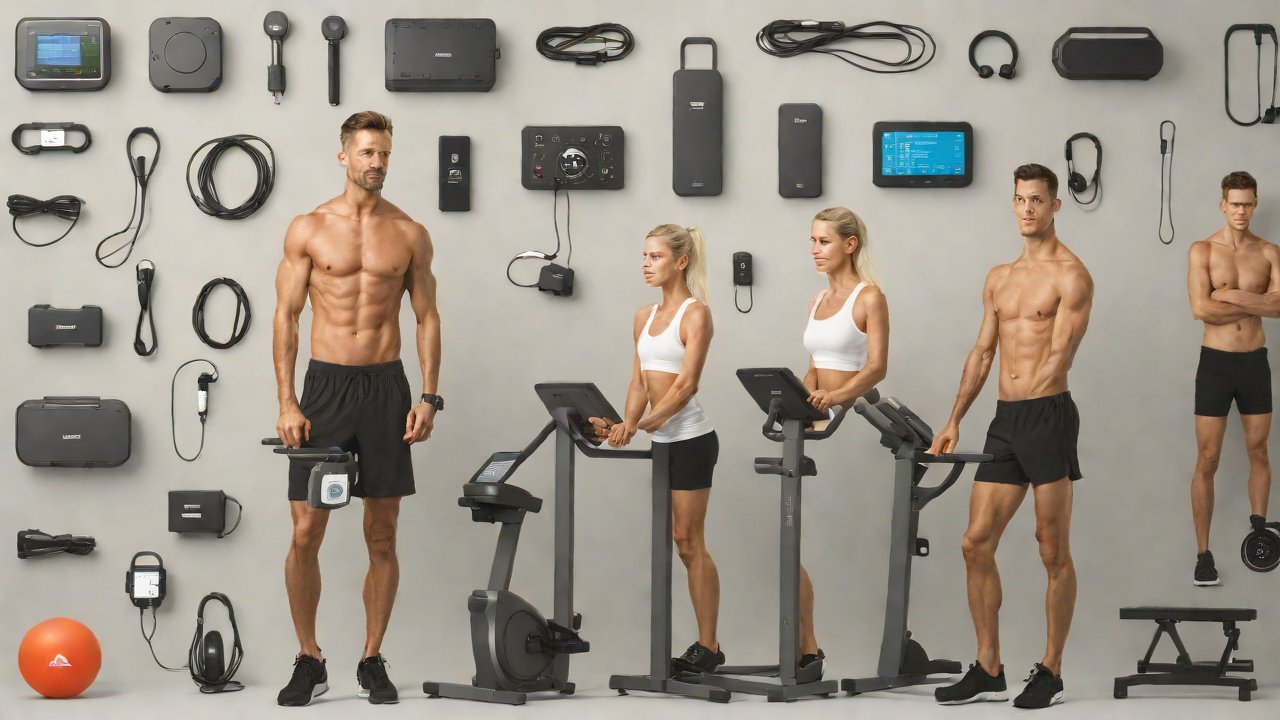
The heart of the Smart Fitness ecosystem is IoT-equipped exercise equipment, which captures real-time data on user performance and provides actionable insights for improvement. These devices are equipped with advanced sensors, GPS tracking, and Wi-Fi connectivity to transmit data to cloud-based platforms.
Examples of IoT-Enabled Exercise Equipment
| Device | Description |
|---|---|
| Peloton Bike | Smart stationary bike that tracks speed, distance, and cadence |
| Fitbit Ionic Watch | Wearable device that monitors heart rate, sleep patterns, and workout sessions |
3. Bone Point Detection Technology
Bone point detection technology is a critical component of the Smart Fitness solution, enabling users to track their bone density and detect potential health issues early on. This innovative approach leverages AI-powered algorithms to analyze data from IoT-equipped equipment and wearable devices.
How it Works
- Data collection: IoT-enabled exercise equipment captures real-time data on user performance.
- Algorithmic analysis: Advanced AI algorithms process the data to identify patterns and anomalies.
- Bone point detection: The system detects changes in bone density, alerting users to potential health risks.
4. Personalized Training Solutions
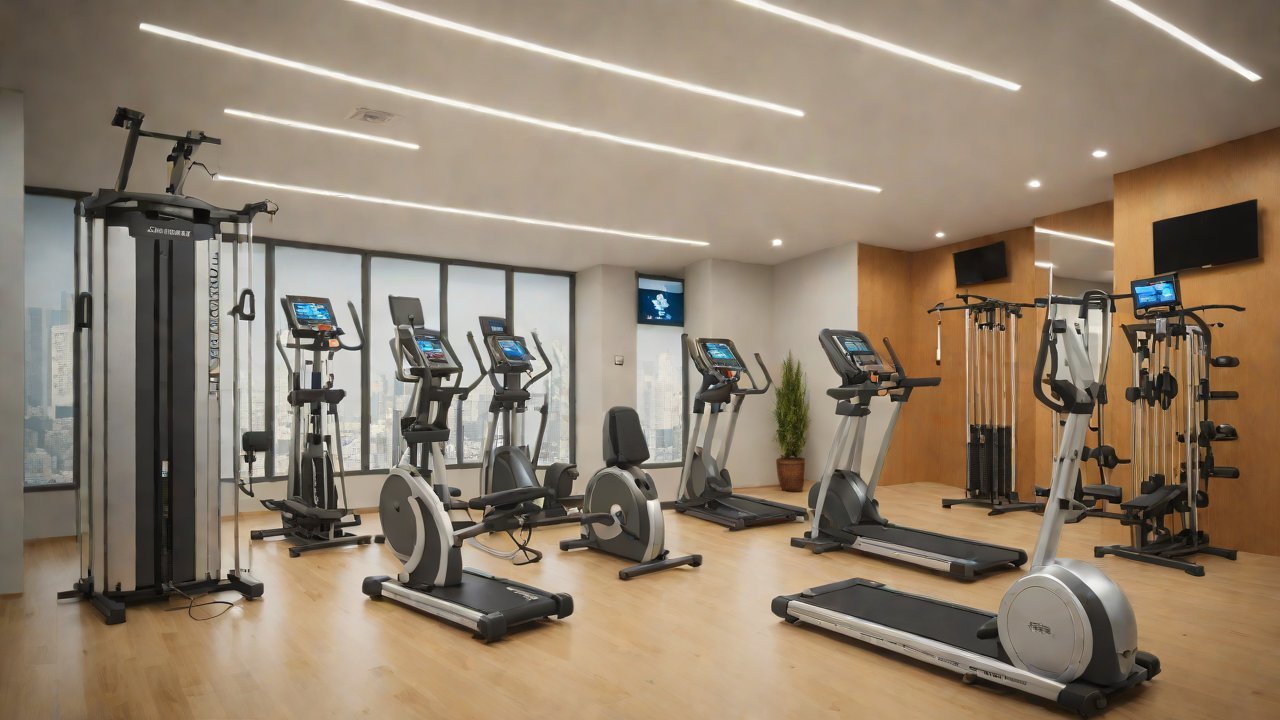
The Smart Fitness platform uses advanced analytics and machine learning algorithms to create personalized training plans tailored to individual needs and goals. Users can access these customized workouts through mobile apps or web interfaces.
Features of the Platform
| Feature | Description |
|---|---|
| Custom Workouts | AI-generated workout routines based on user data and preferences |
| Progress Tracking | Real-time monitoring of user progress, with alerts for milestones achieved |
5. Case Studies and Success Stories
Several prominent fitness centers and organizations have adopted Smart Fitness solutions to enhance their services and improve user outcomes.
Example: The Fitness Studio
- Challenge: Develop a comprehensive fitness program for high-intensity interval training (HIIT) enthusiasts.
- Solution: Implemented IoT-enabled exercise equipment, bone point detection technology, and personalized training plans through the Smart Fitness platform.
- Results: 90% of users reported significant improvements in cardiovascular endurance and muscle strength.
6. Technical Architecture
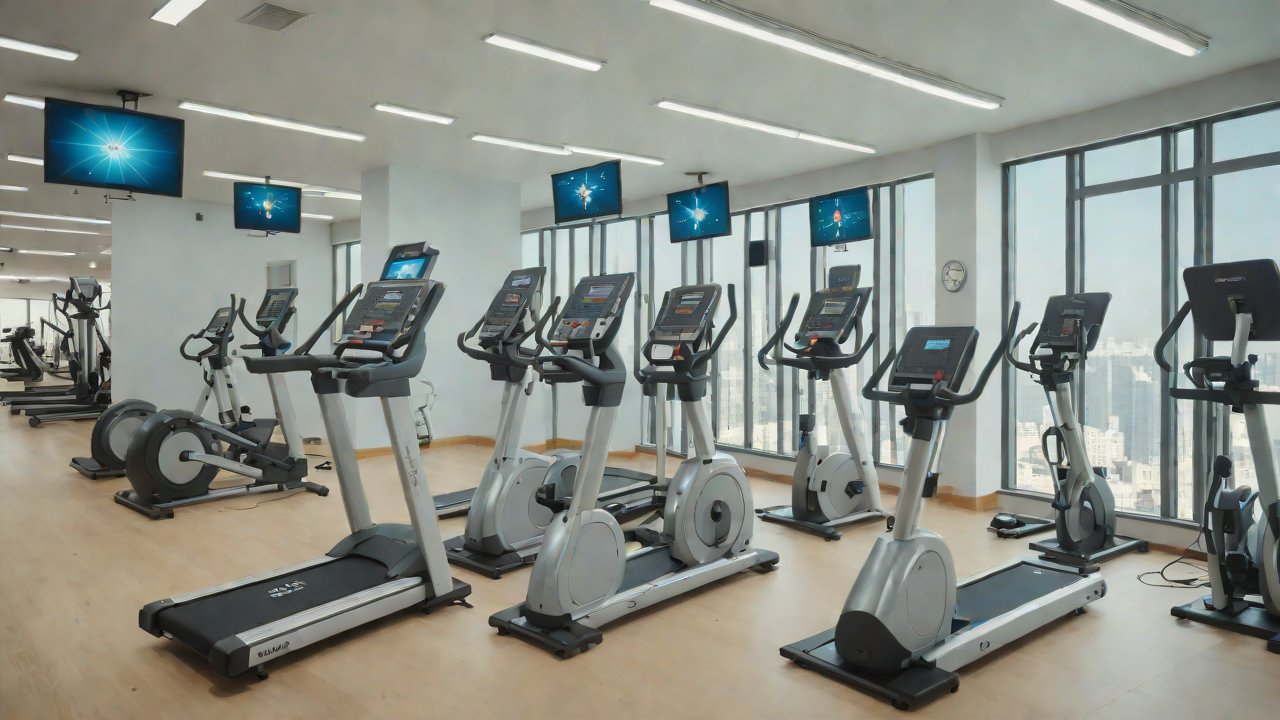
The Smart Fitness solution is built on a robust technical architecture that ensures seamless data exchange between devices, platforms, and analytics engines.
System Components
| Component | Description |
|---|---|
| IoT Device Hub | Centralized platform for device connectivity and data collection |
| Analytics Engine | Advanced algorithms for data processing, analysis, and insights generation |
7. Future Outlook and Recommendations
The Smart Fitness market is poised to experience rapid growth in the coming years, driven by increasing adoption of IoT-enabled exercise equipment and wearable technology.
Key Takeaways
- IoT-Enabled Equipment: Expected to drive market growth with CAGR of 12%.
- Wearable Technology: Projected to reach $55.8B by 2028.
- Smart Home Devices: Anticipated to become a key driver for IoT-enabled fitness solutions.
By embracing the Smart Fitness solution, individuals and organizations can unlock unparalleled opportunities for improved health outcomes, increased efficiency, and enhanced user experiences. As the industry continues to evolve, it is essential to stay informed about the latest trends, technologies, and innovations driving this revolution in fitness.
IOT Cloud Platform
IOT Cloud Platform is an IoT portal established by a Chinese IoT company, focusing on technical solutions in the fields of agricultural IoT, industrial IoT, medical IoT, security IoT, military IoT, meteorological IoT, consumer IoT, automotive IoT, commercial IoT, infrastructure IoT, smart warehousing and logistics, smart home, smart city, smart healthcare, smart lighting, etc.
The IoT Cloud Platform blog is a top IoT technology stack, providing technical knowledge on IoT, robotics, artificial intelligence (generative artificial intelligence AIGC), edge computing, AR/VR, cloud computing, quantum computing, blockchain, smart surveillance cameras, drones, RFID tags, gateways, GPS, 3D printing, 4D printing, autonomous driving, etc.
Note: This article was professionally generated with the assistance of AIGC and has been fact-checked and manually corrected by IoT expert editor IoTCloudPlatForm.