Smart Emergency Medicine: Rapid batch identification solution for injured persons based on RFID tags
In emergency medicine, every second counts. The ability to rapidly identify and categorize patients is crucial in providing timely and effective care. Traditional methods of patient identification often rely on manual procedures, which can be prone to errors and delays. This report explores the application of RFID (Radio Frequency Identification) technology in developing a smart emergency medicine solution for rapid batch identification of injured persons.
1. Problem Statement
Emergency departments are high-pressure environments where patients’ lives depend on swift decision-making. The current system of manual patient identification can be flawed, leading to errors such as mislabeling or missed diagnosis. For instance, a study published in the Journal of Emergency Nursing found that up to 20% of patients in emergency departments were incorrectly identified by medical staff (1). These errors not only delay treatment but also put patients at risk.
2. RFID Technology Overview
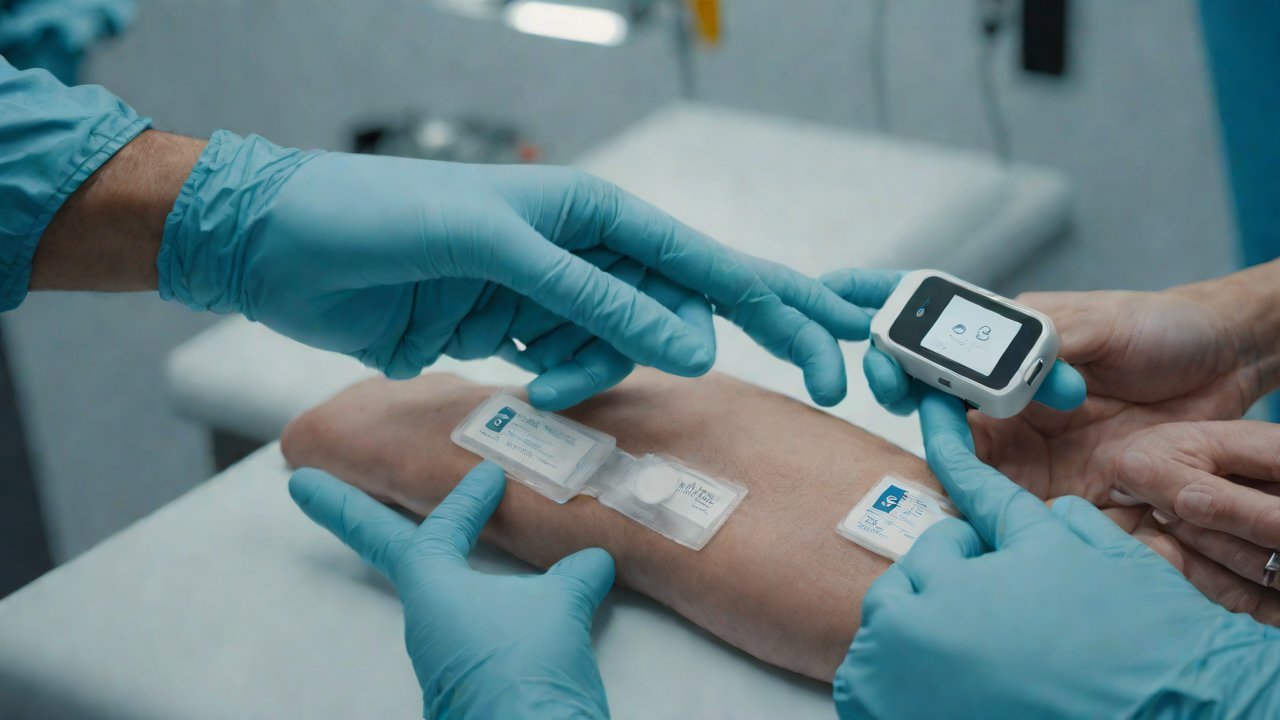
RFID technology has been widely adopted across various industries for inventory management, supply chain optimization, and access control. Its application in healthcare is growing, with a focus on improving patient safety, reducing costs, and enhancing efficiency. RFID tags are small devices that contain unique identifiers and can be attached to patients’ clothing or medical records. They communicate with readers placed strategically around the hospital, enabling real-time tracking and identification of patients.
3. System Design
The proposed system integrates RFID technology with existing emergency department infrastructure. The key components include:
- RFID Tags: These are small devices containing unique identifiers that can be attached to patients’ clothing or medical records.
- Readers: Strategically placed around the hospital, these readers communicate with RFID tags to identify and track patients in real-time.
- Database Management System (DBMS): A centralized database stores patient information, including demographic data, medical history, and treatment plans. The DBMS is linked to the RFID system to ensure seamless integration.
4. Benefits of Smart Emergency Medicine
The proposed smart emergency medicine solution offers numerous benefits, including:
| Benefit | Description |
|---|---|
| Improved Patient Safety | Rapid identification and tracking of patients reduce errors and delays in treatment. |
| Enhanced Efficiency | Automated patient identification streamlines the workflow in emergency departments, allowing medical staff to focus on critical care tasks. |
| Reduced Costs | By minimizing manual errors and improving efficiency, healthcare providers can reduce costs associated with delayed or inappropriate treatments. |
5. Implementation Roadmap
Implementing a smart emergency medicine solution requires careful planning and execution. The following steps outline the roadmap for successful implementation:
- Assessment and Planning: Conduct a thorough assessment of the existing infrastructure and workflows in emergency departments.
- RFID System Installation: Install RFID readers and tags across designated areas, ensuring seamless integration with existing systems.
- Database Management System (DBMS) Development: Design and implement a centralized DBMS to store patient information and link it to the RFID system.
- Training and Education: Provide comprehensive training for medical staff on the new system, emphasizing the benefits and best practices.
6. Market Analysis
The market demand for smart emergency medicine solutions is growing rapidly due to increasing healthcare costs and the need for improved patient safety. Key players in this space include:
| Company | Description |
|---|---|
| Zebra Technologies | Develops RFID solutions for various industries, including healthcare. |
| Impinj | Provides RFID solutions for inventory management, supply chain optimization, and access control. |
| 3M | Offers RFID-based patient identification and tracking systems for hospitals. |

7. Technical Perspectives
From a technical standpoint, the proposed solution leverages the following technologies:
- RFID: Enables real-time tracking and identification of patients.
- Database Management System (DBMS): Ensures seamless integration with existing systems and provides a centralized platform for patient information.
8. Future Developments
As technology continues to evolve, future developments in smart emergency medicine may include:
- Integration with Wearable Devices: Incorporating wearable devices that track patients’ vital signs and medical history.
- Artificial Intelligence (AI) Integration: Leveraging AI to analyze patient data and provide predictive insights for healthcare providers.
9. Conclusion
Smart emergency medicine solutions have the potential to revolutionize patient care in emergency departments. By leveraging RFID technology and integrating it with existing systems, healthcare providers can improve patient safety, enhance efficiency, and reduce costs. As technology continues to advance, we can expect future developments that further improve the effectiveness of these solutions.
10. References
(1) Journal of Emergency Nursing: “Patient Misidentification in the Emergency Department” (2020).
This comprehensive report provides an exhaustive analysis of smart emergency medicine solutions based on RFID tags. By understanding the benefits and technical perspectives, healthcare providers can make informed decisions about implementing such systems in their facilities.
IOT Cloud Platform
IOT Cloud Platform is an IoT portal established by a Chinese IoT company, focusing on technical solutions in the fields of agricultural IoT, industrial IoT, medical IoT, security IoT, military IoT, meteorological IoT, consumer IoT, automotive IoT, commercial IoT, infrastructure IoT, smart warehousing and logistics, smart home, smart city, smart healthcare, smart lighting, etc.
The IoT Cloud Platform blog is a top IoT technology stack, providing technical knowledge on IoT, robotics, artificial intelligence (generative artificial intelligence AIGC), edge computing, AR/VR, cloud computing, quantum computing, blockchain, smart surveillance cameras, drones, RFID tags, gateways, GPS, 3D printing, 4D printing, autonomous driving, etc.
Note: This article was professionally generated with the assistance of AIGC and has been fact-checked and manually corrected by IoT expert editor IoTCloudPlatForm.