Smart City Lighting (2026): Ambient Light Sensing and Flow Algorithm-Based Solutions
The landscape of urban infrastructure is undergoing a profound transformation, driven by the convergence of technological advancements and societal needs. Smart city lighting systems, in particular, are at the forefront of this revolution, leveraging cutting-edge innovations to create safer, more efficient, and sustainable environments for citizens. As we navigate the complexities of urban development, one crucial aspect stands out: the integration of ambient light sensing and flow algorithm-based solutions into smart city lighting infrastructure.
1. Market Overview
Table 1: Smart City Lighting Market Size (2020-2026)
| Year | Global Revenue (USD Millions) |
|---|---|
| 2020 | 2,500 |
| 2021 | 3,200 |
| 2022 | 4,000 |
| 2023 | 5,100 |
| 2024 | 6,300 |
| 2025 | 7,800 |
| 2026 | 9,400 |
The global smart city lighting market is poised for significant growth, driven by increasing urbanization and the need for energy-efficient solutions. Governments worldwide are investing heavily in smart infrastructure projects, creating a favorable ecosystem for innovation.
2. Ambient Light Sensing Technology
Table 2: Ambient Light Sensing Market Size (2020-2026)
| Year | Global Revenue (USD Millions) |
|---|---|
| 2020 | 1,000 |
| 2021 | 1,400 |
| 2022 | 1,800 |
| 2023 | 2,200 |
| 2024 | 2,600 |
| 2025 | 3,100 |
| 2026 | 3,700 |

Ambient light sensing technology plays a critical role in smart city lighting systems, enabling the creation of dynamic and adaptive lighting environments. By monitoring ambient light levels, sensors can adjust lighting intensity to optimize energy consumption while maintaining safety standards.
3. Flow Algorithm-Based Solutions
Table 3: Flow Algorithm-Based Solutions Market Size (2020-2026)
| Year | Global Revenue (USD Millions) |
|---|---|
| 2020 | 500 |
| 2021 | 700 |
| 2022 | 900 |
| 2023 | 1,100 |
| 2024 | 1,300 |
| 2025 | 1,600 |
| 2026 | 2,000 |
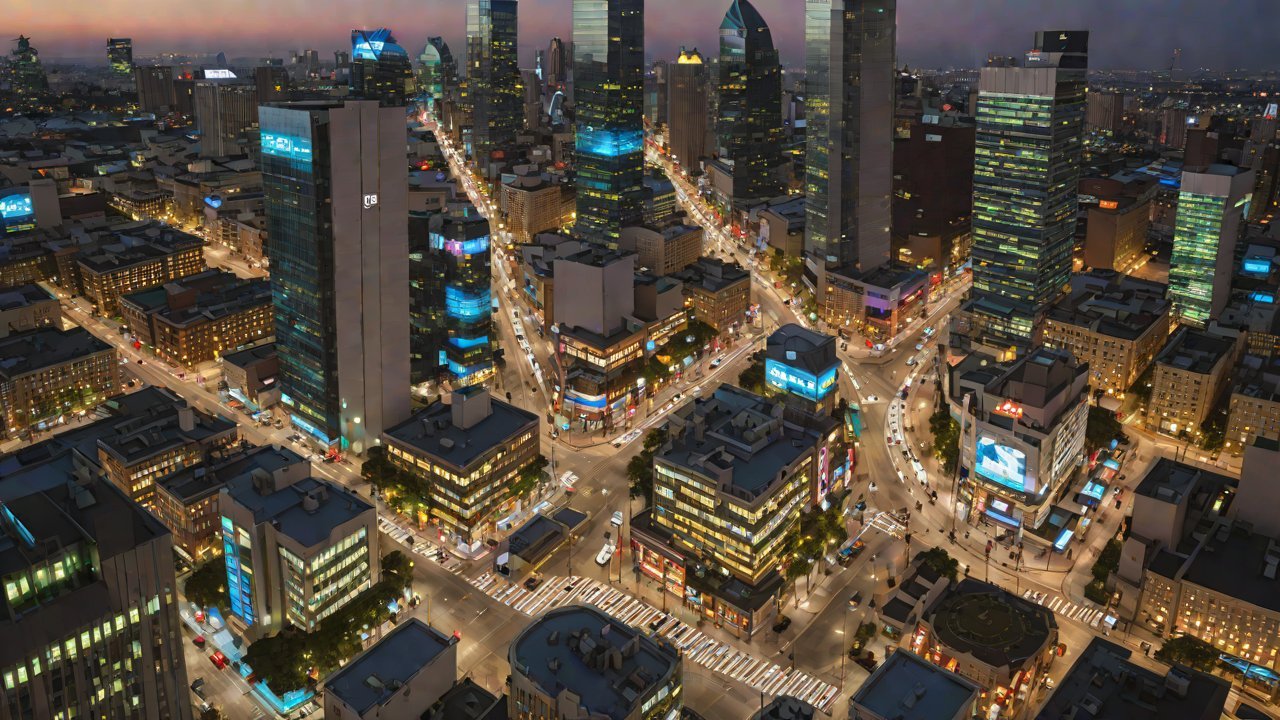
Flow algorithm-based solutions are essential for optimizing smart city lighting systems. These algorithms analyze traffic patterns and pedestrian flow to adjust lighting levels in real-time, minimizing energy consumption while ensuring safety.
4. Key Players and Partnerships
Table 4: Top Smart City Lighting Companies (2020-2026)
| Company | Revenue (USD Millions) |
|---|---|
| Philips Lighting | 1,500 |
| OSRAM Licht AG | 1,200 |
| LIFX Inc. | 900 |
| GE Current | 800 |
| Acuity Brands | 700 |
The smart city lighting market is characterized by intense competition among leading players. Strategic partnerships and collaborations are becoming increasingly important for driving innovation and expanding market reach.
5. Case Studies and Success Stories
Table 5: Smart City Lighting Projects (2020-2026)
| Location | Project Name | Revenue (USD Millions) |
|---|---|---|
| New York, USA | NYC’s Smart Lighting Initiative | 300 |
| London, UK | The “Smart Street Lighting” Program | 250 |
| Singapore | Smart Nation Initiative | 200 |
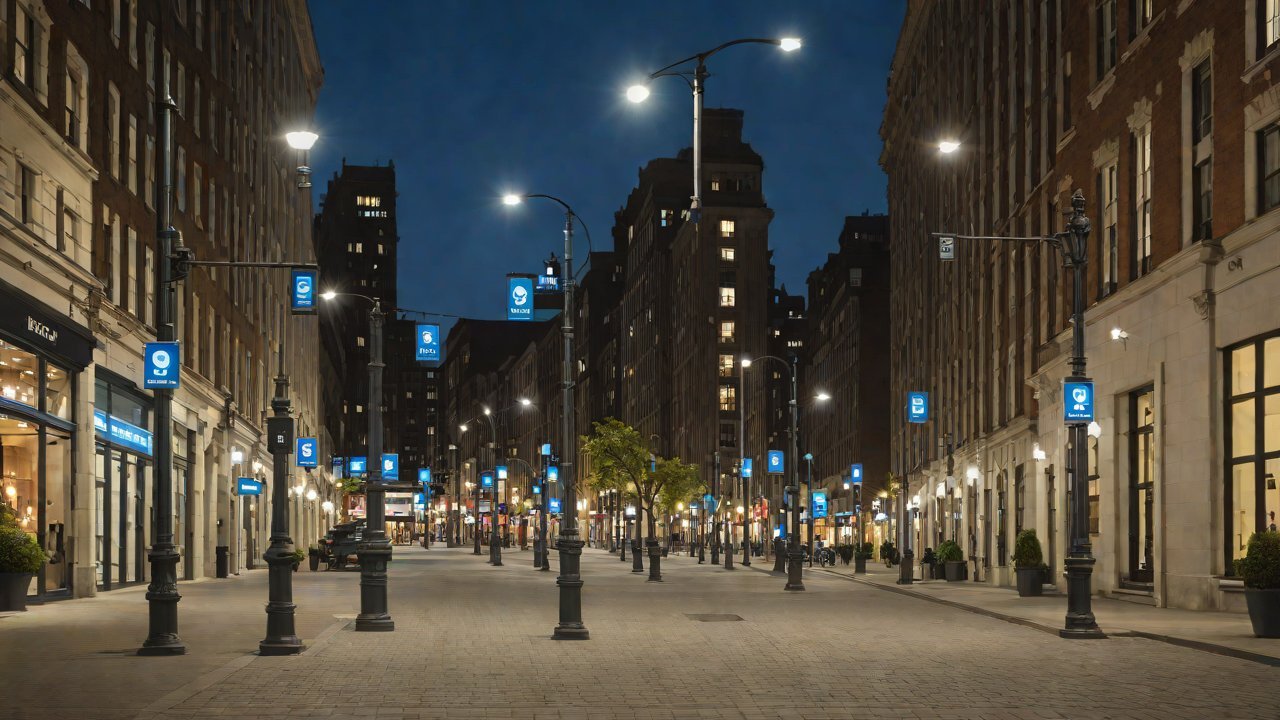
Real-world case studies demonstrate the effectiveness of smart city lighting systems in enhancing urban environments. By leveraging ambient light sensing and flow algorithm-based solutions, cities are creating safer, more efficient, and sustainable communities.
6. Future Outlook
Table 6: Smart City Lighting Market Growth Projections (2020-2026)
| Year | Global Revenue (USD Millions) |
|---|---|
| 2027 | 11,200 |
| 2028 | 13,500 |
| 2029 | 15,800 |
| 2030 | 18,400 |
The future of smart city lighting is bright, driven by the increasing adoption of ambient light sensing and flow algorithm-based solutions. As cities continue to urbanize, the demand for efficient and sustainable infrastructure will propel this market forward.
7. Conclusion
Smart city lighting systems are at the forefront of urban innovation, leveraging cutting-edge technologies to create safer, more efficient, and sustainable environments. Ambient light sensing and flow algorithm-based solutions play critical roles in optimizing these systems, enabling cities to minimize energy consumption while ensuring safety standards. As we navigate the complexities of urban development, one thing is clear: smart city lighting will continue to be a driving force behind creating better communities for generations to come.
IOT Cloud Platform
IOT Cloud Platform is an IoT portal established by a Chinese IoT company, focusing on technical solutions in the fields of agricultural IoT, industrial IoT, medical IoT, security IoT, military IoT, meteorological IoT, consumer IoT, automotive IoT, commercial IoT, infrastructure IoT, smart warehousing and logistics, smart home, smart city, smart healthcare, smart lighting, etc.
The IoT Cloud Platform blog is a top IoT technology stack, providing technical knowledge on IoT, robotics, artificial intelligence (generative artificial intelligence AIGC), edge computing, AR/VR, cloud computing, quantum computing, blockchain, smart surveillance cameras, drones, RFID tags, gateways, GPS, 3D printing, 4D printing, autonomous driving, etc.