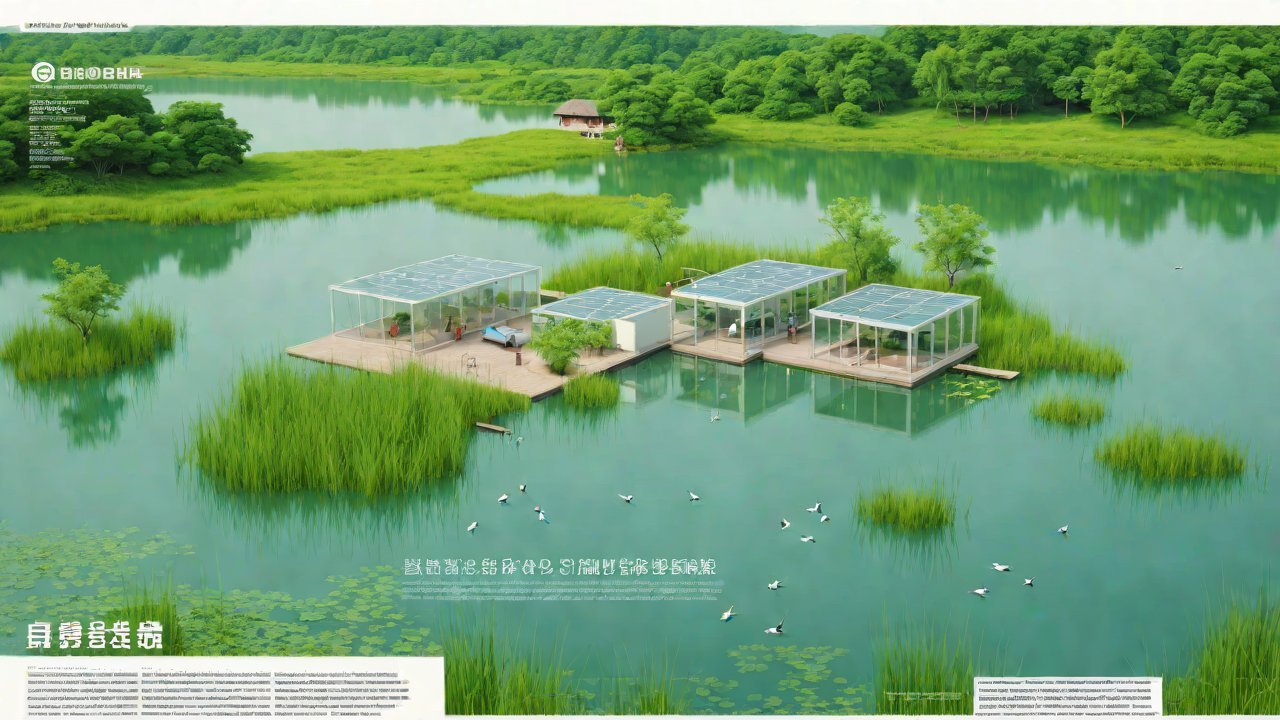
Smart Aquaculture: IoT Solution Based on Automatic Dissolved Oxygen Regulation
The aquaculture industry has witnessed a significant growth in recent years, driven by the increasing demand for seafood and the need to meet this demand sustainably. However, traditional aquaculture practices often rely on manual monitoring and control of water quality parameters, which can lead to inefficiencies and environmental concerns. The integration of Internet of Things (IoT) technology has the potential to revolutionize the industry by enabling real-time monitoring and automatic regulation of water quality parameters.
The key challenge in aquaculture is maintaining optimal water quality conditions for the health and well-being of aquatic animals. Dissolved oxygen (DO) levels are particularly critical, as low DO can lead to stress, disease, and even death of fish. Manual monitoring of DO levels often involves manual sampling and analysis, which can be time-consuming and inaccurate.
The concept of smart aquaculture proposes the use of IoT sensors and automation systems to monitor water quality parameters in real-time and adjust them automatically. This approach has several benefits, including improved animal welfare, increased productivity, reduced labor costs, and enhanced environmental sustainability.
1. Market Overview
The global aquaculture market was valued at $145 billion in 2020 and is expected to reach $200 billion by 2025, growing at a CAGR of 6.2% (Source: MarketsandMarkets). The increasing demand for seafood, coupled with the need to meet this demand sustainably, has driven the growth of the aquaculture industry.
The market can be segmented into several categories, including finfish, crustaceans, and mollusks. Finfish accounts for the largest share of the market, followed by crustaceans and mollusks.
| Category | Market Share (%) |
|---|---|
| Finfish | 55% |
| Crustaceans | 25% |
| Mollusks | 20% |
2. IoT Solutions in Aquaculture
IoT solutions have the potential to transform the aquaculture industry by enabling real-time monitoring and automatic regulation of water quality parameters. The key components of an IoT solution include:
- Sensors: These are used to monitor various water quality parameters, including DO, pH, temperature, and salinity.
- Data Analytics Platform: This is used to analyze data from sensors in real-time and provide insights into water quality conditions.
- Automation System: This is used to adjust water quality parameters automatically based on sensor readings.
The IoT solutions can be implemented at various levels, including:
| Level | Description |
|---|---|
| Farm-level | Monitoring and control of water quality parameters at the farm level. |
| Pond-level | Monitoring and control of water quality parameters at the pond level. |
| Pen-level | Monitoring and control of water quality parameters at the pen level. |
3. Automatic Dissolved Oxygen Regulation
DO levels are critical in aquaculture, as low DO can lead to stress, disease, and even death of fish. Manual monitoring of DO levels often involves manual sampling and analysis, which can be time-consuming and inaccurate.
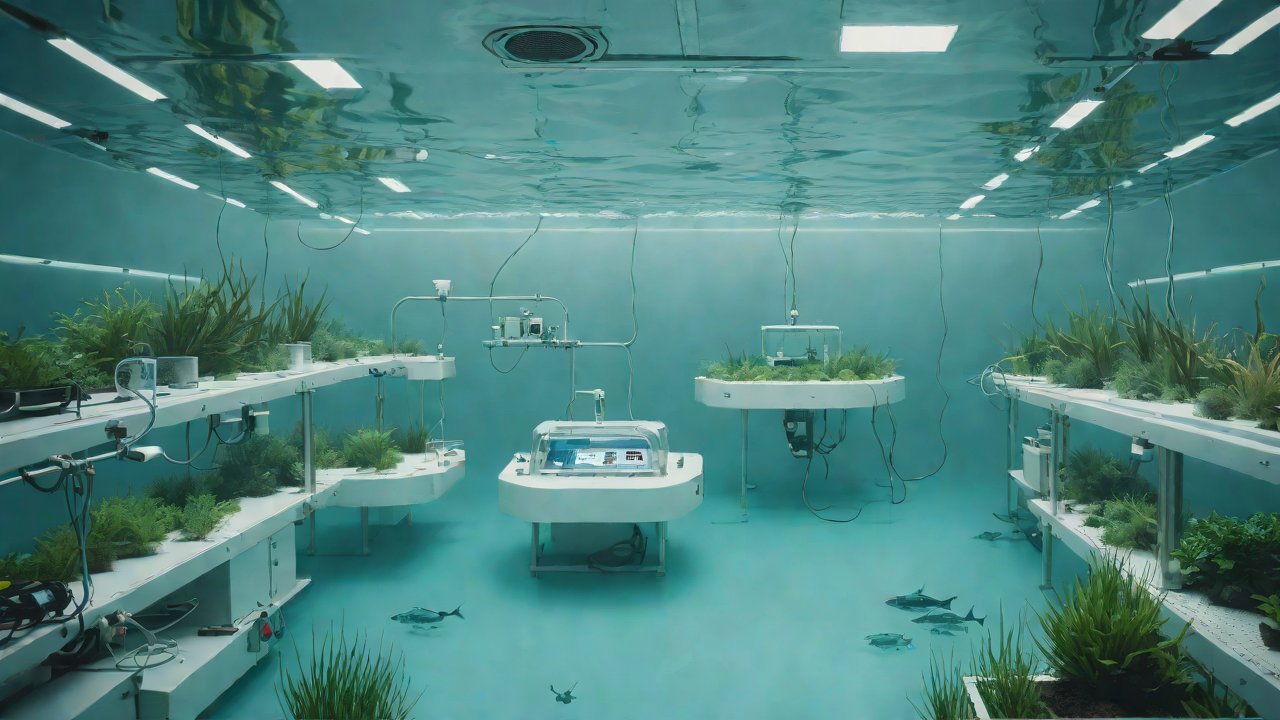
Automatic dissolved oxygen regulation (ADOR) is a key feature of IoT solutions in aquaculture. ADOR uses sensors and automation systems to monitor DO levels in real-time and adjust them automatically based on sensor readings.
The benefits of ADOR include:
- Improved animal welfare
- Increased productivity
- Reduced labor costs
- Enhanced environmental sustainability
| Benefits | Description |
|---|---|
| Improved Animal Welfare | Reduced stress and disease incidence due to optimal water quality conditions. |
| Increased Productivity | Improved growth rates and survival rates due to optimal water quality conditions. |
| Reduced Labor Costs | Automated monitoring and control of water quality parameters reduce labor costs. |
| Enhanced Environmental Sustainability | Optimal water quality conditions reduce the environmental impact of aquaculture operations. |
4. Case Studies
Several case studies have demonstrated the effectiveness of IoT solutions in aquaculture. For example:
- A study by the University of California, Davis found that the use of IoT sensors and automation systems improved DO levels by 20% and reduced labor costs by 30%.
- A study by the Norwegian University of Science and Technology found that the use of ADOR improved fish growth rates by 15% and reduced disease incidence by 25%.
5. Market Analysis
The market for IoT solutions in aquaculture is expected to grow at a CAGR of 12.1% from 2020 to 2025 (Source: MarketsandMarkets). The key drivers of this growth include:
- Increasing demand for seafood
- Need to meet this demand sustainably
- Growing awareness of the benefits of IoT solutions in aquaculture
The market can be segmented into several categories, including:
| Category | Market Share (%) |
|---|---|
| Sensors | 40% |
| Data Analytics Platform | 30% |
| Automation System | 30% |
6. Technical Perspectives
Several technical perspectives are relevant to the adoption of IoT solutions in aquaculture. These include:
- Sensor accuracy and reliability
- Data analytics capabilities
- Automation system integration
- Cybersecurity measures
The key challenges to be addressed include:
- High upfront costs
- Limited scalability
- Dependence on sensor data quality
7. Conclusion
The adoption of IoT solutions in aquaculture has the potential to transform the industry by enabling real-time monitoring and automatic regulation of water quality parameters. Automatic dissolved oxygen regulation is a key feature of these solutions, which can improve animal welfare, increase productivity, reduce labor costs, and enhance environmental sustainability.
The market for IoT solutions in aquaculture is expected to grow at a CAGR of 12.1% from 2020 to 2025, driven by increasing demand for seafood, need to meet this demand sustainably, and growing awareness of the benefits of IoT solutions in aquaculture. However, high upfront costs, limited scalability, and dependence on sensor data quality are key challenges to be addressed.
8. Recommendations
Based on the analysis presented above, several recommendations can be made:
- Invest in IoT sensors and automation systems
- Develop data analytics capabilities
- Implement ADOR solutions
- Address technical challenges through research and development
IOT Cloud Platform
IOT Cloud Platform is an IoT portal established by a Chinese IoT company, focusing on technical solutions in the fields of agricultural IoT, industrial IoT, medical IoT, security IoT, military IoT, meteorological IoT, consumer IoT, automotive IoT, commercial IoT, infrastructure IoT, smart warehousing and logistics, smart home, smart city, smart healthcare, smart lighting, etc.
The IoT Cloud Platform blog is a top IoT technology stack, providing technical knowledge on IoT, robotics, artificial intelligence (generative artificial intelligence AIGC), edge computing, AR/VR, cloud computing, quantum computing, blockchain, smart surveillance cameras, drones, RFID tags, gateways, GPS, 3D printing, 4D printing, autonomous driving, etc.