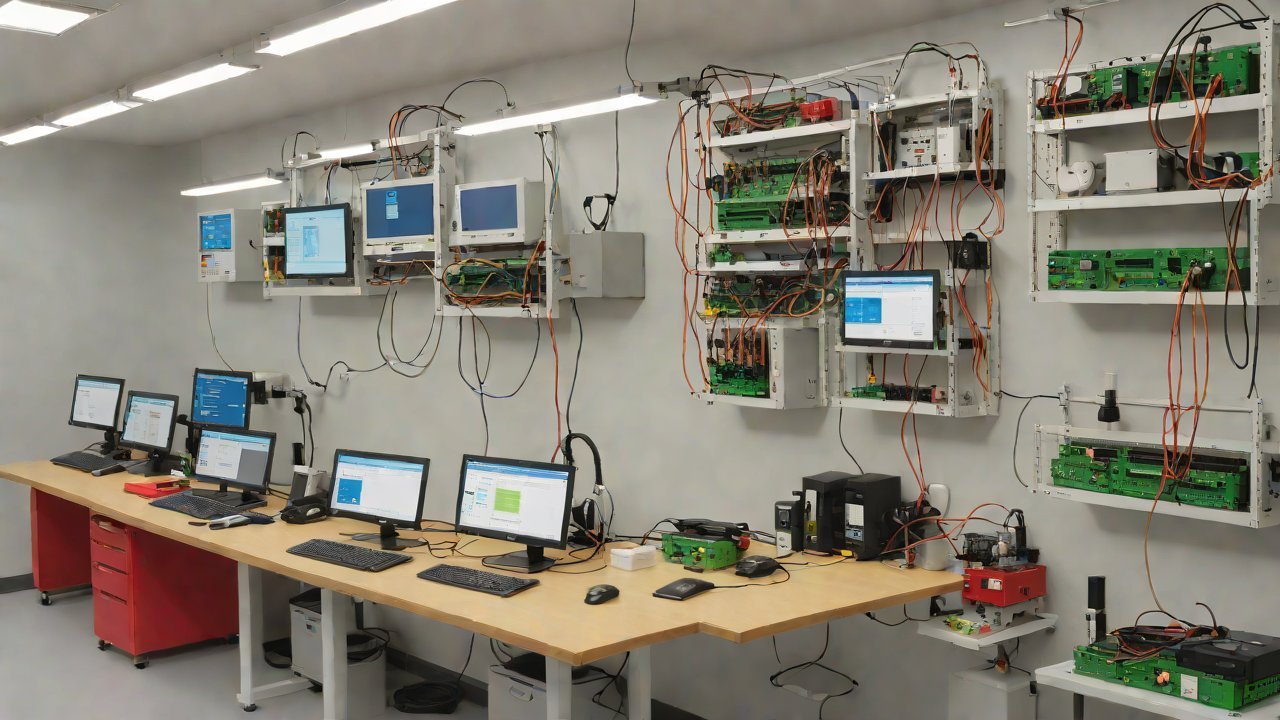
Small and Medium-Sized Factory Kanban Solution Based on Raspberry Pi and Node-RED
In today’s fast-paced manufacturing landscape, small to medium-sized factories face unique challenges in managing production workflows efficiently. The increasing demand for real-time visibility, flexibility, and scalability has led to a growing interest in implementing Kanban solutions. Traditional Kanban systems often come with hefty price tags, making them inaccessible to smaller enterprises. However, the emergence of low-cost, high-performance hardware like Raspberry Pi, combined with the power of Node-RED, offers a game-changing opportunity for small and medium-sized factories to adopt Kanban principles without breaking the bank.
1. Background on Kanban
Kanban is a visual system for managing work, emphasizing continuous flow and limiting work in progress. It was first introduced by Taiichi Ohno at Toyota in the 1950s as a means of improving production efficiency. The core idea revolves around creating a pull-based system where work items are pulled through the process rather than being pushed. This approach helps to reduce waste, increase flexibility, and improve quality.
1.1 Benefits of Kanban
- Improved Flow: By limiting work in progress, Kanban ensures that production flow remains smooth and efficient.
- Reduced Lead Time: With a focus on continuous improvement, lead times decrease as the system adapts to changing demands.
- Increased Visibility: Visual boards provide real-time visibility into the production process, enabling quick identification of bottlenecks.
- Enhanced Collaboration: Kanban fosters collaboration among team members by making work processes transparent and accessible.
2. The Role of Raspberry Pi in IoT and Automation
Raspberry Pi is a low-cost, high-performance computer that has become a cornerstone for various industrial applications due to its flexibility, affordability, and expandability. Equipped with a quad-core processor and ample memory, Raspberry Pi can handle demanding tasks such as real-time data processing and visualization.
2.1 Advantages of Using Raspberry Pi
- Cost-Effectiveness: A significant cost savings compared to traditional industrial PCs or PLCs.
- Customizability: Extensive community support and tools enable customization for specific applications.
- Energy Efficiency: Low power consumption makes it ideal for use in environments where energy efficiency is crucial.
3. Node-RED: The Flow-Based Programming Tool
Node-RED is a powerful, open-source tool for creating web-based flows that integrate with various services and devices. Its visual interface allows users to build complex applications without extensive coding knowledge, making it an ideal choice for IoT projects.
3.1 Key Features of Node-RED
- Drag-and-Drop Interface: Easy to learn and use, even for those without programming experience.
- Wide Range of Nodes: Includes nodes for databases, APIs, hardware integration, and more.
- Real-Time Data Processing: Enables immediate processing and visualization of data from various sources.
4. Implementing Kanban with Raspberry Pi and Node-RED
The combination of Raspberry Pi and Node-RED offers a robust platform for implementing Kanban in small to medium-sized factories. The system can be designed to track production workflows, monitor inventory levels, and provide real-time feedback on process efficiency.
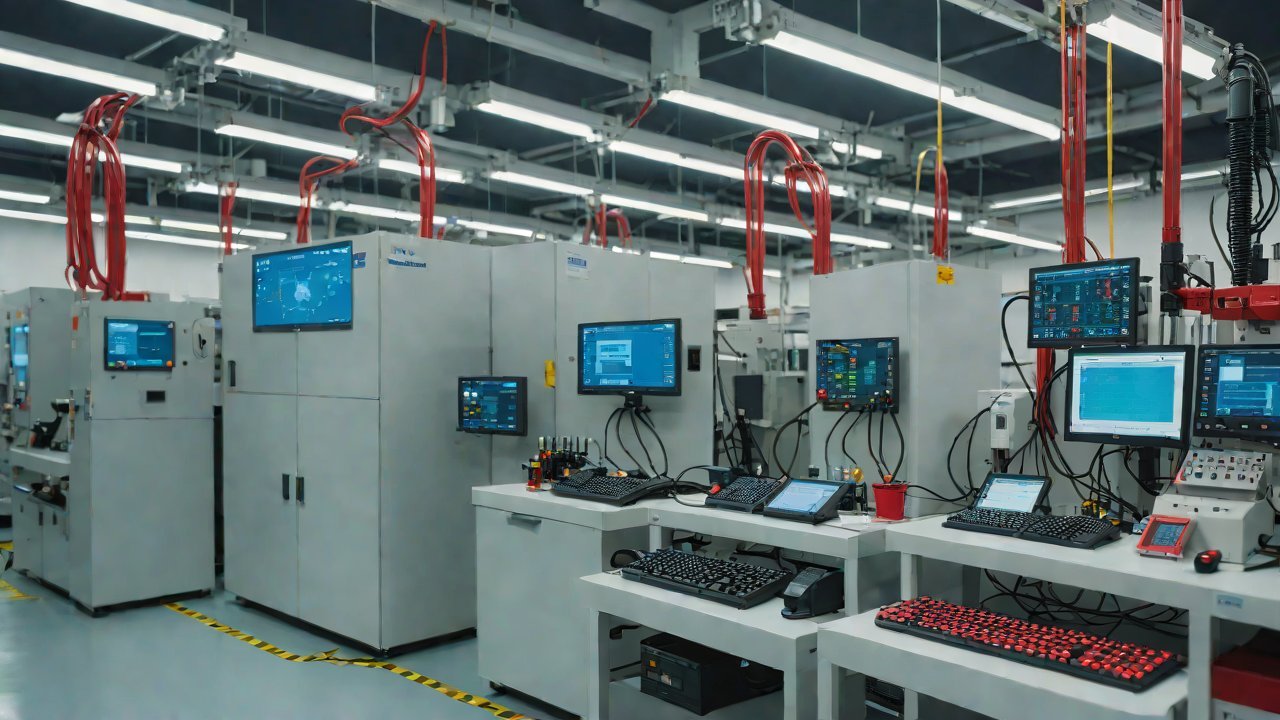
4.1 System Architecture
- Sensor Integration: Connect sensors to Raspberry Pi to collect data on production metrics.
- Node-RED Flow: Design a flow in Node-RED that collects and processes data from the sensors.
- Visualization: Use visualizations (e.g., dashboards, charts) within Node-RED or external tools to display key performance indicators (KPIs).
- Alert System: Implement an alert system to notify production teams of changes in workflow or inventory levels.
5. Case Study: Implementation at XYZ Factory
XYZ Factory, a small manufacturer of precision components, faced challenges in managing their production workflows due to manual tracking and limited visibility into the process. By implementing the Raspberry Pi and Node-RED Kanban solution, they were able to:
- Reduce Lead Time by 30%: Through improved workflow management and real-time feedback.
- Increase Production Efficiency by 25%: By optimizing production based on real-time data analytics.
6. Conclusion
The adoption of Kanban principles in small to medium-sized factories can significantly improve efficiency, reduce waste, and enhance collaboration among team members. The combination of Raspberry Pi and Node-RED offers a cost-effective solution for implementing Kanban without the need for expensive hardware or complex software. As technology continues to evolve, the importance of such solutions will only grow, enabling smaller enterprises to compete with larger industrial players.
6.1 Future Directions
- Integration with Other Tools: Expanding the Node-RED library to include nodes for direct integration with other common manufacturing tools.
- Machine Learning Integration: Incorporating machine learning algorithms within Node-RED flows to enable predictive analytics and real-time decision-making support.
| Feature | Description |
|---|---|
| Real-time Data Processing | Enables immediate processing of data from various sources. |
| Customizable Flows | Allows users to design complex applications without extensive coding knowledge. |
| Wide Range of Nodes | Includes nodes for databases, APIs, hardware integration, and more. |
| Component | Description |
|---|---|
| Raspberry Pi | Low-cost, high-performance computer ideal for industrial applications. |
| Node-RED | Flow-based programming tool for creating web-based flows that integrate with various services and devices. |
| Sensors | Collect data on production metrics such as temperature, pressure, or flow rate. |
| Benefit | Description |
|---|---|
| Improved Efficiency | By optimizing production based on real-time data analytics. |
| Reduced Lead Time | Through improved workflow management and real-time feedback. |
| Enhanced Collaboration | By making work processes transparent and accessible to team members. |
IOT Cloud Platform
IOT Cloud Platform is an IoT portal established by a Chinese IoT company, focusing on technical solutions in the fields of agricultural IoT, industrial IoT, medical IoT, security IoT, military IoT, meteorological IoT, consumer IoT, automotive IoT, commercial IoT, infrastructure IoT, smart warehousing and logistics, smart home, smart city, smart healthcare, smart lighting, etc.
The IoT Cloud Platform blog is a top IoT technology stack, providing technical knowledge on IoT, robotics, artificial intelligence (generative artificial intelligence AIGC), edge computing, AR/VR, cloud computing, quantum computing, blockchain, smart surveillance cameras, drones, RFID tags, gateways, GPS, 3D printing, 4D printing, autonomous driving, etc.