Six Major IoT Sensor Definitions and Application Examples
The Internet of Things (IoT) has revolutionized the way we live, work, and interact with our surroundings. At its core lies a vast array of sensors that collect, process, and transmit data from the physical world to the digital realm. These IoT sensors have become an indispensable component in various industries, transforming the way businesses operate, making decisions, and creating new revenue streams.
IoT sensors are increasingly being used in a wide range of applications, from smart homes and cities to industrial automation and healthcare. The market for IoT sensors is projected to grow exponentially, driven by the increasing adoption of connected devices, urbanization, and the need for more efficient resource management. According to MarketsandMarkets, the global IoT sensor market size is expected to reach $64.4 billion by 2025, growing at a Compound Annual Growth Rate (CAGR) of 17.2% from 2020.
The proliferation of IoT sensors has led to a diverse range of applications across various industries. In this report, we will delve into six major categories of IoT sensors and provide specific examples of their usage in real-world scenarios.
1. Temperature Sensors
Temperature sensors are one of the most widely used types of IoT sensors. They monitor temperature levels in various environments, from industrial settings to consumer electronics. These sensors can detect temperature fluctuations with high accuracy, enabling predictive maintenance, energy efficiency, and process optimization.
| Sensor Type | Description |
|---|---|
| Thermocouple | Measures temperature using a thermoelectric effect |
| Resistance Temperature Detector (RTD) | Uses a metal element to measure temperature resistance |
| Digital Temperature Sensor | Converts analog temperature data into digital signals |
Temperature sensors have numerous applications in various industries. For instance:
- Industrial Automation: Temperature sensors are used to monitor equipment temperatures, ensuring optimal performance and preventing overheating or underheating.
- Food Processing: Temperature sensors help maintain precise temperature control during food processing, ensuring product quality and safety.
- Smart Buildings: Temperature sensors optimize HVAC systems, reducing energy consumption and enhancing occupant comfort.
2. Motion Sensors
Motion sensors detect movement within a specific range, triggering alerts or actions when motion is detected. These sensors are widely used in smart homes, commercial buildings, and industrial settings to enhance security, energy efficiency, and operational safety.
| Sensor Type | Description |
|---|---|
| Passive Infrared (PIR) Sensor | Detects infrared radiation emitted by moving objects |
| Ultrasonic Sensor | Uses high-frequency sound waves to detect movement |
| Inductive Sensor | Detects changes in electromagnetic fields caused by moving objects |

Motion sensors have various applications across industries:
- Smart Homes: Motion sensors enable automated lighting, security systems, and energy-efficient heating/cooling.
- Industrial Automation: Motion sensors monitor equipment operation, preventing accidents and optimizing production processes.
- Retail Stores: Motion sensors track customer behavior, providing insights for marketing and sales optimization.
3. Pressure Sensors
Pressure sensors measure pressure levels in various environments, from industrial processes to consumer products. These sensors can detect changes in pressure with high accuracy, enabling predictive maintenance, process optimization, and safety monitoring.
| Sensor Type | Description |
|---|---|
| Piezoelectric Sensor | Converts mechanical stress into electrical signals |
| Capacitive Sensor | Measures capacitance changes caused by pressure variations |
| Strain Gauge Sensor | Uses a metal foil to measure strain caused by pressure |
Pressure sensors have numerous applications across industries:
- Industrial Automation: Pressure sensors monitor equipment operation, ensuring optimal performance and preventing accidents.
- Aerospace Engineering: Pressure sensors track pressure levels in aircraft systems, ensuring safe flight operations.
- Medical Devices: Pressure sensors monitor patient vital signs, providing real-time data for healthcare professionals.
4. Humidity Sensors
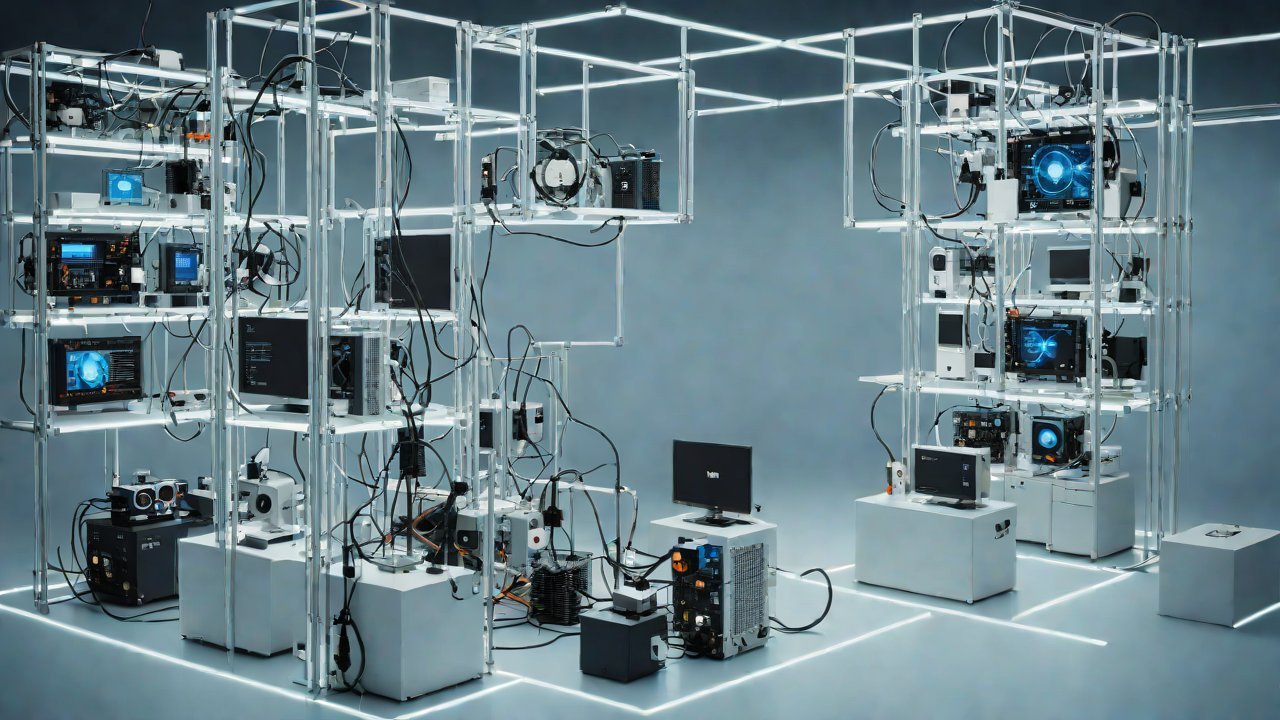
Humidity sensors measure the moisture level in various environments, from industrial processes to consumer products. These sensors can detect changes in humidity with high accuracy, enabling predictive maintenance, process optimization, and safety monitoring.
| Sensor Type | Description |
|---|---|
| Capacitive Sensor | Measures capacitance changes caused by humidity variations |
| Resistive Sensor | Uses a metal oxide to measure resistance changes caused by humidity |
| Thermal Conductivity Sensor | Measures thermal conductivity changes caused by humidity |
Humidity sensors have various applications across industries:
- Industrial Automation: Humidity sensors monitor equipment operation, preventing corrosion and optimizing production processes.
- Smart Buildings: Humidity sensors optimize HVAC systems, reducing energy consumption and enhancing occupant comfort.
- Agriculture: Humidity sensors track soil moisture levels, enabling precision irrigation and crop management.
5. Proximity Sensors
Proximity sensors detect the presence or absence of objects within a specific range, triggering alerts or actions when proximity is detected. These sensors are widely used in smart homes, commercial buildings, and industrial settings to enhance security, energy efficiency, and operational safety.
| Sensor Type | Description |
|---|---|
| Ultrasonic Sensor | Uses high-frequency sound waves to detect object presence |
| Infrared (IR) Sensor | Detects infrared radiation emitted by objects |
| Hall Effect Sensor | Detects changes in magnetic fields caused by moving objects |
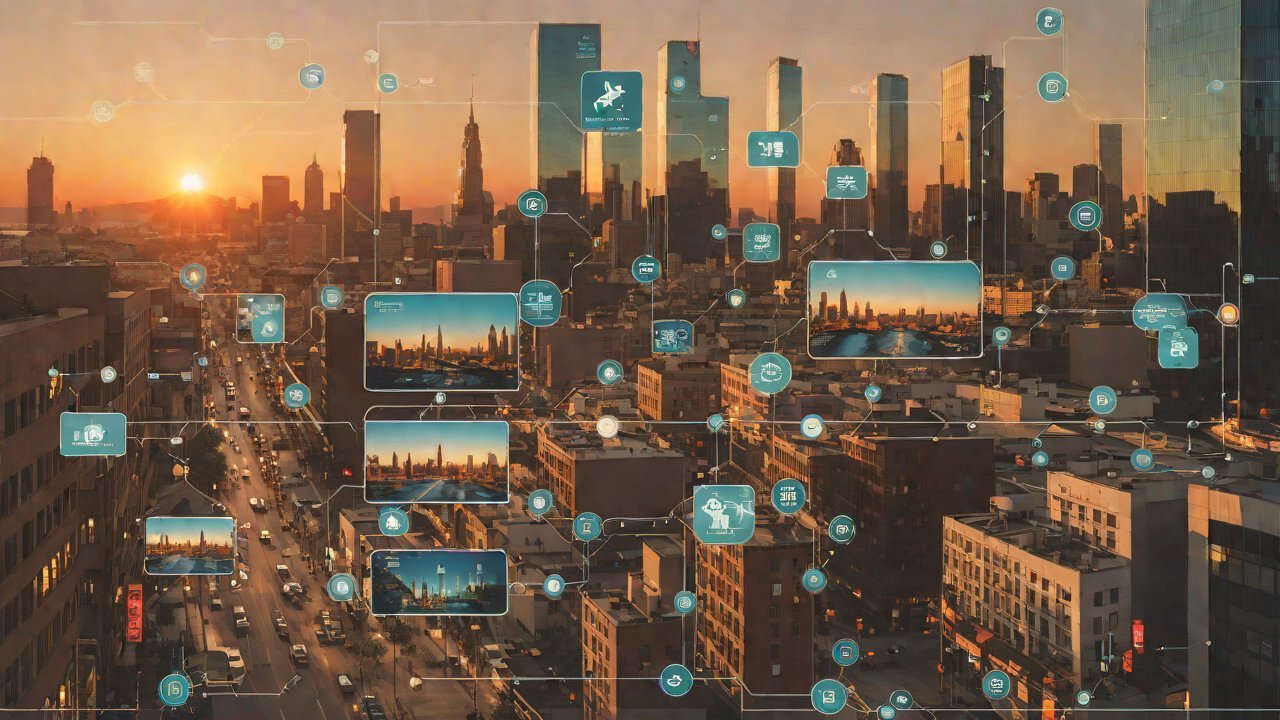
Proximity sensors have various applications across industries:
- Smart Homes: Proximity sensors enable automated lighting, security systems, and energy-efficient heating/cooling.
- Industrial Automation: Proximity sensors monitor equipment operation, preventing accidents and optimizing production processes.
- Logistics and Supply Chain Management: Proximity sensors track inventory levels, enabling real-time monitoring and optimization.
6. Light Sensors
Light sensors measure light intensity in various environments, from industrial processes to consumer products. These sensors can detect changes in light levels with high accuracy, enabling predictive maintenance, process optimization, and safety monitoring.
| Sensor Type | Description |
|---|---|
| Photodiode Sensor | Converts light into electrical signals |
| Phototransistor Sensor | Amplifies light signals using a transistor |
| Light-Dependent Resistor (LDR) Sensor | Measures resistance changes caused by light variations |
Light sensors have various applications across industries:
- Industrial Automation: Light sensors monitor equipment operation, ensuring optimal performance and preventing accidents.
- Smart Buildings: Light sensors optimize lighting systems, reducing energy consumption and enhancing occupant comfort.
- Agriculture: Light sensors track sunlight levels, enabling precision crop management and optimization.
In conclusion, IoT sensors have become an integral part of various industries, transforming the way businesses operate, making decisions, and creating new revenue streams. The six major categories of IoT sensors – temperature, motion, pressure, humidity, proximity, and light sensors – have numerous applications across various sectors, from industrial automation to smart homes and cities.
The growing demand for IoT sensors is driven by the increasing adoption of connected devices, urbanization, and the need for more efficient resource management. As the market continues to grow, it is essential for businesses to adopt IoT sensors strategically, leveraging their capabilities to drive innovation, improve efficiency, and create new opportunities.
References:
- MarketsandMarkets. (2020). Internet of Things (IoT) Sensors Market by Type, Industry Vertical, and Geography – Global Forecast to 2025.
- ResearchAndMarkets.com. (2020). IoT Sensor Market by Type, Application, and End-User – Global Forecast to 2027.
IOT Cloud Platform
IOT Cloud Platform is an IoT portal established by a Chinese IoT company, focusing on technical solutions in the fields of agricultural IoT, industrial IoT, medical IoT, security IoT, military IoT, meteorological IoT, consumer IoT, automotive IoT, commercial IoT, infrastructure IoT, smart warehousing and logistics, smart home, smart city, smart healthcare, smart lighting, etc.
The IoT Cloud Platform blog is a top IoT technology stack, providing technical knowledge on IoT, robotics, artificial intelligence (generative artificial intelligence AIGC), edge computing, AR/VR, cloud computing, quantum computing, blockchain, smart surveillance cameras, drones, RFID tags, gateways, GPS, 3D printing, 4D printing, autonomous driving, etc.