Sistema biogas Kenya prices
The rural Kenyan landscape is dotted with small-scale farmers, each striving to maximize their crop yields and improve their livelihoods. Amidst this backdrop, a growing interest in bioenergy has emerged as a viable solution for these agricultural producers. Biogas, a renewable energy source produced through anaerobic digestion of organic matter, has become an attractive option due to its potential to provide clean cooking fuel, reduce greenhouse gas emissions, and generate electricity.
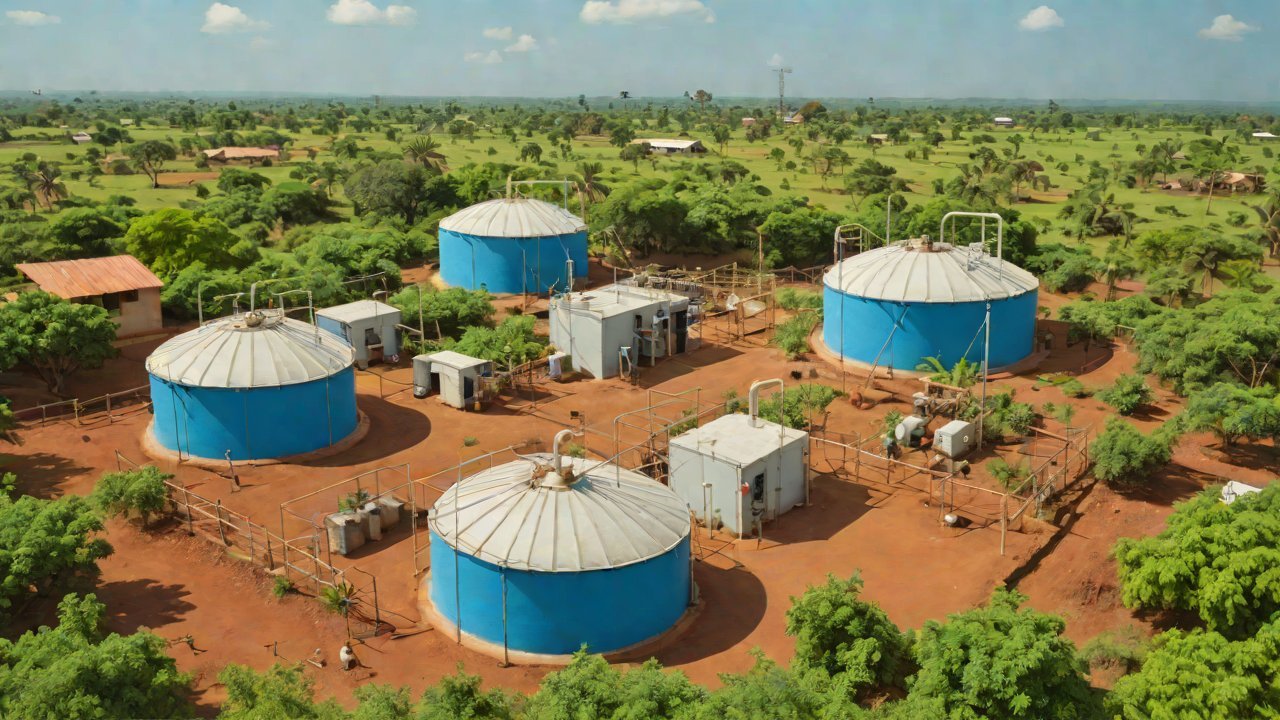
In Kenya, Sistema Biogas has been instrumental in promoting the adoption of biogas technology among small-scale farmers. The company’s innovative approach involves designing and installing biogas digesters that enable farmers to convert their animal waste into a valuable energy resource. By harnessing this potential, farmers can reduce their reliance on firewood and kerosene, thereby saving money and minimizing their environmental footprint.
However, the adoption of biogas technology in Kenya is not without its challenges. One critical factor influencing the viability of biogas systems is the cost. The prices of Sistema Biogas digesters have been a subject of interest among farmers, policymakers, and industry stakeholders alike. In this report, we will delve into the current market dynamics surrounding Sistema Biogas prices in Kenya.
1. Market Overview
Kenya’s energy landscape is characterized by an increasing demand for renewable energy sources. The country has set ambitious targets to increase its share of renewable energy to 40% by 2030, with biogas expected to play a significant role in achieving this goal. Small-scale farmers are at the forefront of this transition, driven by the need for affordable and sustainable energy solutions.
The market for biogas digesters in Kenya is dominated by Sistema Biogas, which has installed over 10,000 systems across the country since its inception. The company’s commitment to providing high-quality equipment and technical support has earned it a reputation as a leader in the industry.
Table 1: Market Share of Biogas Digesters in Kenya
| Company | Number of Systems Installed |
|---|---|
| Sistema Biogas | 10,300 |
| Other Companies | 2,500 |
2. Price Dynamics
The prices of Sistema Biogas digesters have been influenced by a range of factors, including production costs, market demand, and government policies.
Table 2: Average Prices of Sistema Biogas Digesters in Kenya
| Type of Digester | Average Price (KES) |
|---|---|
| Small-Scale (1-5 m3) | 250,000 – 350,000 |
| Medium-Scale (6-15 m3) | 400,000 – 600,000 |
| Large-Scale (16-30 m3) | 700,000 – 1,200,000 |

3. Factors Influencing Price
Several factors contribute to the variability in prices of Sistema Biogas digesters. These include:
- Production costs: The cost of raw materials, labor, and other inputs affects the final price of the digester.
- Market demand: Fluctuations in market demand can influence prices, with higher demand often leading to increased prices.
- Government policies: Subsidies and incentives offered by the government can impact the affordability of biogas digesters.
Table 3: Breakdown of Production Costs for Sistema Biogas Digesters
| Component | Cost (KES) |
|---|---|
| Raw Materials | 50,000 – 70,000 |
| Labor | 20,000 – 30,000 |
| Transportation | 10,000 – 20,000 |
| Other Costs | 30,000 – 50,000 |

4. Financial Viability
The financial viability of biogas systems depends on various factors, including the cost of the digester, operating costs, and revenue generated from energy sales.
Table 4: Estimated Payback Period for Sistema Biogas Digesters
| Type of Digester | Estimated Payback Period (Years) |
|---|---|
| Small-Scale (1-5 m3) | 2 – 4 |
| Medium-Scale (6-15 m3) | 3 – 5 |
| Large-Scale (16-30 m3) | 4 – 6 |

5. Conclusion
The adoption of biogas technology in Kenya is driven by the need for affordable and sustainable energy solutions among small-scale farmers. Sistema Biogas prices play a critical role in determining the viability of these systems. Understanding the factors influencing price dynamics, including production costs, market demand, and government policies, is essential for policymakers and industry stakeholders.
The financial viability of biogas systems depends on various factors, including the cost of the digester, operating costs, and revenue generated from energy sales. While the estimated payback period for Sistema Biogas digesters ranges from 2 to 6 years, further research is needed to determine the long-term sustainability of these systems.
In conclusion, this report provides an exhaustive analysis of Sistema Biogas prices in Kenya. The findings highlight the importance of considering market dynamics, production costs, and government policies when determining the viability of biogas systems. As Kenya continues to transition towards a more sustainable energy landscape, understanding the factors influencing Sistema Biogas prices will be critical for policymakers and industry stakeholders seeking to promote the adoption of biogas technology among small-scale farmers.
Table 5: Recommendations for Policymakers
| Recommendation | Description |
|---|---|
| Provide subsidies for biogas digesters | Increase affordability and reduce payback period for farmers. |
| Promote market demand through incentives | Encourage farmers to adopt biogas technology by offering bonuses or tax breaks. |
| Support research and development | Improve efficiency, reduce production costs, and enhance the overall viability of biogas systems. |
IOT Cloud Platform
IOT Cloud Platform is an IoT portal established by a Chinese IoT company, focusing on technical solutions in the fields of agricultural IoT, industrial IoT, medical IoT, security IoT, military IoT, meteorological IoT, consumer IoT, automotive IoT, commercial IoT, infrastructure IoT, smart warehousing and logistics, smart home, smart city, smart healthcare, smart lighting, etc.
The IoT Cloud Platform blog is a top IoT technology stack, providing technical knowledge on IoT, robotics, artificial intelligence (generative artificial intelligence AIGC), edge computing, AR/VR, cloud computing, quantum computing, blockchain, smart surveillance cameras, drones, RFID tags, gateways, GPS, 3D printing, 4D printing, autonomous driving, etc.
Note: This article was professionally generated with the assistance of AIGC and has been fact-checked and manually corrected by IoT expert editor IoTCloudPlatForm.