Similarities in Different Sensor Designs
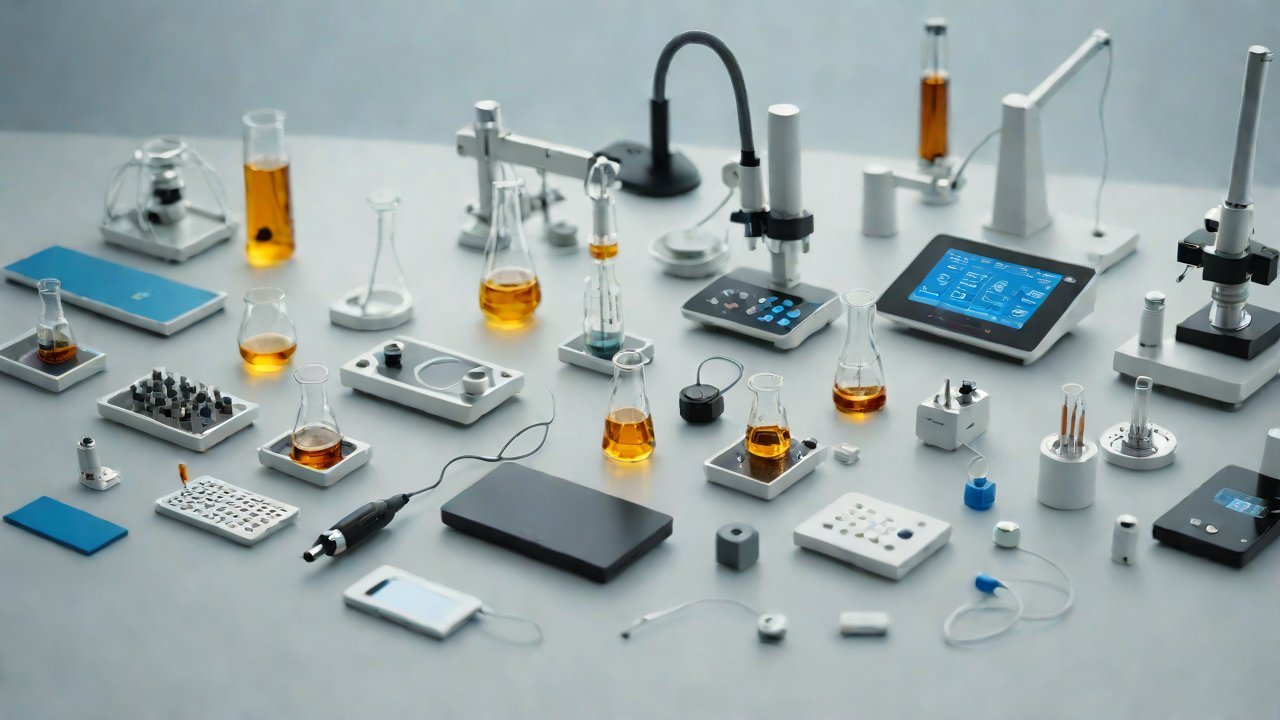
Sensor technology has been revolutionizing various industries, from healthcare to aerospace, by providing accurate and reliable data for decision-making. Despite the differences in design, materials, and applications, there are several similarities that exist among various sensor designs.
The first similarity lies in their fundamental principle of operation. Most sensors rely on converting physical parameters such as temperature, pressure, or light into electrical signals. This conversion process is often achieved through a transducer, which is responsible for detecting the parameter of interest and generating an output signal proportional to it. For instance, thermistors and thermocouples are both used for temperature measurement, but they employ different mechanisms – thermistors rely on changes in resistance, while thermocouples use the Seebeck effect.
Another similarity among sensors is their reliance on calibration. Calibration is the process of ensuring that a sensor’s output accurately represents the measured parameter. This involves adjusting the sensor’s sensitivity and offset to match a known reference value or standard. Calibration is crucial for maintaining the accuracy and reliability of sensor data, as even small discrepancies can have significant effects in applications such as industrial automation or medical diagnostics.
1. Sensor Types and Their Similarities
There are several types of sensors, each with its unique design and operating principle. However, despite these differences, there are commonalities among them. For example:
| Sensor Type | Description |
|---|---|
| Pressure Sensors | Measure pressure using a diaphragm or piezoresistive material |
| Temperature Sensors | Monitor temperature using thermistors, thermocouples, or RTDs (Resistance Temperature Detectors) |
| Accelerometers | Detect acceleration and vibration using piezoelectric materials |

Despite their differences in design and application, all sensors share the common goal of accurately measuring physical parameters. They also rely on similar principles such as calibration and signal processing.
2. Signal Processing and Conditioning
Signal processing and conditioning are crucial steps in sensor data acquisition. The primary function is to amplify, filter, and convert the raw sensor output into a format suitable for further analysis or control. This involves:
- Amplification: Boosting the weak sensor signal to a level that can be processed by electronic circuits.
- Filtering: Removing noise and unwanted signals from the sensor output using techniques such as low-pass filtering.
- Conversion: Converting the analog sensor output into digital form for processing and storage.

3. Emerging Trends in Sensor Technology
Advancements in materials science, nanotechnology, and artificial intelligence have led to emerging trends in sensor technology. These include:
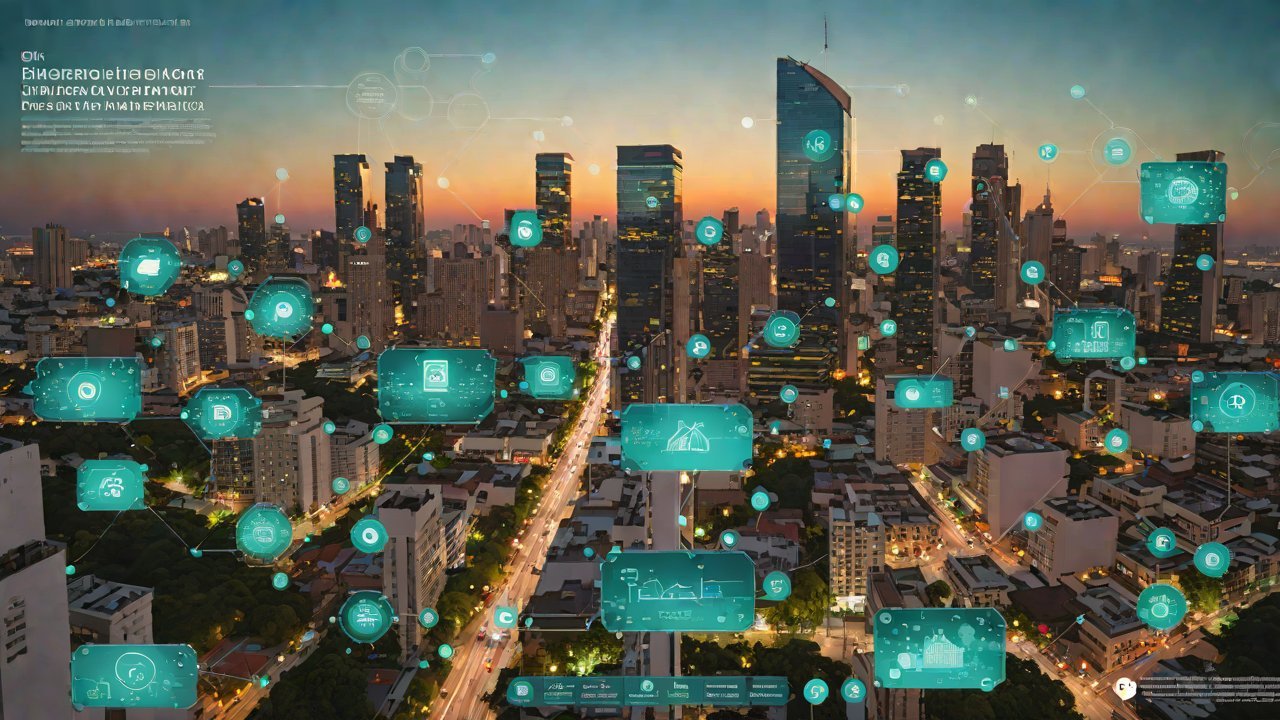
- Internet of Things (IoT) Integration: Sensors are increasingly being integrated with IoT devices, enabling real-time monitoring and control.
- Artificial Intelligence (AI): AI-powered sensors can learn from data and adapt to changing conditions, improving accuracy and efficiency.
- Nanoscale Sensors: Nanotechnology has enabled the development of miniature sensors that can detect subtle changes in physical parameters.
4. Applications and Industries
Sensors have far-reaching applications across various industries, including:
- Healthcare: Medical sensors monitor vital signs, diagnose diseases, and track patient recovery.
- Industrial Automation: Sensors control processes, optimize production, and ensure product quality.
- Aerospace: Sensors navigate aircraft, detect anomalies, and monitor environmental conditions.
5. Challenges and Limitations
Despite their benefits, sensors face several challenges and limitations, including:
- Accuracy and Reliability: Ensuring the accuracy and reliability of sensor data is critical in applications such as medical diagnostics or industrial automation.
- Interoperability: Sensors from different manufacturers may not be compatible with existing systems, creating integration challenges.
- Power Consumption: Energy-efficient sensors are necessary for IoT devices and other battery-powered applications.
6. Future Directions
The future of sensor technology holds immense promise, driven by emerging trends and innovations. Some potential areas of development include:
- Quantum Sensors: Utilizing quantum mechanics to create ultra-sensitive sensors for precision measurement.
- Biodegradable Sensors: Developing biocompatible and degradable sensors for medical implantation or environmental monitoring.
- Autonomous Systems: Enabling sensors to operate independently, reducing reliance on external power sources or communication networks.
7. Conclusion
In conclusion, despite differences in design, materials, and applications, various sensor designs share commonalities such as their fundamental principle of operation, reliance on calibration, and signal processing. Emerging trends and innovations are shaping the future of sensor technology, with potential applications across healthcare, industrial automation, aerospace, and more. As sensor technology continues to evolve, it is essential to address challenges and limitations while exploring new frontiers in precision measurement and data acquisition.
IOT Cloud Platform
IOT Cloud Platform is an IoT portal established by a Chinese IoT company, focusing on technical solutions in the fields of agricultural IoT, industrial IoT, medical IoT, security IoT, military IoT, meteorological IoT, consumer IoT, automotive IoT, commercial IoT, infrastructure IoT, smart warehousing and logistics, smart home, smart city, smart healthcare, smart lighting, etc.
The IoT Cloud Platform blog is a top IoT technology stack, providing technical knowledge on IoT, robotics, artificial intelligence (generative artificial intelligence AIGC), edge computing, AR/VR, cloud computing, quantum computing, blockchain, smart surveillance cameras, drones, RFID tags, gateways, GPS, 3D printing, 4D printing, autonomous driving, etc.