Semantic Communication: Efficient Transmission Based on Knowledge Graphs
In the realm of communication, efficiency is paramount. As we continue to navigate an increasingly complex digital landscape, the need for effective information exchange has never been more pressing. Semantic communication, a cutting-edge approach leveraging knowledge graphs, promises to revolutionize the way data is transmitted and processed. By harnessing the power of semantic understanding, this innovative method not only optimizes transmission speed but also enhances the accuracy of message interpretation.
1. Understanding the Context
To grasp the significance of semantic communication, it’s essential to understand its roots in the field of artificial intelligence (AI) and knowledge representation. Knowledge graphs, a crucial component of AI, are databases that organize information as entities connected by relationships. These graphs enable computers to reason about data at an abstract level, facilitating tasks such as question answering and recommendation systems.
The transmission of information over networks is typically based on syntactic or semantic protocols, which rely heavily on the structure and syntax of the message rather than its meaning. However, with the advent of big data and AI-driven applications, there’s a growing need for more sophisticated communication methods that can handle complex information exchange efficiently. This is where semantic communication comes into play.
2. The Role of Knowledge Graphs in Semantic Communication
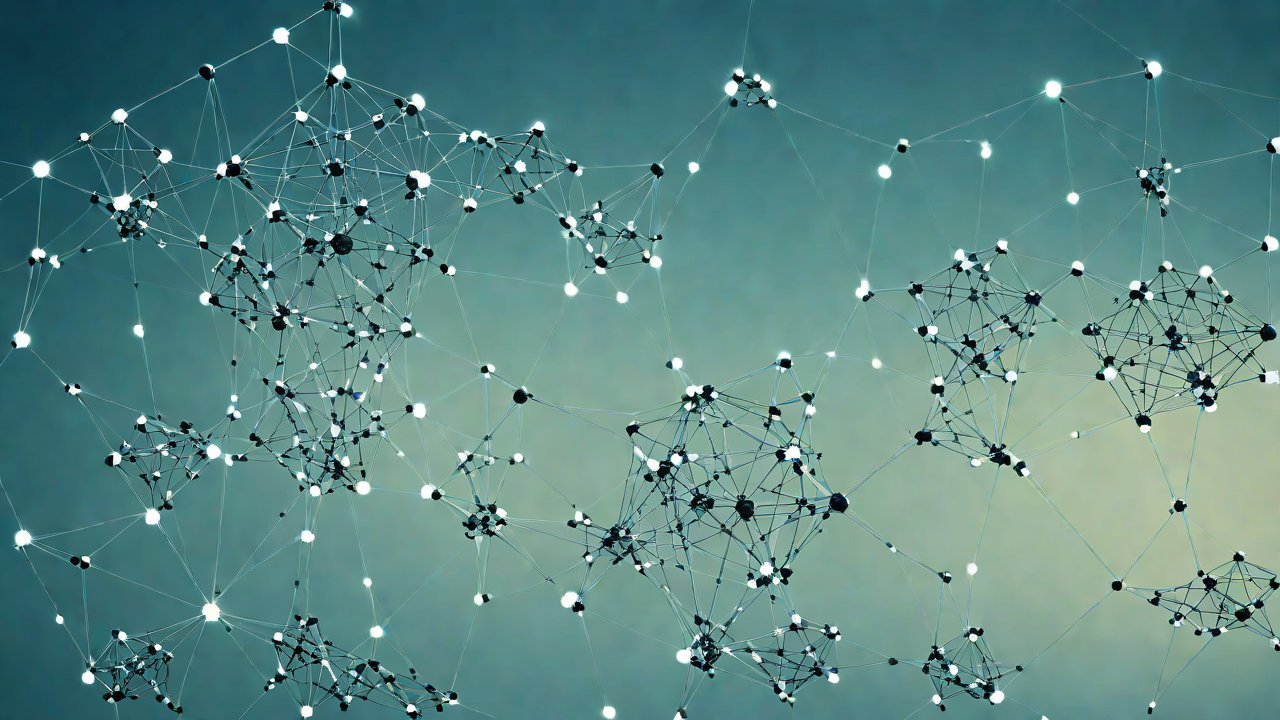
Knowledge graphs are at the heart of semantic communication, enabling machines to understand not just the structure but also the meaning behind data. A knowledge graph typically consists of entities (e.g., objects, concepts), relationships between these entities, and attributes or properties describing them.
2.1 Advantages of Knowledge Graphs in Communication
-
Efficient Data Storage: Knowledge graphs offer a compact way to store and retrieve complex information, reducing the overhead associated with traditional data storage methods.
-
Improved Data Integration: By representing data as interconnected entities and relationships, knowledge graphs facilitate seamless integration across different datasets.
-
Enhanced Query Capabilities: The ability of knowledge graphs to reason about data allows for more sophisticated querying capabilities, enabling users to extract specific insights from large datasets.
2.2 Challenges in Implementing Knowledge Graphs
While the advantages are compelling, implementing knowledge graphs poses several challenges:
-
Scalability: As the size and complexity of the graph increase, so does the difficulty in maintaining scalability.
-
Data Quality: The accuracy of the data is crucial for the effectiveness of a knowledge graph. Poor data quality can lead to incorrect inferences.
3. How Semantic Communication Works
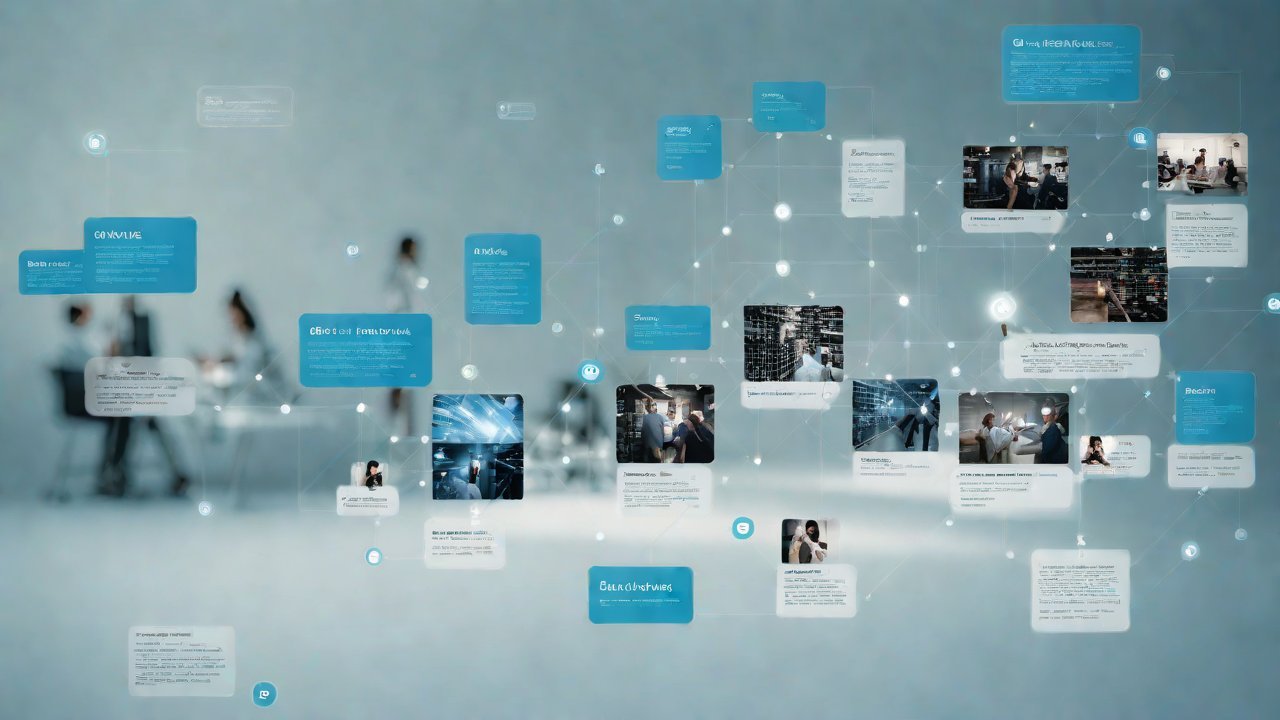
Semantic communication builds upon the foundation laid by knowledge graphs, extending their capabilities to enable efficient and meaningful transmission over networks. This involves several key components:
-
Entity Recognition: Identifying entities within messages or data streams.
-
Relationship Extraction: Determining the relationships between these entities.
-
Inference Engine: Using the recognized entities and their relationships to infer additional information.
3.1 Protocols for Semantic Communication
Several protocols have been proposed or are under development to support semantic communication:
| Protocol | Description |
|---|---|
| Named Data Networking (NDN) | Focuses on naming data packets rather than their transmission paths, aligning with the entity-centric view of knowledge graphs. |
| Content-Centric Networking (CCN) | Similar to NDN, CCN emphasizes content as the fundamental unit of communication, which fits well with the concept of entities and relationships in knowledge graphs. |

4. Market Trends and Future Directions
The field of semantic communication is rapidly evolving, driven by advancements in AI, networking technologies, and the growing need for efficient data transmission.
4.1 Emerging Applications
-
Smart Cities: Semantic communication can enhance urban planning by enabling more accurate and real-time monitoring of city operations.
-
Healthcare: Efficient transmission of medical records and research data could lead to breakthroughs in personalized medicine.
5. Conclusion
Semantic communication, powered by the potential of knowledge graphs, offers a future where data is transmitted not just efficiently but also with an understanding of its meaning. As technology continues to advance and the world becomes increasingly interconnected, the need for such capabilities will only grow.
IOT Cloud Platform
IOT Cloud Platform is an IoT portal established by a Chinese IoT company, focusing on technical solutions in the fields of agricultural IoT, industrial IoT, medical IoT, security IoT, military IoT, meteorological IoT, consumer IoT, automotive IoT, commercial IoT, infrastructure IoT, smart warehousing and logistics, smart home, smart city, smart healthcare, smart lighting, etc.
The IoT Cloud Platform blog is a top IoT technology stack, providing technical knowledge on IoT, robotics, artificial intelligence (generative artificial intelligence AIGC), edge computing, AR/VR, cloud computing, quantum computing, blockchain, smart surveillance cameras, drones, RFID tags, gateways, GPS, 3D printing, 4D printing, autonomous driving, etc.
Note: This article was professionally generated with the assistance of AIGC and has been fact-checked and manually corrected by IoT expert editor IoTCloudPlatForm.