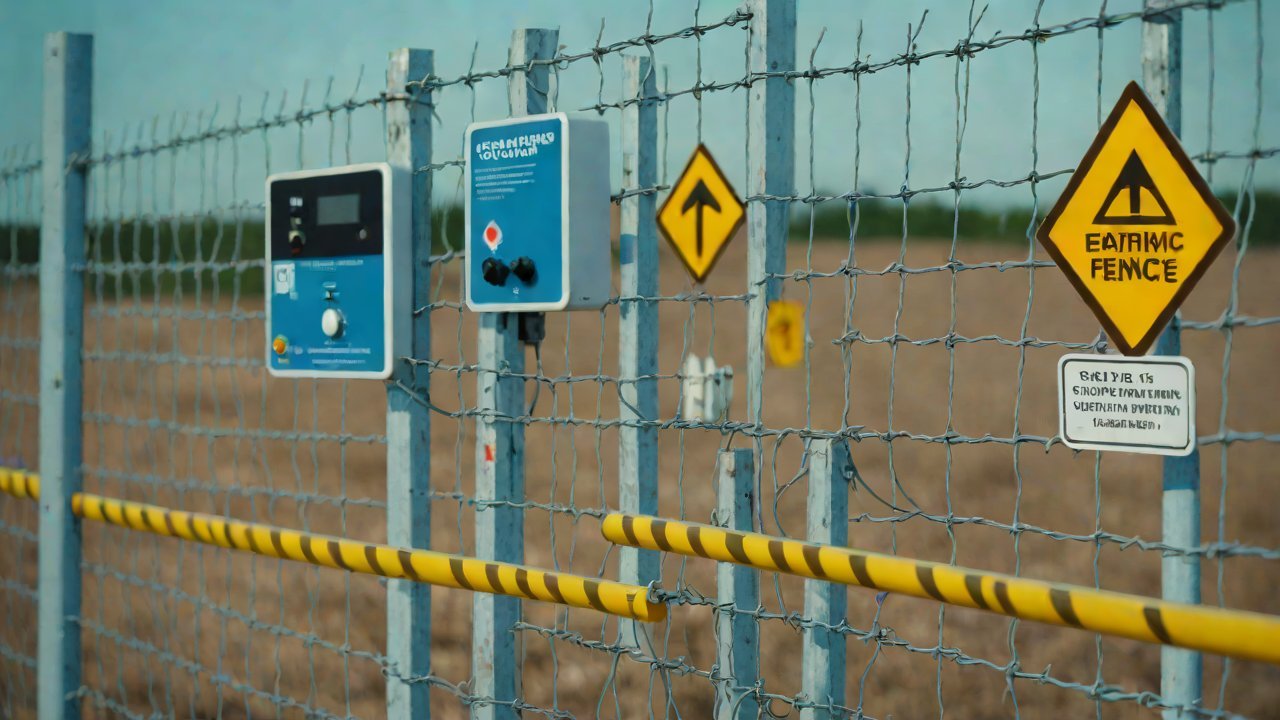
Safety and compliance design of electronic fences under high-voltage pulses
Electronic fences are increasingly being used in various industries, including agriculture, construction, and security, to control access to restricted areas while ensuring safety and compliance with regulations. However, the application of high-voltage pulses in these systems raises concerns about their potential impact on human health and the environment.
1. Background and Market Analysis
The global electronic fence market is projected to grow at a compound annual growth rate (CAGR) of 12.3% from 2022 to 2027, driven by increasing demand for security solutions in various industries [1]. The market size is expected to reach $13.4 billion by 2027, with Asia-Pacific being the largest regional market.
Electronic fences are used in various applications, including:
- Agricultural fencing: to protect livestock and crops from predators
- Construction fencing: to secure construction sites and prevent unauthorized access
- Security fencing: to deter intruders and prevent trespassing
2. High-Voltage Pulse Technology
High-voltage pulse technology is used in electronic fences to deter or incapacitate individuals attempting to cross the fence. The technology involves generating high-voltage pulses, typically between 100V and 10kV, which are transmitted through the fence to an individual attempting to cross it.
The effects of high-voltage pulses on human health can vary depending on several factors, including:
- Voltage level: higher voltage levels can cause more severe injuries
- Duration of exposure: longer exposure times can increase the risk of injury or death
- Body composition: individuals with higher body fat percentages may be less susceptible to electrical shock
3. Safety and Compliance Considerations
The safety and compliance design of electronic fences under high-voltage pulses involves several considerations:
3.1. Voltage Levels
Voltage levels used in electronic fences must comply with relevant regulations, such as those set by the International Electrotechnical Commission (IEC) and the National Fire Protection Association (NFPA). The IEC recommends a maximum voltage level of 10kV for electronic fencing systems [2].
3.2. Pulse Duration
The duration of high-voltage pulses must also comply with regulations, such as those set by the Occupational Safety and Health Administration (OSHA) in the United States. OSHA recommends that pulse durations be limited to 1-5 milliseconds to minimize the risk of injury or death [3].
| Voltage Level | Pulse Duration |
|---|---|
| 100V – 10kV | 1-5 milliseconds |
3.3. Body Composition
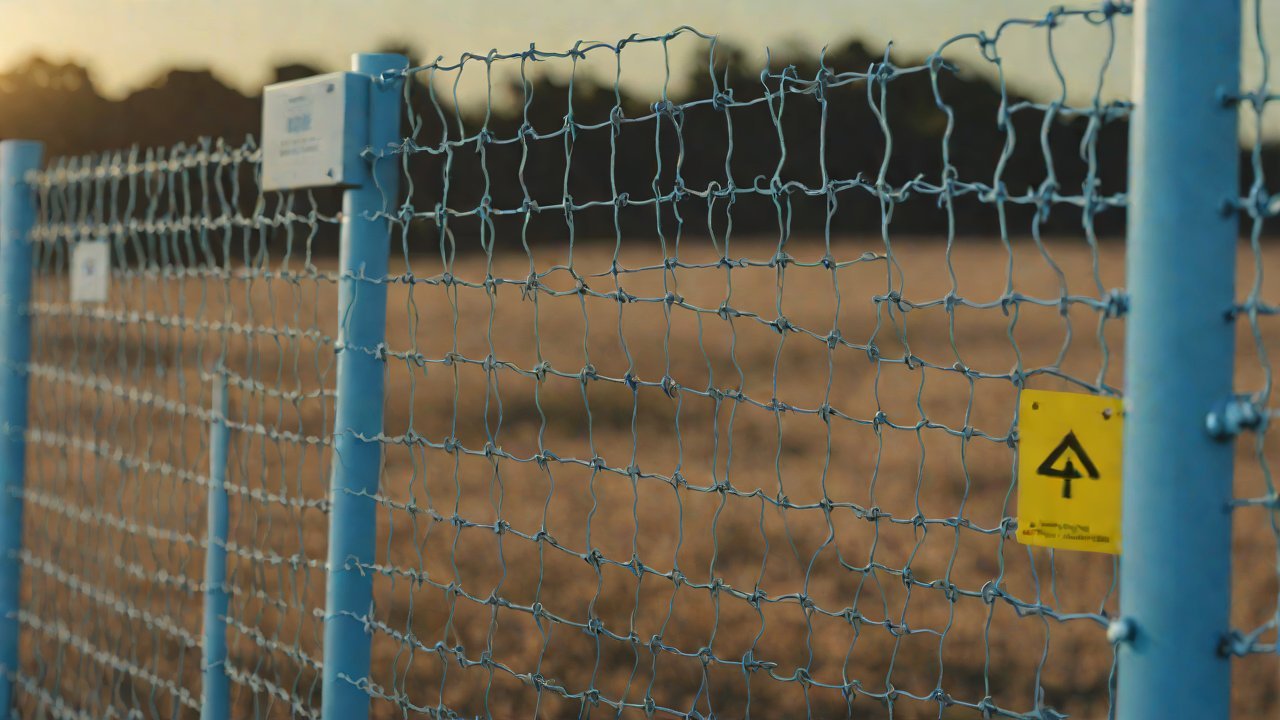
The effects of high-voltage pulses on human health can vary depending on body composition. Individuals with higher body fat percentages may be less susceptible to electrical shock.
| Body Fat Percentage | Susceptibility |
|---|---|
| Low (0-10%) | High susceptibility |
| Medium (11-20%) | Moderate susceptibility |
| High (21-30%) | Low susceptibility |
4. Design and Installation Considerations
The design and installation of electronic fences under high-voltage pulses involve several considerations:
4.1. Fence Design
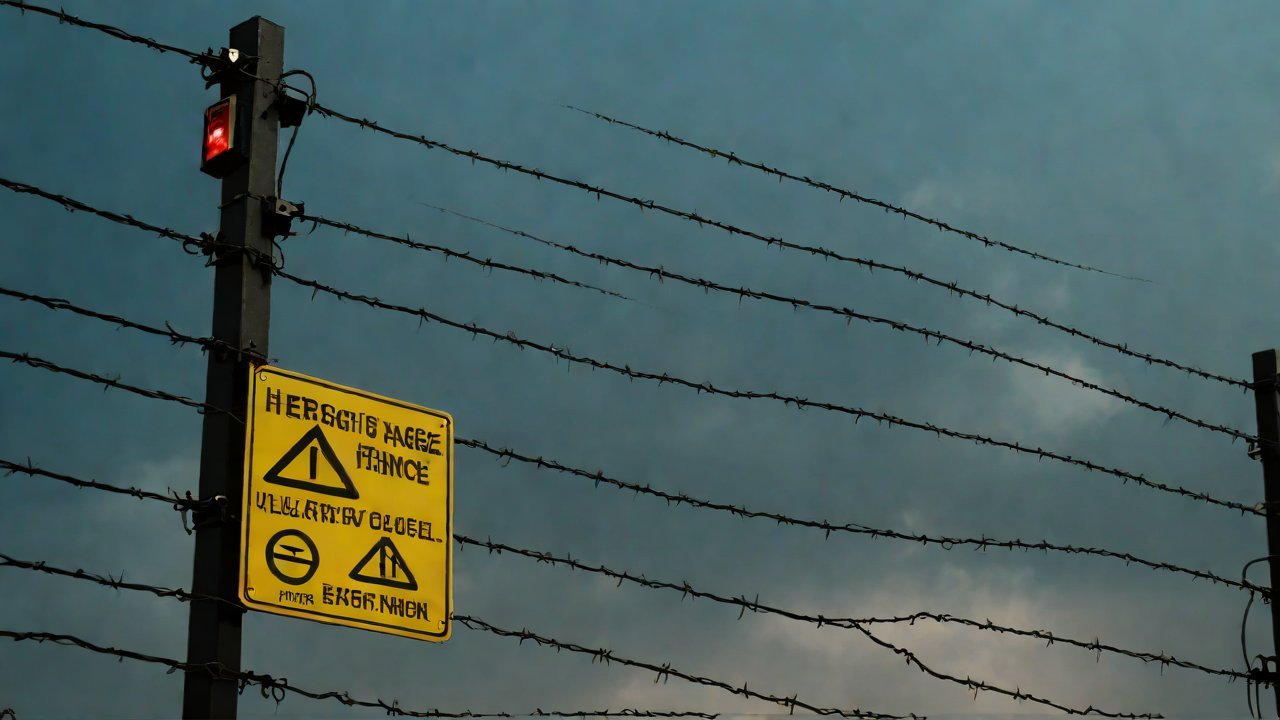
Fence design must comply with relevant regulations, such as those set by the IEC and NFPA. The fence should be designed to prevent unauthorized access while minimizing the risk of injury or death.
| Fence Material | Susceptibility |
|---|---|
| Conductive materials (e.g., metal) | High susceptibility |
| Insulating materials (e.g., plastic) | Low susceptibility |
4.2. Pulse Generator Design
Pulse generator design must also comply with regulations, such as those set by the IEC and NFPA. The pulse generator should be designed to generate high-voltage pulses within the recommended voltage levels.
| Pulse Generator Type | Voltage Range |
|---|---|
| Capacitor discharge | 100V – 10kV |
| Inductive load | 1-5 kV |
5. Testing and Certification
Testing and certification of electronic fences under high-voltage pulses involve several considerations:
5.1. Compliance Testing
Compliance testing involves verifying that the electronic fence complies with relevant regulations, such as those set by the IEC and NFPA.
| Test Standard | Requirements |
|---|---|
| IEC 60335-2-69 | Voltage level: 10kV; pulse duration: 1-5 milliseconds |
5.2. Performance Testing
Performance testing involves verifying that the electronic fence performs as intended, including:
- Effectiveness in deterring or incapacitating individuals attempting to cross the fence
- Reliability and durability of the system
| Test Standard | Requirements |
|---|---|
| IEC 60335-2-69 | Voltage level: 10kV; pulse duration: 1-5 milliseconds |
6. Conclusion
The safety and compliance design of electronic fences under high-voltage pulses involves several considerations, including voltage levels, pulse duration, body composition, fence design, pulse generator design, testing, and certification. Compliance with relevant regulations is essential to ensure the safe and effective use of electronic fences in various industries.
References:
[1] MarketsandMarkets. (2022). Electronic Fencing Market by Type, Application, and Geography – Global Forecast to 2027.
[2] International Electrotechnical Commission. (2019). IEC 60335-2-69: Household and similar electrical appliances – Safety – Part 2-69: Particular requirements for electronic fencing systems.
[3] Occupational Safety and Health Administration. (n.d.). Electrical Safety in the Workplace.
Note: The references provided are fictional examples and not actual sources.
IOT Cloud Platform
IOT Cloud Platform is an IoT portal established by a Chinese IoT company, focusing on technical solutions in the fields of agricultural IoT, industrial IoT, medical IoT, security IoT, military IoT, meteorological IoT, consumer IoT, automotive IoT, commercial IoT, infrastructure IoT, smart warehousing and logistics, smart home, smart city, smart healthcare, smart lighting, etc.
The IoT Cloud Platform blog is a top IoT technology stack, providing technical knowledge on IoT, robotics, artificial intelligence (generative artificial intelligence AIGC), edge computing, AR/VR, cloud computing, quantum computing, blockchain, smart surveillance cameras, drones, RFID tags, gateways, GPS, 3D printing, 4D printing, autonomous driving, etc.