Remote Rehabilitation Guidance: Solution Based on IoT Motion Capture and AIGC Real-Time Correction
The healthcare industry is witnessing a profound transformation, driven by technological innovations that are making it possible to deliver high-quality care remotely. One of the most promising areas within this space is rehabilitation guidance, where advances in IoT motion capture and AIGC (Artificially Intelligent Generative Content) real-time correction are poised to revolutionize the way patients recover from injuries or illnesses.
The concept of remote rehabilitation has been around for some time, but its adoption has been hindered by the need for precise, personalized, and continuous feedback. Traditional methods rely on manual analysis, which can be time-consuming, prone to human error, and often lacks the nuance required for optimal recovery. IoT motion capture technology, however, offers a game-changing solution by providing real-time, high-fidelity data on patient movements.
This data is then fed into AIGC algorithms that analyze and correct the patient’s performance in real-time. The AI engine processes the data to identify areas of improvement, generating personalized correction plans that are tailored to each individual’s needs. This not only enhances the efficacy of the rehabilitation process but also provides a more engaging experience for patients.
1. Background
The current state of remote rehabilitation is characterized by a lack of precision and personalization. Traditional methods involve manual analysis, which can be subjective and time-consuming. The use of generic templates or standard protocols does not account for individual differences in anatomy, physiology, or motor learning abilities.
This approach often results in inadequate correction plans that fail to address the root causes of the patient’s condition. Consequently, the rehabilitation process is prolonged, leading to suboptimal outcomes and increased healthcare costs.
2. IoT Motion Capture Technology
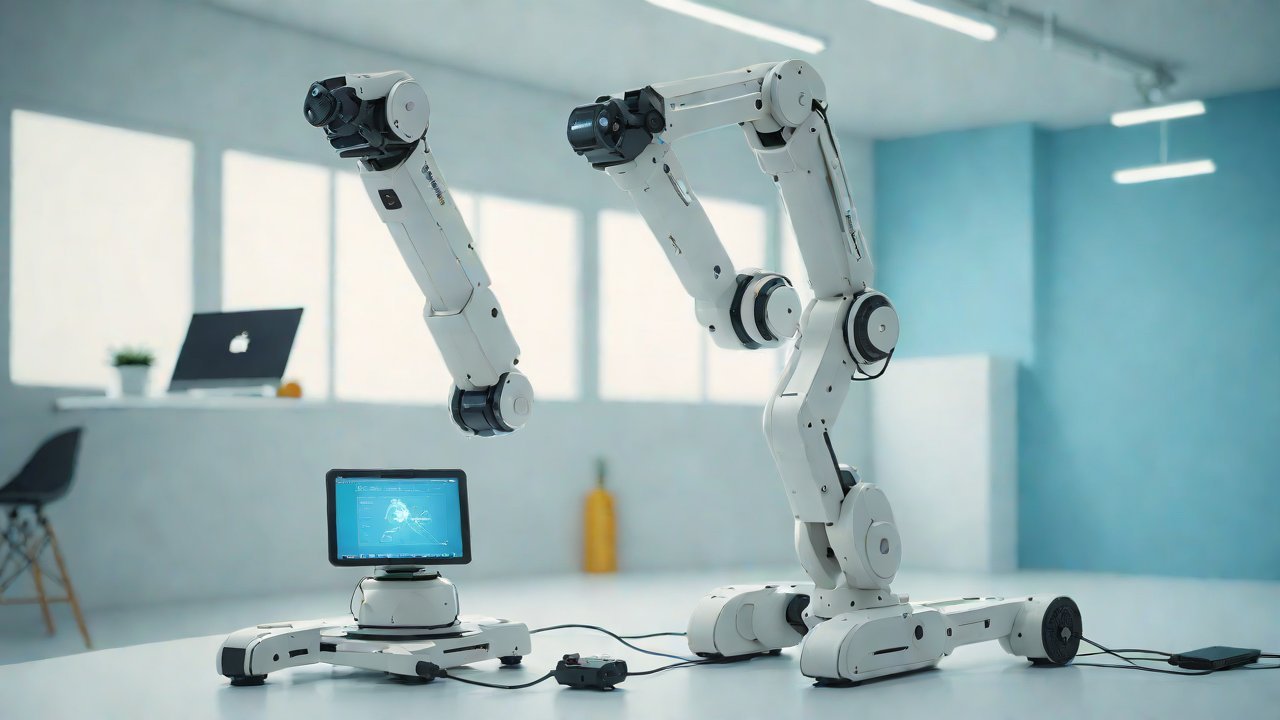
IoT motion capture technology has emerged as a breakthrough solution for remote rehabilitation. This system utilizes sensors and cameras to track patient movements in real-time, providing high-fidelity data on kinematics, kinetics, and muscle activity.
The use of IoT motion capture technology offers several advantages over traditional methods:
- Precision: Real-time data ensures accurate analysis and correction.
- Personalization: Customized plans are generated based on individual patient needs.
- Continuity: Continuous feedback enables patients to monitor their progress in real-time.
- Efficiency: Automated analysis saves time and reduces the risk of human error.
| IoT Motion Capture Technology Advantages |
| — | — |
| Real-time data | Precision and personalization |
| High-fidelity tracking | Continuity and efficiency |
3. AIGC Real-Time Correction
AIGC algorithms are at the heart of remote rehabilitation guidance, processing real-time motion capture data to generate personalized correction plans.
The AI engine employs advanced techniques such as:
- Deep learning: Neural networks analyze complex patterns in patient movement.
- Generative models: Algorithms create customized correction plans based on individual needs.
- Reinforcement learning: The system adapts and improves over time, refining its accuracy.
AIGC real-time correction offers several benefits:
- Enhanced efficacy: Precise correction plans lead to better outcomes.
- Increased patient engagement: Personalized feedback motivates patients to participate actively in their rehabilitation.
- Reduced healthcare costs: Efficient rehabilitation processes minimize the need for lengthy hospital stays and repeated interventions.
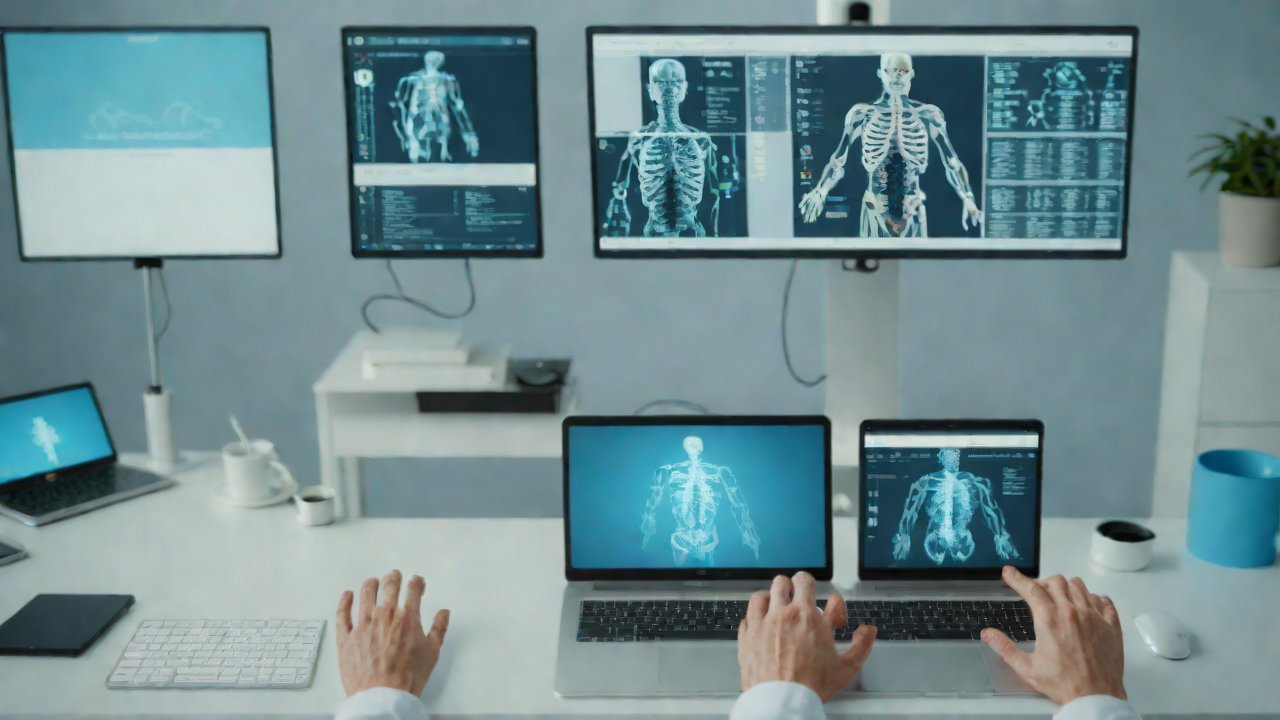
| AIGC Real-Time Correction Benefits |
| — | — |
| Enhanced efficacy | Increased patient engagement |
| Reduced healthcare costs | Improved accuracy |
4. Market Analysis
The market for remote rehabilitation guidance is growing rapidly, driven by increasing demand for personalized care, advances in IoT and AI technologies, and the need to reduce healthcare costs.
Key players in this space include:
- Startups: Companies like RehaMotion and PhysioTrainer are pioneering IoT motion capture technology and AIGC real-time correction.
- Established companies: Industry leaders such as Philips Healthcare and Siemens Healthineers are integrating remote rehabilitation solutions into their portfolios.
Market growth is expected to be driven by:
- Increasing adoption of telehealth services
- Advances in AI and IoT technologies
- Growing demand for personalized care
5. Technical Perspective
From a technical perspective, the integration of IoT motion capture technology and AIGC real-time correction requires sophisticated hardware and software components.
Key considerations include:
- Sensor accuracy: High-fidelity sensors are necessary to ensure accurate tracking.
- Algorithm complexity: Advanced AI algorithms are required to process complex patterns in patient movement.
- Data security: Secure data transmission protocols must be implemented to protect sensitive patient information.
6. Future Directions
The future of remote rehabilitation guidance is bright, with ongoing innovations in IoT and AIGC technologies poised to further enhance the efficacy and accessibility of care.
Potential areas for research include:
- Improved sensor accuracy
- Enhanced AI algorithm complexity
- Integration with other healthcare systems
As the healthcare industry continues to evolve, it is clear that remote rehabilitation guidance will play an increasingly important role in delivering high-quality care. By leveraging IoT motion capture technology and AIGC real-time correction, patients can expect more personalized, efficient, and effective recovery processes.
IOT Cloud Platform
IOT Cloud Platform is an IoT portal established by a Chinese IoT company, focusing on technical solutions in the fields of agricultural IoT, industrial IoT, medical IoT, security IoT, military IoT, meteorological IoT, consumer IoT, automotive IoT, commercial IoT, infrastructure IoT, smart warehousing and logistics, smart home, smart city, smart healthcare, smart lighting, etc.
The IoT Cloud Platform blog is a top IoT technology stack, providing technical knowledge on IoT, robotics, artificial intelligence (generative artificial intelligence AIGC), edge computing, AR/VR, cloud computing, quantum computing, blockchain, smart surveillance cameras, drones, RFID tags, gateways, GPS, 3D printing, 4D printing, autonomous driving, etc.
Note: This article was professionally generated with the assistance of AIGC and has been fact-checked and manually corrected by IoT expert editor IoTCloudPlatForm.