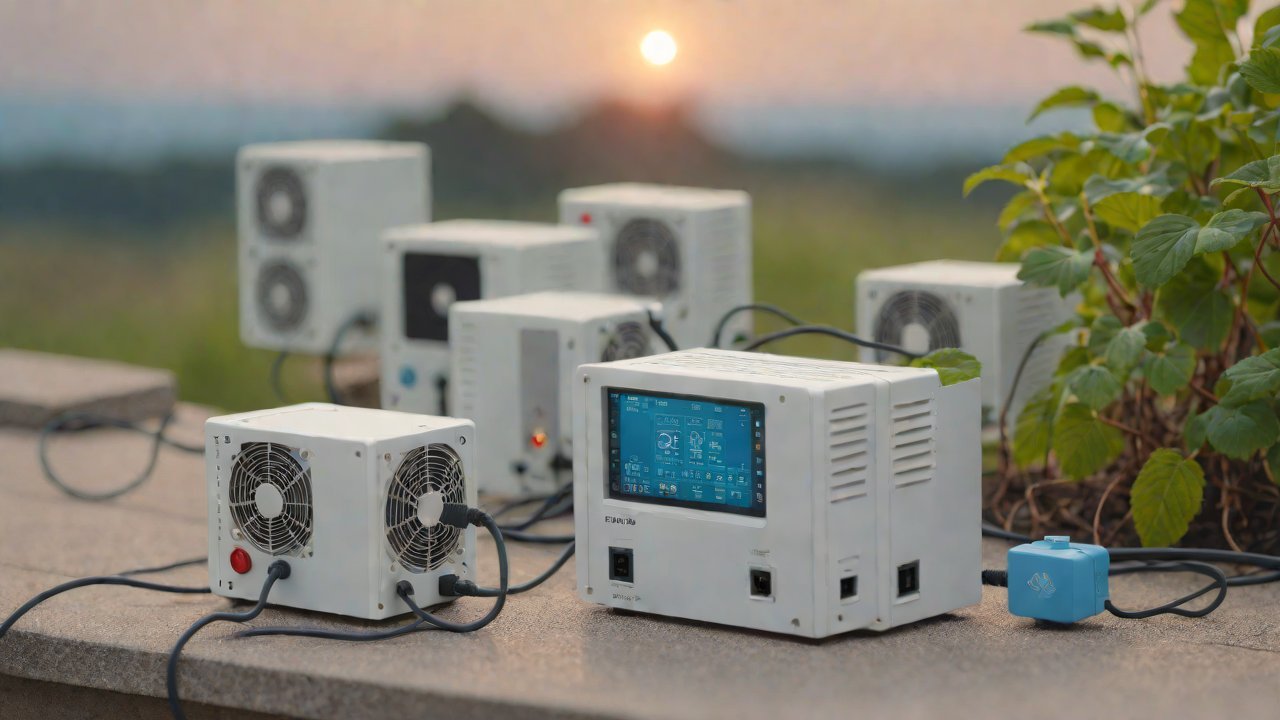
Raspberry Pi-Based Distributed Air Quality Detection (PM2.5/VOC) Network Solution
As we navigate the complexities of modern life, it has become increasingly clear that air quality is a pressing concern for communities worldwide. The proliferation of industrialization, urbanization, and vehicular emissions has led to alarming levels of particulate matter (PM2.5) and volatile organic compounds (VOCs) in our atmosphere. These pollutants have been linked to a range of health issues, from respiratory problems to cardiovascular diseases. In response to this crisis, researchers and innovators are exploring novel solutions for monitoring and mitigating air pollution.
One such solution is the development of distributed air quality detection networks, leveraging the power of Raspberry Pi-based systems to create a decentralized, low-cost, and highly effective monitoring infrastructure. These networks can be deployed in urban areas, industrial zones, or even rural regions, providing real-time data on PM2.5/VOC levels. By aggregating this data from multiple sensors, researchers and policymakers can gain insights into air pollution hotspots, track trends over time, and inform targeted interventions to improve air quality.
1. Technical Overview of Raspberry Pi-Based Air Quality Detection
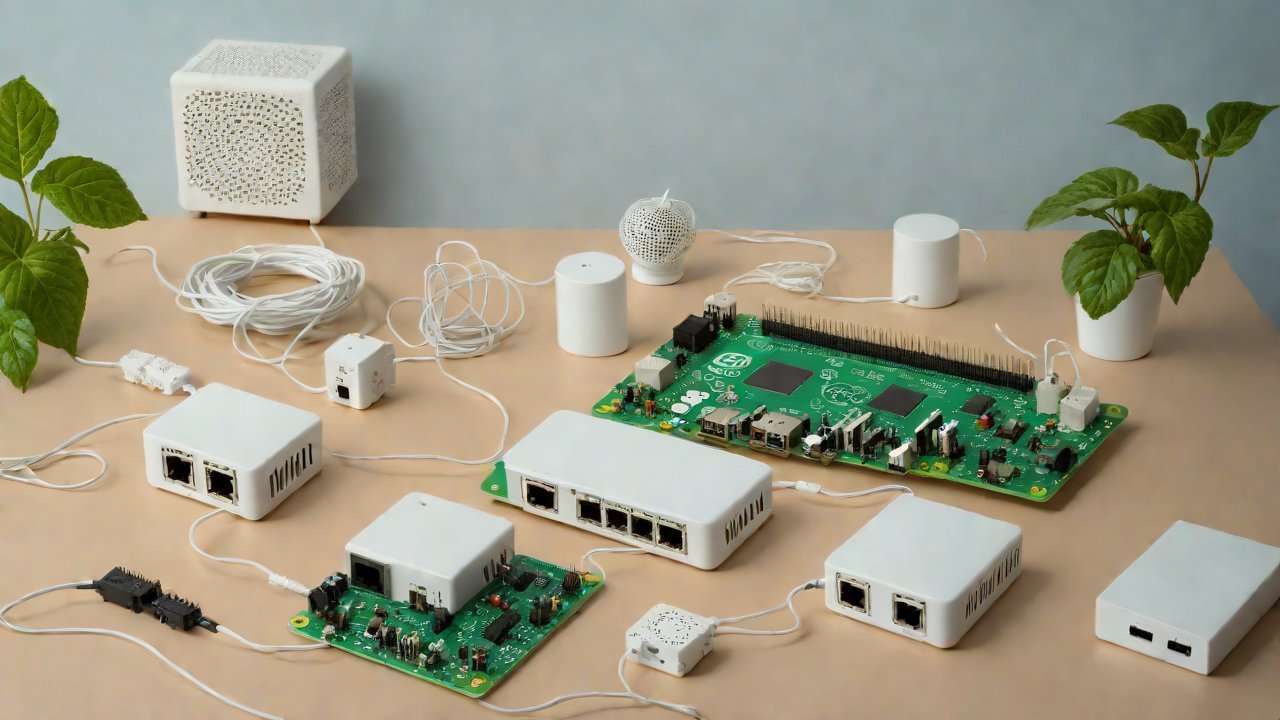
The Raspberry Pi is a single-board computer that has revolutionized the field of embedded systems development. Its affordability, versatility, and ease of use make it an ideal platform for building custom solutions, including air quality monitoring networks. A typical Raspberry Pi-based system consists of:
- Raspberry Pi board: The brain of the operation, running on a Linux-based operating system (e.g., Raspbian)
- Air quality sensors: Low-cost, high-accuracy sensors that measure PM2.5 and VOC levels (e.g., SDS011, MQ-135)
- Communication module: Enables data transmission to a central server or cloud platform via Wi-Fi/Bluetooth/GSM
- Power supply: A reliable power source, often using solar panels or rechargeable batteries
These components are carefully integrated to create a robust and compact monitoring device.
2. Advantages of Raspberry Pi-Based Distributed Air Quality Detection
The use of Raspberry Pi-based systems in distributed air quality detection offers several advantages over traditional approaches:
| Advantage | Description |
|---|---|
| Cost-effectiveness | Low-cost hardware and open-source software reduce overall system expenses |
| Flexibility | Easy customization and integration with various sensors and communication protocols |
| Scalability | Simple deployment in multiple locations, enabling widespread monitoring coverage |
| Real-time data | Instantaneous data transmission and processing enable timely decision-making |


3. Case Studies: Implementations of Raspberry Pi-Based Air Quality Detection
Several projects have successfully implemented Raspberry Pi-based air quality detection networks:
3.1. Urban Air Quality Monitoring in India
Researchers at the Indian Institute of Technology (IIT) Delhi developed a network of 20 Raspberry Pi-based sensors to monitor PM2.5 levels in urban areas. The system provided real-time data, helping authorities identify high-pollution zones and implement targeted interventions.
3.2. Industrial Zone Monitoring in China
A Chinese company implemented a Raspberry Pi-based air quality monitoring network in an industrial zone, measuring VOC levels and particulate matter. The system enabled the identification of pollution sources and implementation of corrective measures to improve air quality.
4. Challenges and Limitations of Raspberry Pi-Based Air Quality Detection
While Raspberry Pi-based systems offer numerous benefits, several challenges must be addressed:
| Challenge | Description |
|---|---|
| Interoperability | Ensuring seamless communication between sensors, Raspberry Pi boards, and central servers |
| Calibration and validation | Regular calibration and validation of air quality sensors to ensure accuracy and reliability |
| Power supply and maintenance | Reliable power sources and regular maintenance schedules to prevent equipment failures |
5. Future Directions: Enhancing Raspberry Pi-Based Air Quality Detection
To further improve the effectiveness and efficiency of Raspberry Pi-based air quality detection networks:
- Integration with IoT platforms: Seamless integration with popular IoT platforms (e.g., AWS, Google Cloud) for data analytics and visualization
- Advanced sensor technologies: Leveraging emerging sensor technologies (e.g., optical sensors, machine learning-enabled sensors)
- Artificial intelligence and machine learning: Applying AI/ML algorithms to analyze sensor data, predict air quality trends, and inform decision-making
By addressing the challenges and limitations of Raspberry Pi-based air quality detection networks, we can create a more effective, efficient, and reliable monitoring infrastructure for communities worldwide.
IOT Cloud Platform
IOT Cloud Platform is an IoT portal established by a Chinese IoT company, focusing on technical solutions in the fields of agricultural IoT, industrial IoT, medical IoT, security IoT, military IoT, meteorological IoT, consumer IoT, automotive IoT, commercial IoT, infrastructure IoT, smart warehousing and logistics, smart home, smart city, smart healthcare, smart lighting, etc.
The IoT Cloud Platform blog is a top IoT technology stack, providing technical knowledge on IoT, robotics, artificial intelligence (generative artificial intelligence AIGC), edge computing, AR/VR, cloud computing, quantum computing, blockchain, smart surveillance cameras, drones, RFID tags, gateways, GPS, 3D printing, 4D printing, autonomous driving, etc.