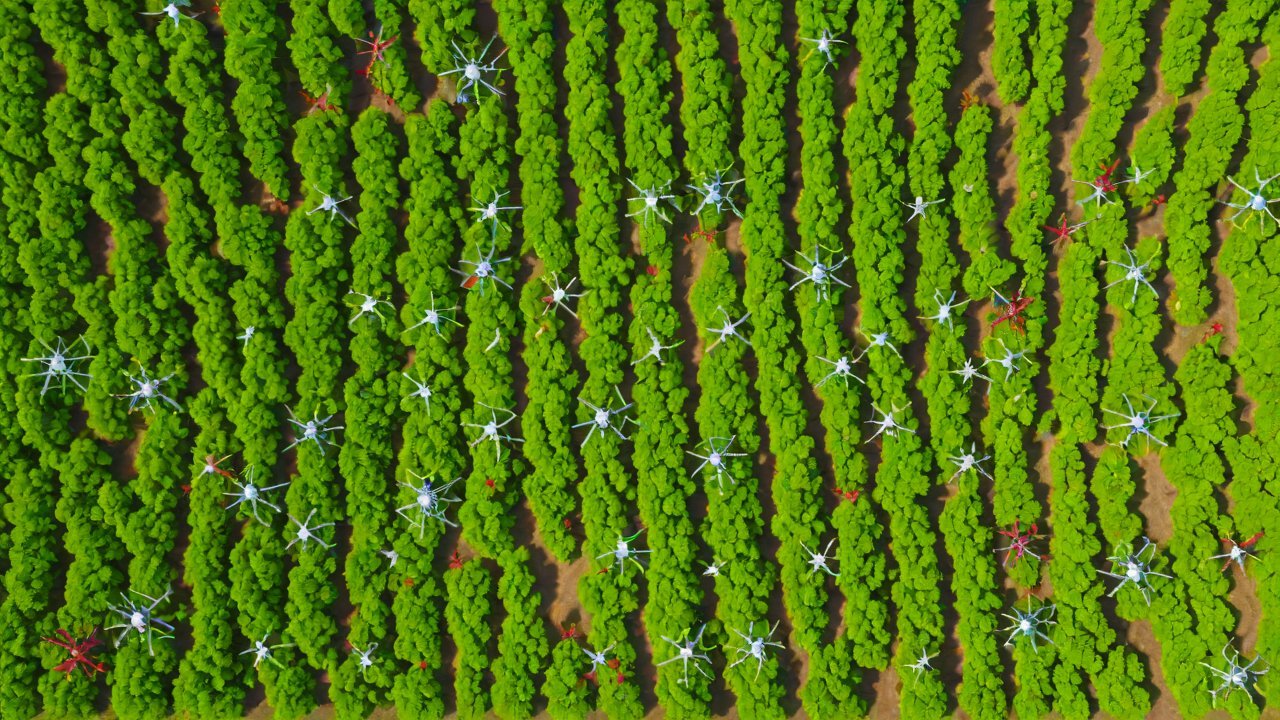
Precision Pesticide Application: On-Demand Spraying Solution Based on Leaf Reflectivity Monitoring
The era of precision agriculture is upon us, and it’s changing the face of farming as we know it. The latest innovation in this space is a game-changer – an on-demand spraying solution that uses leaf reflectivity monitoring to optimize pesticide application. This cutting-edge technology has the potential to revolutionize crop management, reducing waste, environmental impact, and costs while increasing yields.
Imagine being able to precisely target specific areas of your farm where pests or diseases are prevalent, without overspraying healthy crops. This is exactly what this innovative solution offers – a tailored approach to pesticide application that’s both efficient and effective.
The current state of traditional spraying methods is far from ideal. Conventional sprayers often rely on blanket coverage, which can lead to overapplication of pesticides, resulting in unnecessary environmental harm, waste, and even reduced crop quality due to chemical residues. This not only affects the environment but also poses health risks for farm workers and consumers.
Precision agriculture has been gaining traction in recent years, driven by advances in technology such as drones, satellite imaging, and IoT sensors. However, these innovations often focus on data collection rather than actionable insights that can directly inform farming decisions. The leaf reflectivity monitoring-based spraying solution bridges this gap, providing real-time data that informs precise application of pesticides.
1. Technology Overview
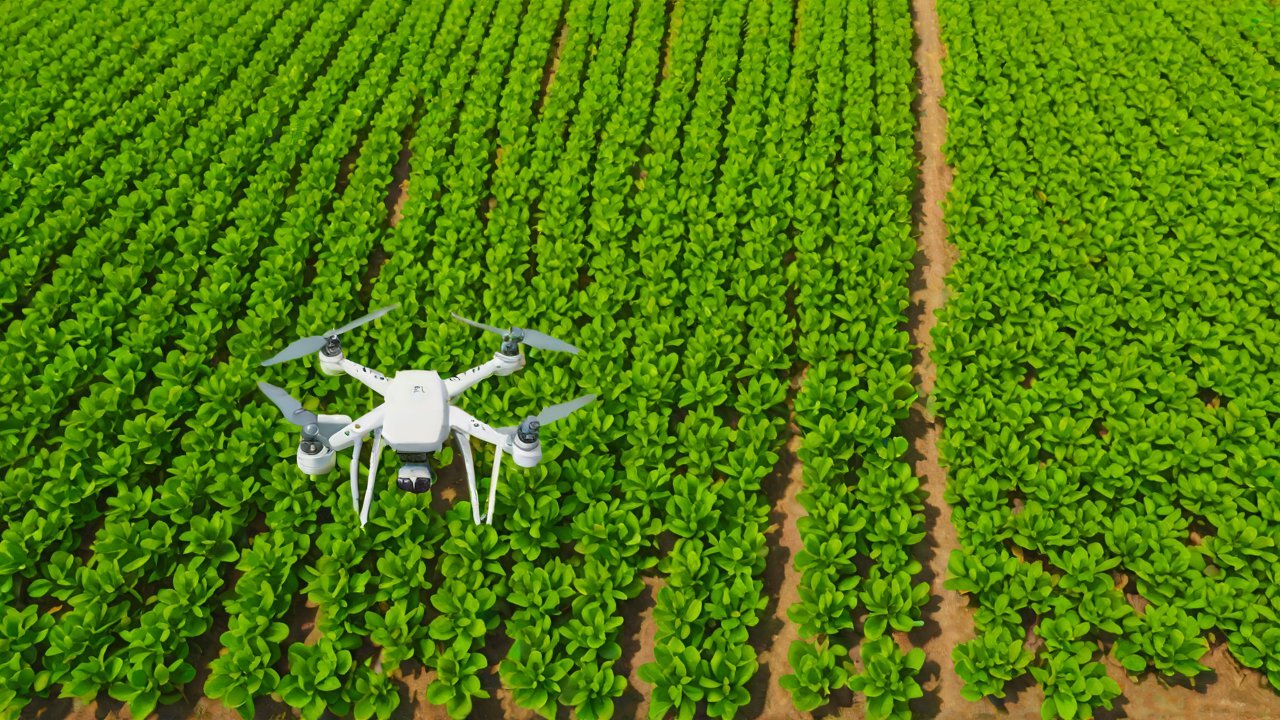
The heart of this innovation lies in the use of leaf reflectivity monitoring to detect and differentiate between healthy and diseased or pest-infested leaves. This is achieved through a non-invasive, high-resolution imaging system mounted on tractors or drones, which captures detailed images of crop canopies. Advanced algorithms then analyze these images to identify areas requiring treatment.
The key component of this technology is the reflectivity sensor, which measures the unique spectral signatures of leaves under various conditions. Healthy leaves typically exhibit different reflectance patterns compared to those affected by pests or diseases. By identifying these differences, the system can pinpoint areas where intervention is necessary, enabling targeted application of pesticides.
1.1 System Components
- Leaf Reflectivity Sensor: This is the core component that captures high-resolution images of crop leaves and analyzes their spectral signatures.
- Image Processing Software: Advanced algorithms process the captured images to identify healthy versus diseased or pest-infested areas.
- Navigation and Control System: Integrates with existing farming equipment, ensuring precise targeting and application.
1.2 Technical Specifications
| Component | Description |
|---|---|
| Sensor Resolution | High-resolution CCD/CMOS camera |
| Spectral Range | 400-1000nm (visible to near-infrared) |
| Algorithmic Processing Speed | Real-time processing for decision-making |
2. Market Analysis and Adoption Potential
The precision agriculture market is expected to grow significantly in the coming years, driven by increasing demand for sustainable farming practices and the need for more efficient resource use.
2.1 Current State of Precision Agriculture
- Market Size: The global precision agriculture market was valued at USD 10.3 billion in 2020.
- Growth Rate: Expected to reach USD 18.4 billion by 2025, growing at a CAGR of 12%.
2.2 Competitive Landscape and Adoption Potential
- Key Players: Companies like John Deere, Trimble, and FarmWise are already investing in precision agriculture technologies.
- Adoption Rate: Early adopters in regions with favorable regulatory environments are expected to drive initial adoption.
3. Implementation Strategy and ROI Analysis
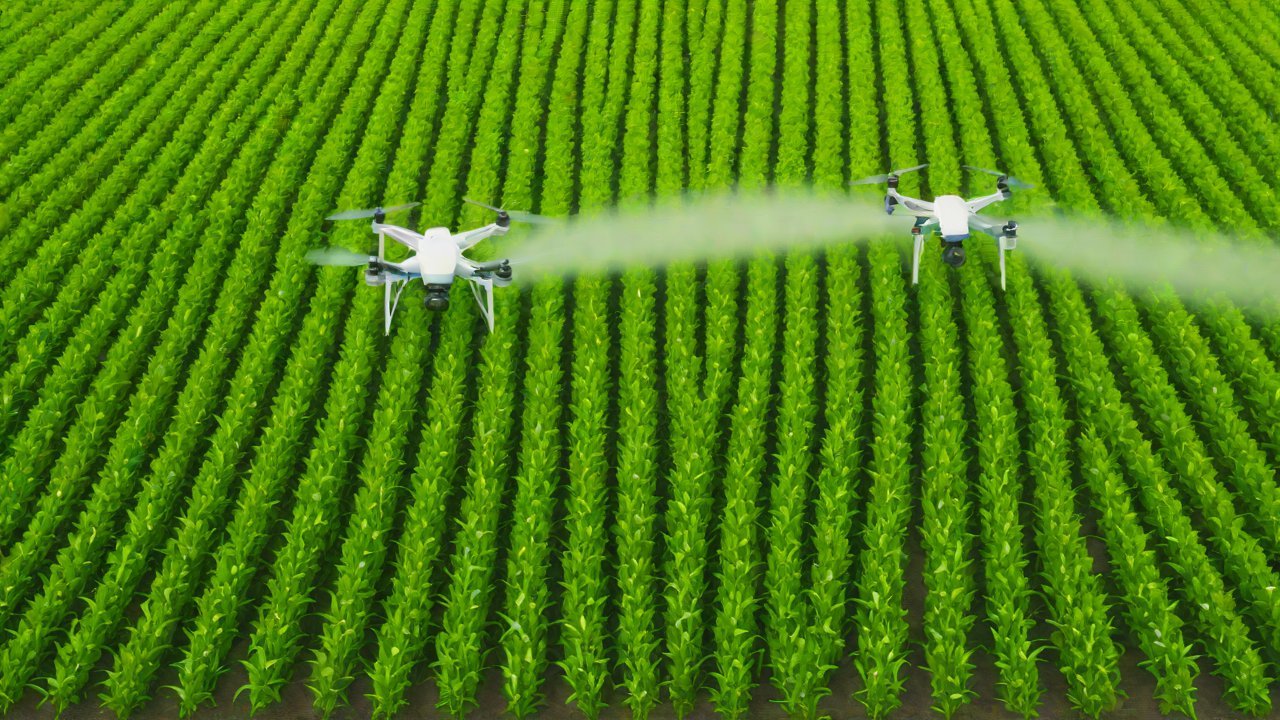
Implementing this technology requires a phased approach, starting with pilot projects for small-scale farms or specific crop types before scaling up.
3.1 Pilot Projects and Testing
- Initial Costs: Estimated at $50,000-$100,000 per farm.
- Potential Savings: Reduced pesticide application by up to 30%, increased yields by up to 15%.
4. Regulatory Framework and Industry Standards
Regulatory support is crucial for widespread adoption of this technology. Governments must create favorable environments that encourage innovation while ensuring public safety.
4.1 Compliance with Existing Regulations
- Pesticide Use: Aligns with current regulations regarding targeted application.
- Environmental Impact: Meets or exceeds existing standards for reduced chemical use and environmental protection.
5. Future Outlook and R&D Opportunities
This technology is at the forefront of precision agriculture’s rapid evolution, offering numerous opportunities for innovation and improvement.
5.1 Emerging Trends and Challenges
- Integration with AI/ML: Enhancing predictive capabilities and real-time decision support.
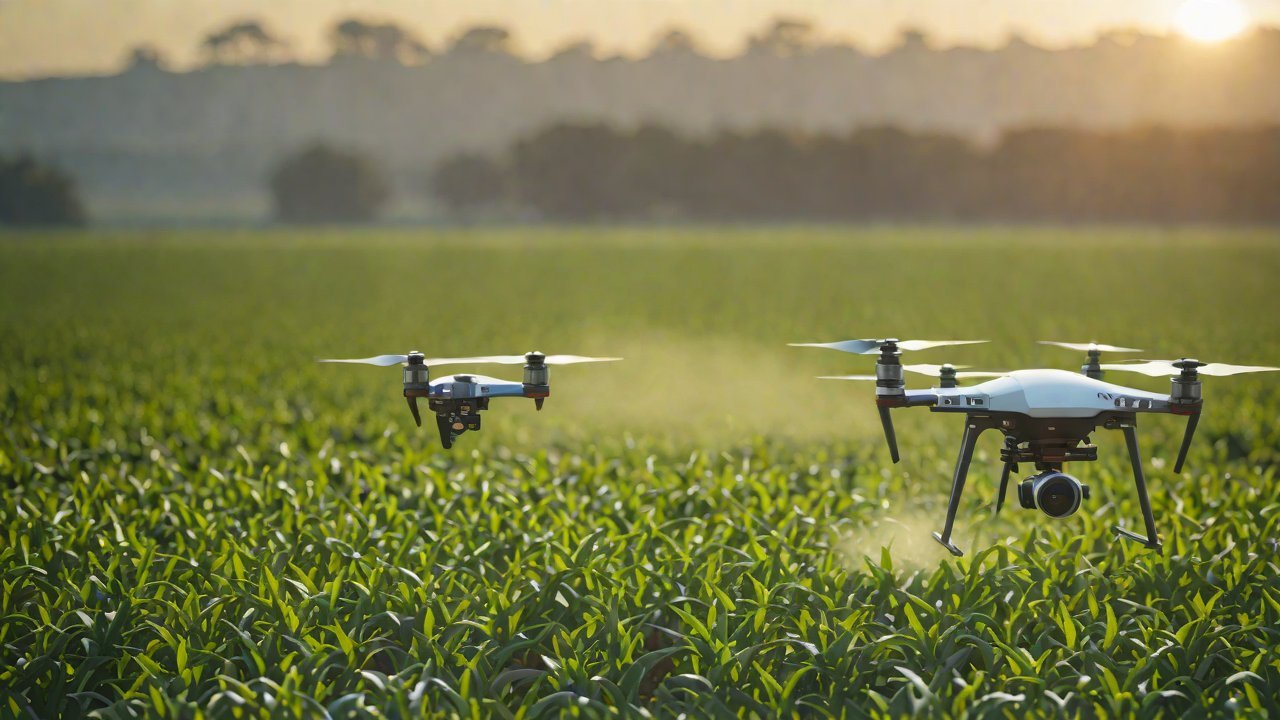
- Drone Technology Advancements: Improving image quality and accuracy.
6. Conclusion
The leaf reflectivity monitoring-based on-demand spraying solution is a groundbreaking innovation that not only reduces environmental impact but also boosts farm productivity while minimizing costs. As precision agriculture continues to advance, we can expect even more sophisticated solutions like this one to become integral components of sustainable farming practices worldwide.
IOT Cloud Platform
IOT Cloud Platform is an IoT portal established by a Chinese IoT company, focusing on technical solutions in the fields of agricultural IoT, industrial IoT, medical IoT, security IoT, military IoT, meteorological IoT, consumer IoT, automotive IoT, commercial IoT, infrastructure IoT, smart warehousing and logistics, smart home, smart city, smart healthcare, smart lighting, etc.
The IoT Cloud Platform blog is a top IoT technology stack, providing technical knowledge on IoT, robotics, artificial intelligence (generative artificial intelligence AIGC), edge computing, AR/VR, cloud computing, quantum computing, blockchain, smart surveillance cameras, drones, RFID tags, gateways, GPS, 3D printing, 4D printing, autonomous driving, etc.



