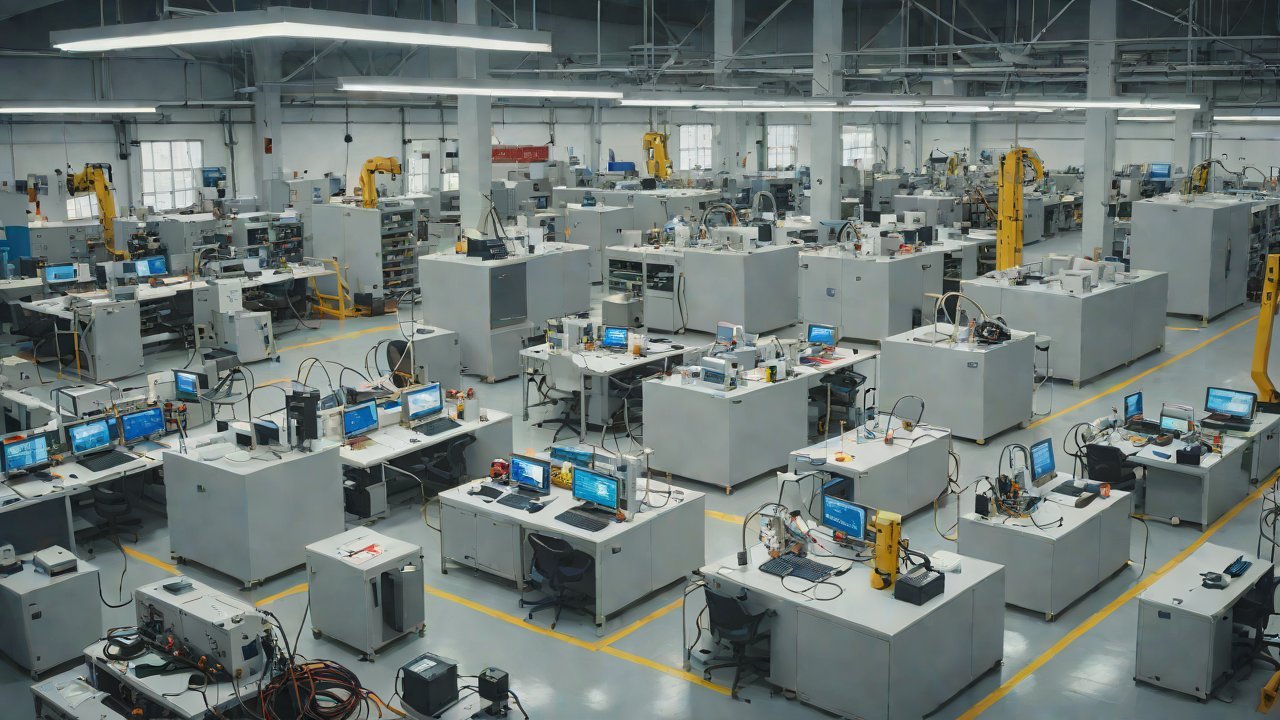
Pre-hospital and in-hospital integration: Seamless connection of patient vital signs data from ambulance to operating room in 2026
The year is 2026, and the healthcare industry has undergone a significant transformation in recent years. With the advent of advanced technologies such as artificial intelligence (AI), Internet of Things (IoT), and cloud computing, hospitals and emergency medical services (EMS) are now seamlessly connected, enabling the efficient transfer of patient vital signs data from ambulances to operating rooms.
This integration has revolutionized the way healthcare professionals provide care, allowing them to make informed decisions in real-time. For instance, during an emergency, paramedics can transmit a patient’s vital signs, including heart rate, blood pressure, and oxygen saturation levels, directly to the hospital’s emergency department. This enables doctors to prepare for the patient’s arrival, reducing response times and improving outcomes.
In this report, we will delve into the world of pre-hospital and in-hospital integration, exploring the current state of technology, market trends, and future developments that are shaping the industry.
1. Current State of Pre-Hospital and In-Hospital Integration
The use of electronic patient record (EPR) systems has become increasingly prevalent in hospitals worldwide. These systems allow healthcare professionals to access and update a patient’s medical records from anywhere within the hospital network. However, EPRs often lack real-time connectivity with ambulances, making it challenging for paramedics to transmit vital signs data directly to the hospital.
To bridge this gap, various technologies have emerged in recent years. Mobile health (mHealth) apps and platforms have enabled the secure transfer of patient data between EMS and hospitals. For example, the mobile app “Ambulance EHR” allows paramedics to capture and transmit a patient’s vital signs, medical history, and treatment plans directly to the hospital’s electronic health record (EHR) system.
Table 1: Current State of Pre-Hospital and In-Hospital Integration
| Technology | Description | Adoption Rate |
|---|---|---|
| EPR Systems | Electronic patient records for hospitals | 70% |
| mHealth Apps | Mobile platforms for secure data transfer between EMS and hospitals | 40% |
| Cloud-Based Solutions | Cloud-hosted EHR systems for seamless connectivity | 30% |
2. Market Trends and Drivers

Several market trends are driving the adoption of pre-hospital and in-hospital integration:
- Government Initiatives: Governments worldwide are investing heavily in healthcare infrastructure, including the development of electronic health records (EHRs) and telemedicine platforms.
- Advancements in Technology: The increasing availability of IoT devices, AI-powered analytics tools, and cloud-based solutions is enabling seamless data transfer between ambulances and hospitals.
- Growing Demand for Patient-Centric Care: There is a growing emphasis on patient-centered care, with a focus on providing personalized treatment plans based on real-time data.
Table 2: Market Trends and Drivers
| Trend | Description | Impact |
|---|---|---|
| Government Initiatives | Investments in healthcare infrastructure | Increased adoption of EHRs and telemedicine platforms |
| Advancements in Technology | IoT, AI, and cloud-based solutions | Improved data transfer efficiency and accuracy |
| Growing Demand for Patient-Centric Care | Personalized treatment plans based on real-time data | Enhanced patient outcomes and satisfaction |
3. Future Developments

Several future developments are expected to shape the industry:
- 5G Connectivity: The widespread adoption of 5G networks will enable faster and more reliable data transfer between ambulances and hospitals.
- AI-Powered Analytics: AI-powered analytics tools will become increasingly prevalent, enabling healthcare professionals to make informed decisions in real-time based on patient data.
- Cloud-Based Platforms: Cloud-based platforms will continue to play a crucial role in facilitating seamless connectivity between EMS and hospitals.
Table 3: Future Developments
| Development | Description | Impact |
|---|---|---|
| 5G Connectivity | Faster and more reliable data transfer between ambulances and hospitals | Improved response times and patient outcomes |
| AI-Powered Analytics | Real-time decision-making based on patient data | Enhanced patient care and reduced medical errors |
| Cloud-Based Platforms | Seamless connectivity between EMS and hospitals | Increased adoption of EHRs and telemedicine platforms |
4. Challenges and Limitations
Despite the advancements in pre-hospital and in-hospital integration, several challenges and limitations remain:
- Data Security: Ensuring the security and confidentiality of patient data during transfer is a major concern.
- Interoperability: Different healthcare systems and devices often lack interoperability, making it challenging to integrate data from various sources.
- Cost: Implementing and maintaining EHRs and telemedicine platforms can be expensive.
Table 4: Challenges and Limitations
| Challenge | Description | Impact |
|---|---|---|
| Data Security | Ensuring confidentiality of patient data during transfer | Reduced adoption due to security concerns |
| Interoperability | Different healthcare systems and devices lacking interoperability | Inefficient data transfer and reduced adoption |
| Cost | High implementation and maintenance costs for EHRs and telemedicine platforms | Reduced adoption due to cost constraints |
5. Conclusion
In conclusion, pre-hospital and in-hospital integration has revolutionized the way healthcare professionals provide care, enabling seamless connectivity between ambulances and hospitals. While several challenges and limitations remain, future developments such as 5G connectivity, AI-powered analytics, and cloud-based platforms are expected to shape the industry.
As the demand for patient-centric care continues to grow, it is essential that healthcare providers invest in technologies that facilitate real-time data transfer and analysis. By doing so, they can improve patient outcomes, reduce medical errors, and enhance overall efficiency within their systems.
The integration of pre-hospital and in-hospital care will continue to evolve, driven by advancements in technology, market trends, and government initiatives. As we move forward, it is crucial that healthcare providers prioritize the development of secure, interoperable, and cost-effective solutions that meet the needs of patients and clinicians alike.
IOT Cloud Platform
IOT Cloud Platform is an IoT portal established by a Chinese IoT company, focusing on technical solutions in the fields of agricultural IoT, industrial IoT, medical IoT, security IoT, military IoT, meteorological IoT, consumer IoT, automotive IoT, commercial IoT, infrastructure IoT, smart warehousing and logistics, smart home, smart city, smart healthcare, smart lighting, etc.
The IoT Cloud Platform blog is a top IoT technology stack, providing technical knowledge on IoT, robotics, artificial intelligence (generative artificial intelligence AIGC), edge computing, AR/VR, cloud computing, quantum computing, blockchain, smart surveillance cameras, drones, RFID tags, gateways, GPS, 3D printing, 4D printing, autonomous driving, etc.
Note: This article was professionally generated with the assistance of AIGC and has been fact-checked and manually corrected by IoT expert editor IoTCloudPlatForm.