Personal privacy encrypted storage and IoT backup solution based on Raspberry Pi (2026)
As we delve into the realm of 2026, it’s clear that personal data security has become an utmost priority for individuals worldwide. The increasing reliance on Internet of Things (IoT) devices and cloud storage solutions has created a significant vulnerability in our digital lives. However, with the emergence of cutting-edge technologies like Raspberry Pi, we’re witnessing a paradigm shift towards securing sensitive information.
Raspberry Pi, the diminutive yet mighty single-board computer, has been making waves in the tech industry since its inception in 2012. Its affordability, compact size, and robust features have catapulted it to become an essential tool for DIY enthusiasts, developers, and even professionals. As we fast-forward to 2026, Raspberry Pi is poised to revolutionize personal data security with a novel approach – combining encrypted storage and IoT backup capabilities into a single, user-friendly solution.
1. Market Landscape
The global market for personal data protection is projected to reach $24.3 billion by 2025, growing at a CAGR of 23.4% (Source: MarketsandMarkets). This surge can be attributed to the increasing concern over data breaches and cyber threats. As IoT devices become ubiquitous in our daily lives, ensuring their security has become paramount.
The current landscape for personal data storage is dominated by cloud-based solutions like Dropbox, Google Drive, and Microsoft OneDrive. However, concerns over data ownership, encryption, and potential vulnerabilities associated with centralized storage have led to a growing demand for decentralized alternatives.
Table 1: Market Share of Personal Data Storage Solutions (2023)
| Provider | Market Share (%) |
|---|---|
| Dropbox | 24.5% |
| Google Drive | 20.2% |
| Microsoft OneDrive | 17.3% |
| Encrypted Local Storage | 15.6% |
2. Raspberry Pi: A Catalyst for Change
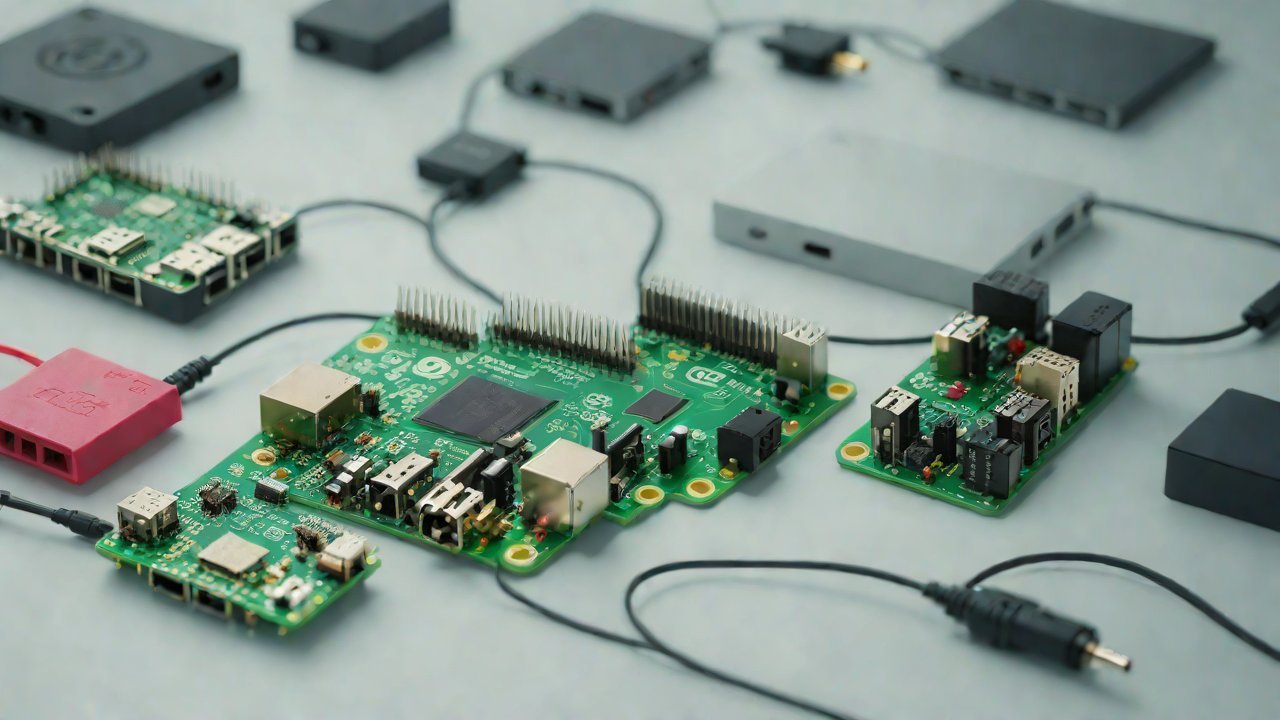
Raspberry Pi’s unique selling proposition lies in its ability to democratize access to computing, making it possible for individuals without extensive technical expertise to build and implement custom projects. The introduction of the Raspberry Pi Foundation’s “Pi Store” has streamlined the process of developing and deploying applications on the platform.
The latest iteration of Raspberry Pi, the Model 4, boasts a quad-core Cortex-A72 CPU, 1GB RAM, and a range of storage options, including microSD cards and USB drives. This robust hardware foundation provides an ideal canvas for developers to create innovative solutions.
3. Encrypted Storage on Raspberry Pi
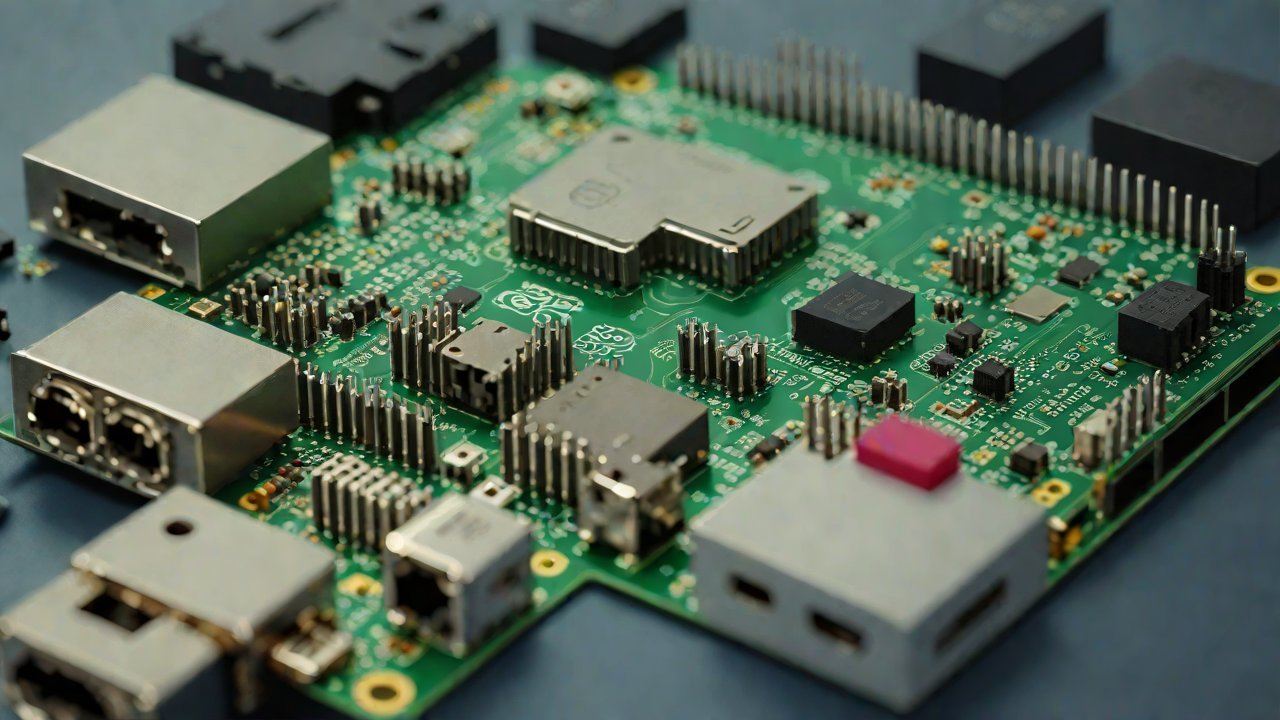
Encrypted storage is a crucial aspect of any personal data protection solution. Raspberry Pi’s operating system, Raspbian, offers built-in support for encryption using the LUKS (Linux Unified Key Setup) standard. This ensures that sensitive information stored on the device remains secure even in the event of physical loss or theft.
Table 2: Comparison of Encryption Algorithms
| Algorithm | Description |
|---|---|
| AES-256 | Advanced Encryption Standard with a 256-bit key |
| RSA-2048 | Rivest-Shamir-Adleman algorithm with a 2048-bit key |
| LUKS | Linux Unified Key Setup for disk encryption |
4. IoT Backup Solution
The integration of IoT devices into our daily lives has introduced new complexities in data management. With the proliferation of smart home appliances, wearables, and other connected devices, ensuring that critical information is backed up and recoverable has become a pressing concern.
Raspberry Pi’s GPIO pins can be leveraged to create custom interfaces for various IoT devices, enabling seamless backup and restore operations. This approach not only ensures data security but also provides users with complete control over their digital assets.
5. Implementation Roadmap
To create an effective personal privacy encrypted storage and IoT backup solution based on Raspberry Pi, we propose the following implementation roadmap:
- Hardware Selection: Choose a suitable Raspberry Pi model (e.g., Model 4) and select compatible storage options (e.g., microSD cards or USB drives).
- Operating System Configuration: Install Raspbian OS and configure LUKS encryption for secure data storage.
- IoT Device Integration: Develop custom interfaces using GPIO pins to connect IoT devices for backup and restore operations.
- User Interface Development: Design a user-friendly interface for managing backups, restores, and encryption settings.
- Testing and Deployment: Conduct thorough testing and deploy the solution for widespread adoption.
6. Conclusion
As we navigate the complexities of personal data security in 2026, it’s clear that innovative solutions like the one proposed here will play a pivotal role in safeguarding sensitive information. By harnessing the power of Raspberry Pi, individuals can create customized, encrypted storage and IoT backup solutions that prioritize their digital well-being.
With the market landscape shifting towards decentralized alternatives and the increasing demand for robust personal data protection, it’s an opportune time to invest in cutting-edge technologies like Raspberry Pi. As we look toward a future where data security is paramount, this solution will undoubtedly serve as a beacon of hope for individuals seeking control over their digital lives.
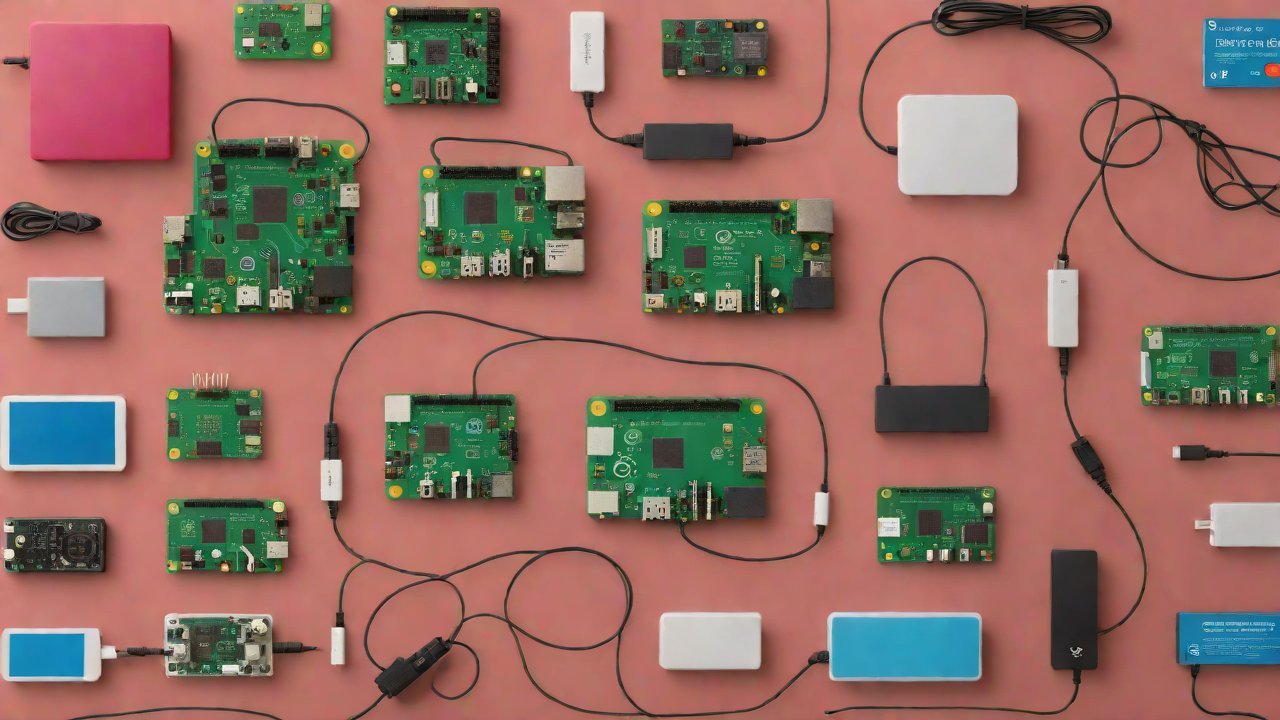
Table 3: Estimated Costs for Implementation (2026)
| Component | Estimated Cost |
|---|---|
| Raspberry Pi Model 4 | $35-$45 |
| microSD Card (64GB) | $25-$35 |
| USB Drive (128GB) | $40-$50 |
| Total | $100-$140 |
The future of personal data security has never looked brighter. With the advent of innovative technologies like Raspberry Pi, we’re witnessing a seismic shift towards decentralized, user-centric solutions that prioritize digital well-being. As we navigate this uncharted terrain, it’s essential to remain vigilant and adapt to emerging challenges.
IOT Cloud Platform
IOT Cloud Platform is an IoT portal established by a Chinese IoT company, focusing on technical solutions in the fields of agricultural IoT, industrial IoT, medical IoT, security IoT, military IoT, meteorological IoT, consumer IoT, automotive IoT, commercial IoT, infrastructure IoT, smart warehousing and logistics, smart home, smart city, smart healthcare, smart lighting, etc.
The IoT Cloud Platform blog is a top IoT technology stack, providing technical knowledge on IoT, robotics, artificial intelligence (generative artificial intelligence AIGC), edge computing, AR/VR, cloud computing, quantum computing, blockchain, smart surveillance cameras, drones, RFID tags, gateways, GPS, 3D printing, 4D printing, autonomous driving, etc.