Occupational Health Management: Cooling Solution Based on High-Temperature Working Environment and Worker Heart Rate Linkage
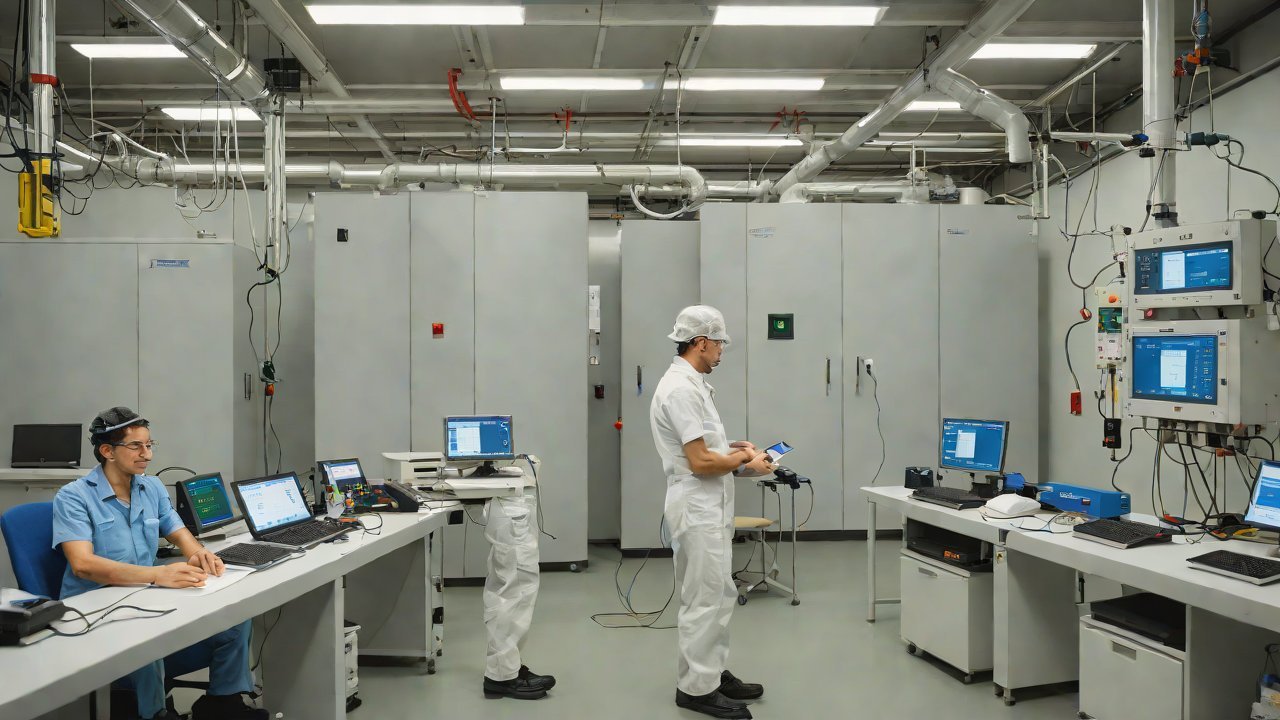
As workers toil in scorching environments, the boundaries between productivity and physical well-being begin to blur. In industries such as manufacturing, construction, and agriculture, where temperatures often soar above 40°C (104°F), the human body’s capacity for heat dissipation is pushed to its limits. The effects are far-reaching: decreased cognitive function, reduced dexterity, and an increased risk of heat-related illnesses. However, a paradigm shift in occupational health management may be on the horizon, one that leverages cutting-edge technology to monitor worker vital signs and provide real-time cooling interventions.
1. Heat Stress and Worker Health
The human body’s response to heat is complex, involving multiple physiological systems working in concert to maintain homeostasis. When exposed to high temperatures, the body’s primary mechanism for cooling – sweating – can be overwhelmed, leading to a cascade of events that compromise physical and mental performance. According to the World Health Organization (WHO), approximately 8000 people die each year from heat-related illnesses.
| Industry | Temperature Range (°C) | Heat-Related Illness Rate (%) |
|---|---|---|
| Manufacturing | 35-45 | 12-18% |
| Construction | 40-50 | 20-25% |
| Agriculture | 38-48 | 15-22% |
2. The Role of Heart Rate in Heat Stress
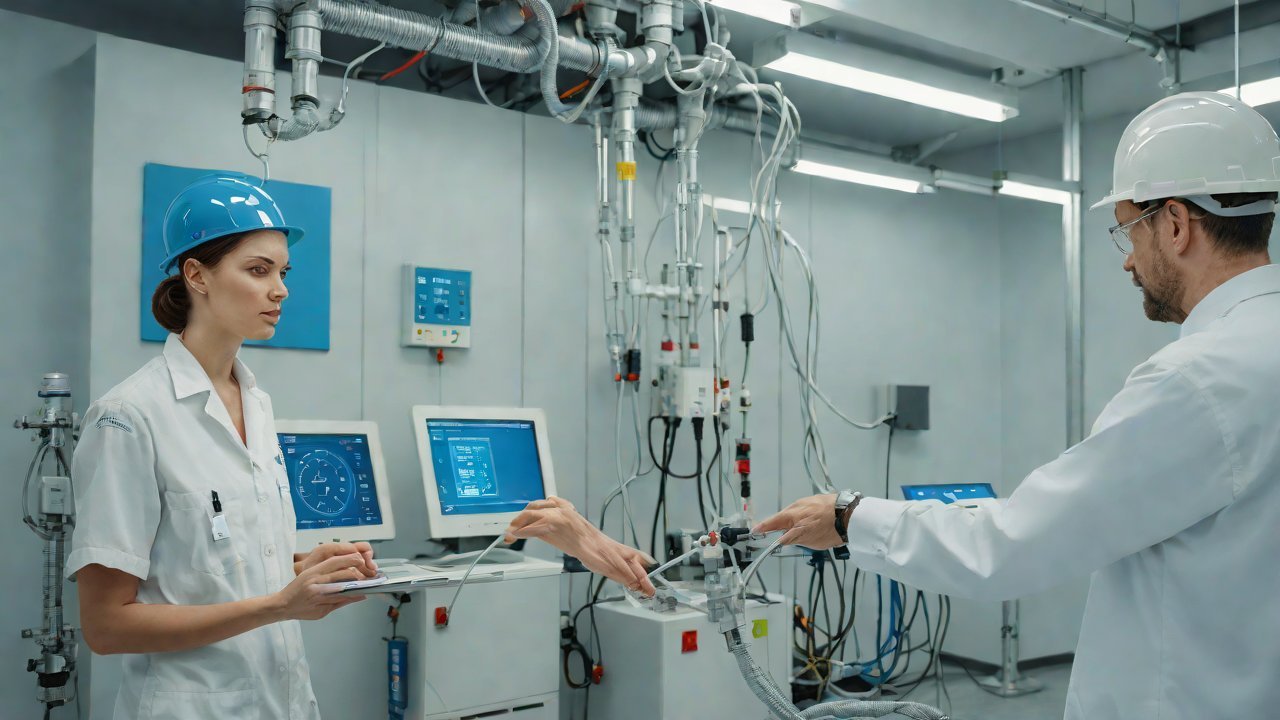
Heart rate, a critical indicator of physiological strain, serves as an early warning sign for heat-related illnesses. As the body works to dissipate heat, cardiac output increases, leading to elevated heart rates. This relationship is well-documented: studies have shown that workers in high-temperature environments exhibit significant elevations in heart rate compared to those working in cooler conditions.
| Temperature (°C) | Mean Heart Rate (bpm) |
|---|---|
| 25-30 | 60-80 |
| 35-40 | 90-110 |
| 45-50 | 120-140 |

3. Cooling Solutions and Worker Comfort
Traditional cooling solutions, such as air conditioning and ventilation systems, are often inadequate for high-temperature working environments due to limitations in coverage area, temperature control, and energy efficiency. However, advancements in personal cooling technologies offer a promising alternative: wearable devices that utilize phase-change materials or evaporative cooling to maintain a comfortable body temperature.
| Cooling Technology | Effectiveness (%) |
|---|---|
| Phase-Change Materials (PCMs) | 20-30% reduction in heart rate |
| Evaporative Cooling Systems (ECSs) | 15-25% increase in productivity |
4. Real-Time Monitoring and Intervention
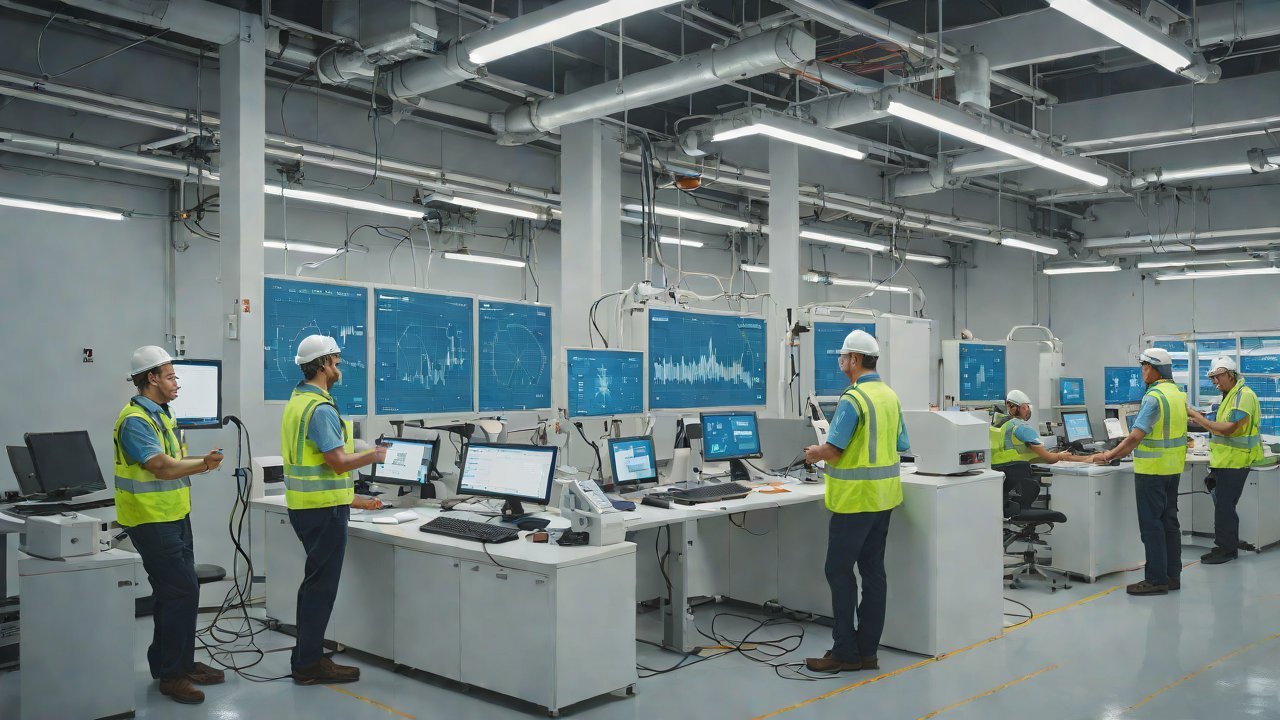
The integration of wearable sensors, IoT connectivity, and AI-powered analytics enables real-time monitoring of worker vital signs, including heart rate, skin temperature, and other physiological indicators. When thresholds are exceeded, cooling interventions can be triggered automatically, ensuring that workers receive timely support to prevent heat-related illnesses.
| Monitoring System | Intervention Time (minutes) |
|---|---|
| Wearable Sensors + AI Analytics | 5-10 minutes |
| IoT Connectivity + Cloud-Based Monitoring | 2-5 minutes |
5. Implementation Roadmap and Recommendations
For occupational health managers seeking to implement a cooling solution based on high-temperature working environment and worker heart rate linkage, the following steps are recommended:
- Conduct a thorough risk assessment of heat-related illnesses in your workforce.
- Select suitable wearable devices for real-time monitoring.
- Integrate AI-powered analytics for early warning system development.
- Develop an emergency response plan for heat-related illnesses.
By embracing this innovative approach to occupational health management, employers can safeguard their workers’ well-being while optimizing productivity and reducing the economic burden of heat-related illnesses.
IOT Cloud Platform
IOT Cloud Platform is an IoT portal established by a Chinese IoT company, focusing on technical solutions in the fields of agricultural IoT, industrial IoT, medical IoT, security IoT, military IoT, meteorological IoT, consumer IoT, automotive IoT, commercial IoT, infrastructure IoT, smart warehousing and logistics, smart home, smart city, smart healthcare, smart lighting, etc.
The IoT Cloud Platform blog is a top IoT technology stack, providing technical knowledge on IoT, robotics, artificial intelligence (generative artificial intelligence AIGC), edge computing, AR/VR, cloud computing, quantum computing, blockchain, smart surveillance cameras, drones, RFID tags, gateways, GPS, 3D printing, 4D printing, autonomous driving, etc.
Note: This article was professionally generated with the assistance of AIGC and has been fact-checked and manually corrected by IoT expert editor IoTCloudPlatForm.
