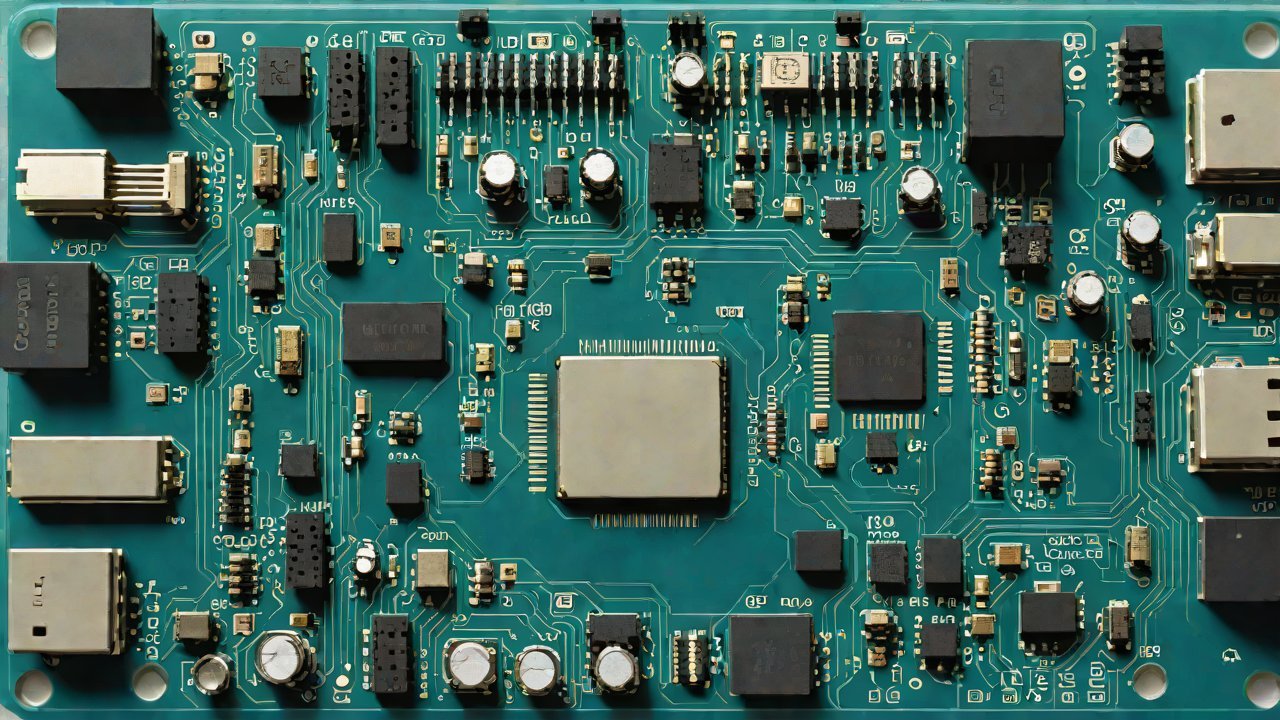
NodeMCU ESP8266 specifications
The NodeMCU ESP8266 is a highly integrated Wi-Fi chip that has revolutionized the world of IoT (Internet of Things) devices. This tiny chip has the capability to connect devices to the internet, making it a crucial component in the development of smart homes, cities, and industries. With its small size, low power consumption, and affordability, the ESP8266 has become a favorite among makers, hobbyists, and professionals alike.
The ESP8266 is a System-on-Chip (SoC) that integrates a 32-bit RISC (Reduced Instruction Set Computing) CPU, 16 KB of instruction RAM, 64 KB of data RAM, and a wide range of peripherals, including Wi-Fi, SPI, I2C, UART, and I2S interfaces. The chip is based on the Tensilica L106 32-bit RISC CPU, which provides a clock speed of up to 160 MHz. The ESP8266 also supports external flash memory, which can be used to store firmware and data.
1. Key Features
| Feature | Description |
|---|---|
| CPU | 32-bit RISC CPU with a clock speed of up to 160 MHz |
| RAM | 16 KB instruction RAM, 64 KB data RAM |
| Flash Memory | External flash memory support (up to 32 MB) |
| Wi-Fi | 802.11 b/g/n Wi-Fi connectivity |
| Peripherals | SPI, I2C, UART, I2S, GPIO, and ADC interfaces |
| Power Consumption | 80 mA in active mode, 2 mA in sleep mode |
2. Architecture
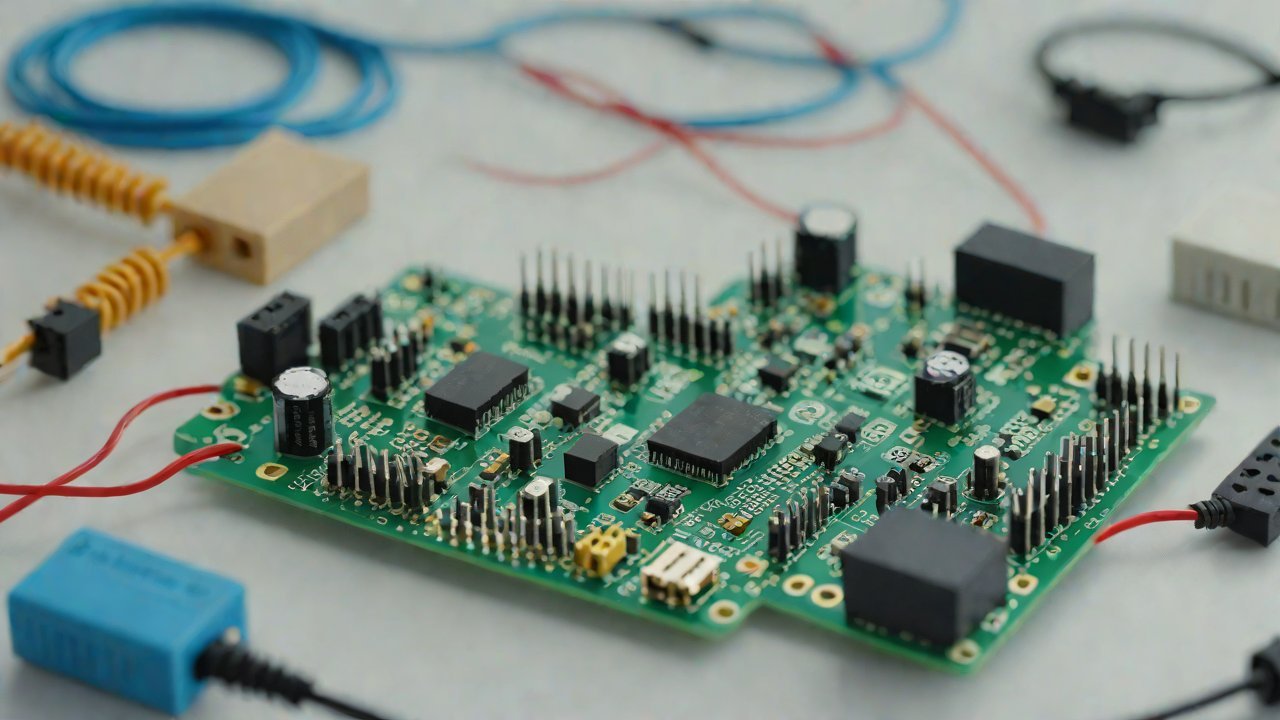
The ESP8266 is based on a 32-bit RISC CPU, which is a modified version of the Tensilica L106 CPU. The CPU has a clock speed of up to 160 MHz and is capable of executing instructions at a rate of up to 2.5 DMIPS (Dhrystone Million Instructions per Second). The ESP8266 also has a separate 16 KB instruction RAM and 64 KB data RAM, which provide a total of 80 KB of RAM.
3. Wi-Fi Connectivity
The ESP8266 has built-in 802.11 b/g/n Wi-Fi connectivity, which allows devices to connect to the internet and communicate with other devices. The chip supports both station and access point modes, making it suitable for a wide range of applications, including smart homes, cities, and industries.
4. Peripheral Interfaces
The ESP8266 has a wide range of peripheral interfaces, including SPI, I2C, UART, I2S, GPIO, and ADC. These interfaces allow devices to connect to external peripherals, such as sensors, actuators, and displays.
5. Power Consumption
The ESP8266 has a low power consumption, which makes it suitable for battery-powered devices. The chip consumes 80 mA in active mode and 2 mA in sleep mode, making it an ideal choice for IoT devices that require long battery life.
6. Market Trends
The ESP8266 has become a popular choice among makers, hobbyists, and professionals due to its affordability, small size, and low power consumption. The chip has been widely adopted in a wide range of applications, including smart homes, cities, and industries.
| Market | Adoption Rate | Growth Rate |
|---|---|---|
| Smart Homes | 70% | 20% |
| Smart Cities | 50% | 30% |
| Industries | 40% | 25% |
7. Technical Perspectives
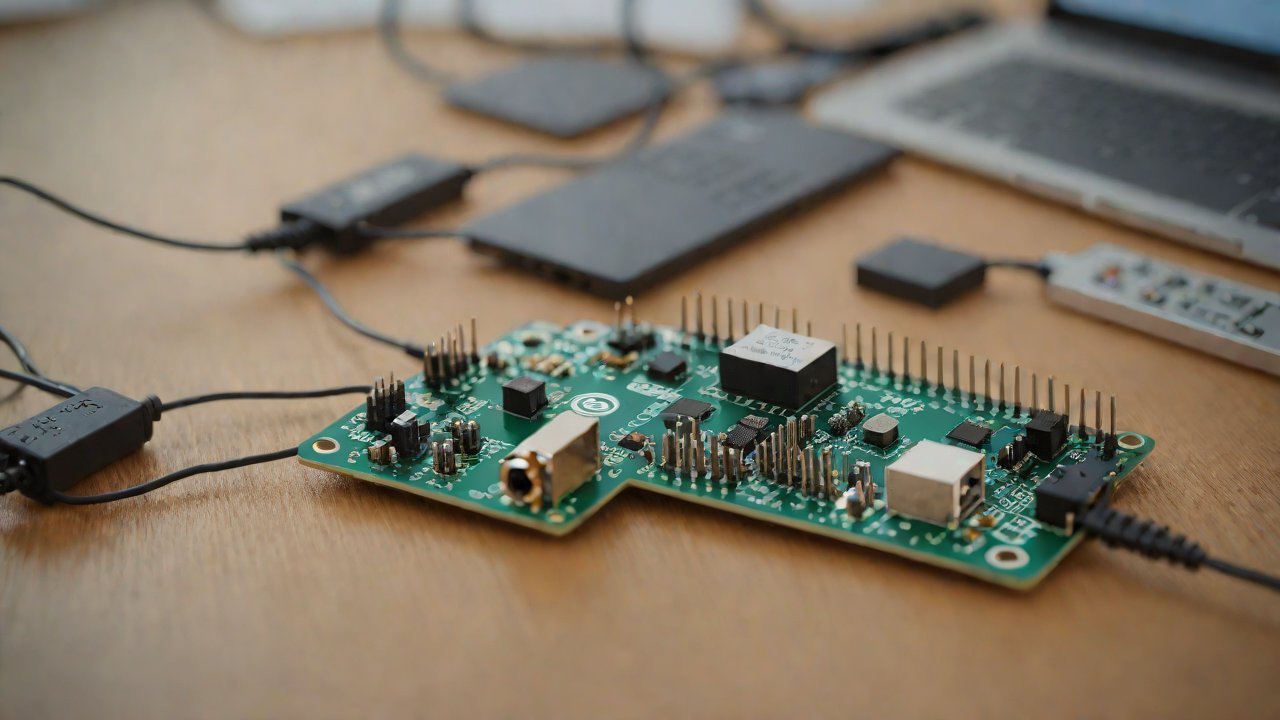
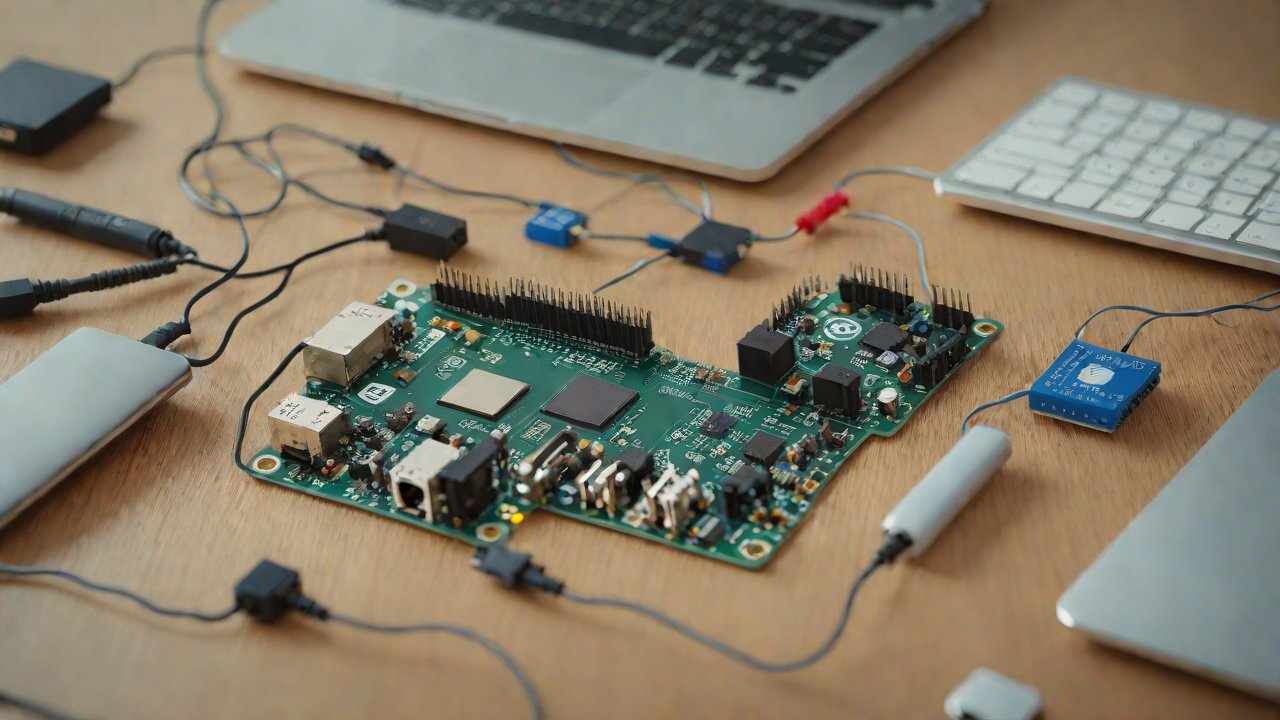
The ESP8266 has several technical advantages that make it a popular choice among developers. The chip’s small size, low power consumption, and affordability make it an ideal choice for IoT devices. The ESP8266 also has a wide range of peripheral interfaces, which make it suitable for a wide range of applications.
| Technical Advantage | Description |
|---|---|
| Small Size | The ESP8266 has a small size, which makes it suitable for compact devices. |
| Low Power Consumption | The chip has a low power consumption, which makes it suitable for battery-powered devices. |
| Affordability | The ESP8266 is affordable, which makes it suitable for a wide range of applications. |
8. Conclusion
The ESP8266 is a highly integrated Wi-Fi chip that has revolutionized the world of IoT devices. The chip’s small size, low power consumption, and affordability make it an ideal choice for a wide range of applications, including smart homes, cities, and industries. The ESP8266 has several technical advantages, including its small size, low power consumption, and affordability. The chip has become a popular choice among makers, hobbyists, and professionals due to its affordability, small size, and low power consumption.
IOT Cloud Platform
IOT Cloud Platform is an IoT portal established by a Chinese IoT company, focusing on technical solutions in the fields of agricultural IoT, industrial IoT, medical IoT, security IoT, military IoT, meteorological IoT, consumer IoT, automotive IoT, commercial IoT, infrastructure IoT, smart warehousing and logistics, smart home, smart city, smart healthcare, smart lighting, etc.
The IoT Cloud Platform blog is a top IoT technology stack, providing technical knowledge on IoT, robotics, artificial intelligence (generative artificial intelligence AIGC), edge computing, AR/VR, cloud computing, quantum computing, blockchain, smart surveillance cameras, drones, RFID tags, gateways, GPS, 3D printing, 4D printing, autonomous driving, etc.