Multi-user permission management: How to securely share monitoring footage with elderly family members?
As families increasingly rely on smart home security systems to ensure their loved ones’ safety, especially among the elderly, a pressing concern arises: how to balance the need for shared access to monitoring footage with robust security measures? The proliferation of IoT devices and video surveillance has created an ecosystem where multiple users require simultaneous access to sensitive information. This scenario necessitates the implementation of multi-user permission management systems to safeguard against unauthorized viewing or tampering.
1. Understanding the Challenge
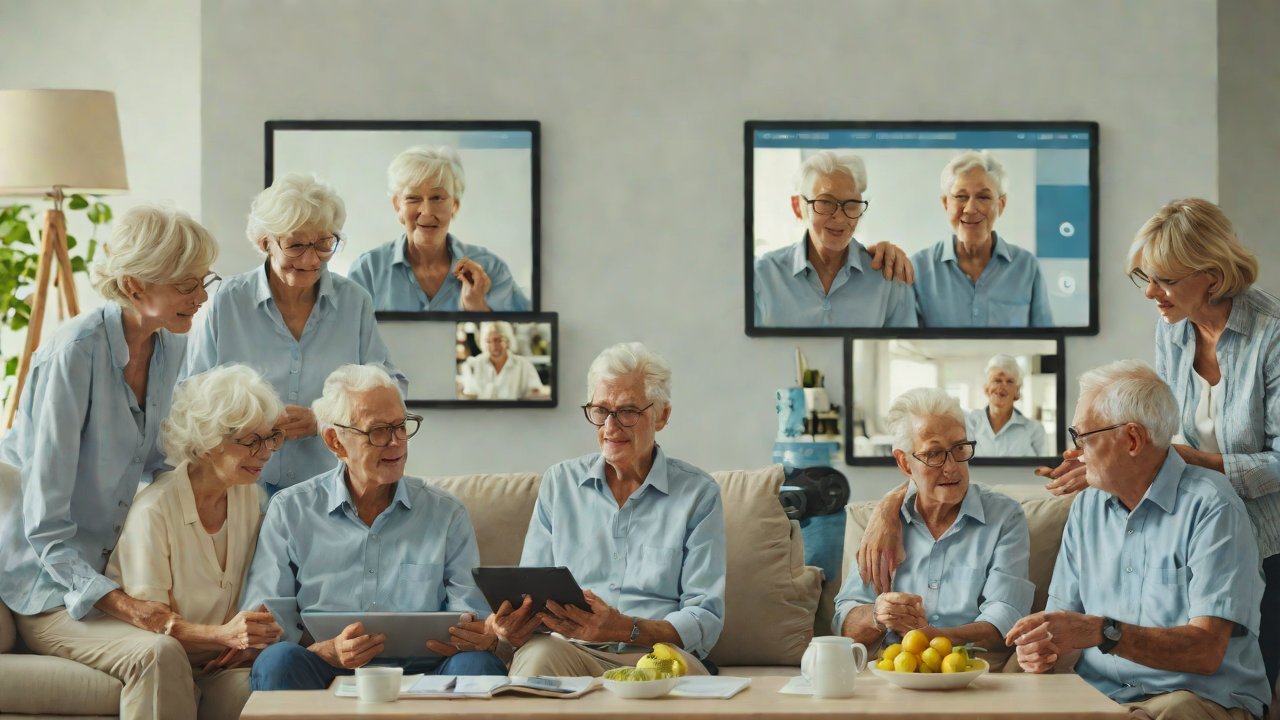
With the growth of smart home technologies, it’s not uncommon for family members to be granted access to monitoring footage for various reasons. However, as the number of users increases, so does the risk of security breaches and unauthorized access. According to a survey by Parks Associates, 63% of homeowners with security systems allow remote access for family members or caregivers (Parks Associates, 2020). This trend underscores the importance of implementing secure multi-user permission management strategies.
| Survey Highlights | Percentage |
|---|---|
| Homeowners allowing remote access | 63% |
| Caregivers accessing monitoring footage | 45% |
| Family members with access to security systems | 55% |
2. Security Risks and Threats
The sharing of sensitive information, such as monitoring footage, poses significant security risks. These include:
- Unauthorized access: Granting multiple users access increases the risk of unauthorized viewing or tampering.
- Data breaches: Sharing sensitive information exposes systems to potential data breaches, compromising user credentials and system integrity.
- Insider threats: Caregivers or family members with malicious intent can exploit their access privileges to compromise security.
3. Implementing Multi-User Permission Management
To address these challenges, consider the following best practices for implementing multi-user permission management:
3.1 Role-Based Access Control (RBAC)
Implement a robust RBAC system that assigns specific permissions and roles to users based on their needs and responsibilities. This ensures that each user has only the necessary access rights.
| Permission Level | Description |
|---|---|
| Viewer | Can view monitoring footage, but cannot modify settings or access sensitive information. |
| Administrator | Has full control over security systems, including configuration, alerts, and user management. |

3.2 User Authentication and Authorization
Use advanced authentication methods, such as multi-factor authentication (MFA) and single sign-on (SSO), to ensure secure user identification and verification.
| Authentication Method | Description |
|---|---|
| Multi-Factor Authentication (MFA) | Requires users to provide multiple forms of verification, reducing the risk of unauthorized access. |
| Single Sign-On (SSO) | Enables users to access multiple systems with a single set of login credentials, simplifying user management and reducing security risks. |
3.3 Monitoring and Auditing
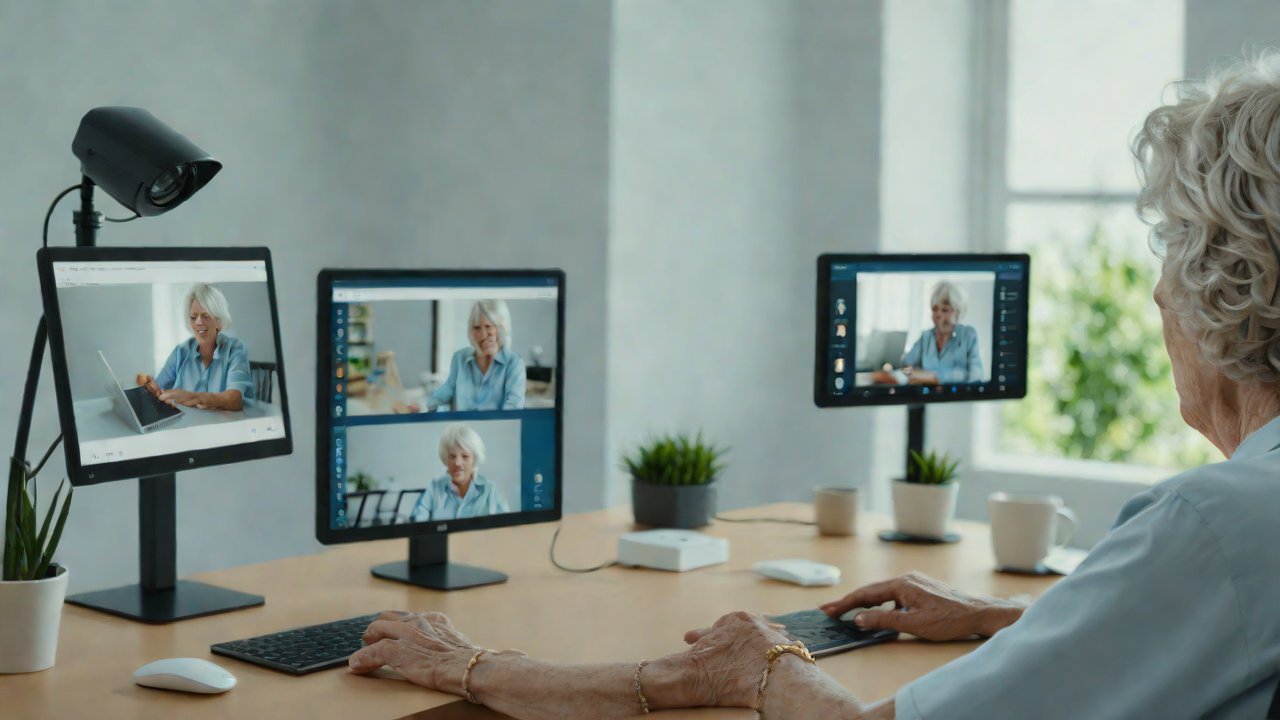
Regularly monitor system activity and maintain detailed audit logs to detect potential security incidents or unauthorized access.
| Audit Log Details | Description |
|---|---|
| User Activity Logs | Record all user interactions with the system, including login attempts, viewing history, and configuration changes. |
| System Event Logs | Capture system-generated events, such as alerts, notifications, and system updates. |
4. Technical Considerations
When implementing multi-user permission management systems, consider the following technical aspects:
- Scalability: Ensure that the solution can accommodate multiple users and devices without compromising performance or security.
- Integration: Integrate with existing smart home systems, video surveillance platforms, and other relevant technologies to provide a seamless user experience.
- Security Protocols: Implement robust security protocols, such as end-to-end encryption and secure key exchange, to safeguard sensitive information.
5. Conclusion
As the demand for shared access to monitoring footage continues to grow, it’s essential to prioritize multi-user permission management. By implementing RBAC, user authentication, and auditing mechanisms, families can ensure secure sharing of monitoring footage while maintaining robust security measures.
IOT Cloud Platform
IOT Cloud Platform is an IoT portal established by a Chinese IoT company, focusing on technical solutions in the fields of agricultural IoT, industrial IoT, medical IoT, security IoT, military IoT, meteorological IoT, consumer IoT, automotive IoT, commercial IoT, infrastructure IoT, smart warehousing and logistics, smart home, smart city, smart healthcare, smart lighting, etc.
The IoT Cloud Platform blog is a top IoT technology stack, providing technical knowledge on IoT, robotics, artificial intelligence (generative artificial intelligence AIGC), edge computing, AR/VR, cloud computing, quantum computing, blockchain, smart surveillance cameras, drones, RFID tags, gateways, GPS, 3D printing, 4D printing, autonomous driving, etc.