Marine Ranching 2.0: 2026 Underwater Monitoring and Automated Feeding IoT Integration
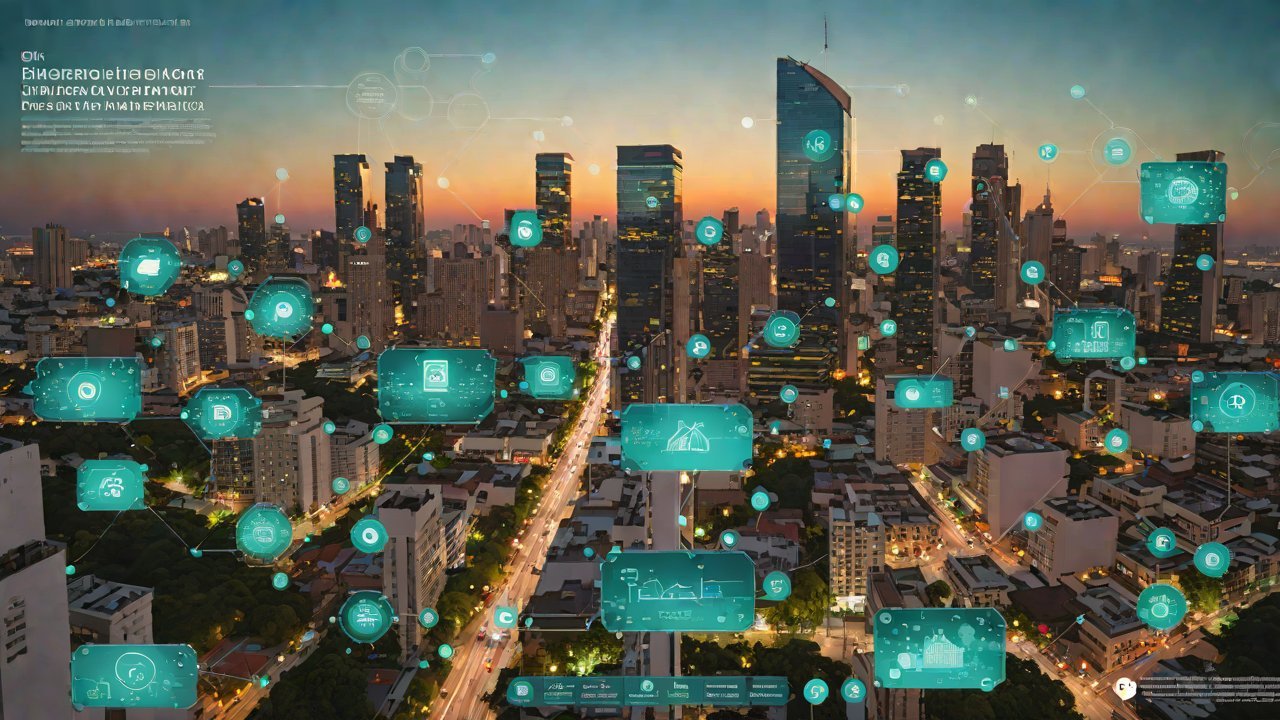
As we embark on a new era of sustainable aquaculture, Marine Ranching 2.0 is poised to revolutionize the industry with cutting-edge technology. The integration of underwater monitoring and automated feeding systems using Internet of Things (IoT) devices promises to increase efficiency, reduce costs, and improve fish welfare. This report delves into the intricacies of this emerging trend, exploring its potential, challenges, and market outlook.
1. Background
Marine ranching has been gaining traction in recent years as a viable alternative to traditional fishing practices. By cultivating fish in controlled environments, farmers can mitigate the pressure on wild fish populations while ensuring a consistent supply of high-quality seafood. However, the industry still faces significant challenges, including labor-intensive monitoring and feeding processes.
2. Underwater Monitoring
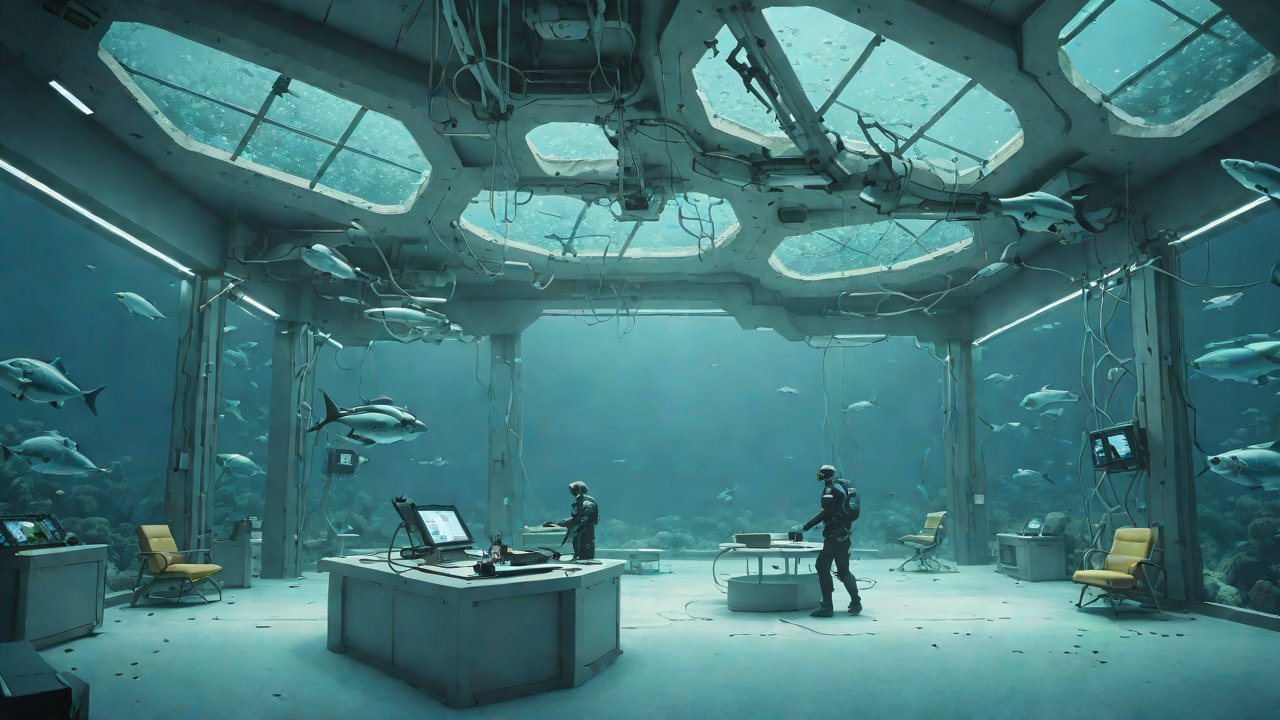
Underwater monitoring systems are crucial for maintaining optimal water quality, detecting early signs of disease, and preventing stress-related issues in farmed fish. The integration of IoT devices enables real-time data collection and analysis, allowing farmers to make informed decisions and respond promptly to any anomalies.
2.1 Sensor Technology
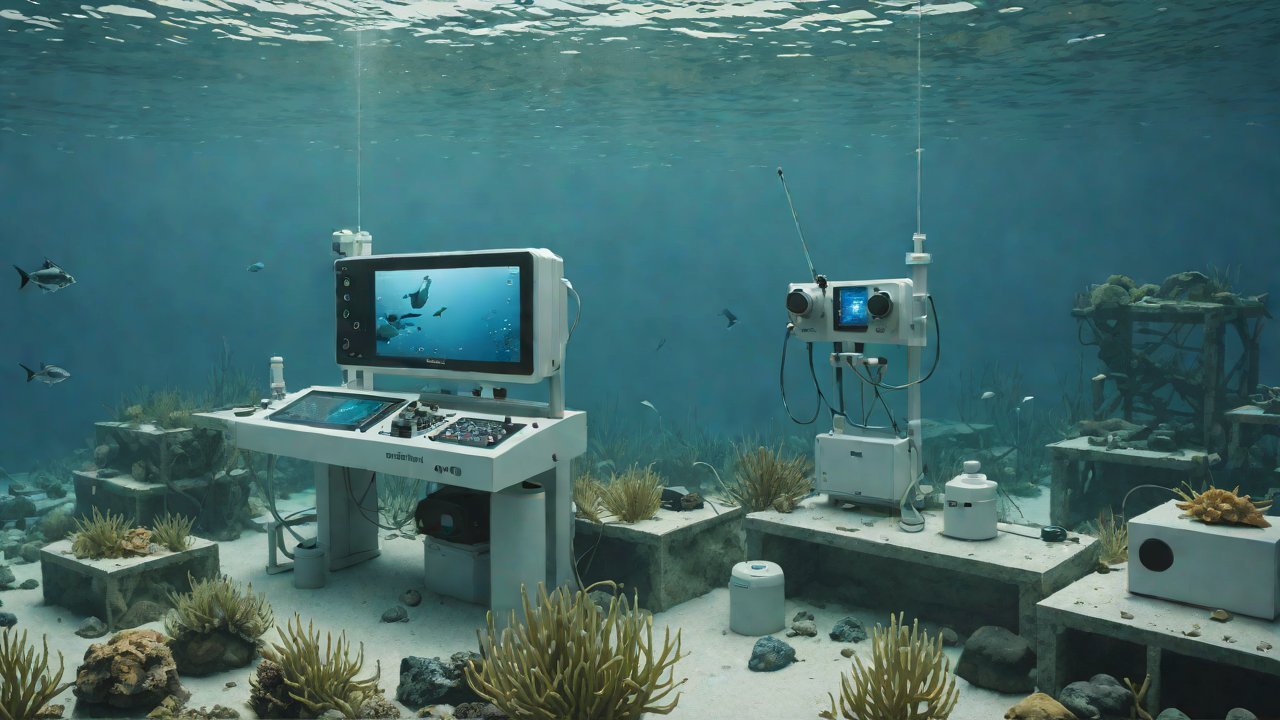
Advances in sensor technology have enabled the development of compact, low-power sensors that can monitor a range of parameters, including water temperature, pH, oxygen levels, and salinity. These sensors are typically equipped with wireless communication capabilities, allowing them to transmit data directly to a central control system.
2.2 Data Analytics
The collected sensor data is then fed into sophisticated analytics platforms, which utilize machine learning algorithms to identify patterns and trends. This enables farmers to predict potential issues before they arise, minimizing the risk of disease outbreaks or water quality incidents.
3. Automated Feeding Systems
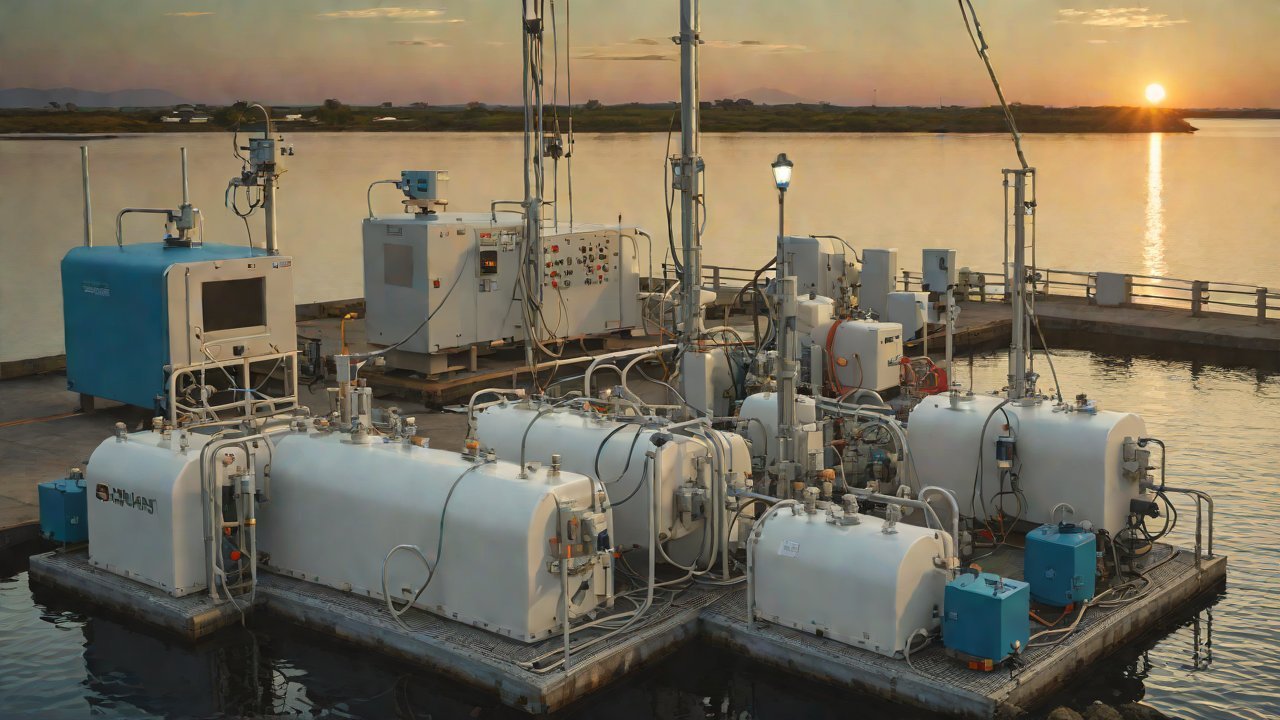
Automated feeding systems are designed to optimize feed distribution, reducing waste and improving fish growth rates. These systems typically employ computer-controlled feeders that dispense precise amounts of nutrients based on real-time data from underwater monitoring sensors.
3.1 Feed Formulation
The development of advanced feed formulations has been driven by the need for more sustainable and nutritious feeds. These formulas often incorporate alternative protein sources, such as plant-based ingredients or microalgae, which can reduce the industry’s reliance on wild-caught fishmeal and fish oil.
4. IoT Integration
The integration of underwater monitoring and automated feeding systems using IoT devices enables seamless communication between sensors, feeders, and analytics platforms. This creates a closed-loop system where data informs decision-making, and decisions are executed in real-time.
4.1 Network Architecture
A typical IoT network architecture for marine ranching applications might comprise:
| Component | Description |
|---|---|
| Sensors | Underwater sensors monitoring water quality and fish health |
| Gateways | Wireless communication gateways aggregating sensor data |
| Analytics Platform | Cloud-based platform processing and analyzing sensor data |
| Feeders | Computer-controlled feeders dispensing precise amounts of nutrients |
5. Market Outlook
The global aquaculture market is projected to reach $245 billion by 2026, with the marine ranching segment expected to drive growth. Key players in this space are investing heavily in IoT technologies, recognizing their potential to improve efficiency and reduce costs.
5.1 Regional Breakdown
Regional demand for Marine Ranching 2.0 solutions is expected to vary:
| Region | Market Size (2026) |
|---|---|
| Asia-Pacific | $143 billion |
| Europe | $43 billion |
| Americas | $29 billion |
6. Challenges and Limitations
While Marine Ranching 2.0 presents numerous opportunities, several challenges must be addressed:
6.1 Standardization
The lack of standardized protocols for IoT device integration and data exchange hinders the widespread adoption of these technologies.
6.2 Cybersecurity
As with any connected system, cybersecurity threats pose a significant risk to Marine Ranching 2.0 applications.
7. Conclusion
Marine Ranching 2.0 represents a major leap forward in sustainable aquaculture, leveraging cutting-edge technology to improve efficiency, reduce costs, and enhance fish welfare. As the industry continues to evolve, it is essential for stakeholders to address the challenges and limitations outlined above, ensuring that these innovations reach their full potential.
| Key Recommendations |
|---|
| Invest in IoT device standardization efforts |
| Develop robust cybersecurity protocols |
| Foster collaboration between industry leaders and researchers |
By embracing Marine Ranching 2.0, we can create a more sustainable, efficient, and responsible aquaculture industry – one that benefits both people and the planet.
IOT Cloud Platform
IOT Cloud Platform is an IoT portal established by a Chinese IoT company, focusing on technical solutions in the fields of agricultural IoT, industrial IoT, medical IoT, security IoT, military IoT, meteorological IoT, consumer IoT, automotive IoT, commercial IoT, infrastructure IoT, smart warehousing and logistics, smart home, smart city, smart healthcare, smart lighting, etc.
The IoT Cloud Platform blog is a top IoT technology stack, providing technical knowledge on IoT, robotics, artificial intelligence (generative artificial intelligence AIGC), edge computing, AR/VR, cloud computing, quantum computing, blockchain, smart surveillance cameras, drones, RFID tags, gateways, GPS, 3D printing, 4D printing, autonomous driving, etc.