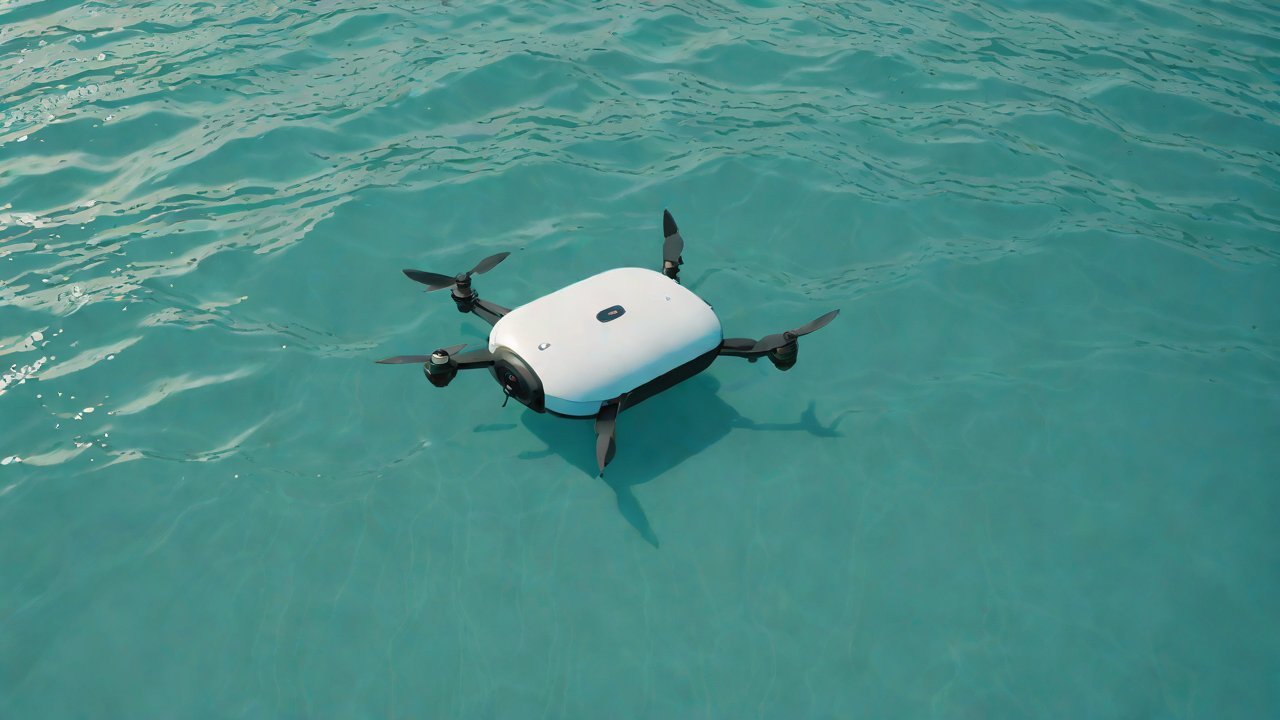
Marine Environmental Monitoring: IoT Solution Based on Underwater Sound Signal Transmission of 2026
The ocean, covering over 70% of our planet’s surface, is a vast and largely unexplored frontier. Despite its importance to human life and the economy, marine environmental monitoring has long been a neglected field. However, with the advent of advanced technologies like IoT (Internet of Things) and underwater sound signal transmission, we are on the cusp of a revolution in this area. This report delves into the exciting world of marine environmental monitoring using IoT solutions based on underwater sound signal transmission.
1. Current State of Marine Environmental Monitoring
Marine environmental monitoring is crucial for ensuring the health of our oceans and the ecosystems they support. However, current methods are often limited by their reliance on traditional technologies like sensors, buoys, and remote-operated vehicles (ROVs). These methods can be expensive, time-consuming, and provide only partial coverage of marine areas.
The use of underwater sound signal transmission for monitoring has gained significant attention in recent years due to its potential to provide real-time data on ocean conditions. This technology involves using acoustic signals to transmit data between underwater sensors and a central hub or satellite. The advantages of this method include:
- Real-time data transmission
- High accuracy
- Low power consumption
- Wide range coverage

However, there are also challenges associated with the use of underwater sound signal transmission for marine environmental monitoring. These include:
- Interference from other acoustic signals
- Limited battery life for underwater sensors
- Difficulty in transmitting data through shallow water or near coastal areas
2. IoT Solution Based on Underwater Sound Signal Transmission
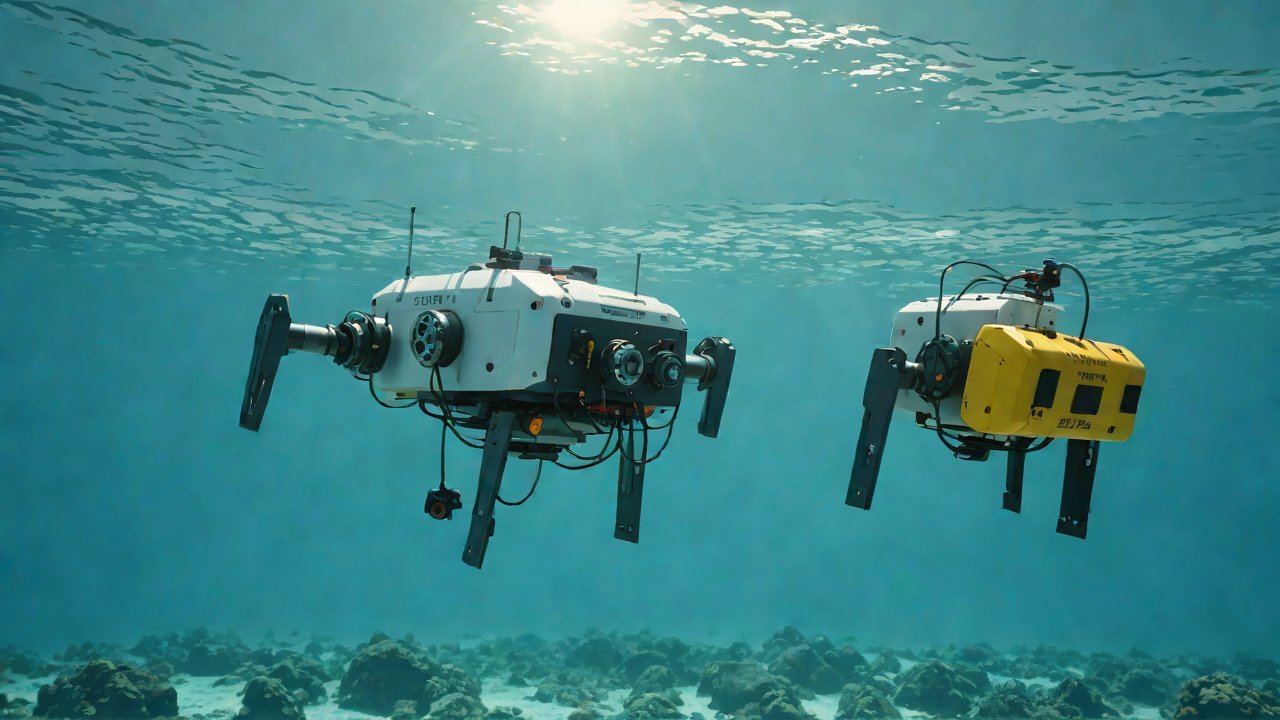
The integration of IoT technology with underwater sound signal transmission has the potential to overcome some of the challenges associated with traditional methods. An IoT solution based on underwater sound signal transmission would involve using a network of underwater sensors equipped with acoustic transmitters and receivers.
These sensors would be designed to detect changes in ocean conditions such as temperature, salinity, pH levels, and marine life populations. The data collected by these sensors would then be transmitted in real-time to a central hub or satellite via underwater sound signals.
The advantages of an IoT solution based on underwater sound signal transmission include:
- Real-time monitoring
- High accuracy
- Low power consumption
- Wide range coverage
3. Market Analysis
The market for marine environmental monitoring is expected to grow significantly in the coming years due to increasing concerns about ocean pollution and climate change.
According to a report by MarketsandMarkets, the global marine environmental monitoring market is projected to reach $1.4 billion by 2025 at a compound annual growth rate (CAGR) of 12%.
The use of IoT technology in marine environmental monitoring is expected to drive this growth due to its potential to provide real-time data on ocean conditions.
4. Technical Perspectives
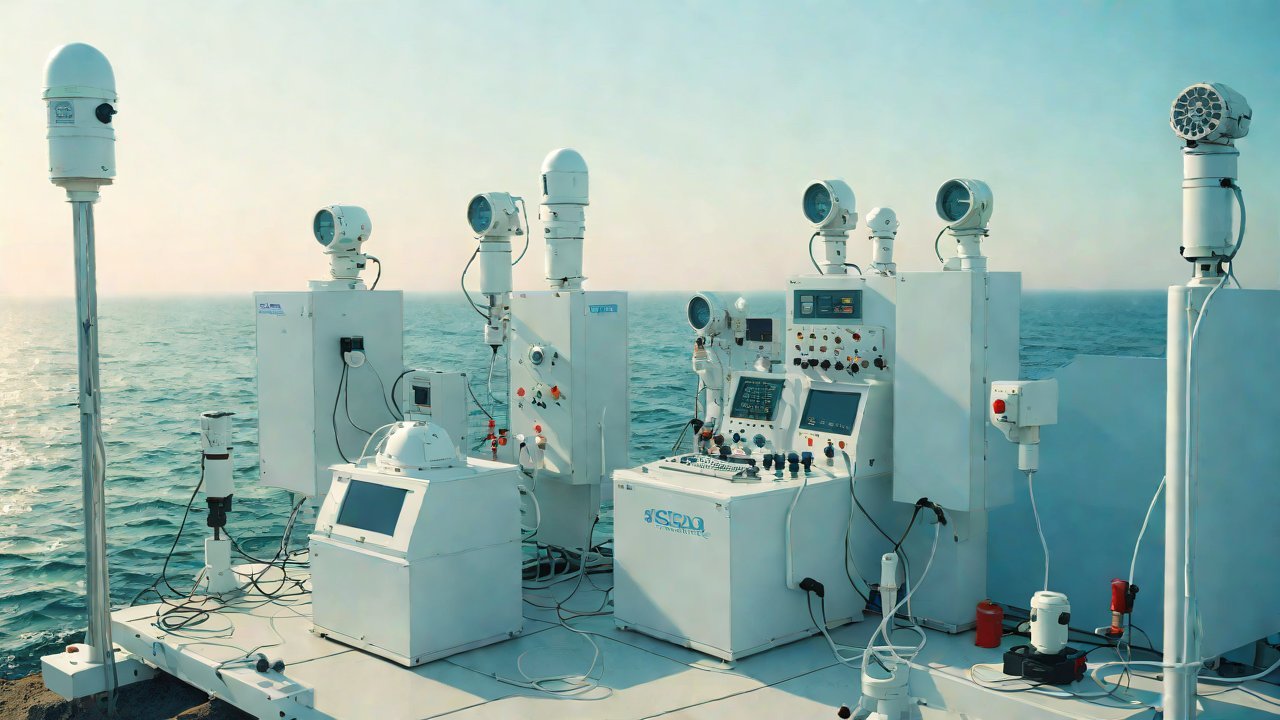
From a technical perspective, the integration of IoT technology with underwater sound signal transmission requires careful consideration of several factors including:
- Sensor design and calibration
- Acoustic transmitter and receiver design
- Data transmission protocols
- Energy harvesting and storage systems for underwater sensors
The use of advanced materials like nanomaterials and polymers is expected to play a significant role in the development of underwater sensors.
5. Conclusion
In conclusion, marine environmental monitoring using IoT solutions based on underwater sound signal transmission has the potential to revolutionize our understanding of ocean conditions and ecosystems. However, there are also challenges associated with this technology that must be addressed.
The use of advanced materials like nanomaterials and polymers is expected to play a significant role in the development of underwater sensors.
IOT Cloud Platform
IOT Cloud Platform is an IoT portal established by a Chinese IoT company, focusing on technical solutions in the fields of agricultural IoT, industrial IoT, medical IoT, security IoT, military IoT, meteorological IoT, consumer IoT, automotive IoT, commercial IoT, infrastructure IoT, smart warehousing and logistics, smart home, smart city, smart healthcare, smart lighting, etc.
The IoT Cloud Platform blog is a top IoT technology stack, providing technical knowledge on IoT, robotics, artificial intelligence (generative artificial intelligence AIGC), edge computing, AR/VR, cloud computing, quantum computing, blockchain, smart surveillance cameras, drones, RFID tags, gateways, GPS, 3D printing, 4D printing, autonomous driving, etc.