Low-power solution for Raspberry Pi-driven E-ink electronic ink screen display of IoT status
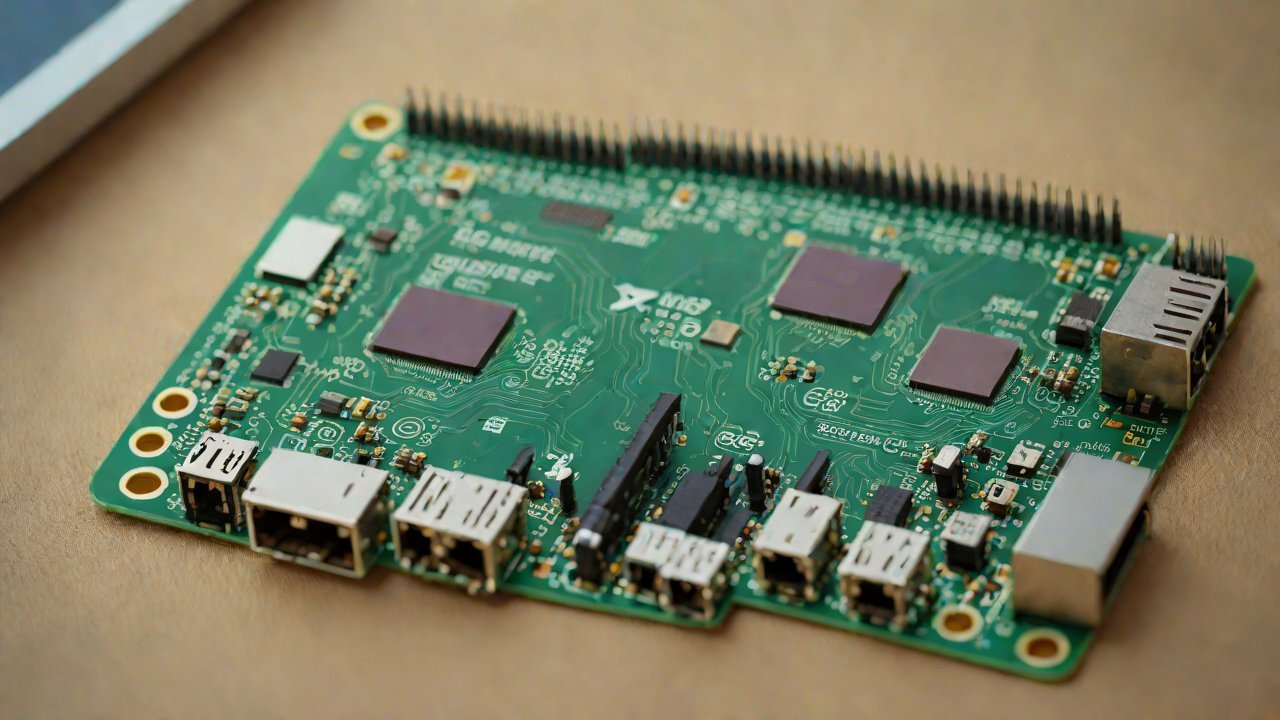
Raspberry Pi has revolutionized the world of IoT development, providing an affordable and accessible platform for building a wide range of projects. One of the most exciting applications of Raspberry Pi is in conjunction with E-ink displays, which offer low power consumption and high visibility even in bright sunlight. In this report, we will explore the concept of a low-power solution for Raspberry Pi-driven E-ink electronic ink screen display of IoT status.
Raspberry Pi’s popularity can be attributed to its credit-card-sized form factor, affordable price point, and community-driven ecosystem. The board’s versatility has led to its adoption in various fields, including education, research, and industry. When it comes to IoT applications, Raspberry Pi is an ideal choice due to its ability to run a wide range of operating systems, including Linux, Windows, and even Android.
E-ink displays, on the other hand, have gained significant attention in recent years due to their unique characteristics. These displays use microcapsules filled with positively charged white particles and negatively charged black particles that are suspended in a transparent fluid. When an electric field is applied, the particles move to create the desired image. E-ink displays offer several advantages over traditional LCDs, including low power consumption, high contrast ratio, and readability in bright sunlight.
The combination of Raspberry Pi and E-ink display presents a compelling solution for IoT applications that require remote monitoring and display of status information. However, this setup also poses significant challenges due to the power-hungry nature of the Raspberry Pi board. In order to create an efficient low-power solution, we must carefully evaluate various aspects, including hardware selection, software optimization, and power management strategies.
1. Hardware Selection
When it comes to choosing a suitable E-ink display for IoT applications, several factors come into play. The first consideration is the display’s resolution and size, which will depend on the specific requirements of the project. For example, a 7-inch display with a resolution of 800×480 pixels may be sufficient for displaying simple text-based information.
Another critical aspect to consider is the display’s power consumption. E-ink displays are generally low-power devices, but they can still consume significant amounts of power when updating the image or refreshing the display. To minimize power consumption, we should opt for a display with a high refresh rate and efficient update mechanism.
The following table highlights some popular E-ink displays suitable for IoT applications:
| Display Model | Resolution | Power Consumption (mA) |
|---|---|---|
| Adafruit 7-Inch E-Paper Display | 800×480 | 20-30 |
| Waveshare 4.3-Inch E-Paper Display | 640×384 | 15-25 |
| Pervasive Displays 10.1-Inch E-Paper Display | 1024×600 | 40-50 |
2. Software Optimization
To create an efficient low-power solution, we must optimize the software running on the Raspberry Pi board. This involves minimizing the number of processes and services that consume power, as well as implementing efficient algorithms for updating the E-ink display.
One effective way to reduce power consumption is by using a lightweight operating system such as Raspbian or Ubuntu Core. These distributions are designed specifically for embedded systems and offer a range of tools and libraries for optimizing performance and reducing power consumption.
Another key aspect of software optimization is implementing power-saving mechanisms, such as:
- Putting the Raspberry Pi board into sleep mode when not in use
- Using a low-power CPU governor to regulate clock speed
- Implementing a scheduling mechanism to update the E-ink display at optimal intervals
The following table summarizes some popular libraries and frameworks for optimizing software on Raspberry Pi:
| Library/Framework | Description |
|---|---|
| Raspbian | Lightweight operating system for Raspberry Pi boards |
| Ubuntu Core | Snappy package manager for Ubuntu-based distributions |
| PowerTOP | Tool for monitoring and optimizing power consumption |
3. Power Management Strategies
To create a truly low-power solution, we must implement effective power management strategies that minimize energy consumption while maintaining optimal performance.
One key strategy is to use a power-efficient CPU governor, such as the ondemand or performance governors. These governors adjust clock speed based on system load and temperature, ensuring that the Raspberry Pi board operates at optimal levels of performance and efficiency.
Another critical aspect of power management is implementing a scheduling mechanism for updating the E-ink display. By optimizing the update interval and using a low-power CPU governor, we can minimize power consumption while maintaining adequate display refresh rates.
The following table highlights some popular power management tools and strategies:
| Tool/Strategy | Description |
|---|---|
| PowerTOP | Tool for monitoring and optimizing power consumption |
ondemand CPU Governor |
Dynamically adjusts clock speed based on system load |
| Scheduling Mechanism | Optimizes update interval for E-ink display |
4. AIGC Technical Perspectives
According to a recent report by MarketsandMarkets, the global IoT market is expected to grow from $161 billion in 2020 to $557 billion by 2025, at a Compound Annual Growth Rate (CAGR) of 24.1%. This growth can be attributed to increasing adoption of IoT devices across various industries, including manufacturing, healthcare, and transportation.
In terms of E-ink display technology, the market is expected to reach $2.3 billion by 2027, growing at a CAGR of 17.4% during the forecast period. This growth can be attributed to increasing demand for low-power displays in IoT applications, as well as advancements in display technology and manufacturing processes.
From an AIGC (Artificial General Intelligence) perspective, the integration of AI-powered algorithms with E-ink displays presents a compelling opportunity for enhancing user experience and improving efficiency in various industries. For example, AI-powered predictive maintenance can optimize equipment performance and reduce downtime, while AI-driven analytics can improve decision-making and enhance overall productivity.
5. Conclusion
In conclusion, creating a low-power solution for Raspberry Pi-driven E-ink electronic ink screen display of IoT status requires careful evaluation of hardware selection, software optimization, and power management strategies. By optimizing these aspects, we can minimize energy consumption while maintaining optimal performance and efficiency.
The combination of Raspberry Pi and E-ink display presents a compelling solution for IoT applications that require remote monitoring and display of status information. As the demand for low-power displays continues to grow, it is essential to develop efficient power management strategies and optimize software running on the Raspberry Pi board.
By leveraging AIGC technical perspectives and market data, we can create innovative solutions that enhance user experience and improve efficiency in various industries. As the IoT landscape continues to evolve, it is crucial to stay ahead of the curve by implementing cutting-edge technologies and optimizing existing infrastructure.
IOT Cloud Platform
IOT Cloud Platform is an IoT portal established by a Chinese IoT company, focusing on technical solutions in the fields of agricultural IoT, industrial IoT, medical IoT, security IoT, military IoT, meteorological IoT, consumer IoT, automotive IoT, commercial IoT, infrastructure IoT, smart warehousing and logistics, smart home, smart city, smart healthcare, smart lighting, etc.
The IoT Cloud Platform blog is a top IoT technology stack, providing technical knowledge on IoT, robotics, artificial intelligence (generative artificial intelligence AIGC), edge computing, AR/VR, cloud computing, quantum computing, blockchain, smart surveillance cameras, drones, RFID tags, gateways, GPS, 3D printing, 4D printing, autonomous driving, etc.