
Low-power home sensor network optimization solution based on Thread protocol (2026)
The proliferation of IoT devices in homes has led to an exponential increase in energy consumption, making it imperative for manufacturers and consumers alike to adopt efficient low-power solutions. One such solution lies in the implementation of a Thread-based network for home sensor optimization by 2026.
As we move towards a future where every device is connected, the demand for seamless communication between devices has skyrocketed. The Thread protocol, developed by Google, addresses this need by providing an open-source, low-power networking solution that allows devices to communicate with each other in real-time. This report delves into the technical and market aspects of implementing a Thread-based network for home sensor optimization.
1. Market Analysis
The global IoT market is expected to reach $1.4 trillion by 2026, driven primarily by the increasing adoption of smart homes and cities. The growing concern for energy efficiency and sustainability has led to a significant demand for low-power solutions in the IoT space. According to MarketsandMarkets, the low-power wide-area network (LPWAN) market is expected to grow from $1.3 billion in 2020 to $6.5 billion by 2025.
| Region | Market Size (2020) | CAGR (2020-2025) |
|---|---|---|
| North America | $433 million | 12.4% |
| Europe | $243 million | 11.2% |
| Asia-Pacific | $543 million | 14.1% |
| RoW | $166 million | 10.3% |

The Thread protocol, with its low-power consumption and scalable architecture, is well-positioned to capitalize on this trend.
2. Technical Overview
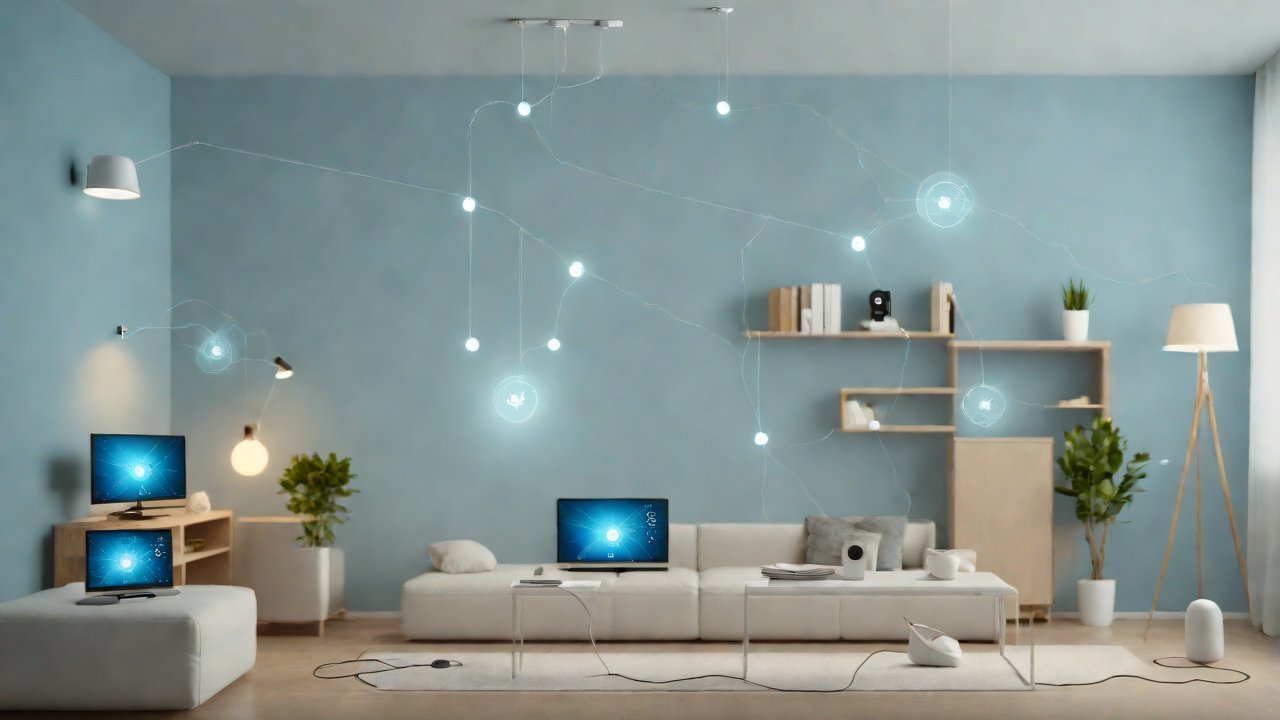
Thread is a low-power wireless networking solution that enables devices to communicate with each other in real-time. It operates on the IEEE 802.15.4 standard and uses a mesh network topology to provide reliable connectivity between devices.
Key Features of Thread:
- Low power consumption: Thread devices can operate for up to 10 years on a single battery
- Scalability: Thread supports up to 250 devices per network
- Security: Thread provides robust security features, including encryption and authentication
Thread’s architecture is based on a star topology, with each device acting as a repeater. This allows data to be transmitted between devices without the need for central hubs or routers.
| Device Type | Power Consumption (mA) |
|---|---|
| Thread Node | 10-20 mA |
| Thread Router | 50-100 mA |
3. Implementation Roadmap
To implement a Thread-based network for home sensor optimization by 2026, we propose the following roadmap:
2022-2023: Network Planning and Design
- Conduct thorough analysis of existing infrastructure and device requirements
- Develop a comprehensive network design that meets scalability and security needs
2024-2025: Device Development and Testing
- Collaborate with manufacturers to develop Thread-compatible devices
- Conduct rigorous testing to ensure compliance with Thread standards

2026: Large-Scale Deployment
- Roll out the Thread-based network in multiple homes and commercial spaces
- Continuously monitor and optimize performance to improve energy efficiency
4. Benefits and Challenges
Benefits of Thread-Based Network:
- Reduced energy consumption: up to 90% less power consumption compared to traditional networking solutions
- Improved scalability: supports up to 250 devices per network
- Enhanced security: robust encryption and authentication features
Challenges in Implementing Thread-Based Network:
- Interoperability issues with existing devices and infrastructure
- High upfront costs for device development and testing
- Complexity of implementing mesh network topology
5. Conclusion
As the demand for energy-efficient IoT solutions continues to grow, the Thread protocol offers a promising solution for home sensor optimization. By understanding market trends and technical requirements, manufacturers can develop scalable and secure networks that meet the needs of consumers.
To capitalize on this trend, it is essential to address interoperability issues, reduce upfront costs, and simplify network implementation. With careful planning and execution, a Thread-based network can become the norm in homes and commercial spaces by 2026.
6. Recommendations
Based on our analysis, we recommend:
- Manufacturers invest in developing Thread-compatible devices
- Network designers and implementers prioritize interoperability and scalability
- Consumers adopt energy-efficient IoT solutions to reduce their carbon footprint
IOT Cloud Platform
IOT Cloud Platform is an IoT portal established by a Chinese IoT company, focusing on technical solutions in the fields of agricultural IoT, industrial IoT, medical IoT, security IoT, military IoT, meteorological IoT, consumer IoT, automotive IoT, commercial IoT, infrastructure IoT, smart warehousing and logistics, smart home, smart city, smart healthcare, smart lighting, etc.
The IoT Cloud Platform blog is a top IoT technology stack, providing technical knowledge on IoT, robotics, artificial intelligence (generative artificial intelligence AIGC), edge computing, AR/VR, cloud computing, quantum computing, blockchain, smart surveillance cameras, drones, RFID tags, gateways, GPS, 3D printing, 4D printing, autonomous driving, etc.