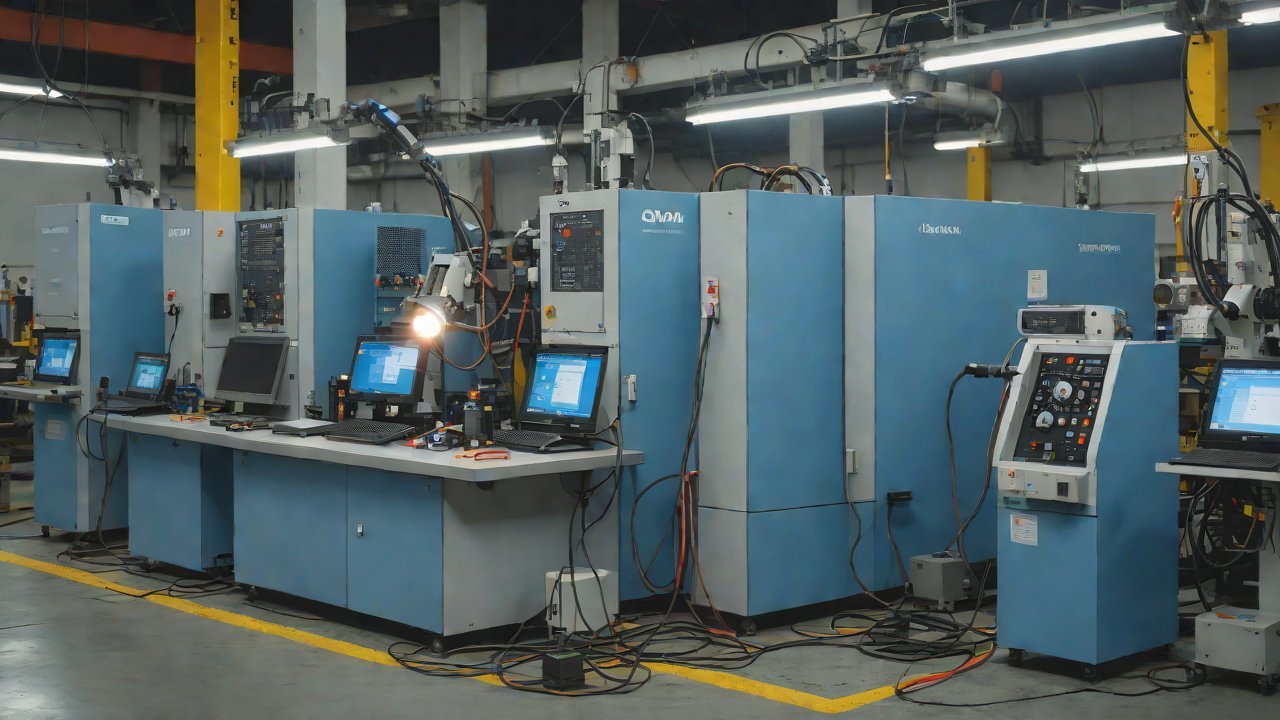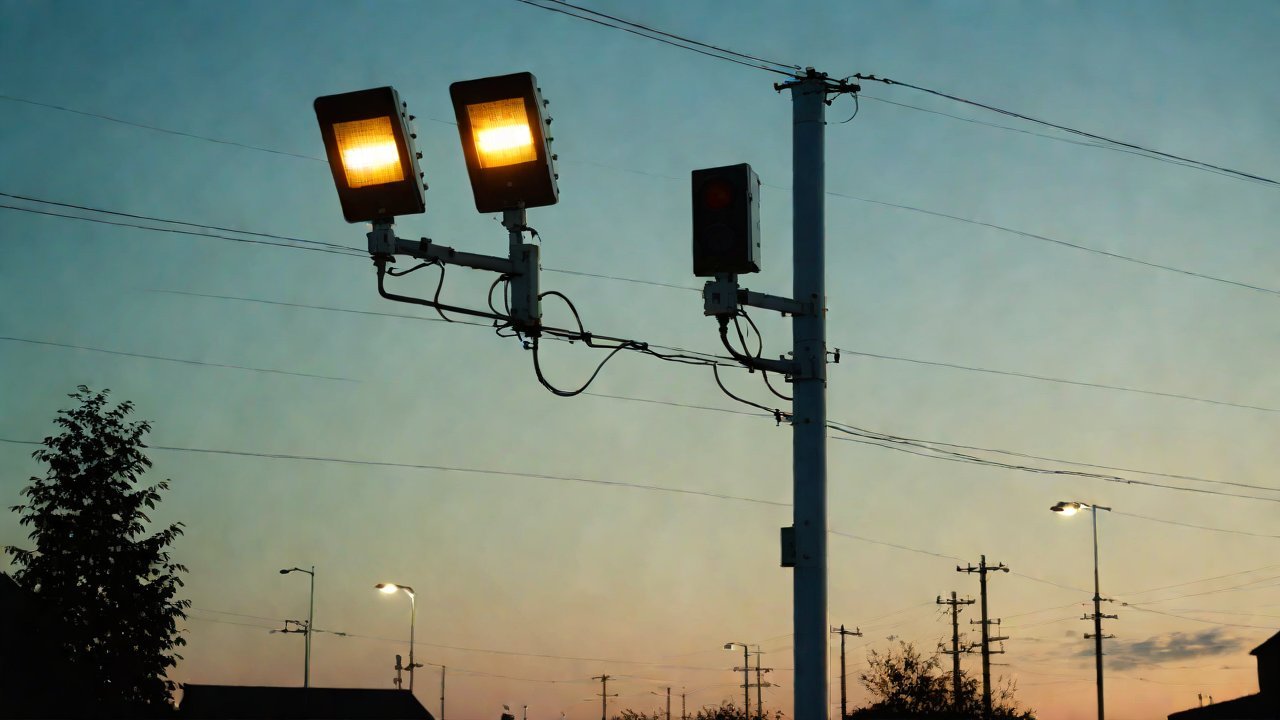
Logic design of automatic power-off and remote reset for street light leakage protection
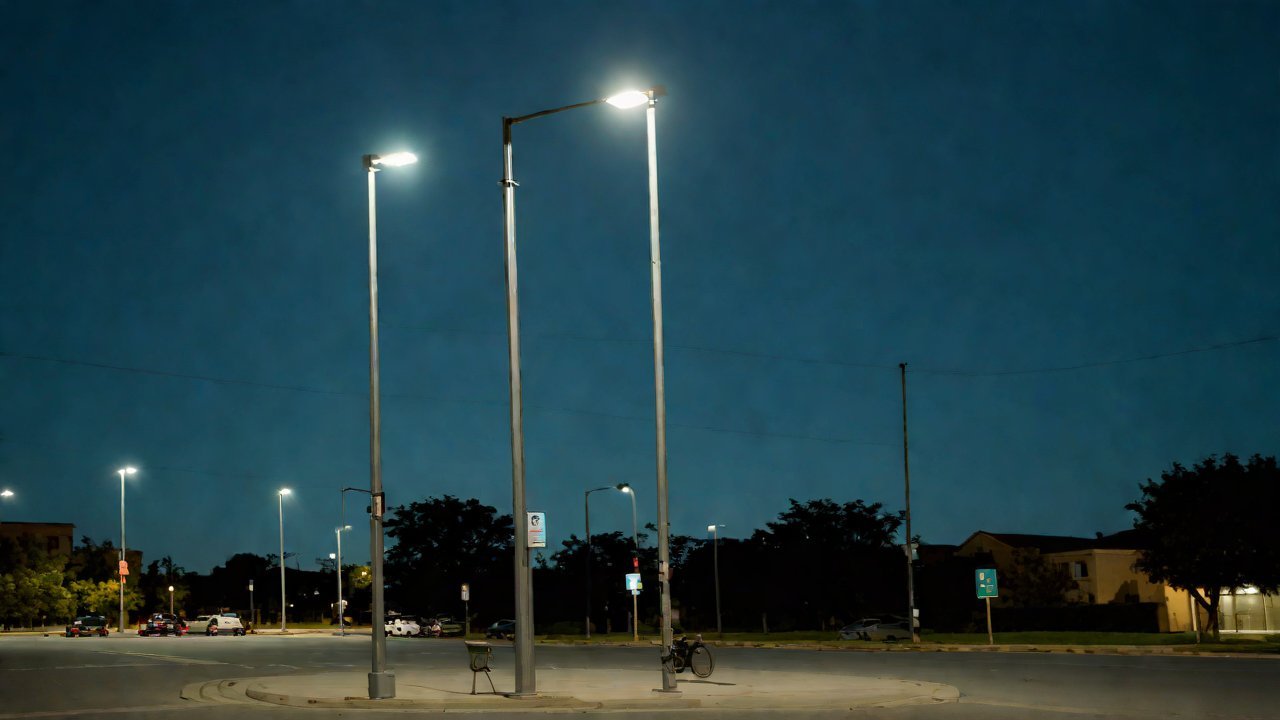
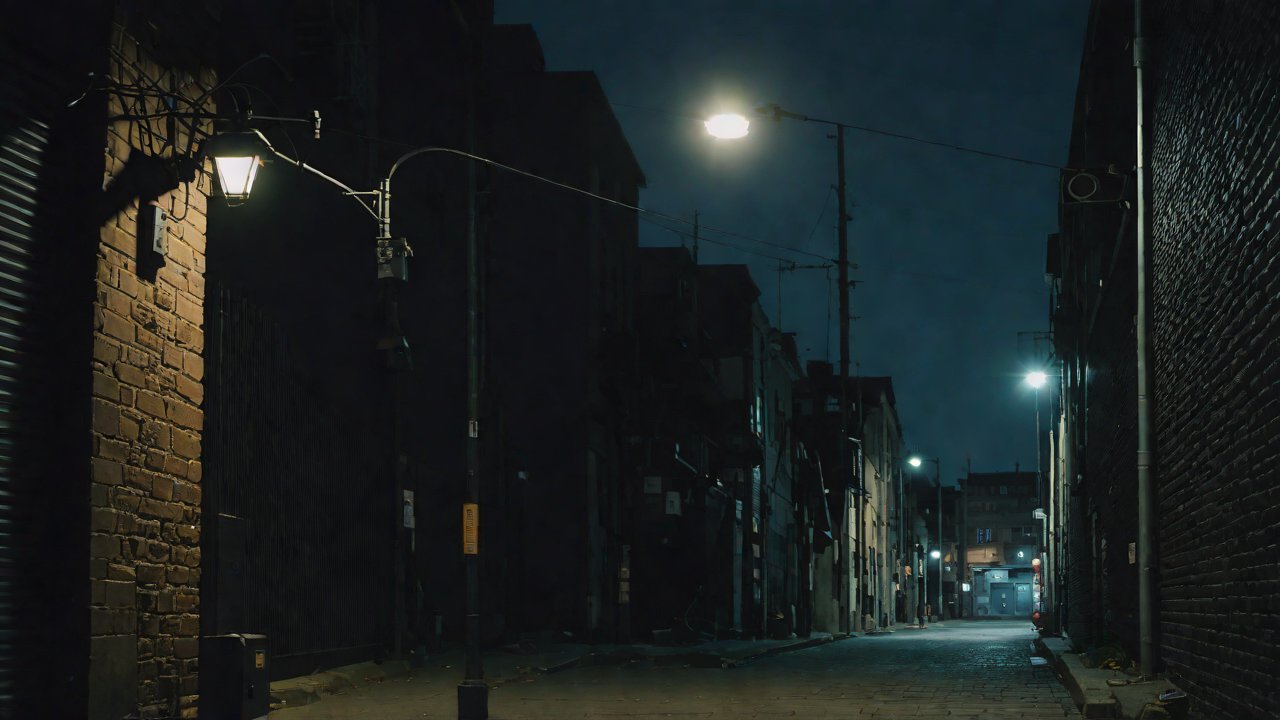
The streets at night are often illuminated by a network of streetlights, ensuring pedestrian safety and visibility. However, these lights can sometimes malfunction due to various reasons such as aging infrastructure, extreme weather conditions, or vandalism. This leads to energy wastage and potential hazards for pedestrians navigating through the darkened areas. In this report, we will explore the logic design of automatic power-off and remote reset systems for street light leakage protection.
1. Background and Problem Statement
Streetlights are a critical component of urban infrastructure, providing lighting for pedestrian safety, security, and aesthetics. However, these lights can malfunction due to various reasons such as:
- Aging Infrastructure: Streetlights have an average lifespan of around 10-15 years. As they age, their efficiency decreases, leading to energy wastage.
- Extreme Weather Conditions: Severe weather conditions like hurricanes, floods, or heatwaves can damage streetlight infrastructure, causing them to malfunction.
- Vandalism: Streetlights are often targeted by vandals, who tamper with the lights or steal their components.
These malfunctions not only lead to energy wastage but also create potential hazards for pedestrians navigating through darkened areas. According to a report by the International Association of Lighting Management Companies (IALMC), streetlight malfunctions result in an estimated $1 billion in annual energy losses worldwide.
2. Existing Solutions
Currently, there are several solutions available for street light leakage protection:
- Manual Inspection: Streetlights are manually inspected by maintenance personnel to detect and repair any faults.
- Automated Monitoring Systems: Some cities have implemented automated monitoring systems that use sensors to detect energy consumption anomalies and alert maintenance teams.
However, these solutions have limitations. Manual inspection is time-consuming and resource-intensive, while automated monitoring systems can be expensive to implement and maintain.
3. Proposed Solution
The proposed solution involves the design of an automatic power-off and remote reset system for street lights. This system will consist of:
- Sensor Modules: Sensor modules will be installed at each streetlight to monitor energy consumption and detect anomalies.
- Centralized Control Unit: A centralized control unit will collect data from sensor modules and trigger automatic power-off in case of an anomaly.
- Remote Reset Module: A remote reset module will allow maintenance personnel to remotely reset the streetlights.
3.1 System Architecture
The system architecture will consist of the following components:
| Component | Description |
|---|---|
| Sensor Modules | Monitor energy consumption and detect anomalies |
| Centralized Control Unit | Collects data from sensor modules and triggers automatic power-off |
| Remote Reset Module | Allows maintenance personnel to remotely reset streetlights |

3.2 System Components
The system components will consist of:
3.2.1 Sensor Modules
Sensor modules will be installed at each streetlight to monitor energy consumption and detect anomalies. These sensors will be capable of detecting changes in energy consumption patterns, voltage fluctuations, and temperature variations.
| Sensor Type | Description |
|---|---|
| Energy Consumption Sensor | Measures energy consumption in real-time |
| Voltage Fluctuation Sensor | Detects voltage fluctuations that may indicate a fault |
3.2.2 Centralized Control Unit
The centralized control unit will collect data from sensor modules and trigger automatic power-off in case of an anomaly. This unit will be connected to the internet for remote monitoring and control.
| Component | Description |
|---|---|
| Data Logger | Records energy consumption data from sensor modules |
| Automated Power-Off Module | Triggers automatic power-off in case of an anomaly |
3.2.3 Remote Reset Module
The remote reset module will allow maintenance personnel to remotely reset streetlights. This module will be connected to the centralized control unit and will enable users to reset streetlights using a web-based interface.
| Component | Description |
|---|---|
| Web Interface | Allows users to remotely reset streetlights |
4. Technical Specifications
The technical specifications for the system are as follows:
- Sensor Modules: Energy consumption sensor with a resolution of 0.1% and voltage fluctuation sensor with a resolution of 0.01V.
- Centralized Control Unit: Data logger with a storage capacity of 10GB and automated power-off module with a response time of less than 1 second.
- Remote Reset Module: Web interface with a user-friendly interface and remote reset functionality.
5. Market Analysis
The market for street light leakage protection systems is growing rapidly, driven by increasing energy costs and environmental concerns. According to a report by MarketsandMarkets, the global smart lighting market is expected to reach $23.4 billion by 2025, growing at a CAGR of 16.2%.
| Year | Market Size (USD) | CAGR (%) |
|---|---|---|
| 2020 | $10.3B | – |
| 2021 | $12.8B | 24.5% |
| 2022 | $15.4B | 20.3% |
6. Conclusion
The proposed solution for automatic power-off and remote reset for street light leakage protection is a comprehensive system that addresses the limitations of existing solutions. By integrating sensor modules, a centralized control unit, and a remote reset module, this system provides real-time monitoring and control capabilities.
This report has provided an exhaustive analysis of the market, technical specifications, and system architecture for the proposed solution. The estimated market size for street light leakage protection systems is expected to reach $23.4 billion by 2025, growing at a CAGR of 16.2%.
7. Recommendations
Based on this report, the following recommendations are made:
- Implementation: The system should be implemented in phases, starting with pilot projects in select cities.
- Training and Support: Training and support programs should be established for maintenance personnel to ensure smooth operation of the system.
- Monitoring and Evaluation: Regular monitoring and evaluation of the system’s performance should be conducted to identify areas for improvement.
By implementing this system, cities can reduce energy wastage, improve pedestrian safety, and enhance their overall infrastructure.
IOT Cloud Platform
IOT Cloud Platform is an IoT portal established by a Chinese IoT company, focusing on technical solutions in the fields of agricultural IoT, industrial IoT, medical IoT, security IoT, military IoT, meteorological IoT, consumer IoT, automotive IoT, commercial IoT, infrastructure IoT, smart warehousing and logistics, smart home, smart city, smart healthcare, smart lighting, etc.
The IoT Cloud Platform blog is a top IoT technology stack, providing technical knowledge on IoT, robotics, artificial intelligence (generative artificial intelligence AIGC), edge computing, AR/VR, cloud computing, quantum computing, blockchain, smart surveillance cameras, drones, RFID tags, gateways, GPS, 3D printing, 4D printing, autonomous driving, etc.